
Main Courses
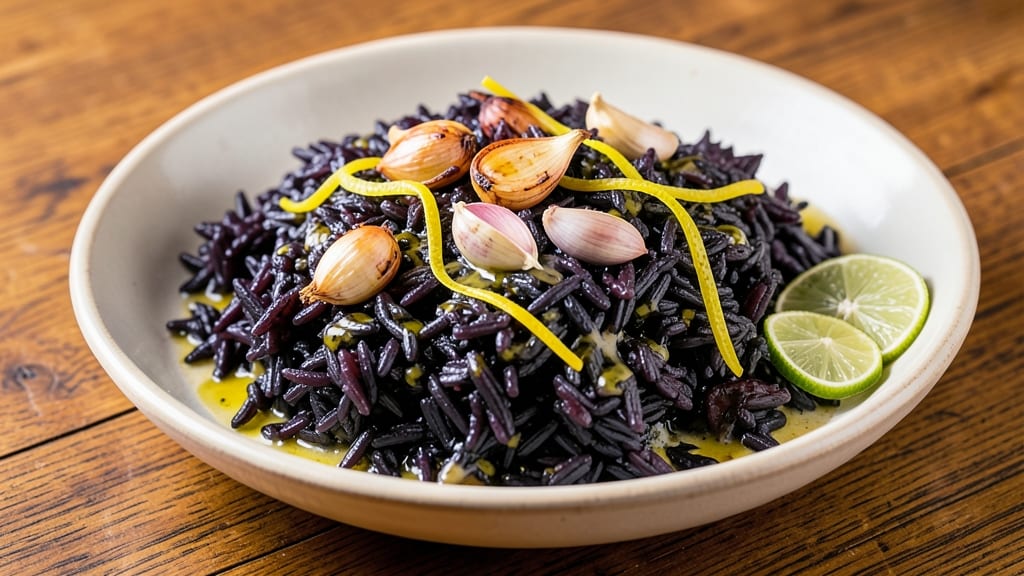
This black jasmine rice recipe transforms a simple side into a fragrant, aromatic centerpiece that pairs perfectly with stir-fries, curries, or grilled proteins.
The key lies in lightly toasting the grains before simmering them in coconut milk—a technique that unlocks their natural nutty sweetness while keeping each kernel lightly sticky and distinct.
I developed this method after struggling to find restaurant-quality black jasmine rice at home, and it’s now a staple in my kitchen for both weeknight dinners and special occasions.
The process is straightforward but requires patience: rinsing the rice thoroughly removes excess starch, while toasting in oil before cooking enhances the grains’ natural depth. Coconut milk adds a velvety richness that balances the rice’s earthy notes, creating a dish that’s restaurant-quality without requiring specialized equipment.
For extra flavor, I often stir in a pinch of salt and a splash of lime juice at the end—simple adjustments that elevate the dish from ordinary to extraordinary.
What you’ll end up with is a pot of fragrant, golden-hued rice with a delicate texture—neither mushy nor dry.
Each grain remains separate yet clings together just enough to hold its shape, making it ideal as a side or even as a light main course when paired with grilled fish or tofu.
The coconut milk infusion adds a subtle sweetness that complements savory dishes beautifully, while the toasted aroma ensures every bite is memorable.
This recipe is incredibly versatile—use it as a base for coconut curries, a bed for stir-fried vegetables, or even a dessert accompaniment with tropical fruits. The best part?
It comes together in under 30 minutes, with minimal hands-on time. Let’s get started on creating your own fragrant, perfectly balanced pot of black jasmine rice.
Ingredients for black jasmine rice
Nine ingredients for restaurant-quality rice that smells like a tropical paradise.
| Ingredient | Amount | Notes |
|---|---|---|
| Black Jasmine Rice 🌾 | 1 ½ cups | Uncooked, rinsed thoroughly |
| Full-Fat Coconut Milk 🥥 | 13 ½ oz | Can (13.5 oz) preferred |
| Extra-Virgin Olive Oil 🫒 | 2 tbsp | For toasting rice |
| Shallots 🧅 | 2 whole | Small, finely minced |
| Garlic Cloves 🧄 | 3 cloves | Minced for aroma |
| Fresh Lime Juice 🍋 | 1 tbsp | From 1 lime, freshly squeezed |
| Sea Salt 🧂 | ½ tsp | Fine grain preferred |
| Ground Black Pepper 🌶️ | ¼ tsp | Freshly cracked |
| Fresh Cilantro 🌿 | ¼ cup | Chopped, for garnish |
| Water 💧 | 1 ½ cups | Filtered preferred |
| Coconut Sugar 🍯 | 1 tbsp | Optional for sweetness |
Black jasmine rice is the star, so grab the best quality you can find—look for vibrant purple-black grains at Whole Foods or Trader Joe's. The coconut milk makes all the difference: full-fat canned coconut milk (like Thai Kitchen brand) adds richness you can't get with light versions. Toasting the rice in olive oil before cooking unlocks its nutty aroma—don't skip this step. For the shallots, small ones are easier to peel, but any shallot works if you're gentle with the knife. Fresh lime juice is non-negotiable—bottled won't give you that bright, zesty finish.
No coconut milk? Substitute with 1 cup light coconut milk plus 1/2 cup water, but the texture won't be as creamy. Fresh lime juice hard to find? Lemon juice works in a pinch, though it's slightly less tangy. Want to skip the sugar? The coconut milk already adds natural sweetness. For extra depth, toast the coconut sugar lightly in a dry pan before adding it to the rice. The cilantro is optional but adds that fresh finish—skip it if you're serving to cilantro-haters. And if you're short on time, use pre-minced garlic and shallots from a jar (just rinse them well first).
This rice reheats beautifully—just add a splash of water or coconut milk and steam it covered. Keeps for 4-5 days in the fridge, though I find it's best within 2 days for peak texture. For meal prep, portion into containers with a little extra coconut milk to keep it moist. Freezes well for up to 3 months if you want to make a big batch. The aroma alone will make your kitchen smell amazing while it cooks—worth every minute of the 30-minute process.
Why You'll Love This Recipe
- No-Fuss Stovetop Magic: I swear by this method—just rinse the rice, simmer with coconut milk, and let it do its thing. No rice cooker? No problem. The rice absorbs the creamy richness while staying perfectly tender, and honestly, the only real effort is chopping shallots (which takes two minutes).
- Umami Bomb: That first bite? Chef’s kiss. The garlic and shallots caramelize in the olive oil until they’re sweet and sticky, then the coconut milk turns the whole dish into a velvety, slightly nutty dream. It’s the kind of flavor that makes you pause mid-bite—even my picky husband stops complaining about "healthy food."
- Leftover Goldmine: Between us, this rice tastes better the next day. The flavors meld into something deeper, and it reheats like a charm (just add a splash of water). I make a big batch on Sundays and use it all week—stuffed into burritos, tossed with veggies, or just eaten straight with a spoon.
- Budget Luxury: Full-fat coconut milk and olive oil might sound fancy, but they stretch so far. A single can of coconut milk makes three servings, and the rice itself is cheaper than white basmati. It’s the kind of dish that feels special without breaking the bank—my go-to when I want to impress but can’t afford takeout.
Step-by-step instructions for fragrant coconut jasmine rice
Here's how to transform simple rice into a luxurious, aromatic dish with layers of coconut flavor.
Toast the Rice for Nuttiness
Heat a heavy-bottomed pot over medium-high heat and add the 2 tablespoons extra-virgin olive oil. Once shimmering, add the 1.5 cups black jasmine rice and stir constantly for 3-4 minutes until the grains turn a pale golden color and release a toasty aroma.
This toasting step develops depth of flavor and prevents the rice from becoming mushy. You'll notice the rice starts to cling together slightly—that's perfect. If it browns too quickly, reduce the heat to medium and continue stirring until you see even golden patches.
Sauté Aromatics and Deglaze
Add the 2 whole shallots and 3 cloves garlic cloves to the pot, stirring for 1 minute until fragrant and softened. Pour in the 1.5 cups water and 13.5 oz full-fat coconut milk, scraping up any browned bits from the bottom of the pot with a wooden spoon.
This deglazing step captures all the toasted rice flavors and incorporates them into the cooking liquid. The coconut milk should bubble gently—if it's boiling too vigorously, reduce the heat to medium-low. Add the 1 tablespoon coconut sugar now if using, stirring until dissolved.
Simmer Until Absorbed
Bring the mixture to a gentle simmer, then reduce heat to low and cover with a tight-fitting lid. Cook for 15 minutes without disturbing, allowing the rice to absorb the coconut milk completely. You'll know it's ready when the liquid is fully absorbed and the rice is tender but still slightly firm to the bite.
Here's the thing—don't peek! Every time you lift the lid, you release steam and potentially dry out the rice. If you're worried about doneness, check at the 12-minute mark and adjust time accordingly based on your stove's heat output.
Rest and Finish with Freshness
Remove from heat and let the rice sit covered for 10 minutes. This resting period allows the steam to redistribute and the grains to plump fully. After resting, fluff the rice gently with a fork and stir in the 1 tablespoon fresh lime juice, 0.5 teaspoon sea salt, and 0.25 teaspoon ground black pepper.
The acidity from the lime brightens the coconut flavor while the salt and pepper enhance the natural nuttiness of the rice. For the final touch, sprinkle with 0.25 cup chopped fresh cilantro just before serving—this adds vibrant color and a fresh herbal note that cuts through the richness.
Serve Immediately
Transfer the rice to a serving dish and serve while still warm. The grains should be separate but tender, with a delicate coconut aroma that fills the room. Each bite should deliver creamy coconut flavor balanced by the bright lime and fresh herbs.
This dish makes a perfect base for curries, grilled meats, or even as a standalone side. The key to success lies in the toasting and proper resting time—both ensure perfectly textured rice with maximum flavor development. Enjoy your restaurant-quality coconut jasmine rice!
Pro Tips For Making Black Jasmine Rice
- Bloom the Shallots First: Slice those shallots paper-thin and toss them in the olive oil for 30 seconds before adding garlic—just until they soften and release their sweetness. I used to add them all at once, and the dish always tasted flat until I realized they needed a head start to actually flavor the coconut milk.
- Toast the Rice Dry: Before adding any liquid, spread the black jasmine rice in a single layer in the pot and dry-toast it over medium heat for 2-3 minutes. The nutty aroma deepens, and the grains stay separate—no more clumping like I got when I skipped this step and just dumped everything in cold.
- Use Cold Coconut Milk: Chill the full-fat coconut milk overnight or at least 30 minutes before using—it thickens the sauce more evenly and prevents that greasy split you get when warm milk turns the rice soggy. Yes, it’s an extra step, but the texture is worth it.
- Stir Once, Then Stop: After adding the coconut milk, stir once to combine, then turn the heat to low and walk away. Black jasmine rice needs gentle heat to absorb the liquid slowly—peeking or stirring constantly turns it into mush. I learned this after three batches of gluey rice.
Best sauces and condiments for this recipe
Coconut Milk Magic
The star of this rice is the full-fat coconut milk, which creates a velvety texture and rich flavor that elevates the dish. I recommend using Thai Kitchen brand for its perfect balance of creaminess and mild sweetness.
For an extra touch, lightly toast 1 tablespoon coconut sugar in a dry pan before adding it to the rice—this deepens the caramel notes and enhances the overall aroma. 🥥
Bright Lime Finish
A splash of fresh lime juice at the end is non-negotiable—it cuts through the richness of the coconut milk and adds a zesty brightness. I always use 1 tablespoon freshly squeezed lime juice (about half a lime) for the perfect balance.
If you're serving this with spicy dishes, add an extra ½ teaspoon lime juice to help balance the heat. The acidity also helps preserve the rice's texture when reheating.
Herbaceous Garnishes
Fresh cilantro adds a vibrant pop of color and freshness that contrasts beautifully with the creamy coconut rice. I chop ¼ cup cilantro finely and sprinkle it just before serving to maintain its bright flavor.
For a different herbal note, try thai basil or mint leaves instead—both pair wonderfully with coconut. If you prefer a more subtle garnish, a pinch of toasted sesame seeds adds a nutty crunch.
Spicy Kick Options
For those who love heat, stir in ½ teaspoon red chili flakes or a pinch of Sichuan peppercorn powder while the rice is resting. The warmth complements the coconut's creaminess perfectly.
I also like adding 1 teaspoon fish sauce (like Red Boat brand) for umami depth—it's a common Thai technique that works beautifully here. For a smoky twist, drizzle with 1 teaspoon smoked paprika before serving.
Sweet-Savory Balance
If you want to enhance the natural sweetness of the black jasmine rice, stir in 1 teaspoon honey or maple syrup along with the lime juice. The combination of sweet, tangy, and creamy flavors creates a harmonious balance that's especially delicious when served with grilled meats or roasted vegetables.
For a tropical twist, add ½ teaspoon vanilla extract to the coconut milk before cooking—it adds a subtle floral note that pairs beautifully with the lime finish.
Nutrition facts
Frequently asked questions
Why does black jasmine rice turn purple when cooked?
The deep purple hue comes from anthocyanins, natural pigments in the rice that react to heat and coconut milk. These antioxidants give the rice its striking color and earthy flavor profile. The longer you toast the rice, the more intense the color becomes—just like red wine stains getting deeper when exposed to air.
Can I substitute coconut milk with dairy milk?
Not recommended! Coconut milk's fat content (20-25%) creates the creamy texture and tropical flavor this dish needs. Dairy milk would make the rice watery and develop a curdled taste. For a non-coconut alternative, use cashew cream (blend soaked cashews with water) for a neutral but rich base.
What's the best way to store leftover black jasmine rice?
Store in an airtight container with a damp paper towel on top to prevent drying. Keeps 4-5 days in the fridge or 3 months frozen. To reheat, steam with 2 tablespoons coconut milk for 3-4 minutes covered—this restores moisture without making it mushy. Never microwave directly from the fridge!
How do I make this rice less sticky?
Use slightly less coconut milk (12 oz instead of 13.5 oz) and increase water to 1.75 cups. Also, rinse the rice 3 times before toasting to remove excess starch. For extra separation, fluff with a fork immediately after resting and serve while warm—starch sets as it cools.
What proteins pair best with this coconut rice?
Try grilled lemongrass chicken, pan-seared salmon, or tofu with chili paste—the coconut's richness balances these flavors perfectly. For vegetarian options, pair with spiced chickpeas or mushroom stir-fry. The lime finish also cuts through rich meats beautifully, making it ideal for Thai-inspired curries.