
Main Courses
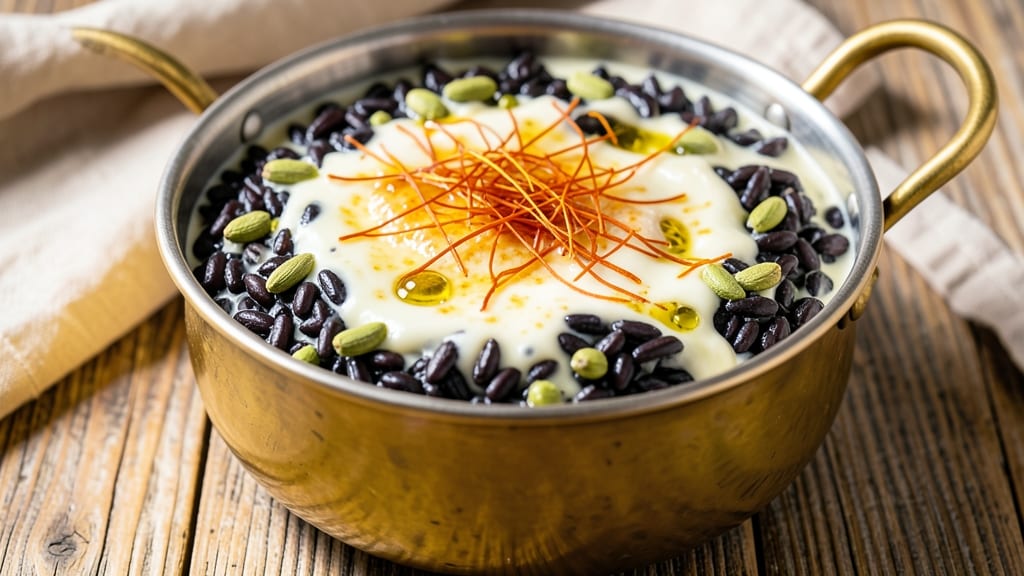
This black rice kheer recipe transforms humble grains into a luxurious dessert with deep purple hues and velvety cardamom-infused creaminess.
The secret lies in perfectly cooking the black rice until tender yet firm, then simmering it with warm milk, sugar, and ghee until the flavors meld into a silky, aromatic pudding.
What makes this dish truly special is how the nutty, earthy notes of black rice contrast beautifully with the warm spices—creating a dessert that feels both traditional and unexpectedly sophisticated.
The process begins with rinsing the black rice thoroughly to remove excess starch, ensuring each grain absorbs the milk and spices evenly. As it simmers, the rice releases its natural sweetness, while cardamom and saffron infuse the milk with fragrant warmth.
The key to achieving that signature creamy texture lies in low-and-slow cooking—letting the rice absorb the liquid gradually without breaking down into mush. This method guarantees a dessert that’s rich yet light, with each spoonful offering a perfect balance of flavors and textures.
Once complete, the kheer should be thick but spoonable, with the black rice grains still holding their shape against a luscious, spiced cream base. Garnishing with toasted nuts and a sprinkle of cardamom pods not only enhances the visual appeal but also adds a satisfying crunch.
The result is a dessert that’s elegant enough for special occasions yet simple enough to make at home—proving that traditional recipes can be both timeless and approachable.
For those looking to modernize the classic, consider swapping half the milk for coconut milk or adding a drizzle of rose or pistachio syrup. The dish pairs beautifully with warm chai or as a standalone treat, offering a comforting yet refined experience.
Let’s bring this vibrant dessert to life—where every bite tells a story of tradition and creativity.
Ingredients for black rice kheer
Transform these simple yet luxurious ingredients into a velvety purple dessert with deep cardamom warmth.
| Ingredient | Amount | Notes |
|---|---|---|
| Black Rice 🌾 | 1 cup | Uncooked, rinsed thoroughly |
| Whole Milk 🥛 | 4 cups | Full-fat preferred for creaminess |
| Ghee 🧈 | ½ cup | Clarified butter for richness |
| Granulated Sugar 🍚 | 1 cup | Adjust to taste for sweetness |
| Green Cardamom Pods 🌿 | 8 whole | Lightly crushed for aroma |
| Saffron Threads 🌼 | ¼ tsp | High-quality for color |
| Rose Water 🌹 | 1 tsp | Pure, food-grade quality |
| Pistachios 🌰 | ½ cup | Shelled, lightly toasted |
| Cashews 🥜 | ¼ cup | Whole, lightly toasted |
| Almond Slices 🌰 | ¼ cup | Thin, lightly toasted |
| Ground Cinnamon 🌿 | ½ tsp | For garnish |
| Sea Salt 🧂 | ¼ tsp | Fine grain for balance |
Black rice is the heart of this dish—look for it in the international aisle at stores like Whole Foods or Indian specialty markets. The grains should be uniformly dark purple with no grayish streaks. Rinse it thoroughly before cooking to remove excess starch, which can make the kheer gummy. For the milk, full-fat works best—it creates that signature creamy texture. Ghee adds richness that regular butter can't match, so don't skimp here. The cardamom pods should be plump and aromatic—if they smell stale, toast them lightly before crushing.
No black rice? Forbidden rice works in a pinch, though the color will be less vibrant. Swap half the milk for coconut milk for a modern twist, but reduce the sugar slightly since coconut milk is naturally sweeter. Saffron is pricey—use only the highest quality—but if you're on a budget, omit it entirely and boost the rose water to 1.5 teaspoons. For the nuts, any combination works—pecans or walnuts add a different texture. Toasting them lightly in ghee before adding enhances their flavor. The sugar can be adjusted based on preference, but remember this dessert should balance sweetness with the earthy rice flavor.
Store the kheer in an airtight container in the fridge for up to 3 days. The flavors actually improve overnight as everything melds. For serving, bring it to room temperature first—it's much more enjoyable when warm. The nuts can be toasted fresh each time you serve, or you can toast a big batch ahead and store them in a jar. This dessert reheats beautifully—simply warm it gently on the stove with a splash of milk to restore its creamy texture. Portion into small bowls for individual servings, and garnish with extra cardamom pods for that restaurant-quality touch.
Why You'll Love This Recipe
- No Soak Needed: I’ll admit, I was skeptical at first—no pre-soaking for black rice? But after one try, I realized the grains absorb the warm milk perfectly while simmering, saving me 4 hours of wait time. Just rinse, cook, and enjoy.
- Earthy Sweetness: That deep, nutty flavor from black rice? It’s like dessert and comfort food had a lovechild. The cardamom pods crack open with the first spoonful, releasing a floral warmth that makes every bite feel like a little celebration.
- Weekend or Weeknight: Honestly, this is my go-to for lazy Sundays and when I’m too tired to cook. The same pot of kheer works for a quick breakfast (cold or warm) or a showstopping dessert when I add saffron or pistachios. Minimal effort, maximum flex.
- Leftovers That Taste Better: Between us, my kheer actually improves overnight—the rice softens just right, and the milk thickens into a luscious, pudding-like texture. I make a big batch on Sundays and eat it all week, sometimes even reheating it with extra ghee for a rich upgrade. Budget-friendly and foolproof.
Step-by-step instructions for black rice kheer
Transform simple ingredients into a luxurious dessert with this authentic method.
Soak and Cook the Black Rice
Rinse the 1 cup black rice thoroughly under cold water until the water runs clear. This removes excess starch that can make the kheer gummy. Soak the rinsed rice in 4 cups whole milk for at least 4 hours or overnight in the refrigerator—this ensures the grains absorb enough liquid to soften properly.
After soaking, transfer the rice and milk to a heavy-bottomed pot. Add the 0.5 cup ghee and bring to a gentle boil over medium heat. Once boiling, reduce to a simmer and cook uncovered for 25-30 minutes, stirring occasionally. You'll know it's ready when the rice is tender and the mixture thickens to a creamy consistency. The color should deepen to a rich purple hue—this is your visual cue that the rice is fully cooked.
Infuse with Cardamom and Saffron
While the rice mixture simmers, lightly crush the 8 whole green cardamom pods between your palms to release their aroma without breaking them open completely. Add the crushed pods to the pot along with the 0.25 tsp saffron threads soaked in 2 tablespoons warm water. Let this infuse for 5 minutes on low heat—you'll notice the mixture develop a delicate floral aroma and subtle golden color from the saffron.
Real talk: don't rush this step. The cardamom needs time to steep properly, and the saffron should dissolve completely. If you see any undissolved saffron threads, whisk vigorously to break them up. The mixture should smell intensely aromatic with notes of spice and floral sweetness.
Sweeten and Finish the Base
Remove the cardamom pods and stir in the 1 cup granulated sugar gradually, allowing it to dissolve completely. Add the 1 tsp rose water and 0.25 tsp sea salt, then simmer for an additional 5 minutes. The kheer should be thick enough to coat the back of a spoon but still pourable. If it thickens too much, add 2-3 tablespoons warm milk to adjust the consistency.
Taste the mixture and adjust sweetness if needed—some black rice varieties can be slightly earthy, so balancing the sugar is crucial. The finished base should be creamy, fragrant, and perfectly sweet—not cloying. Let it cool to room temperature, then refrigerate for at least 2 hours to allow flavors to meld completely.
Toast and Prepare the Nuts
While the kheer chills, toast the 0.5 cup pistachios, 0.25 cup cashews, and 0.25 cup almond slices in a dry skillet over medium heat for 3-4 minutes until golden and fragrant. Transfer to a plate and let cool completely. The nuts should be warm to the touch but not burning—this prevents them from releasing bitter oils when added to the kheer.
For extra flavor, lightly crush the toasted nuts with the bottom of a glass or mortar and pestle. This creates a mix of whole pieces and fine crumbles that will distribute beautifully throughout the dessert. Set aside until ready to use.
Assemble and Garnish
Transfer the chilled kheer to a serving bowl or individual ramekins. Gently fold in the toasted nuts and sprinkle the 0.5 tsp ground cinnamon evenly over the top. The contrast between the deep purple rice and golden nuts creates a stunning visual effect. Serve immediately or refrigerate for up to 2 days, though it's best enjoyed fresh when the nuts are still crisp.
This kheer should have a luxurious texture—creamy yet light, with each bite delivering the nutty crunch of toasted nuts and the floral depth of cardamom and saffron. The black rice's natural earthiness balances perfectly with the sweetness, creating a dessert that's both elegant and comforting.
Pro Tips For Making Black Rice Kheer
- SOAK THE RICE LONG: Black rice needs at least 4 hours—or overnight if you can—to soften properly. I learned this the hard way when my kheer turned out grainy; the shorter the soak, the tougher the texture, no matter how long you cook it later.
- USE LOW HEAT, PATIENCE: Once the milk comes to a gentle simmer, drop the heat to the lowest setting. Black rice kheer burns faster than you’d think—keep stirring and watch it closely, or you’ll end up with a charred pot instead of a creamy dessert.
- CRUSH THE CARDAMOM: Don’t just toss in whole pods—lightly crush them before adding. This releases more flavor without turning the kheer bitter, and it’s a 20-second job that makes a real difference, especially if you’re using fewer pods.
- SKIP THE BOILING: After mixing soaked rice with milk, cook just until the rice is tender and the milk thickens—no need to boil vigorously. Overcooking turns the kheer gluey, and you’ll lose that delicate, melt-in-your-mouth texture that makes black rice kheer special.
Creative variations of these flavors
Modern Twist: Coconut Milk Fusion
Swap half the whole milk for coconut milk to create a tropical-inspired variation that keeps the creamy texture while adding a subtle sweetness. Use 2 cups whole milk and 2 cups coconut milk—this balances the flavors beautifully without overpowering the black rice's earthy notes.
Reduce the sugar slightly to ¾ cup since coconut milk is naturally sweeter. For extra flair, add ½ tsp vanilla extract when infusing the spices. The result is a dessert that feels both familiar and excitingly different. 🌴
Spiced Orange Variation
Brighten up the classic recipe by adding zest from 1 orange and 1 tbsp orange blossom water when simmering the rice. The citrus notes cut through the richness of the ghee and complement the cardamom beautifully.
Use ½ cup whole milk instead of water to soak the saffron threads, and add 1 tsp grated orange zest along with the sugar. Garnish with toasted sliced almonds and a sprinkle of orange zest for a vibrant, refreshing twist. This version pairs perfectly with chai tea. 🍊
Chocolate-Dipped Nuts
Take the nut garnish to the next level by dipping half the toasted nuts in melted dark chocolate (about ¼ cup) before adding them to the kheer. Use a 70% cocoa chocolate for depth—it won’t overpower the dessert but adds a sophisticated touch.
Let the chocolate harden slightly before mixing, so it holds its shape. For a white chocolate variation, use ¼ cup white chocolate chips melted with 1 tsp coconut oil to prevent seizing. The contrast of chocolate and nuts elevates the dish to restaurant-worthy elegance. 🍫
Rose and Pistachio Syrup Drizzle
Elevate your kheer with a homemade rose and pistachio syrup drizzle. Blend ½ cup shelled pistachios, 2 tbsp granulated sugar, and 1 tsp rose water in a food processor until smooth. Warm the mixture gently in a small saucepan with 2 tbsp water until it thickens slightly.
Drizzle 1 tbsp of this syrup over each serving just before eating. The nutty, floral notes complement the cardamom perfectly and add a luxurious finish. Store any leftover syrup in an airtight container for up to 2 weeks. 🌹
Vegan Adaptation
Make this dessert plant-based by using coconut milk exclusively (no whole milk) and vegan ghee (or coconut oil). Replace the honey with agave syrup or maple syrup (use ¾ cup for sweetness).
For richness, add 2 tbsp cashew cream (blend ½ cup soaked cashews with ¼ cup water) at the end. The texture remains creamy, and the flavors hold up beautifully. Garnish with toasted coconut flakes and a sprinkle of ground cinnamon for warmth.
This version proves kheer can be just as indulgent without dairy. 🌱
Seasonal Fruit Toppings
Transform this dessert for different seasons by adding fresh fruit. In summer, top with sliced mango and mint leaves. For fall, use roasted pear slices and a sprinkle of cinnamon. In winter, add sautéed apple chunks with a pinch of nutmeg.
Always add fruit just before serving to preserve its freshness. The acidity of the fruit cuts through the richness, balancing the sweetness perfectly. This approach keeps the dessert exciting year-round. 🍎
Nutrition facts
Frequently asked questions
Why does black rice turn purple in kheer?
The deep purple color comes from anthocyanins, natural pigments in black rice that intensify when cooked with milk and spices. The longer it simmers, the richer the hue becomes—this is why traditional recipes call for slow cooking. The color also enhances as the kheer cools and rests.
Can I make black rice kheer without ghee?
Yes! For a lighter version, replace ½ cup ghee with ¼ cup unsalted butter or ½ cup coconut oil. The texture will be slightly less rich, but the flavors will still shine. If using butter, add it at the very end to prevent burning. For a vegan option, use coconut oil and reduce the sugar slightly since it's naturally sweeter.
What's the secret to getting the perfect creamy texture?
Three key steps: 1) Soak the rice properly (at least 4 hours), 2) Simmer low and slow (don't boil vigorously), and 3) Stir frequently in the last 10 minutes to prevent sticking. The rice should be tender but still hold its shape—this creates that signature creamy yet slightly grainy texture. If it gets too thick, add 2 tbsp warm milk at the end.
How do I store leftover black rice kheer?
Transfer to an airtight container and refrigerate for up to 3 days. To reheat, warm gently on low heat with 2 tbsp milk until creamy. For best texture, serve at room temperature—it's more enjoyable when the nuts are still crisp. Freezing isn't recommended as it can make the rice mushy.
What if my kheer tastes too earthy?
Black rice has natural earthy notes that can overpower if not balanced. Adjust by adding ½ tsp vanilla extract or 1 extra cardamom pod during cooking. For sweetness, increase sugar to 1.25 cups and add 1 tbsp rose water to mask the earthiness. The key is finding the right balance between the rice's nuttiness and the sweet-spiced milk base.