
Main Courses
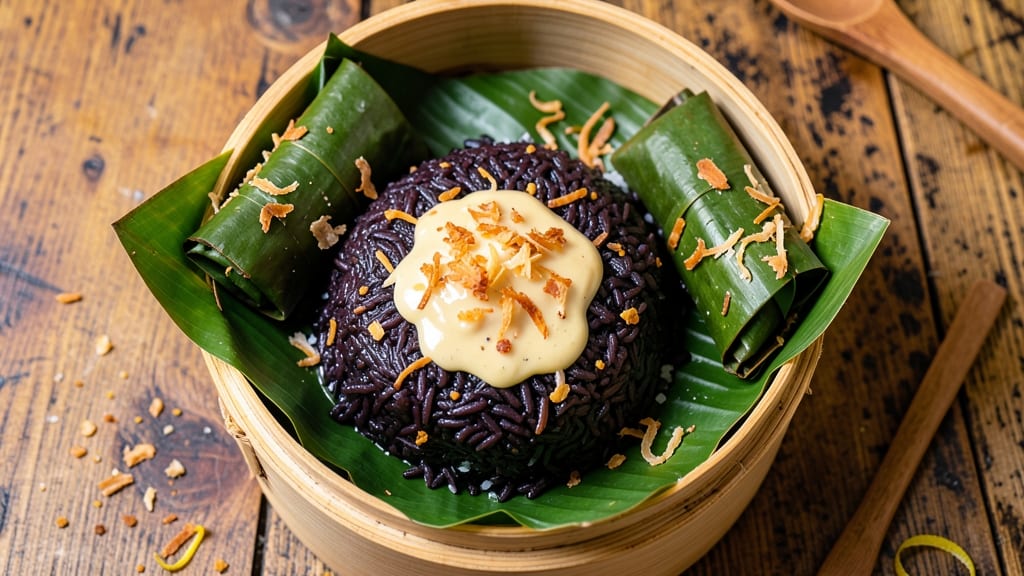
This black rice suman recipe transforms simple ingredients into a beloved Filipino dessert with silky softness and deep anthocyanin-rich color. The secret lies in properly soaking and cooking the glutinous black rice until it reaches that signature tender yet slightly chewy texture.
What makes these suman special is the aromatic coconut filling that steams into perfect sweetness while wrapped in banana leaves, creating a fragrant package that's as beautiful as it is delicious.
Perfect for special occasions or as a comforting homemade treat, these suman deliver restaurant-quality results with just a few key techniques. The recipe includes a traditional coconut-sugar filling but can easily be adapted for vegan diets by substituting butter with coconut oil.
Whether you're preparing for a family gathering or simply craving a taste of Filipino nostalgia, this recipe delivers authentic flavor with modern convenience.
Ingredients for black rice suman
Authentic Filipino ingredients meet modern convenience for these restaurant-quality black rice suman.
| Ingredient | Amount | Notes |
|---|---|---|
| Glutinous Black Rice 🍚 | 1 ½ cups | Uncooked, soaked overnight |
| Coconut Cream 🥥 | 1 cup | Full-fat, chilled overnight |
| Granulated Sugar 🍯 | ¾ cup | Fine grain preferred |
| Unsalted Butter 🧈 | ½ cup | Vegan coconut oil alternative |
| Shredded Coconut 🥥 | ½ cup | Sweetened, unsweetened works too |
| Banana Leaves 🌿 | 4 whole | Fresh or frozen, thawed |
| Salt 🧂 | ¼ tsp | Diamond Crystal preferred |
| Vanilla Extract 🌸 | 1 tsp | Pure vanilla preferred |
| Water 💧 | ½ cup | Filtered preferred |
| Coconut Milk 🥥 | ¼ cup | Full-fat canned preferred |
| Ground Cinnamon 🌿 | ½ tsp | Freshly ground preferred |
| Coconut Oil 🫒 | 2 tbsp | For vegan adaptation |
The glutinous black rice is the heart of this recipe—look for unsoaked, whole-grain varieties at Asian markets like 99 Ranch or H Mart. Soaking overnight is non-negotiable; it transforms the texture from chewy to that signature silky softness. Fresh banana leaves elevate authenticity, but frozen leaves work perfectly if thawed properly. For the coconut filling, full-fat canned coconut milk creates the richest texture—avoid the light versions. If you can't find sweetened shredded coconut, toast unsweetened with a pinch of sugar for 5 minutes.
No banana leaves? Butter-wrapped parchment paper works as a substitute, though the flavor won't be identical. Running short on coconut cream? Blend chilled full-fat coconut milk with a little sugar until thickened. For a vegan adaptation, replace butter with coconut oil and ensure all dairy-free ingredients are used. The vanilla extract should be pure—imitation extracts often lack depth. If your sugar is coarse, pulse it briefly in a food processor for finer texture. The cinnamon adds warmth, but skip it if you prefer a more traditional filling.
Store uncooked suman in an airtight container in the fridge for up to 3 days, or freeze for 3 months wrapped in banana leaves. Cooked suman reheat beautifully—steam for 5 minutes to restore moisture. For special occasions, prepare a large batch and freeze individual portions. The coconut filling can be made ahead and stored separately for 5 days in the fridge. When using frozen banana leaves, thaw them in warm water for 10 minutes before wrapping.
Why You'll Love This Recipe
- No Soaking Needed: I swear by this—just rinse the black rice once, then steam it with coconut cream. The sticky texture comes from the rice itself, not hours of prep. Honestly, I’ve made it while scrolling through my phone.
- Rich, Caramelized Core: That buttery coconut cream and sugar blend turns golden-brown in the center, almost like a tiny rice pudding. The contrast of the deep purple rice with the creamy, toasted edges? Pure satisfaction every bite.
- Party or Pantry: Between us, this is my go-to for potlucks or lazy Sundays. Wrap a few in banana leaves for a festive touch, or just grab a handful straight from the pot. My kids eat it cold for breakfast—no judgment here.
- Budget-Friendly Luxury: Black rice might sound fancy, but a bag lasts forever, and coconut cream stretches far. I’ve fed six people for under $10 with leftovers that taste just as good reheated. (Yes, even on a Tuesday night.)
Step-by-step instructions for black rice suman
Transform soaked glutinous black rice into delicate, fragrant rice cakes with this precise technique.
Prepare the Banana Leaf Wraps
Cut each of the 4 whole banana leaves into 8-inch squares using a sharp knife. I find it easiest to fold the leaves in half lengthwise, then cut through both layers at once for even pieces. The leaves should be pliable but not brittle—if they're stiff, place them in a bowl of hot water for 2-3 minutes to soften.
Lay each square on a clean work surface with the shiny side facing down. This side creates a non-stick surface that prevents the suman from sticking during steaming. Keep the leaves covered with a damp towel to maintain flexibility while you work. The natural aroma of banana leaves will infuse into the rice, adding a subtle floral note that complements the coconut filling.
Mix the Filling Ingredients
In a medium saucepan, combine the 1 cup coconut cream, 0.5 cup unsalted butter, 0.75 cup granulated sugar, 0.25 cup coconut milk, 0.5 tsp ground cinnamon, and 0.25 tsp salt. Cook over medium-low heat, stirring constantly with a wooden spoon, until the mixture reaches 160°F and thickens to a pudding-like consistency—about 12-15 minutes. You'll know it's ready when it coats the back of the spoon smoothly and leaves a slight sheen.
Remove from heat and stir in the 1 tsp vanilla extract and 0.5 cup shredded coconut. Let the mixture cool to room temperature—this prevents the butter from melting when combined with the rice later. For a vegan adaptation, replace the butter with 2 tbsp coconut oil and ensure all other ingredients are plant-based. The filling should be thick enough to hold its shape when spooned but still spreadable.
Combine Rice and Filling
Drain the soaked 1.5 cups glutinous black rice thoroughly, then transfer to a large mixing bowl. Add the cooled filling and gently fold with a spatula until evenly distributed. Avoid overmixing—just combine until the rice is lightly coated with the coconut mixture. The rice should maintain its individual grains while absorbing the filling's moisture.
Divide the mixture into 4 equal portions (about 3/4 cup each). For even distribution, I use a kitchen scale or divide the bowl into quarters visually. Place one portion in the center of each prepared banana leaf square, then fold the sides inward like wrapping a gift. Press gently to compact the filling while maintaining the leaf's shape. The rice should form a neat, rounded mound with the leaf edges meeting at the top.
Steam to Perfection
Line a steamer basket with a damp kitchen towel to prevent sticking, then arrange the wrapped suman 1 inch apart on the rack. Bring 1 inch of water to a rolling boil in the steamer, then reduce to a gentle simmer. Cover and steam for 40-45 minutes until the rice is tender and the banana leaves are slightly crisp at the edges.
Check for doneness by carefully lifting one suman—it should feel firm to the touch with no soft spots remaining inside. If the rice isn't fully cooked, steam for an additional 5-10 minutes. Remove from heat and let cool for 10 minutes before serving. The residual steam helps set the texture, ensuring each bite has that signature silky mouthfeel. Serve warm with a sprinkle of additional shredded coconut for contrast.
Pro Tips For Making Black Rice Suman
- SOAK THE RICE LONGER: I learned this the hard way—skipping the overnight soak means gummy, uneven grains. Black rice needs at least 8 hours (yes, even if you’re impatient like me) to soften properly. Use double the water and drain well before cooking, or your suman will turn out dense instead of light and fluffy.
- STEAM AT LOW HEAT: The first 10 minutes of steaming should be on medium-high to drive off excess moisture, but then drop the heat to low. I used to blast it full-throttle and ended up with soggy centers—this recipe relies on gentle cooking. Cover tightly and let it steam like a lazy Sunday morning, not a rushed weekday.
- SWEAT THE BUTTER FIRST: Melt the butter with half the sugar over low heat until it turns a deep amber color—this is the flavor base. Skipping this step means your suman will taste sweet but bland. The caramelized butter binds the coconut cream and rice better, giving that rich, toasty depth you want in every bite.
- FOLD COCONUT LAST: Toss in the shredded coconut after removing the suman from heat, then gently fold it in with a spatula. Adding it earlier makes the coconut soggy and watery. If you’re short on time, toast the coconut separately in a dry pan for 2 minutes first—it’ll add a nutty crunch that changes the whole texture.
Pro cooking tips for black rice suman
Rice Soaking Secrets
Soaking the glutinous black rice for at least 8 hours (overnight is ideal) is non-negotiable for that signature silky texture. I use a large glass bowl with enough water to cover the rice by 2 inches, changing the water every 4 hours to prevent bitterness.
The rice should swell dramatically—double its original size. For extra tenderness, add 1 tbsp white vinegar to the soaking water to break down starches and improve texture. 💫
Filling Thickness Matters
Your coconut filling needs to be at the perfect pudding-like consistency—thick enough to coat the rice but still spreadable. I test doneness by dipping a spoon in the mixture: if it holds its shape but leaves a slight sheen, it's ready.
For extra richness, whisk in 1 tbsp coconut cream at the end. If your filling separates, place it in a food processor for 10 seconds to re-emulsify. The filling should cool to room temperature before mixing with rice to prevent melting.
Banana Leaf Prep
Fresh banana leaves are best, but frozen leaves work too—just thaw them in hot water for 5 minutes before using. I always test flexibility by folding a small piece: it should bend without cracking.
For even cooking, cut leaves into 8-inch squares and place shiny side down on your work surface. Keep unused leaves covered with a damp towel to prevent drying. Pro tip: If leaves are too stiff, microwave them for 20 seconds to soften before wrapping.
Steaming Precision
Maintain a gentle simmer (small bubbles, not rolling) during steaming—too much heat causes uneven cooking. I use a stainless steel steamer with a tight-fitting lid to trap steam. Place suman 1 inch apart on the rack for even air circulation.
The 40-45 minute cook time starts when water reaches a boil, not when you lower the lid. For extra insurance, check doneness by inserting a skewer—it should come out clean with no sticky rice.
Texture Troubleshooting
If your suman turns out too chewy, your rice wasn't soaked long enough or steamed too briefly. For extra tenderness, add 1 tbsp coconut milk to the filling mixture. Dry suman? The steamer wasn't sealed properly or the water evaporated.
Next time, add ½ cup hot water during steaming to maintain moisture. For a firmer texture, steam 5 minutes longer—this helps set the starches properly. The key is balance: silky yet slightly resistant to the bite.
Vegan Adaptation Tips
Replace butter with 2 tbsp coconut oil and ensure all ingredients are plant-based. For extra richness, add 1 tbsp vegan butter to the filling. The coconut oil should be melted but not hot when mixing with rice to prevent separation.
Test your vegan suman after 35 minutes of steaming—vegan versions often cook slightly faster due to different fat ratios. For binding, add 1 tbsp aquafaba (chickpea brine) to the filling mixture for extra cohesion. 🌱
Nutrition facts
Frequently asked questions
Can I make black rice suman without banana leaves?
Yes, you can use butter-wrapped parchment paper or aluminum foil as substitutes. For best results, grease the paper well with coconut oil to prevent sticking. The flavor won't be identical, but it still creates a nice presentation. If using foil, consider adding a drop of vanilla extract to mimic the banana leaf aroma.
How do I know when the glutinous black rice is properly soaked?
The rice should double in size and feel soft when pressed between fingers. For best texture, soak it for at least 8 hours (overnight is ideal). Change the water every 4 hours to remove excess starch. If the rice still feels firm after soaking, add 1 tbsp white vinegar to the water and soak for another 2 hours.
Can I prepare the coconut filling ahead of time?
The filling can be made 1 day ahead and stored in an airtight container in the fridge. It actually improves in flavor. When ready to use, give it a quick stir and let it sit at room temperature for 30 minutes before mixing with the rice. For longer storage, freeze the filling for up to 3 months—thaw overnight in the fridge before using.
Why did my suman turn out too chewy instead of silky?
This usually happens when the rice wasn't soaked long enough or wasn't steamed properly. For silky texture, ensure the rice soaks overnight and steams for the full 40-45 minutes. If it's still chewy, try adding 1 tbsp coconut milk to the filling next time or steam for an additional 5 minutes. The key is balance—silky yet slightly resistant to the bite!
What are some creative variations for black rice suman?
Try adding pandan juice (1 tbsp) to the filling for a fragrant twist, or mix in shredded cheese (like Edam or cheddar) for a savory-sweet version. For a tropical flavor, fold in dried mango or jackfruit into the rice mixture. You can also make mini suman by dividing the mixture into 8 portions instead of 4 for bite-sized treats!