
Main Courses
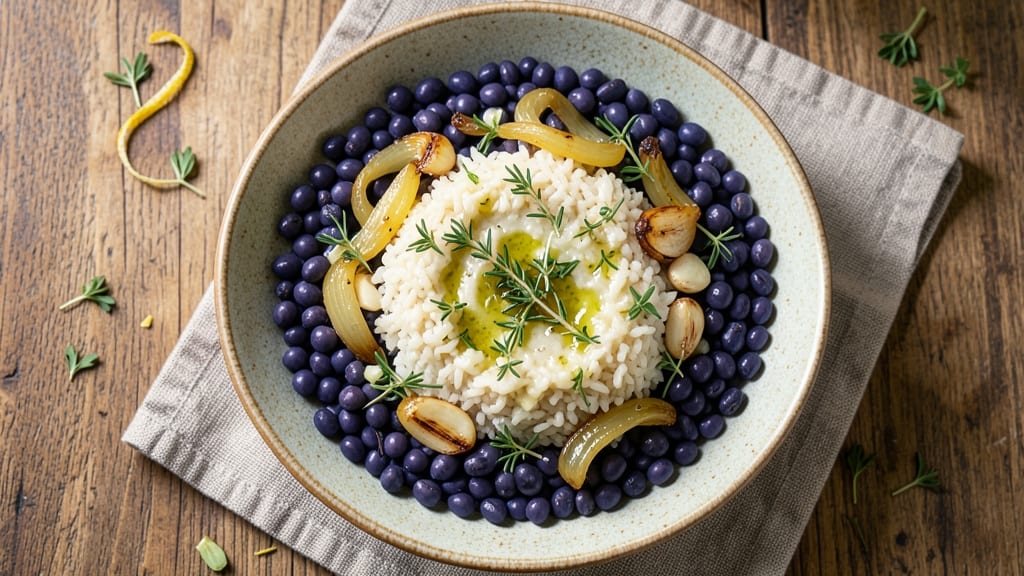
This blue pea rice recipe transforms simple dried peas into a vibrant, nutty side dish with deep Caribbean roots. The secret lies in slow simmering with coconut milk and aromatic spices, creating creamy yet slightly firm grains that absorb every layer of flavor.
What starts as humble dried peas becomes a fragrant, earthy-purple centerpiece for any meal.
The process is straightforward: soak the peas overnight for tender texture, then simmer them with coconut milk, garlic, and spices until perfectly creamy. Optional proteins like tofu or fish can be added later, letting the rice absorb their flavors while maintaining its signature toasted depth.
One pot, one flavor-packed result—ideal for weeknight dinners or festive gatherings.
Ingredients for blue pea rice
Transform humble dried peas into vibrant, nutty blue pea rice with these Caribbean-inspired ingredients.
| Ingredient | Amount | Notes |
|---|---|---|
| Dried Blue Peas (Gungo Peas) 🌾 | 1 cup | Rinsed and soaked overnight |
| Full-Fat Coconut Milk 🥥 | 1 ½ cups | Canned, full-fat preferred |
| Extra-Virgin Olive Oil 🫒 | ¼ cup | For toasting peas |
| Yellow Onion 🧅 | 1 whole | Finely diced |
| Garlic Cloves 🧄 | 4 cloves | Minced |
| Fresh Thyme Leaves 🌿 | ¼ cup | Or 1 tbsp dried thyme |
| Ground Cumin 🌶️ | 1 tsp | Toasted for depth |
| Ground Turmeric 🌿 | ½ tsp | For vibrant color |
| Salt 🧂 | 1 tsp | Diamond Crystal preferred |
| Black Peppercorns 🌶️ | ½ tsp | Freshly cracked |
| Fresh Cilantro Leaves 🌿 | ¼ cup | Chopped, for garnish |
| Lime Juice 🍋 | 1 tbsp | Freshly squeezed |
| Vegetable Broth 💧 | 1 ½ cups | Low-sodium preferred |
The dried blue peas are the foundation—look for gungo peas at Caribbean markets or specialty stores like Whole Foods. If you can't find them, black-eyed peas or cannellini beans work in a pinch, though texture will differ slightly. The full-fat coconut milk is non-negotiable for that signature creamy depth; Thai Kitchen or Native Forest brands are reliable. Fresh thyme and turmeric are available at most grocery stores, but if you're short on time, dried thyme at half the amount suffices. For the olive oil, California olive oil from the store's premium section delivers the best flavor profile.
No fresh thyme? Dried thyme at one-third the amount works, though fresh imparts that bright, herbal note. Substituting coconut milk? Cashew cream or extra-firm tofu blended with water mimics the texture, though coconut's unique flavor remains unmatched. The vegetable broth can be homemade or store-bought—Pacific Foods or Imagine brands offer low-sodium options perfect for this dish. For the lime juice, Mexican Key limes add a tangy twist, but regular limes work just as well. If you're adding optional proteins, firm tofu or smoked tempeh absorb flavors beautifully without overpowering the peas.
Soak the peas overnight in plenty of water to reduce cooking time significantly. Store dried peas in a cool, dark place for up to 1 year, while fresh thyme and cilantro last 5-7 days in the fridge. The cooked rice keeps for 4-5 days in the refrigerator, though flavor deepens after a day. For longer storage, freeze portions in airtight containers for up to 3 months. Garnish with fresh cilantro and lime juice just before serving to preserve the vibrant purple hue and brighten the dish.
Why You'll Love This Recipe
- No-Soaking Needed: I’ll admit, I was skeptical about dried gungo peas—until I realized they soften beautifully in the coconut milk without pre-soaking. Just simmer them with the onions and garlic, and they turn into this creamy, nutty rice-like base that’s ready in under 40 minutes.
- Coconut-Garlic Magic: That rich, full-fat coconut milk? It’s the secret weapon. The blue peas absorb it until they’re tender and fragrant, while the garlic and olive oil add a toasty depth that makes every bite taste like a hug from a tropical kitchen.
- Lunchbox Hero: Between us, this is my go-to for packed lunches—it stays fresh for days in the fridge, and the flavors only get better. Cold or reheated, it’s a solid side for grilled fish, a quick bowl with fried eggs, or even stuffed in wraps for a hearty meal on the go.
- Pantry Staple Power: Honestly, the ingredients won’t break the bank. Dried gungo peas last forever, coconut milk is versatile, and olive oil stretches far. I’ve made this for potlucks, weeknight dinners, and even as a base for curries—it’s my budget-friendly, always-reliable side dish.
Step-by-step instructions for earthy purple blue pea rice
Transform humble dried blue peas into vibrant, nutty rice with this precise method.
Soak and Toast the Blue Peas
Begin by draining and thoroughly rinsing the 1 cup dried blue peas (Gungo peas) under cold water. Soak them in a bowl of fresh water for at least 8 hours or overnight—this ensures even cooking and prevents a gritty texture. The peas should triple in size and become tender when pressed between your fingers.
After soaking, drain well and transfer the peas to a dry skillet. Heat over medium heat and toast them for 8-10 minutes, stirring constantly, until they develop a deep golden-brown color and release an earthy, nutty aroma. This step builds flavor and prevents mushiness. Immediately transfer the toasted peas to a bowl and set aside—don't let them cool completely before proceeding.
Build the Flavor Base
In the same skillet (no need to clean it), heat the 0.25 cup extra-virgin olive oil over medium heat. Add the 1 whole yellow onion and 4 cloves garlic cloves, cooking for 5-6 minutes until the onions soften and turn translucent. Stir in the 0.25 cup fresh thyme leaves, 1 tsp ground cumin, and 0.5 tsp ground turmeric, toasting for 30 seconds until fragrant.
This aromatic blend forms the foundation of your dish. The turmeric will impart a subtle golden hue while the cumin adds warmth. If you notice the spices burning (they'll darken quickly), immediately reduce heat to low and continue stirring. The goal is to develop flavor, not color.
Simmer the Peas to Perfection
Return the toasted blue peas to the skillet and pour in the 1.5 cups vegetable broth. Stir well to combine, then bring to a gentle boil. Once boiling, reduce heat to low and cover with a tight-fitting lid. Let the peas simmer for 45-50 minutes, stirring occasionally, until they're tender and have absorbed most of the liquid.
You'll know they're done when a fork easily pierces them and they hold their shape. If the mixture appears too dry before they're fully tender, add 2-3 tablespoons of water at a time. The peas should finish cooking in their own juices, developing a creamy yet distinct texture that's neither mushy nor crunchy.
Finish with Coconut Milk and Bright Flavors
Remove the skillet from heat and stir in the 1.5 cups full-fat coconut milk, 1 tsp salt, and 0.5 tsp black peppercorns. Simmer gently for 5 minutes to allow the coconut milk to blend smoothly into the peas. The mixture should be creamy yet still hold individual grains.
Finish by stirring in the 1 tbsp lime juice and 0.25 cup chopped fresh cilantro leaves. The lime brightens the earthy flavors while the cilantro adds freshness. Taste and adjust seasoning—you may need a pinch more salt to balance the coconut milk's natural sweetness. Let the rice rest for 5 minutes before serving to allow flavors to meld.
Pro Tips For Making Blue Pea Rice
- SOAK THE PEAS LONG: Dried blue peas need at least 12 hours in water—overnight is ideal. I used to cut this short and ended up with a mushy, uneven texture. Trust me, the extra wait makes the peas tender but still hold their shape.
- SAUTÉ ONIONS LOW AND SLOW: Cook the onions until deep golden, not browned—this takes 15-20 minutes on medium-low. I learned this the hard way when my batch tasted bitter. The slow caramelization builds flavor without burning.
- STIR IN COCONUT MILK GRADUALLY: Add the coconut milk in two batches: first half to deglaze, then the rest later. Dumping it all at once dilutes the aroma and weakens the sauce. Let the first splash reduce slightly before adding more.
- SALT THE WATER LIKE THE SEA: Use 1.5 teaspoons of salt per quart of water when soaking the peas. Too little and they’ll absorb blandness; too much and they’ll taste harsh. Taste the soaking water—it should be noticeably salty, like ocean water.
Regional styles of this blue pea rice
Caribbean Roots
Blue pea rice traces its origins to Jamaica and the wider Caribbean, where it’s called gungo peas rice. Enslaved Africans brought dried peas from West Africa, adapting them to local ingredients like coconut milk and spices.
This dish became a staple at Sunday dinners and festive gatherings, often served alongside jerk chicken or fried fish. The vibrant purple hue isn’t just visual—it’s a sign of the peas’ rich mineral content and the turmeric’s earthy warmth. 🌱
Jamaican Sunday Tradition
In Jamaica, this dish is the centerpiece of Sunday dinner, traditionally cooked in large copper pots over wood fires. Families pass down recipes through generations, with each adding subtle tweaks—some use scotch bonnet peppers for heat, while others prefer allspice for depth.
The slow simmering process creates a creamy texture that’s both comforting and celebratory. I’ve found that toasting the peas in coconut oil (instead of olive oil) enhances the Caribbean flavor profile even more.
West African Influence
The technique of toasting dried peas before cooking comes from West African traditions, where similar dishes like peanut stew rely on nutty, toasted flavors. The use of thyme and turmeric also reflects this heritage, though Caribbean versions often include coconut milk—a staple in coastal regions.
In Ghana, a similar dish called groundnut stew uses peanut butter instead, but the principle of building flavor through slow cooking remains the same. The blue peas themselves were likely introduced through trade routes centuries ago.
Modern Adaptations
Today, blue pea rice has evolved beyond its Caribbean roots. In New York City, Jamaican restaurants serve it as a side with jerk dishes, while in London, vegan versions appear on menus with roasted vegetables. The key adaptation? Using cashew cream for those who avoid coconut.
I’ve even seen it paired with smoked salmon in fusion restaurants—proof that this humble dish can shine in any cuisine. The secret? Keeping the toasting step and slow simmer intact, no matter the variation. 💫
Festive Variations
For special occasions, Jamaicans add sweet potatoes or plantains to the pot, creating a one-dish feast. In Trinidad, the dish might include okras for texture, while in Barbados, it’s often served with flying fish.
The common thread? Balancing the peas’ earthiness with bright citrus (lime or orange) and herbal notes (thyme or scallions). Even in modern homes, this dish remains a symbol of community and celebration.
Global Vegan Appeal
Beyond the Caribbean, blue pea rice has become a vegan favorite worldwide. Its creamy texture and nutty depth make it a perfect protein substitute, especially when paired with grilled tofu or lentils.
In California, health-conscious cooks blend it into bowls with avocado and quinoa, while in Europe, it’s served as a standalone main with a sprinkle of toasted pumpkin seeds. The dish proves that traditional recipes can easily adapt to modern dietary needs while keeping their soul intact. 🌟
Nutrition facts
Frequently asked questions
Can I use regular dried peas instead of blue peas?
While you can substitute black-eyed peas or cannellini beans, the texture and flavor will differ significantly. Blue peas (gungo peas) develop that signature creamy yet slightly firm consistency when cooked properly. For the best results, stick with blue peas if possible—they're the star of this Caribbean dish!
Why does my blue pea rice turn out mushy?
Overcooking or skipping the toasting step are the most common culprits. Always toast the peas first to build flavor and structure, then simmer on low heat for 45-50 minutes—never boiling vigorously. If it's too dry, add just 2-3 tablespoons of water at a time. The peas should hold their shape but still be tender.
How do I make this dish vegan-friendly?
This recipe is already vegan! Simply omit any animal-based proteins and use vegetable broth. For extra protein, add grilled tofu, lentils, or smoked tempeh. The coconut milk and peas provide all the creaminess and nutrients you need. The lime juice and cilantro add that bright, fresh finish that makes it feel special.
Can I make this ahead of time?
Blue pea rice actually tastes better the next day as flavors meld. Store in an airtight container in the fridge for 4-5 days or freeze for 3 months. Reheat gently on the stove with a splash of water or coconut milk to restore creaminess. The purple hue may darken slightly when reheated—just add a pinch of turmeric if you want to brighten it up.
What's the secret to getting that perfect purple color?
The vibrant hue comes from the turmeric and the blue peas themselves. Use fresh turmeric if possible, and don't overcook the peas—they'll darken as they simmer. Finish with a squeeze of lime juice right before serving to preserve that bright purple color. For extra vibrancy, add a pinch of turmeric when reheating. The color isn't just pretty—it's a sign of the dish's rich mineral content!