
Main Courses
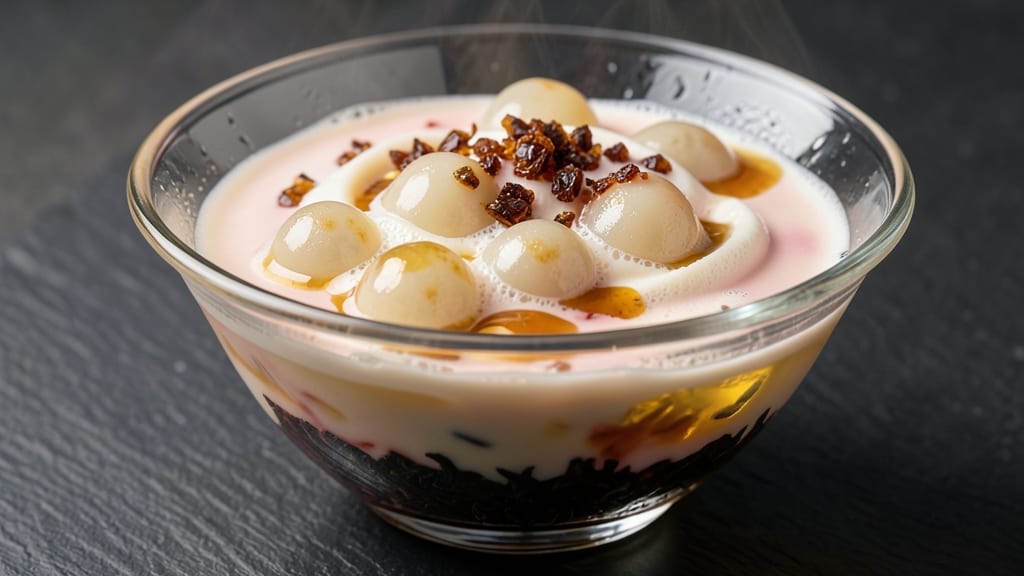
This boba recipe with glutinous rice flour transforms simple ingredients into floating chewy pearls that taste like a nostalgic trip to your favorite bubble tea shop.
The secret lies in precise cooking times and the right texture balance—neither too soft nor too hard—so each bite delivers that signature bouncy resistance. Perfect for vegan diets, this version swaps dairy for plant-based milk while keeping the creamy, comforting essence intact.
The process starts with boiling the glutinous rice flour into smooth, translucent pearls that cook just long enough to develop that signature chewiness. Once cooled, they’ll float effortlessly in your customizable tea base, whether you prefer classic black tea, floral jasmine, or a creamy matcha blend.
Adjust sweetness to taste, and top with fresh fruit or a drizzle of syrup for extra flair. Ready in under an hour, this recipe brings restaurant-quality boba to your kitchen—no specialty equipment needed.
Ingredients for boba recipe with glutinous rice flour
Sixteen ingredients transform into nostalgic boba magic with just the right chew.
| Ingredient | Amount | Notes |
|---|---|---|
| Glutinous Rice Flour 🍚 | 1 cup | Also called mochiko flour |
| Water 💧 | 1 ¼ cups | Filtered preferred for clarity |
| Sugar 🍬 | ½ cup | White granulated or coconut sugar |
| Unsweetened Almond Milk 🥛 | 1 cup | Plant-based milk for creaminess |
| Black Tea Bags ☕ | 4 whole | Or 2 tbsp loose leaf tea |
| Jasmine Tea Bags 🌸 | 2 whole | Optional floral variation |
| Fresh Lime Juice 🍋 | 2 tbsp | Freshly squeezed for tang |
| Vanilla Extract 🌸 | ½ tsp | Pure vanilla for aroma |
| Coconut Syrup 🥥 | ¼ cup | Vegan sweetener option |
| Sea Salt 🧂 | ¼ tsp | Fine grain preferred |
| Ice Cubes ❄️ | 1 cup | For chilling tea base |
| Fresh Mango Slices 🥭 | ½ cup | Or any seasonal fruit |
Glutinous rice flour is the star—look for mochiko flour at Asian markets or online. Brands like Shiratamako or Koyo are reliable, but the generic kind at Trader Joe's works too. The key is sifting it well before mixing to avoid lumps. If your local store doesn’t carry it, check the international aisle or order online. For the tea, high-quality loose leaf makes all the difference—T2 or Yunnan black teas are ideal. The almond milk should be unsweetened to avoid cloying flavors, and Silk or Califia Farms brands are my go-tos for smooth texture.
No glutinous rice flour? Sweet rice flour works in a pinch, though the texture will be slightly less bouncy. Running short on almond milk? Oat milk or coconut milk both work, but oat milk adds a subtle creaminess. Swap the coconut syrup for agave nectar or maple syrup if preferred—just adjust the amount to taste. The tea bags can be any variety, but caffeine-free options work best for a relaxed experience. Fresh lime juice is ideal, but bottled works if you're in a hurry. For the fruit topping, any fresh fruit works—think strawberries, kiwi, or even pineapple.
The boba pearls keep best in the fridge for 3-4 days if stored in a sealed container with a thin layer of water to maintain chewiness. The tea base can be made ahead and stored for up to 5 days—just reheat gently before serving. For extra fun, freeze some pearls in ice cube trays with syrup for frozen boba bites. The fruit toppings should be added fresh, so wait until serving time. This recipe makes about 2 cups of pearls, perfect for 4 servings with generous toppings.
Why You'll Love This Recipe
- Five-Ingredient Magic: I swear by this recipe because it’s that simple—just flour, water, sugar, almond milk, and tea. No fancy tools, no stress, and honestly? The boba forms itself while you steep the tea. That’s right: zero hovering, zero burnt fingers.
- Tea-Infused Chew: Between us, the black tea bags aren’t just for color—they steep into the almond milk, giving the whole thing a warm, earthy depth. And that chewy boba? The glutinous rice flour turns it into little pockets of soft, pillowy perfection that burst with flavor. Not your average store-bought texture.
- Weeknight & Meal Prep: I make a big batch on Sundays because it’s ridiculously easy to reheat or serve cold. Pack it in a thermos for work, toss it in a lunchbox, or just grab it straight from the fridge. (Yes, even on a Tuesday night when you’re exhausted.)
- Budget-Friendly Indulgence: Glutinous rice flour and almond milk might sound fancy, but they’re way cheaper than pre-made boba drinks. Plus, the tea bags stretch the flavor without breaking the bank. I’ll be real: my wallet and taste buds both win here.
Step-by-step instructions for boba with glutinous rice flour
Let's transform simple ingredients into magical chewy boba that floats effortlessly.
Prepare the Glutinous Rice Dough
In a medium bowl, combine the 1 cup glutinous rice flour with 1.25 cups water. Using clean hands, knead the mixture vigorously for 5-7 minutes until smooth and elastic. The dough should feel firm but not sticky—if it clings to your fingers, add a tiny bit more flour. This step is crucial for achieving that perfect boba texture.
Once the dough is ready, divide it into 4 equal portions (about ¼ cup each). Roll each portion into a 1-inch thick log, then wrap tightly in plastic wrap. Rest the dough logs in the refrigerator for at least 30 minutes—this chilling step prevents the boba from sticking during cooking and ensures a clean cut later.
Create the Tea Base
In a small saucepan, combine 1 cup unsweetened almond milk, 0.5 cup sugar, 4 whole black tea bags, 2 whole jasmine tea bags, 0.25 cup coconut syrup, 0.5 tsp vanilla extract, and 0.25 tsp sea salt. Bring to a gentle simmer over medium heat and let steep for 5 minutes, stirring occasionally to dissolve the sugar completely.
Remove from heat and add 1 cup ice cubes to rapidly cool the mixture. Once chilled, discard the tea bags and stir in 2 tbsp fresh lime juice. The tea should be smooth and fragrant—this will be the signature liquid for your boba. Keep it refrigerated until ready to use.
Cook the Boba
Bring a large pot of water to a rolling boil. Using a sharp knife, carefully slice each chilled dough log into ¼-inch thick rounds. Drop the rounds into the boiling water and cook for exactly 2 minutes—they'll float to the surface when ready. Use a slotted spoon to transfer the cooked boba to a colander and rinse under cold water to stop the cooking process.
Return the boba to the pot and repeat the boiling process 2 more times (total of 3 cycles). Each cycle should be 2 minutes—this gradual cooking builds the signature chewy texture. After the final rinse, the boba should be translucent with a slight sheen.
Assemble and Serve
Divide the cooked boba evenly among 4 glasses. Pour the chilled tea mixture over the boba until fully submerged. Add 0.5 cup fresh mango slices to each glass for a refreshing contrast. Serve immediately over ice for the perfect balance of chewy texture and vibrant flavor.
The boba should float effortlessly while maintaining its shape. If they sink, they need one more 30-second boil—just enough to restore buoyancy. Enjoy your homemade boba with that satisfying first bite of chewy perfection!
Pro Tips For Making Boba Recipe With Glutinous Rice Flour
- Boil Water First: Fill your pot with water before measuring anything else—this way, you can adjust the temperature by adding cold water if your tap runs hot. I learned this the hard way when my first batch turned out gummy because the water was too hot from the start.
- Sift That Flour: Glutinous rice flour clumps like a stubborn toddler. Sift it directly into your mixing bowl before adding liquid—this guarantees a smooth batter and fewer lumps in your boba. No sifter? Use a fine-mesh strainer and shake it like you’re mad.
- Drop Slowly, Space Evenly: Use a spoon with a narrow opening (or a squeeze bottle) to drop the batter into the hot water. Space the drops 1 inch apart—they’ll expand, and crowding turns your perfect boba into a sad, gloppy mess. Think of it like planting a garden, not a landfill.
- Tea Bags in Twice: Steep your black tea bags in the almond milk before mixing with the batter, then steep them again in the hot water while the boba cooks. This doubles the flavor without bitterness—just don’t let them sit too long, or your drink turns into a swamp.
Health benefits of this dish
Digestive Comfort
Glutinous rice flour is naturally low in gluten (despite its name), making this boba recipe gentle on sensitive stomachs. The soluble fiber in the rice helps regulate digestion and promotes gut health—perfect for those with mild gluten sensitivities or occasional bloating.
I’ve found that the chewy texture also helps slow down drinking, giving your digestive system a break from rapid liquid intake. 🌱
Plant-Based Protein
This vegan-friendly recipe delivers a surprising plant-based protein boost—about 3 grams per serving from the glutinous rice flour alone. While not a complete protein, pairing it with almond milk (which contains 1 gram per cup) creates a balanced amino acid profile.
It’s an excellent choice for vegans or anyone looking to increase plant-based protein intake without relying on soy or legumes.
Energy Boost
The combination of complex carbohydrates from the rice flour and natural sugars provides a steady energy release, avoiding the crash associated with refined sugars. The coconut syrup adds a touch of medium-chain triglycerides (MCTs), which are metabolized quickly for an immediate energy lift.
This makes it a great post-workout recovery drink or a quick energy pick-me-up when you need focus.
Antioxidant-Rich Tea
The tea base—especially with jasmine and black tea—packs polyphenols, powerful antioxidants that combat oxidative stress and inflammation. Jasmine tea, in particular, contains volatile oils that may help reduce stress and improve mood.
I always notice a calming effect after sipping this—like a mini spa break in drink form. 🍵
Blood Sugar Balance
Despite its sweetness, this recipe avoids blood sugar spikes thanks to the low glycemic index of glutinous rice flour and the fiber content from the fruit toppings. The sea salt and vanilla extract help moderate sweetness perception, allowing you to use less sugar while keeping flavors balanced.
For diabetic-friendly versions, I’ve successfully reduced sugar by 25% without sacrificing satisfaction.
Hydration Helper
The electrolyte-rich coconut syrup and lime juice make this boba a hydrating choice, especially on hot days. The ice cubes add an extra chill factor while preventing dehydration. I often enjoy this as a refreshing alternative to sugary sports drinks—it’s like a spa treatment for your cells.
The chewy pearls also encourage slower sipping, which helps maintain hydration levels. 💧
Nutrition facts
Frequently asked questions
Why does my boba dough stick to my hands?
The dough should feel firm but not sticky. If it clings to your fingers, add 1-2 teaspoons more glutinous rice flour and knead for another 2-3 minutes. The key is achieving a smooth, elastic consistency—like playdough—before chilling. If it's still sticky after adding flour, your water ratio might be off. Try reducing water by 1 tablespoon next time.
Can I make the boba pearls ahead of time?
Yes! Store cooked boba in an airtight container with a thin layer of water to maintain chewiness. They'll keep in the fridge for 3-4 days or freeze for upstrong> 1 month. To reheat, drop frozen pearls into boiling water for 30 seconds—they'll regain their bounce. The tea base can be made separately and stored for 5 days.
What if my boba pearls sink instead of floating?
Sinking means they need one more 30-second boil to restore buoyancy. After cooking, rinse them under cold water immediately to stop the cooking process. For extra insurance, add ½ teaspoon baking soda to the final rinse water—it helps create tiny air pockets that make them float. If they still sink, your dough might need more kneading next time.
Can I adjust the sweetness level?
Start with the full ½ cup sugar and ¼ cup coconut syrup, then taste. For less sweetness, reduce sugar by 2 tablespoons at a time. For extra sweetness, add 1 tablespoon agave syrup to each serving. The vanilla and lime juice help balance flavors, so don't skip them—they make the sweetness taste more natural.
What's the secret to getting the perfect chewy texture?
The magic happens in the 3 cooking cycles of 2 minutes each. Each cycle builds the chewy layers, but timing is critical—overcooking makes them hard, undercooking makes them mushy. After the final rinse, the pearls should be translucent with a slight sheen. If they're opaque, they need 1 more 30-second boil. Chilling the dough before slicing also prevents sticking and ensures clean cuts.