
Main Courses
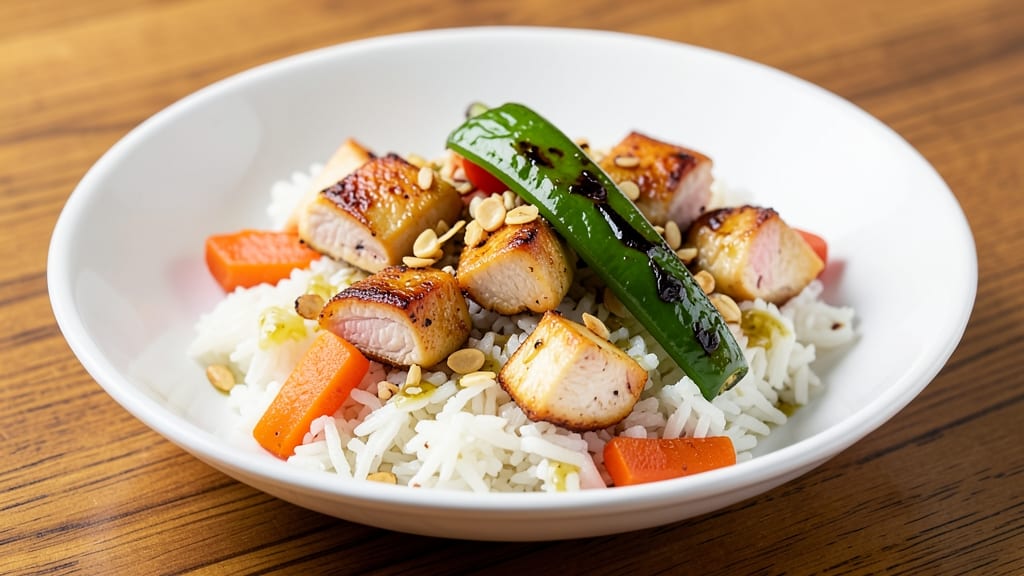
These boiled rice recipe ideas transform simple grains into the foundation for effortless, protein-packed meals—no fancy techniques required. The secret lies in mastering the perfect water-to-rice ratio (1:2) and letting the rice steam undisturbed for 15 minutes after boiling. This method guarantees fluffy, evenly cooked grains every time, ready to absorb flavors or stand alone as a satisfying base.
What makes this approach truly versatile is its adaptability—pair with scrambled eggs for a quick breakfast, stir-fry with vegetables for a light lunch, or serve as a canvas for bold sauces like teriyaki or curry.
The one-pot simplicity cuts down on cleanup while delivering restaurant-quality texture, proving that even the most basic ingredients can become the star of your meal.
Ingredients for boiled rice recipe ideas
Simple grains meet bold flavors in these one-pot meals—effortless protein-packed combinations for any time of day.
| Ingredient | Amount | Notes |
|---|---|---|
| Long-Grain White Rice 🍚 | 1 cup | Uncooked, rinsed thoroughly |
| Large Eggs 🥚 | 4 whole | Fresh, room temperature |
| Chicken Breast 🍗 | 1 lb | Boneless, skinless, cubed |
| Baby Carrots 🥕 | 1 cup | Whole or sliced into sticks |
| Green Bell Pepper 🧅 | 1 whole | Diced, seeds removed |
| Garlic Cloves 🧄 | 3 cloves | Minced for even distribution |
| Low-Sodium Chicken Broth 💧 | 2 cups | Homemade or high-quality store-bought |
| Extra-Virgin Olive Oil 🫒 | 1 tbsp | For sautéing vegetables |
| Diamond Crystal Kosher Salt 🧂 | 1 ½ tsp | Adjust to taste |
| Ground Black Pepper 🌶️ | ½ tsp | Freshly cracked |
| Fresh Parsley 🌿 | ¼ cup | Chopped, for garnish |
| Lemon Juice 🍋 | 1 tbsp | Freshly squeezed |
| Sesame Oil 🫒 | ½ tsp | For finishing (optional) |
The rice is the foundation, so choose long-grain white rice for its ability to stay separate and absorb flavors without becoming mushy. Rinse it thoroughly before cooking to remove excess starch—this prevents gummy texture. For the chicken, look for boneless, skinless cuts at Whole Foods or your local butcher; they hold up better to the one-pot cooking method. If you're short on time, pre-cut chicken breasts from the grocery store's deli section work just as well. The Diamond Crystal kosher salt is a game-changer here—it dissolves easily and enhances flavor without overpowering the dish.
No fresh parsley? Dried parsley at one-third the amount will do, though fresh adds a brighter finish. Swap the green bell pepper for red or yellow bell peppers if that's what you have—color doesn't affect flavor. The chicken breast can be replaced with tofu or chickpeas for a vegetarian option, though cooking times may vary slightly. For extra depth, add a dash of soy sauce or teriyaki glaze to the broth. If you're using frozen vegetables, thaw them first to ensure even cooking and prevent waterlogging the rice.
This one-pot meal reheats beautifully—simply cover and warm on the stove over medium heat for 3-5 minutes. Store leftovers in an airtight container in the fridge for up to 4 days, or freeze portions for 3 months. The rice-to-liquid ratio is key: if you're doubling the recipe, maintain the 1:2 ratio (1 cup rice to 2 cups liquid). For meal prep, cook the rice and protein separately, then combine with fresh vegetables just before serving to maintain crispness.
Why You'll Love This Recipe
- Here’s what sold me: those fried eggs on top of fluffy rice? Absolute game-changer. The yolks stay runny while the whites crisp just enough—every bite is a little flavor explosion. (Yes, even on a Tuesday night.)
- One-Pot Wonder: I swear by this—just dump everything in one pot, simmer, and walk away. No fancy techniques, no extra bowls, no stress. The rice absorbs all the juices from the chicken and veggies, turning into this cozy, flavorful base that feels like a hug.
- Crispy Egg Magic: Here’s what sold me: those fried eggs on top of fluffy rice? Absolute game-changer. The yolks stay runny while the whites crisp just enough—every bite is a little flavor explosion. (Yes, even on a Tuesday night.)
- Leftover Hero: This dish actually improves the next day. Cold rice? No problem. Reheat with a splash of water, crack another egg on top, and boom—breakfast for dinner. My kids fight over the leftovers, and honestly, so do I.
Step-by-step instructions for one-pot protein-packed rice
Transform simple boiled rice into a complete meal with this efficient one-pot method.
Sauté Protein and Vegetables for Flavor Foundation
Heat the 1 tablespoon extra-virgin olive oil in a large pot over medium-high heat. Add the 1 pound cubed chicken breast and cook for 4-5 minutes until the edges turn opaque and the chicken begins to brown. Remove the chicken and set aside temporarily.
In the same pot, add the 1 cup baby carrots and 1 whole diced green bell pepper. Sauté for 3-4 minutes until the carrots soften slightly and the bell pepper becomes tender. Stir in the 3 cloves minced garlic and cook for 30 seconds until fragrant. This step builds the flavor base that will infuse the rice throughout cooking.
Toast the Rice for Enhanced Texture
Add the 1 cup rinsed long-grain white rice to the pot and stir to coat it evenly with the sautéed vegetables and their juices. Toast the rice for 1-2 minutes until it becomes translucent at the edges and slightly fragrant. This toasting step prevents the rice from becoming mushy and adds a subtle nutty flavor.
Here's the thing—don't skip this step. The rice needs to absorb the vegetable flavors before the liquid is added. If you're concerned about burning, keep the heat at medium-high and stir frequently. You'll see the rice grains start to separate slightly—that's your signal to move to the next step.
Simmer with Broth and Seasonings
Pour in the 2 cups low-sodium chicken broth and stir to combine with the rice. Bring the mixture to a gentle boil, then immediately reduce heat to low. Add the 1.5 teaspoons diamond crystal kosher salt and 0.5 teaspoon ground black pepper, stirring well to distribute the seasoning evenly.
Return the chicken to the pot and nestle it into the rice mixture. Cover the pot with a tight-fitting lid and simmer for 15 minutes without lifting the lid. This undisturbed cooking period allows the rice to absorb the liquid evenly and develop its characteristic fluffy texture. If you peek too early, you'll release steam and potentially overcook the rice.
Finish with Eggs and Fresh Herbs
After 15 minutes, remove the pot from heat and let it sit covered for 5 minutes. This resting period allows the rice to complete cooking and absorb any remaining liquid. Stir in the 1 tablespoon lemon juice and 0.5 teaspoon sesame oil (optional) for brightness and depth of flavor.
Create four small wells in the rice using a spoon or fork. Crack the 4 large eggs into these wells, being careful not to break the yolks. Cover the pot again and let the eggs cook in the residual heat for 3-4 minutes until the whites are set but the yolks remain runny. This creates perfectly cooked eggs nestled in flavorful rice.
Garnish and Serve Immediately
Sprinkle the 0.25 cup chopped fresh parsley evenly over the dish. The parsley adds a fresh contrast to the rich flavors and a pop of color. Serve immediately while the eggs are still warm and the rice maintains its perfect texture.
Each serving delivers a balanced meal with protein from the chicken and eggs, fiber from the vegetables, and complex carbohydrates from the rice. The one-pot method ensures minimal cleanup while maximizing flavor development. This dish proves that simple boiled rice can be the foundation for a complete, nutritious meal when paired with the right ingredients and technique.
Pro Tips For Making Boiled Rice Recipe Ideas
- PARBOIL CHICKEN FIRST: I learned this the hard way—cooking raw chicken breast straight into the rice pot turns the water murky and makes the rice gummy. Instead, parboil the chicken for 4-5 minutes in salted water, then drain and slice. The meat stays juicy and the broth stays clear for perfect rice.
- SALT THE RICE WATER: More salt than you think, especially if using unsalted butter or broth. Aim for about 1.5 teaspoons per 2 cups of water—this ensures the rice absorbs flavor evenly and doesn’t taste bland. (Yes, even if you’re impatient like me, wait until the water boils before adding the rice.)
- CUT VEGETABLES UNIFORM: Baby carrots and bell peppers should be roughly the same size—about ½-inch chunks. This guarantees even cooking and prevents some veggies from turning mushy while others stay crunchy. A sharp knife and steady hand make this easier than you’d think.
- USE LESS WATER FOR RICE: The ratio isn’t 1:2 (rice to water)—that’s for steamed rice. For boiled rice, use 1:1.5 (1 cup rice to 1.5 cups water) and let it sit covered for 5 minutes after heat turns off. The residual steam finishes cooking it perfectly. (Your future self will thank you.)
Troubleshooting this recipe
Mushy Rice Fix
If your rice turns out mushy, it’s usually from overcooking or too much liquid. I’ve found that sticking to the 1:2 rice-to-water ratio (1 cup rice to 2 cups liquid) and using a tight-fitting lid prevents steam from escaping.
If you accidentally add too much water, drain the excess through a fine-mesh strainer after cooking. For extra insurance, try the absorption method: cook the rice in broth instead of water—it adds flavor while controlling moisture. 💧
Uneven Cooking
Unevenly cooked rice often happens when heat isn’t distributed evenly. Always use a pot with a tight-fitting lid—preferably a heavy-bottomed one like a Calphalon stainless steel pot or a Le Creuset Dutch oven. Stir the rice briefly after adding liquid to separate the grains, then let it cook undisturbed.
If your stove has hot spots, simmer on the back burner for even heat. I also recommend using a wooden spoon to stir, as metal can scratch nonstick pots and affect heat distribution.
Burnt Bottom
A burnt bottom is a common issue when toasting rice or cooking at too high a heat. To prevent this, keep the heat at medium-high and stir frequently during the toasting step.
If you notice the bottom darkening, immediately reduce the heat to low or move the pot to a cooler part of the burner. For stubborn burnt bits, soak the pot in hot water with baking soda (about 2 tablespoons) for 30 minutes before scrubbing.
A splash of white vinegar in the rinse cycle also helps remove stubborn residue.
Rice Sticking Together
Rice clumping usually means it wasn’t rinsed properly or the grains weren’t separated before cooking. Rinse the rice under cold water in a fine-mesh strainer until the water runs clear—this removes excess starch. After adding liquid, stir the rice gently to separate the grains before covering.
If it still sticks, try fluffing it with a fork after cooking. For extra separation, use a rice cooker or a pot with a built-in steamer basket, which allows steam to circulate more evenly. 🍚
Undercooked Rice
Undercooked rice often results from insufficient liquid or cooking time. Double-check your rice-to-liquid ratio—long-grain white rice typically needs 1.5 to 2 times its volume in liquid.
If the rice is still firm after 15 minutes of simmering, add 2-3 tablespoons of hot water, cover, and cook for another 5 minutes. For quicker results, use a pressure cooker—it cooks rice in just 5-7 minutes while maintaining perfect texture.
Always start with cold water or broth, never hot, to avoid overcooking.
Broth Too Salty
If your broth tastes too salty, it’s likely from the chicken or added seasonings. To fix this, add 1-2 tablespoons of cold water or unsalted broth to the rice pot and stir. The extra liquid will dilute the saltiness slightly.
For a more dramatic fix, drain the rice in a colander, rinse it briefly under cold water, and return it to the pot with fresh, unsalted broth. If you’re using store-bought broth, opt for low-sodium varieties like Pacific Foods or Swanson to avoid this issue altogether.
A pinch of lemon juice or vinegar can also help balance the flavor.
Nutrition facts
Frequently asked questions about boiled rice recipes
Can I use brown rice instead of white rice in this recipe?
Yes, but you'll need to adjust the cooking time and liquid ratio. Brown rice requires 1.5 times its volume in liquid (1 cup rice to 1.5 cups broth) and simmers for 35-40 minutes instead of 15. The texture will be chewier, so it works best in heartier dishes like stir-fries or bowls. For quicker cooking, try parboiled brown rice or a rice cooker with a brown rice setting.
How do I make boiled rice extra flavorful without sauces?
Start by toasting the rice in oil with aromatics like minced garlic, ginger, or onions for 1-2 minutes before adding liquid. Use flavorful broths (chicken, vegetable, or miso) instead of water, and finish with bright acids like lemon juice or vinegar. For depth, stir in a teaspoon of soy sauce or fish sauce during cooking, or top with fresh herbs like cilantro or parsley. A pinch of smoked paprika or cumin adds warmth too!
What are the best proteins to pair with boiled rice?
Lean proteins work best to balance the rice's carbs. For quick meals, try scrambled eggs, shredded rotisserie chicken, or canned tuna. Heartier options include grilled shrimp, pan-seared salmon, or crispy tofu. For budget-friendly choices, use ground turkey, lentils, or black beans. The key is to cook proteins separately and combine them with the rice just before serving to maintain texture.
Can I make this recipe ahead of time?
Yes, but with a few adjustments. Cook the rice and protein separately, then store them in airtight containers in the fridge for up to 4 days. Reheat the rice with a splash of water or broth, and warm the protein in a separate pan. For the eggs, cook them fresh to avoid rubbery yolks. Alternatively, freeze the rice mixture (without eggs) for up to 3 months—just thaw overnight in the fridge before reheating.
Why does my rice always turn out dry?
Dry rice usually means too much heat or insufficient liquid. Always use a tight-fitting lid to trap steam, and simmer on low heat after boiling. If your rice pot has a vented lid, cover it with foil first. For extra moisture, add 1-2 tablespoons of hot water during cooking if the rice seems dry. Using broth instead of water also adds natural moisture while boosting flavor.