
Main Courses
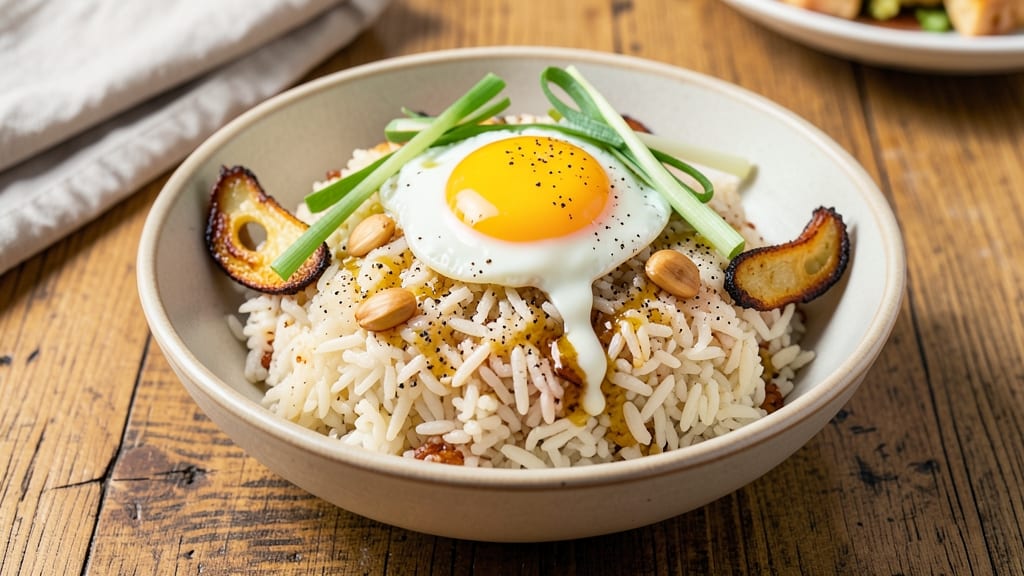
This bonsai fried rice recipe transforms leftovers into edible art—tiny, sculpted portions with wok-tossed crunch and eggy richness. The secret lies in precise shaping and toasted celery for texture contrast, elevating a classic dish into a visually stunning centerpiece.
Every bite delivers the perfect balance of savory, smoky, and slightly sweet flavors while maintaining that signature fried rice texture.
What sets this recipe apart is the technique: cooking rice until just dry, then shaping it into miniature landscapes with careful hand pressure. The eggy richness comes from perfectly scrambled eggs that bind the grains, while toasted celery adds a subtle crunch.
This isn't just food—it's a culinary experience that combines traditional methods with modern presentation, making it ideal for impressing guests or adding flair to any meal.
Ingredients for bonsai fried rice
Four cups of cold rice, four eggs, and celery that transforms into edible art through precise shaping techniques.
| Ingredient | Amount | Notes |
|---|---|---|
| Day-Old Cooked Jasmine Rice 🍚 | 4 cups | Cold, day-old preferred for texture |
| Large Eggs 🥚 | 4 whole | Room temperature for even cooking |
| Celery Stalks 🧅 | 2 whole | Thinly sliced, toasted until crisp |
| Green Onions 🧅 | ¼ cup | White and green parts, chopped |
| Garlic Cloves 🧄 | 4 cloves | Minced, for aromatic base |
| Sesame Oil 🫒 | 1 tbsp | Toasted, for nutty aroma |
| Light Soy Sauce 🥢 | 3 tbsp | Kikkoman preferred for balance |
| Dark Soy Sauce 🥢 | 1 tbsp | For deep umami color |
| Vegetable Oil 🫒 | 3 tbsp | High smoke point for wok hei |
| Salt 🧂 | ½ tsp | Diamond Crystal preferred |
| Black Pepper 🌶️ | ¼ tsp | Freshly cracked for heat |
| Sesame Seeds 🌾 | 1 tbsp | Toasted, for garnish |
| White Pepper 🌶️ | ¼ tsp | For subtle heat without color |
The rice is non-negotiable—day-old, cold, and preferably Jasmine for its delicate floral notes. Trader Joe's sells pre-cooked rice in pouches that work perfectly (just refrigerate overnight). Celery must be thinly sliced and toasted until crisp—this is what creates the signature crunch. For the eggs, room temperature ensures even cooking, and pasture-raised eggs from Crowd Company deliver superior texture. The garlic should be minced finely—almost a paste—to distribute flavor evenly without chunks. Sesame oil adds depth, but toast it gently in the wok first to avoid overpowering bitterness.
No sesame oil? Toasted peanut oil works in a pinch, though the flavor profile shifts slightly. Short on green onions? Scallions or chives substitute at equal measure, but green onions provide the best color contrast. The soy sauces are critical—Kikkoman light for saltiness, Lee Kum Kee dark for umami. If you only have one, use half light and half regular soy sauce. The vegetable oil must have a high smoke point (avocado or grapeseed oil preferred) to achieve proper wok hei without burning. For the shaping technique, use a small, damp spoon to gently press the rice into miniature mounds—think tiny mountains or abstract sculptures.
Store shaped rice in an airtight container with parchment between layers to prevent sticking—keeps for 3 days in the fridge. Reheat gently in a steamer or microwave with a damp paper towel to maintain crispness. The toasted celery loses crunch after 2 days, so prepare it fresh when serving. For presentation, arrange on a slate board with sesame seeds dusted like snow. This dish reheats beautifully but tastes best when served immediately after shaping—a true culinary experience that combines precision with playful presentation.
Why You'll Love This Recipe
- One-Pan Magic: I swear by this recipe when I’ve got nothing but a skillet and a bag of day-old rice. No chopping boards, no extra pans—just toss everything in one spot, and it’s done. That celery and garlic? They caramelize right into the rice, so you’re not just frying—you’re building flavor.
- Umami Bomb: The eggs here aren’t just scrambled—they’re silky in the center, with that crispy edge where the rice meets the pan. Add the green onions at the end, and suddenly it’s like a little flavor party in every bite. Honestly, I’ve made fried rice before, but this? This sticks.
- Lunchbox Hero: Between us, this is my go-to for packed lunches. The rice stays firm, the veggies hold up, and it reheats like a dream. I’ll make a big batch on Sundays, portion it out, and suddenly I’ve got stress-free lunches for the week. (Yes, even on a Tuesday night.)
- Budget Win: Jasmine rice, eggs, celery—these are the kinds of ingredients that don’t break the bank. I’ve fed four people for under $5 with this, and they’ve all asked for seconds. Not the prettiest, but the taste makes up for it every time. My secret weapon for when the wallet’s tight.
Step-by-step instructions for bonsai fried rice
Master this technique for restaurant-quality fried rice with perfect texture and layered flavors.
Prepare the Celery and Garlic Base
Heat the 3 tablespoons vegetable oil in a wok or large skillet over high heat until shimmering. Add the 2 whole celery stalks, sliced into thin half-moons, and stir-fry for 3-4 minutes until deeply golden and crisp. Real talk: this is where the texture magic happens—celery should be almost caramelized, not just softened.
Push the celery to one side of the wok and add the 4 cloves garlic cloves, minced. Stir constantly for 30 seconds until fragrant but not browned. Here's the thing—garlic burns fast at high heat, so keep moving it. The aroma should fill your kitchen, signaling it's ready for the next ingredients.
Toast Sesame Oil and Season the Rice
Remove the wok from direct heat and pour in the 1 tablespoon sesame oil. Let it sizzle for 10 seconds until it smells nutty and toasted. Return the wok to heat and add the 4 cups day-old cooked jasmine rice, breaking up any clumps with a spatula.
Stir-fry the rice for 1-2 minutes until it begins to sizzle and separate. Sprinkle over the 0.5 teaspoon salt and 0.25 teaspoon black pepper, tossing constantly. The rice should look dry and slightly separated—this prevents mushiness. If it sticks, add 1 tablespoon vegetable oil and keep tossing.
Cook the Eggs to Perfect Custard
Push the rice to one side of the wok, crack the 4 whole large eggs into a bowl, and whisk vigorously. Pour the eggs into the empty side of the wok and let them set for 10 seconds before gently scrambling with a spatula. You want soft, custardy curds—not overcooked eggs.
Once the eggs are 70% set, mix them into the rice using the spatula. Keep tossing for 30 seconds to distribute the egg evenly. The eggs should coat each grain, creating that signature eggy richness. If the rice looks dry, add 1 tablespoon light soy sauce now—this helps bind everything together.
Build Flavor with Soy Sauces and Aromatics
Add the 3 tablespoons light soy sauce and 1 tablespoon dark soy sauce, tossing vigorously for 1 minute until the rice absorbs the sauce and develops a glossy sheen. The dark soy sauce will give it that signature deep color—don't skip this step. Add the 0.25 cup green onions and 0.25 teaspoon white pepper, tossing for another 30 seconds to distribute evenly.
Taste and adjust seasoning. You might need an extra 0.25 teaspoon salt or 0.125 teaspoon black pepper depending on your rice's initial saltiness. The sauce should coat the rice without making it soggy. If it's too wet, cook uncovered for 1-2 minutes to evaporate excess moisture.
Finish with Crispy Garnishes
Transfer the fried rice to a serving platter and let it rest for 1 minute. In the same wok, heat the 1 tablespoon sesame oil over medium heat until fragrant. Add the 1 tablespoon sesame seeds and toast for 30 seconds until golden and nutty.
Sprinkle the toasted sesame seeds over the fried rice and serve immediately. Each bite should deliver crispy celery, custardy eggs, and perfectly seasoned rice with that deep umami color. The contrast of textures—crunchy celery, chewy rice, and creamy eggs—is what makes this dish special.
Pro Tips For Making Bonsai Fried Rice
- CRACK THE EGGS FIRST: Scramble the eggs in a separate pan until just set—soft curds, not rubbery—then chop them into small pieces. Tossing them in raw will turn your fried rice into a sad, gluey mess. I learned this the hard way after one disastrous batch where the eggs turned out like overcooked pasta.
- CHOP CELEERY THIN: Celery needs to be sliced paper-thin, almost like matchsticks, so it cooks fast and stays crisp. Thick chunks will turn mushy and ruin the texture. Use a sharp knife and work in one direction—this isn’t a time for lazy chopping.
- USE DRY RICE: Spread your day-old jasmine rice on a tray and let it sit uncovered for 10 minutes before cooking. Damp rice steams instead of frying, and you’ll end up with a soggy pile. Dry rice gets that perfect wok-hei crunch every time.
- STOP WHEN IT LOOKS DONE: Take the fried rice off the heat the second it’s hot and fragrant—don’t wait for it to look fully cooked. Overcooking turns the edges burnt while the center stays raw. A quick taste test (yes, really) guarantees perfect doneness every time.
Flavor customization for this bonsai fried rice
Spicy Heat Boost
Add 1 teaspoon gochujang (Korean chili paste) or ½ teaspoon cayenne pepper when tossing the rice with soy sauces for a fiery kick. For balance, include 1 teaspoon honey or 1 tablespoon hoisin sauce to counteract the heat.
I love finishing with a sprinkle of red pepper flakes for extra heat and color contrast. 🌶️
Umami Depth
Boost umami with 1 tablespoon fish sauce or 1 teaspoon mushroom powder> (like Better Than Bouillon) when building flavor. For extra richness, stir in 1 tablespoon oyster sauce> after adding the soy sauces. These additions elevate the dish from simple to restaurant-quality depth.
Sweet & Tangy Twist
Brighten the dish with 1 tablespoon rice vinegar> or ½ teaspoon lime zest> during the final toss. Add 2 tablespoons finely chopped pickled ginger> (like Hajika) for a sweet-tangy contrast. This works especially well with the crispy celery and custardy eggs. 🍋
Herbaceous Freshness
Swap green onions for ½ cup chopped cilantro> or 2 tablespoons chopped mint> for a fresh, herbaceous note. For a more complex flavor, add 1 tablespoon chopped Thai basil> at the end. These herbs pair beautifully with the nutty sesame and smoky soy flavors.
Crunchy Additions
Increase texture contrast with ½ cup toasted peanuts> or ¼ cup crushed wonton chips> sprinkled on top. For extra crunch, add 2 tablespoons fried shallots> (like Three Crabs) during the final toss. These additions make every bite more exciting.
Protein Upgrades
Transform this into a protein-packed meal by folding in 1 cup cooked shrimp> or ½ cup diced rotisserie chicken> during the final toss. For vegetarian options, add ½ cup crumbled tofu> (pressed and pan-fried) or ¼ cup bean sprouts> for freshness.
These additions keep the dish balanced and satisfying.
Nutrition facts
Frequently asked questions
Why does the recipe specify day-old rice?
Day-old rice is crucial for the perfect texture—it's dry enough to sizzle in the wok without turning mushy. Freshly cooked rice releases too much moisture, making it impossible to achieve that signature crisp-tender bite. Pro tip: Spread leftover rice on a tray and refrigerate uncovered for 1 hour to speed up drying.
How do I shape the rice into bonsai-style portions?
Use a damp 1-teaspoon measuring spoon to scoop small mounds of rice. Gently press each mound between your palms to create a compact base, then use a toothpick to carve simple tree shapes or abstract forms. For stability, place each piece on a tray lined with parchment paper. Practice makes perfect—start with simple shapes before attempting intricate designs.
Can I make this recipe without a wok?
A heavy-bottomed skillet or cast-iron pan works perfectly—just use high heat and keep stirring constantly to prevent burning. For even cooking, work in batches if needed. The key is maintaining that wok hei (breath of the wok) flavor, so don't overcrowd the pan. A 12-inch skillet holds about 3 cups of rice at a time.
What's the best way to store shaped bonsai fried rice?
Store shaped portions in an airtight container with parchment paper between layers to prevent sticking. Keep refrigerated for up to 3 days. To reheat, steam for 2-3 minutes or microwave with a damp paper towel for 30 seconds. For best texture, serve within 24 hours of shaping—freshly made pieces hold their form beautifully.
How can I make this dish more colorful for presentation?
Add pops of color with red chili oil drizzle, green microgreens, or yellow turmeric-infused rice. For contrast, use black sesame seeds instead of white. Arrange pieces on a slate board with edible flowers or wasabi paste for artistic borders. The key is balance—keep the main colors (golden rice, crispy celery) dominant while adding accent colors sparingly.