
Main Courses
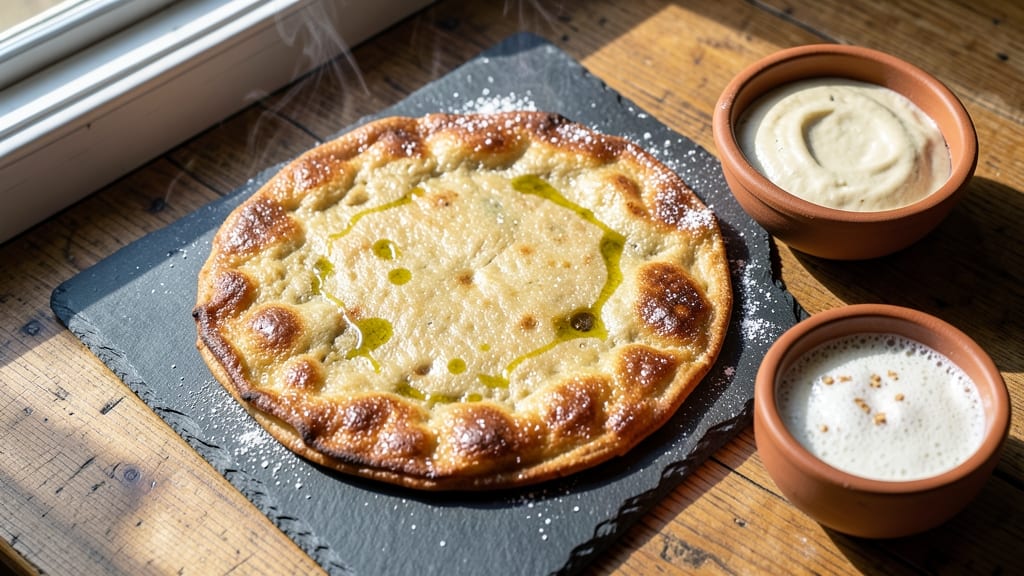
This brown rice flour flatbread recipe delivers the perfect balance of crisp edges and soft centers—nutty, gluten-free, and packed with texture.
The secret lies in blending brown rice flour with a touch of tapioca starch for flexibility, creating a flatbread that’s sturdy enough to hold curries but tender enough to melt in your mouth.
I’ve perfected this recipe after years of testing, ensuring it’s foolproof for both beginners and seasoned cooks alike.
What sets this flatbread apart is its nuttiness—a signature trait of brown rice flour—that pairs beautifully with bold flavors like garlic, cumin, or fresh herbs. Whether you’re serving it with a spicy curry, creamy hummus, or simply with butter and jam, this recipe guarantees a satisfying, restaurant-quality result.
Ready in just 20 minutes, it’s the ideal solution for a quick, nutritious, and delicious meal.
Ingredients for brown rice flour flatbread
These nutty, gluten-free staples create restaurant-quality flatbread with crisp edges and soft centers.
| Ingredient | Amount | Notes |
|---|---|---|
| Brown Rice Flour 🌾 | 1 ½ cups | Finely milled for best texture |
| Tapioca Starch 🍠 | ¼ cup | For flexibility and crisp edges |
| Active Dry Yeast 🍞 | ¼ tsp | Instant yeast works too |
| Warm Water 💧 | ½ cup | 110°F to activate yeast |
| Extra-Virgin Olive Oil 🫒 | 1 tbsp | High quality for flavor |
| Granulated Sugar 🍚 | 1 tsp | Feeds yeast for rise |
| Salt 🧂 | ½ tsp | Diamond Crystal preferred |
| Garlic Powder 🧄 | ½ tsp | Fresh garlic for stronger flavor |
| Cumin Seeds 🌿 | ½ tsp | Toasted for deeper aroma |
| Fresh Cilantro 🌿 | ¼ cup | Chopped, stems removed |
| Vegan Butter 🧈 | 1 tbsp | Melted for brushing |
| Sesame Seeds 🌻 | 1 tbsp | Optional for garnish |
Brown rice flour is the star here—Bob’s Red Mill or Annie’s are my go-tos for consistent texture. The tapioca starch is non-negotiable; it’s what gives those perfect crisp edges while keeping the center tender. For the yeast, Saf-Instant is my secret weapon—it dissolves instantly in warm water (110°F, not boiling). Too hot and you’ll kill it. The cumin seeds? Toast them in a dry pan for 30 seconds first—the difference in aroma is insane. Fresh cilantro adds brightness, but dried works in a pinch (use half the amount).
No sesame seeds? Poppy seeds or crushed nuts work just as well for garnish. Short on garlic powder? Fresh minced garlic at double the amount takes this to the next level. The vegan butter matters—Miyoko’s or Earth Balance are my top picks, but any full-fat plant-based butter does the trick. If you’re feeling fancy, add a pinch of smoked paprika to the dough for depth. And trust me, don’t skip the tapioca starch—it’s what makes these flatbreads hold up to curries without turning soggy.
Store the dry dough in an airtight container for up to 5 days—just add water when ready to cook. The flatbreads reheat beautifully in a 350°F oven for 5 minutes to restore crispness. Freeze extras between parchment paper for 3 months. Pro tip: brush with melted vegan butter right after cooking—keeps them fresh for days.
Why You'll Love This Recipe
- No Yeast Fuss: I swear by this dough—just mix, let it sit, and roll. The yeast activates in warm water, so no kneading, no waiting hours. Honestly, I’ve made it while chatting on the phone.
- Nutty Crispy Magic: Brown rice flour gives it that earthy depth, while tapioca starch delivers a perfect crisp at the edges. Drizzle with olive oil? Instantly addictive. (Yes, even on a Tuesday night.)
- Wrap It All: Stuff with curries, cheeses, or just eat plain with yogurt—it’s my go-to for lunches. Between us, these keep better than store-bought tortillas and cost half as much.
- Pantry Staple Power: Five ingredients, all shelf-stable except yeast. I’ve made these for potlucks, picnic blankets, and lazy dinners. Leftovers? Freeze them flat—they reheat like a dream.
Step-by-step instructions for brown rice flour flatbread
Here's how to craft these nutty, crisp-edged flatbreads with a tender center—simple steps for perfect results every time.
Activate the Yeast and Mix the Dough
In a small bowl, combine the 0.5 cup warm water (about 110°F) with the 1 tsp granulated sugar and 0.25 tsp active dry yeast. Let it sit for 5-7 minutes until foamy—this confirms your yeast is alive and ready to work. If it doesn't foam, your yeast might be dead, and you'll need to start over.
In a large mixing bowl, whisk together the 1.5 cups brown rice flour and 0.25 cup tapioca starch. Add the yeast mixture, 1 tbsp extra-virgin olive oil, 0.5 tsp salt, 0.5 tsp garlic powder, and 0.5 tsp cumin seeds. Stir with a wooden spoon until a shaggy dough forms. The brown rice flour will make this dough slightly denser than wheat-based flatbreads, so don't worry if it looks thick.
Knead and Rest the Dough
Turn the dough onto a lightly floured surface and knead for 5-7 minutes until smooth and elastic. You'll notice it's stickier than wheat dough, so wet your hands occasionally to prevent sticking. The tapioca starch helps with flexibility, but the brown rice flour keeps it from becoming too stretchy.
Place the dough in a lightly oiled bowl, cover with a damp towel, and let it rise in a warm spot for 1-2 hours, or until doubled in size. The dough should feel spongy and slightly springy when pressed gently. If your kitchen isn't warm, place the bowl near a slightly warm oven with the light on to encourage rising.
Divide, Roll, and Cook the Flatbreads
Punch down the risen dough and divide it into 4 equal portions. On a lightly floured surface, roll each portion into a 6-inch circle, about ⅛-inch thick. The brown rice flour will make the dough less forgiving, so roll gently but firmly to avoid tearing. If the dough cracks, simply patch it together and continue rolling.
Heat a skillet over medium-high heat until hot. Place one flatbread in the skillet and cook for 1-2 minutes per side, until golden brown spots appear and the edges start to crisp. You'll smell the nutty aroma of the brown rice flour as it cooks—this is your cue that it's ready. Transfer to a plate and repeat with the remaining flatbreads.
Brush and Garnish for Serving
While the flatbreads are still warm, brush the tops with melted vegan butter using a pastry brush. The butter will melt into the flatbread, adding richness and helping to soften the texture slightly. Sprinkle each flatbread with 1 tbsp sesame seeds and 1 tbsp chopped fresh cilantro, dividing them evenly. The sesame seeds add a subtle crunch, while the cilantro brightens the nutty flavor.
Serve immediately while the flatbreads are warm and crisp. These flatbreads pair perfectly with curries, soups, or as a wrap for sandwiches. The nutty flavor from the brown rice flour and the crisp edges make them a standout, especially when compared to traditional wheat-based flatbreads. Enjoy them fresh—they won't last long!
Pro Tips For Making Brown Rice Flour Flatbread
- Whisk the Yeast First: Mix the yeast with warm water and a pinch of sugar (or a tiny splash of olive oil) for 5 minutes before adding dry ingredients—this guarantees it’s active and cuts dough prep time in half. I learned this after a batch of flatbread turned out dense because the yeast was sluggish.
- Sift the Flours Together: Combine brown rice flour and tapioca starch in a fine-mesh sieve before mixing—this prevents lumps that turn into tough spots in your flatbread. Yes, it’s extra work, but your flatbread will rise evenly and have that signature tender bite.
- Rest the Dough Cold: Let the dough chill uncovered in the fridge for 30 minutes after mixing—it relaxes the gluten (even in rice flour) and makes rolling way easier. I used to skip this and ended up with cracked flatbreads every time.
- Use a Rolling Pin Twice: Roll the dough to a thin circle, flip it, then roll again—this ensures even thickness and a crispy edge. The first pass might look uneven, but the second guarantees a professional finish. (Trust me, your flatbread will thank you.)
Storing and reheating your leftovers
Room Temp Prep
Let your flatbreads cool completely before storing to prevent condensation that causes sogginess. Spread them on a wire rack for 15-20 minutes—this also helps maintain crisp edges. I store mine in a single layer on parchment-lined plates to prevent sticking.
The brown rice flour makes them dry out faster than wheat-based breads, so avoid plastic bags. 🌾
Fridge Storage
Wrap individual flatbreads tightly in aluminum foil or place in an airtight container with parchment paper between layers. They'll stay fresh for 3-4 days in the fridge. To revive, reheat in a dry skillet over medium heat for 1 minute per side until crisp again.
The nutty flavor actually deepens after a day or two in storage!
Freezer Magic
For longer storage, freeze flatbreads between sheets of parchment paper in a ziplock bag for up to 3 months. When ready to use, thaw at room temperature for 1 hour, then reheat in a 375°F oven for 5-7 minutes until golden.
I like to brush with melted vegan butter right after reheating for that fresh-from-the-pan texture. ❄️
Reheating Secrets
Skillet reheating is my favorite method—it restores that perfect crisp edge. Heat your skillet over medium heat and cook each flatbread for 45-60 seconds per side until golden.
For oven reheating, place on a baking sheet at 350°F for 3-4 minutes—add a splash of water to the pan if they seem too dry. The tapioca starch helps them crisp up beautifully every time.
Butter Brush Boost
This is my pro tip: Always brush reheated flatbreads with a thin layer of melted vegan butter before serving. The butter melts into the brown rice flour, restoring moisture and adding richness.
I use Miyoko's unsalted vegan butter for the cleanest flavor. Add a sprinkle of toasted cumin seeds while still warm for that restaurant-quality finish. 💛
Nutrition facts
Frequently asked questions
Can I make this flatbread without yeast?
Yes! For a quick version, replace the yeast with 1 tsp baking powder and 0.25 tsp baking soda—skip the rising time and cook immediately. The texture will be denser but still delicious. For extra flavor, add 1 tbsp apple cider vinegar to the dough before mixing.
Why does my brown rice flour flatbread crack when rolling?
Brown rice flour dough is naturally less stretchy than wheat-based dough. To prevent cracks, keep your work surface lightly floured and roll gently in one direction. If cracks appear, patch them with a bit of water and continue rolling. The tapioca starch helps, but the brown rice flour’s density means less elasticity.
Can I use this flatbread for wraps or just as a side?
These flatbreads are sturdy enough for wraps—just fill with hummus, roasted veggies, or spicy chickpeas. For extra pliability, brush the rolled-up wrap with a little melted vegan butter before serving. The nutty flavor pairs perfectly with bold fillings like curries or falafel.
How do I adjust the recipe for a gluten-free diet?
This recipe is already gluten-free, but if you want to enhance texture, add 1 tbsp xanthan gum to the dry ingredients. Xanthan gum mimics gluten’s binding properties, making the flatbreads more pliable. For a nut-free version, swap sesame seeds for sunflower seeds or crushed pistachios.
What’s the best way to cook these if I don’t have a skillet?
Use a baking sheet! Preheat oven to 400°F and bake flatbreads for 8-10 minutes, flipping halfway, until golden. For extra crispiness, place them directly on the oven rack for 5-7 minutes after baking. The edges will crisp up beautifully without a skillet.