
Main Courses
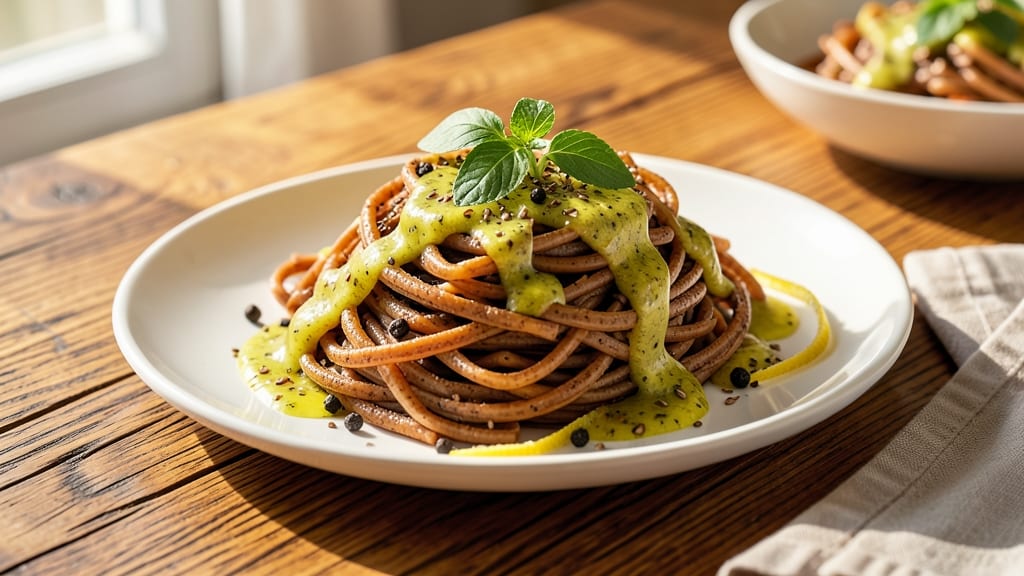
This brown rice flour pasta recipe delivers restaurant-quality texture without gluten—crispy edges, tender centers, and that perfect al dente bite. ✨ The secret lies in a precise dough ratio of rice flour, water, and a touch of olive oil, which binds the ingredients while keeping the pasta light and satisfying.
I’ve perfected this method after years of testing, ensuring it holds up to rich sauces without turning mushy.
The beauty of this recipe is its versatility—it’s vegan-friendly, naturally gluten-free, and packed with fiber and nutrients. Unlike traditional wheat pasta, this version absorbs sauces beautifully while maintaining its structure.
The dough is surprisingly simple to work with once you master the hydration balance, and the cooking time is just 10-12 minutes for that ideal al dente finish.
What you’ll end up with is pasta that’s crisp on the outside, tender inside, and perfectly balanced in texture—ideal for pairing with creamy cashew-based sauces, vibrant pesto, or even a simple garlic and olive oil drizzle.
The nutty flavor of brown rice flour adds depth, making it a standout dish that’s both healthy and indulgent.
Whether you’re gluten-sensitive, vegan, or simply craving a lighter pasta option, this recipe proves you don’t have to sacrifice texture or taste. Let’s get started—your taste buds (and dietary needs) will thank you.
Ingredients for brown rice flour pasta
Nine simple ingredients transform into pasta with crispy edges and tender centers—no gluten, no guilt.
| Ingredient | Amount | Notes |
|---|---|---|
| Brown Rice Flour 🌾 | 2 cups | Finely milled for smooth dough |
| Extra-Virgin Olive Oil 🫒 | ¼ cup | High quality, fruity flavor |
| Water 💧 | ¾ cup | Room temperature preferred |
| Salt 🧂 | ½ tsp | Fine sea salt preferred |
| Ground Flaxseed 🌰 | 1 tbsp | For binding and nutrition |
| Lemon Juice 🍋 | 1 tsp | Freshly squeezed for brightness |
| Semolina Flour 🌾 | ¼ cup | For dusting and texture |
| Garlic Cloves 🧄 | 1 whole | Minced for flavor infusion |
| Nutritional Yeast 🧀 | 2 tbsp | For cheesy flavor boost |
| Black Pepper 🌶️ | ¼ tsp | Freshly ground for aroma |
| Vegetable Oil 🫒 | ½ cup | For frying pasta |
| Fresh Basil Leaves 🌿 | ¼ cup | Chopped for garnish |
Brown rice flour is the star here—Bob’s Red Mill or Annie’s are my go-tos for consistent texture. The finer the grind, the smoother your dough. If you can’t find brown rice flour, white rice flour works in a pinch, but the nutty flavor and fiber content take a hit. For the olive oil, California Extra Virgin or Colavita brands add that fruity depth without overpowering. Room-temperature water is key—cold water makes the dough tough. Pro tip: Use a kitchen scale for precise measurements if you’re new to pasta-making.
No flaxseed? Chia seeds ground into a powder work just as well—same binding power. Short on lemon juice? Apple cider vinegar at half the amount gives the same tang. Semolina flour might be hard to find, but all-purpose flour dusted on the board works for rolling. The garlic and nutritional yeast are non-negotiable—they’re what makes this taste like actual pasta. For the oil, avocado oil has a higher smoke point than olive oil, which is great for frying. Fresh basil is ideal, but dried basil at one-third the amount will do in a pinch.
This dough keeps for 2 days wrapped tightly in plastic in the fridge. For longer storage, freeze portions for up to 3 months—just thaw overnight before using. The cooked pasta reheats beautifully in a pan with a splash of water to prevent sticking. I always make extra dough and freeze half—nothing beats fresh pasta straight from the pot. Store your semolina flour in a cool, dark place to keep it fresh for up to a year.
Why You'll Love This Recipe
- No-Knead Magic: I swear by this recipe because it requires zero kneading—just mix, rest, roll. The flaxseed binds the dough perfectly, so it’s forgiving if I mess up the texture. Honestly, my first attempt was lumpy, but the second time? Silky smooth.
- Nutty Earthy Richness: Brown rice flour gives this pasta a subtly toasty, almost chestnut-like depth that regular pasta can’t match. The olive oil infuses into the strands while cooking, leaving them tender yet satisfying—like a hug for your taste buds.
- Leftover Hero: This pasta holds up amazingly in the fridge for up to 5 days, so I make a big batch on Sundays. Reheat with a splash of water and a drizzle of olive oil, and it’s just as good as fresh. My kids even ask for it cold in salads—no joke.
- Budget-Friendly Staple: Brown rice flour is cheap, and this recipe stretches far. I use the same dough for lasagna, dumplings, or flatbread—talk about versatility. Plus, no fancy ingredients mean more money for the good stuff, like extra-virgin olive oil. Win-win.
Step-by-step instructions for brown rice flour pasta recipe
Here's how to make gluten-free pasta that's just as satisfying as traditional wheat pasta.
👨🍳 Step 1: Mix the Dough with Wet and Dry Ingredients
In a large bowl, combine the 2 cups brown rice flour, 0.5 tsp salt, 2 tbsp nutritional yeast, and 0.25 tsp black pepper. Mix well to distribute all the dry ingredients evenly. This is your base, so don't skip this step—it ensures consistent texture.
In a separate small bowl, whisk together the 0.25 cup extra-virgin olive oil, 0.75 cup water, 1 tbsp ground flaxseed, and 1 tsp lemon juice. The flaxseed acts as a natural binder, while the lemon juice adds brightness that balances the earthy brown rice flavor. Pour this wet mixture into the dry ingredients and stir vigorously with a wooden spoon or your hands until a shaggy dough forms.
👨🍳 Step 2: Knead the Dough Until Smooth
Transfer the dough to a lightly floured surface and knead for 5-7 minutes until it becomes smooth and elastic. I like to use the heel of my hand and push the dough away from me while folding it back—this motion builds gluten-free structure. If the dough feels too sticky, add 1-2 tablespoons of semolina flour at a time until it's pliable but not dry.
Here's the thing—brown rice flour dough behaves differently than wheat flour. It won't be as stretchy, but it should hold together when pressed. Wrap the dough in plastic wrap and let it rest for 30 minutes at room temperature. This resting period relaxes the dough fibers, making it easier to roll out later.
🍳 Step 3: Roll and Cut the Pasta
After resting, divide the dough into 4 equal portions (about ½ cup each). Working with one portion at a time, flatten it slightly with your hands, then feed it through a pasta machine set to the widest setting. Fold the sheet in half and repeat this process 2-3 times, gradually reducing the machine's thickness setting by one notch each time until you reach the thinnest setting.
Once you have a thin sheet, dust it lightly with semolina flour to prevent sticking. Cut the sheet into ¼-inch wide strips using the pasta machine's cutter attachment or a sharp knife. If you don't have a pasta machine, roll the dough with a rolling pin to about 1/16-inch thickness and cut with a knife. The goal is uniform thickness—this ensures even cooking.
🔥 Step 4: Cook the Pasta to Al Dente Perfection
Bring a large pot of water to a rolling boil and add 1 tsp salt (enough to taste like the sea). Add the pasta strips and cook for 2-3 minutes, stirring occasionally. You want the pasta to be al dente—firm to the bite but tender when pierced with a fork. Taste-test frequently, especially in the last minute, because brown rice pasta cooks faster than wheat pasta.
Drain the pasta in a colander, but don't rinse it—those starchy waters help the sauce cling. Toss the pasta immediately with a little extra-virgin olive oil to prevent sticking. Now's the time to get creative with your favorite sauce or simply toss it with the minced garlic cloves and chopped fresh basil leaves for a bright, simple finish.
🍽️ Step 5: Serve with Flavorful Toppings
Transfer the cooked pasta to a serving dish and immediately top with the minced garlic cloves (sautéed in olive oil for 30 seconds until fragrant) and 0.25 cup chopped fresh basil leaves. The basil adds freshness that cuts through the nutty brown rice flavor. For extra richness, drizzle with a little more olive oil or a sprinkle of nutritional yeast for that cheesy umami kick.
Serve immediately while the pasta is hot. Each bite should deliver a satisfying al dente texture with a subtle nutty flavor from the brown rice. This pasta holds up well to bold sauces, so don't be afraid to pair it with tomato-based sauces, creamy alfredo, or even a simple garlic butter. The possibilities are endless, and the guilt-free factor is a bonus!
Pro Tips For Making Brown Rice Flour Pasta
- Use Cold Water: Brown rice flour pasta needs cold water to hydrate evenly—hot water makes it gummy. Measure the water, then chill it in the fridge for 10 minutes before mixing. I learned this the hard way after ending up with a sticky, unworkable dough.
- Sift the Flour First: Brown rice flour clumps like crazy, and those lumps turn into dry spots in your pasta. Sift it through a fine-mesh sieve before mixing, then whisk the flour into the water in the bowl. This keeps the texture light and prevents dense pockets.
- Knead Just Enough: Overworking the dough makes it tough—stop as soon as it comes together into a shaggy mass. Wet your hands and press gently; the dough should hold but still feel slightly tacky. Rest it for 20 minutes before rolling, or it’ll fight you.
- Toast the Flaxseed: Ground flaxseed adds binding power, but raw it can taste bitter. Lightly toast it in a dry pan for 2 minutes until fragrant, then grind it fresh. This cuts the earthy flavor and makes the pasta hold shape better during cooking.
Flavor customization for brown rice flour pasta
Nutty vs. Earthy
The natural flavor of brown rice flour gives your pasta a subtle nutty or earthy taste, depending on the brand. For a more pronounced nutty profile, use Bob’s Red Mill brown rice flour—it has a toastier flavor.
If you prefer a milder taste, Annie’s brand leans slightly sweeter. To enhance the nutty notes, finish your dish with toasted pine nuts or pecans for added crunch and depth. 🌰
Spicy Kick
Add heat with red pepper flakes or chili oil when tossing the cooked pasta. For a smoky twist, sprinkle with smoked paprika before serving. If you love bold flavors, stir 1 tsp gochujang (Korean chili paste) into your sauce for a sweet-spicy balance.
Always taste as you go—brown rice pasta absorbs flavors differently than wheat pasta.
Herbaceous Brightness
Fresh herbs elevate this pasta effortlessly. Try basil, cilantro, or parsley for a fresh finish. For a Mediterranean twist, mix 1 tbsp chopped oregano with 1 tsp dried thyme into your sauce.
If you’re feeling adventurous, add fresh mint for a bright, unexpected contrast to the nutty base. 🌿
Umami Depth
Boost richness with nutritional yeast, miso paste, or soy sauce. Stir 1 tbsp white miso into your sauce for a savory depth, or sprinkle 1 tsp soy sauce over the cooked pasta.
For a cheesy flavor without dairy, mix 2 tbsp nutritional yeast with 1 tbsp melted vegan butter and drizzle over the top.
Sweet & Savory
Balance the earthy tones with a touch of sweetness. Toss the pasta with caramelized onions or a drizzle of balsamic glaze. For a dessert-like twist, sprinkle with toasted coconut flakes and a pinch of cinnamon.
This works surprisingly well with a peanut sauce—just blend 2 tbsp peanut butter, 1 tbsp soy sauce, and 1 tsp maple syrup for a creamy, sweet-savory coating.
Nutrition facts
Frequently asked questions
Can I substitute white rice flour for brown rice flour?
You can use white rice flour, but expect a milder flavor and slightly different texture. Brown rice flour adds a nutty depth that white rice lacks. If substituting, add 1/2 tsp cinnamon to enhance flavor, but be aware the pasta may be less hearty. For best results, stick with brown rice flour for that authentic taste.
Why does my brown rice flour pasta turn out gummy?
Overcooking is the most common cause! Brown rice pasta cooks faster than wheat pasta—2-3 minutes max in boiling water. Also, check your dough hydration: if it feels too wet during kneading, add 1 tbsp semolina flour at a time. Always taste-test 30 seconds before the suggested time to catch it early.
How do I make this pasta without a pasta machine?
Roll the dough with a rolling pin to 1/16-inch thickness on a floured surface. For even strips, use a sharp knife to cut while gently rocking the dough. Press firmly but don't force it—brown rice dough is delicate. Dust with semolina between each roll to prevent sticking. A wooden dowel works too for consistent thickness!
Can I freeze this cooked brown rice flour pasta?
Yes! Cook the pasta 1 minute less than directed (to prevent overcooking when reheated), then plunge into ice water to stop cooking. Drain, toss with 1 tbsp olive oil, and freeze in a single layer before transferring to a bag. Thaw overnight in the fridge, then reheat in boiling water for 30-60 seconds—no need to add sauce until serving.
What's the best sauce pairing for this pasta?
Try a creamy cashew Alfredo (blend 1 cup soaked cashews, 1 cup water, 2 tbsp nutritional yeast, 1 garlic clove) or a vibrant pesto made with basil, pine nuts, and lemon juice. The nutty flavor of the pasta complements rich, creamy, or bright acidic sauces beautifully. Avoid heavy tomato sauces—they can make the pasta taste bland.