
Main Courses
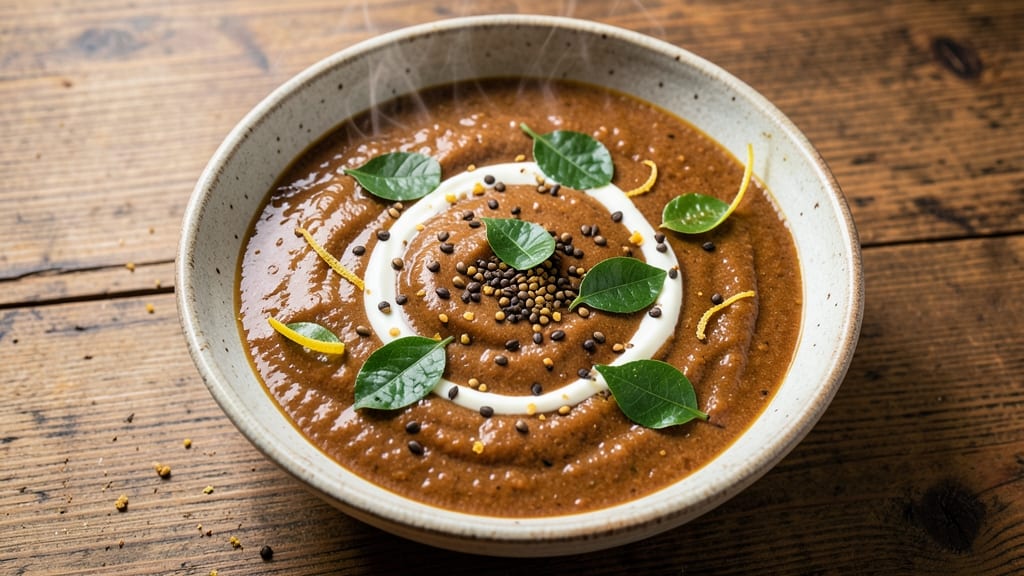
This brown rice idli batter recipe transforms traditional idlis into lighter, nuttier versions packed with fiber and protein. The key lies in a precise rice-to-water ratio and overnight fermentation, which develops a subtle tang without overpowering the earthy brown rice flavor.
Unlike white rice batters, this version stays moist yet fluffy when steamed, offering a satisfying texture that still holds its shape.
Perfect for breakfast or brunch, these idlis pair beautifully with coconut chutney or sambar, though they work just as well as a standalone vegan meal. The batter’s nutty depth comes from soaking the rice properly and tempering it with mustard seeds and curry leaves—simple steps that elevate the flavor profile.
For best results, follow the exact fermentation time and steaming technique to avoid dense or undercooked idlis.
Ingredients for brown rice idli batter
Twelve ingredients transform ordinary brown rice into a protein-rich, fermented idli batter with nutty complexity.
| Ingredient | Amount | Notes |
|---|---|---|
| Short-Grain Brown Rice 🌾 | 2 cups | Uncooked, rinsed thoroughly |
| Filtered Water 💧 | 3 ½ cups | Room temperature preferred |
| Yogurt Starter (vegan) 🥛 | ½ cup | Coconut yogurt or vegan plain yogurt |
| Mustard Seeds 🌿 | 1 tbsp | Lightly toasted for aroma |
| Curry Leaves 🍃 | 10 whole | Fresh, washed and dried |
| Asafoetida (Hing) 🌶️ | ⅛ tsp | Pure powder, no additives |
| Salt 🧂 | 1 ½ tsp | Diamond Crystal kosher salt |
| Fenugreek Seeds 🌱 | ½ tsp | Lightly crushed |
| Coconut Oil 🫒 | 1 tbsp | Unrefined for flavor |
| Black Salt (Kala Namak) 🧂 | ¼ tsp | Optional, for sulfuric tang |
| Fresh Grated Coconut 🥥 | ¼ cup | Packed, for moisture |
The short-grain brown rice is non-negotiable—its higher starch content ensures fluffiness without heaviness. Bob's Red Mill or Lundberg brands deliver consistent results, but any organic short-grain works. Rinse the rice twice to remove excess starch, which can make idlis gummy. For the yogurt starter, coconut yogurt from So Delicious or homemade vegan yogurt with active cultures provides the right tang. Fresh curry leaves are essential—they can't be substituted with dried, as their aroma is delicate. Toast the mustard seeds in a dry pan for 30 seconds until they sizzle; this releases their full flavor potential.
No coconut yogurt? Unflavored almond yogurt at half the amount works in a pinch, though the flavor will differ slightly. Substituting fenugreek seeds with 1/4 tsp ground fenugreek is possible, but whole seeds add subtle bitterness that enhances the batter. Black salt is optional but recommended for that signature idli tang—Madhur or Himalayan brands are most authentic. For grated coconut, pre-shredded works but contains more moisture; Trader Joe's sells pre-grated in a squeeze bag, which is perfect for this recipe. The asafoetida should be food-grade, pure powder—never the liquid extract, which can overpower the batter.
Prepare the batter 24 hours in advance for optimal fermentation. Store the soaked rice mixture in a wide, shallow container (like a ceramic bowl) to maximize surface area for fermentation. Cover with a clean kitchen towel secured with a rubber band to allow airflow while preventing dust. Once fermented, the batter keeps in the fridge for up to 3 days—portion into ice cube trays for easy steaming. For best texture, steam the idlis in a heavily oiled steamer (use coconut oil) and avoid overcrowding the steamer basket.
Why You'll Love This Recipe
- No-Soak Nightmare: I’ll be real—soaking rice for hours used to stress me out. This brown rice batter? Just a quick rinse, then soak for four hours max (or overnight if you’re planning ahead). The short-grain variety breaks down perfectly, giving you that signature fluff without the fuss.
- Temple of Flavor: That first sizzle of mustard seeds and curry leaves in hot oil? Chef’s kiss. The vegan yogurt starter adds a tangy depth, while the toasted spices wake up every bite. It’s not just idli—it’s a flavor punch that makes store-bought taste like cardboard.
- Weeknight Superhero: Make a double batch on Sunday, and you’ve got breakfast, brunch, or even a light dinner covered. Freeze half the batter in portions—just thaw and steam. My kids grab these for school lunches (yes, even on a Tuesday night), and I still get to eat mine.
- Budget Magic: Brown rice is cheaper than white, and this batter stretches further than traditional idli. A single cup of rice makes 12-15 idlis, and the yogurt starter costs pennies per batch. Honestly, it’s the kind of recipe that makes grocery day feel like a win.
Step-by-step instructions for brown rice idli batter
Transform simple ingredients into a nutty, fermented idli batter with perfect texture and flavor.
Soak the Brown Rice and Prepare the Yogurt Starter
Rinse the 2 cups short-grain brown rice thoroughly under cold water until the water runs clear. This removes excess starch that can make your idlis dense. Transfer the rice to a large mixing bowl and add the 3.5 cups filtered water. Let it soak at room temperature for at least 6 hours, preferably overnight. The rice should absorb the water completely and become tender when pressed between your fingers.
While the rice soaks, prepare the 0.5 cup vegan yogurt starter by whisking it until smooth. Set aside at room temperature to come to ambient temperature—this ensures even fermentation later. The yogurt starter provides the probiotics needed for fermentation while adding a subtle tang that balances the nutty rice flavor.
Cook the Rice and Incorporate Spices
Drain the soaked rice and transfer it to a heavy-bottomed pot. Add the 1 tbsp coconut oil and cook over medium heat for 5 minutes, stirring constantly. The oil helps release the nutty aroma of the brown rice. Add the 10 whole curry leaves, 0.5 tsp crushed fenugreek seeds, and 0.125 tsp asafoetida (hing). Cook for an additional 2 minutes until the spices release their fragrance.
Pour in the 3.5 cups filtered water (the same amount used for soaking) and bring to a boil. Once boiling, reduce heat to low, cover, and simmer for 15-20 minutes until the rice is completely cooked and the water is absorbed. The rice should be soft but not mushy—you should be able to mash it easily with a spoon. Let it cool to room temperature before proceeding.
Combine and Ferment the Batter
Transfer the cooked rice to a large mixing bowl. Add the 0.5 cup vegan yogurt starter, 1.5 tsp salt, 0.25 tsp black salt (kala namak), and 0.25 cup fresh grated coconut. Mix thoroughly with a spatula until the batter is smooth and no dry spots remain. The batter should be thick but pourable—similar to pancake batter in consistency.
Cover the bowl with a clean kitchen towel and let it ferment at room temperature for 8-10 hours. The ideal fermentation temperature is between 75-85°F. You'll know it's ready when the batter rises by about 50% and develops a slightly tangy, yeasty aroma. Avoid over-fermenting—the batter should still hold its shape when dropped from a spoon but be noticeably lighter and airier.
Adjust Consistency and Prepare for Steaming
After fermentation, give the batter a gentle stir to redistribute any settled ingredients. If the batter appears too thick, add 2-3 tablespoons of water at a time until it reaches a smooth, spoonable consistency. The batter should cling to the back of a spoon but flow freely when poured. This adjustment ensures your idlis will steam evenly without being too dense.
Transfer the batter to an airtight container and let it rest for 30 minutes before using. This final rest period allows the flavors to meld and the batter to reach its optimal temperature for steaming. The nutty depth of the brown rice will now complement the fermented tang perfectly, creating idlis with both texture and flavor complexity.
Pro Tips For Making Brown Rice Idli Batter
- SOAK RICE 12 HOURS: I learned this the hard way—rushing the soak (even to 8 hours) leaves your batter gummy. Use filtered water, cover loosely with a cloth, and let it sit at room temperature. The rice should be plump and tender when you check it, not just softened.
- GRIND WITH WARM WATER: Cold water makes the batter gluey and hard to steam. Heat your filtered water to about 100°F (just warm to the touch) before grinding the soaked rice with yogurt. This keeps the texture light and fluffy—no more dense, rubbery idlis.
- SKIP PRE-SOAKING YOGURT: I used to strain and pre-soak the vegan yogurt starter to remove excess liquid, but it weakens the tang. Just mix it directly into the ground rice batter—its natural acidity ferments better this way. Trust the process; your idlis will rise properly.
- TEMPER MUSTARDS LOW: High heat turns mustard seeds bitter before they pop. Bloom them in a dry pan over medium-low heat until they sizzle gently, then add curry leaves and coconut oil. This keeps their flavor bright and nutty—no burnt aftertaste.
Wine and beer pairings for this dish
Spiced Tea Pairings
Traditional masala chai made with cardamom, cinnamon, and ginger complements the nutty depth of brown rice idlis beautifully. The warm spices enhance the earthy flavor while balancing fermentation's tang. I love using Tazo Chai Tea Bags for convenience, or loose-leaf blends like Davidson's Masala Chai for authenticity.
Serve with a splash of coconut milk for creaminess that pairs perfectly with the vegan batter. 🍵
Coconut Milk Options
For a refreshing contrast, try coconut water chilled over ice with a squeeze of lime. The natural sweetness cuts through the idlis' fermented tang while highlighting the brown rice's nuttiness. I prefer Harmless Harvest coconut water for its clean, light flavor.
Alternatively, a coconut milk latte made with So Delicious unsweetened coconut milk and a dash of turmeric adds a golden hue that feels celebratory. 🥥
Light Beer Choices
Crisp, low-alcohol beers work best with idlis. A German wheat beer like Hoegaarden offers citrusy notes that refresh your palate between bites. For a local option, I recommend Blue Moon Belgian White with its coriander and orange peel flavors. Avoid heavy stouts or IPAs—they'll overpower the delicate fermentation. 🍺
Herbal Infusions
For an alcohol-free option, infuse hibiscus tea with fresh mint and a touch of honey. The tartness of hibiscus enhances the idlis' subtle tang, while mint adds a cooling contrast.
I steep Teapigs Hibiscus Tea for 5 minutes with 3 mint leaves** and a drizzle of honey. Serve chilled for a refreshing morning pairing. 🌿
Nutrition facts
Frequently asked questions
Why does brown rice idli batter need longer soaking than white rice?
Brown rice has a tougher outer bran layer that requires 6-8 hours of soaking to soften properly. This ensures the grains break down evenly during cooking, preventing dense or chewy idlis. The longer soak also helps extract the nutty flavors that set this batter apart.
Can I use regular white rice instead of brown rice for this recipe?
While you can substitute white rice, you'll lose the nutty depth and extra fiber that make brown rice idlis special. If you must use white rice, reduce the soaking time to 4-5 hours and increase the water ratio slightly to 4 cups for the same 2 cups rice. The texture will be lighter but less complex.
How do I know when the batter is properly fermented?
The batter is ready when it rises by about 50% and develops a slightly tangy, yeasty aroma. It should still hold its shape when dropped from a spoon but be noticeably lighter. If it smells overly sour or looks bubbly with liquid on top, it's over-fermented—use it immediately for steaming.
What's the best way to store leftover batter?
Transfer the fermented batter to an airtight container and refrigerate for up to 3 days. For long-term storage, freeze portions in ice cube trays. Thaw overnight in the fridge before using. Avoid freezing unfermented batter as it won't develop proper flavor after thawing.
Why did my idlis turn out dense instead of fluffy?
Dense idlis usually result from overmixing the batter, under-fermentation, or insufficient steaming time.