
Main Courses
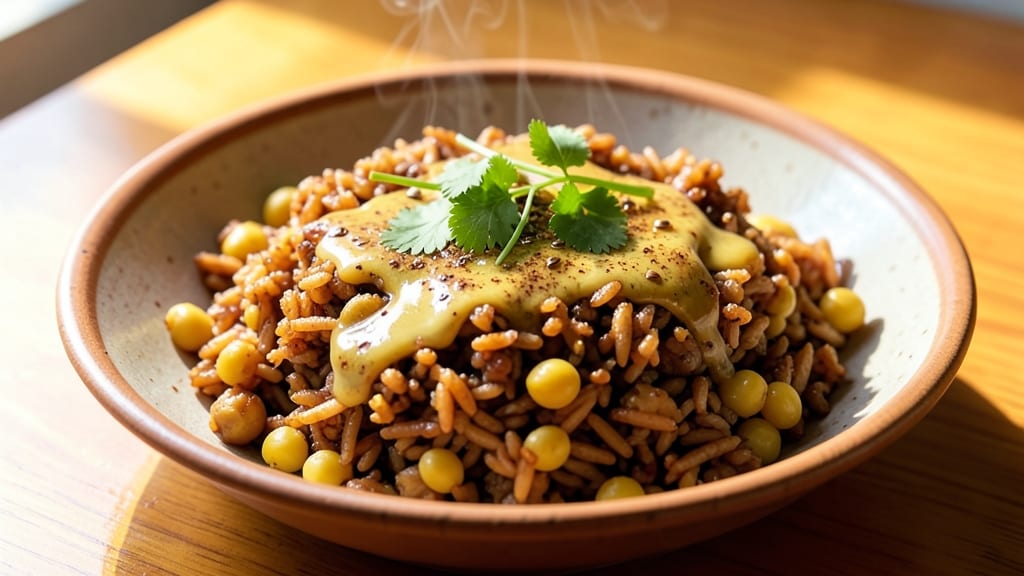
This brown rice khichdi recipe delivers a hearty, one-pot comfort dish that blends nutty brown rice with tender lentils and aromatic spices. The toasted cumin and warm garam masala create layers of earthy depth, while turmeric adds a gentle golden hue that signals a meal packed with wholesome goodness.
Perfect for vegetarians seeking balanced nutrition, this dish transforms simple ingredients into a satisfying, culturally rich experience.
Simmered to perfection, this khichdi develops a tender yet slightly firm texture—ideal for soaking up ghee or yogurt. The slow cooking process allows flavors to meld harmonously, resulting in a dish that's both comforting and nourishing.
Ready in about 45 minutes, it's the ideal solution for weeknight dinners or meal prep. The simplicity of the technique belies its restaurant-quality results, making it a staple for home cooks.
Ingredients for brown rice khichdi
Simple ingredients transform into a fragrant, one-pot vegetarian masterpiece with toasted cumin and garam masala.
| Ingredient | Amount | Notes |
|---|---|---|
| Long-Grain Brown Rice 🌾 | 1 cup | Uncooked, rinsed thoroughly |
| Yellow Lentils (Moong Dal) 🌱 | ½ cup | Rinsed and drained |
| Ghee or Vegetable Oil 🫒 | 3 tbsp | Ghee preferred for authentic flavor |
| Cumin Seeds 🌿 | 1 tbsp | Toasted until fragrant |
| Garam Masala 🌶️ | 1 tsp | Store-bought or homemade blend |
| Ground Turmeric 🌿 | ½ tsp | Freshly ground preferred |
| Ground Coriander 🍃 | ½ tsp | Adds citrusy depth |
| Bay Leaf 🌿 | 1 whole | Removed before serving |
| Fresh Ginger 🧅 | 1 inch | Peeled and grated |
| Onion 🧅 | 1 medium | Finely chopped |
| Garlic Cloves 🧄 | 3 cloves | Minced finely |
| Water 💧 | 3 cups | Room temperature preferred |
| Plain Yogurt 🥛 | ¼ cup | For serving, optional |
| Fresh Cilantro 🌿 | ¼ cup | Chopped, for garnish |
| Salt 🧂 | ¾ tsp | Adjust to taste |
The cumin seeds are non-negotiable here—they need to be toasted until fragrant in the ghee before adding other spices. Whole Foods or Indian grocery stores carry high-quality garam masala blends, but any reputable brand works. For the lentils, yellow moong dal is ideal, but you can substitute red lentils if unavailable. The brown rice should be long-grain for optimal texture, and rinsing it thoroughly removes excess starch to prevent gumminess. Fresh ginger and garlic elevate the dish, so invest in quality—organic produce from the farmers market has the most punch.
No garam masala? Combine 0.25 tsp each of cinnamon, cardamom, cloves, and black pepper for a close approximation. Substitute vegetable oil for ghee, though it lacks the rich depth. For extra protein, add chickpeas or tofu at the end of cooking. The yogurt can be swapped for coconut yogurt for a vegan option. If you prefer a firmer texture, reduce water by 0.25 cup. The cilantro is optional but adds freshness—skip it if you dislike the flavor. For a smoky twist, add a pinch of smoked paprika with the garam masala.
This khichdi reheats beautifully—simmer gently with a splash of water if it thickens. Store in an airtight container for 4-5 days in the fridge, or freeze portions for up to 3 months. The flavors deepen overnight, making it even more comforting. For meal prep, double the recipe and portion into containers. Garnish with cilantro and a drizzle of ghee before serving to restore richness. Leftovers make excellent lunches or can be transformed into stuffed parathas with extra spices.
Why You'll Love This Recipe
- One-Pot Magic: I swear by this recipe when I’m too tired to scrub pots—just brown rice, moong dal, and a splash of water. The lentils soften while the rice cooks, and the ghee infuses everything with that warm, nutty aroma. No strainers, no separate pans—just stir, simmer, and serve.
- Golden Comfort: That first bite of crispy-tender rice with creamy moong dal? It’s like hugging your taste buds. The cumin seeds sizzle upfront, garam masala lingers in the background, and the brown rice adds a satisfying chew. Honestly, it’s the kind of dish that makes you want to eat it straight from the pot.
- Meal Prep MVP: I make a big batch on Sundays and eat it all week—breakfast, lunch, or even a light dinner. Add a fried egg on top for protein, or pack it in bento boxes with yogurt and pickles. It reheats beautifully, so it’s my go-to for busy mornings or lazy afternoons.
- Budget-Friendly Powerhouse: Brown rice and moong dal are pantry staples that won’t break the bank, and a little ghee goes a long way. Leftovers taste just as good the next day, and you can stretch this into multiple meals without sacrificing flavor. Between us, this is how I feed my family well without overspending.
Step-by-step instructions for brown rice khichdi
Transform simple ingredients into a fragrant, hearty dish with this authentic one-pot method.
Toast the Cumin Seeds and Prepare Aromatics
Heat the 3 tablespoons ghee or vegetable oil in a heavy-bottomed pot over medium heat. Add the 1 tablespoon cumin seeds and toast for 30-45 seconds until they release their deep, nutty aroma and begin to sizzle gently. This toasting step is crucial—it develops the cumin's flavor and prevents bitterness. Watch closely; once they turn golden and fragrant, immediately add the 1 medium finely chopped onion and 1 inch peeled and grated fresh ginger. Cook for 4-5 minutes until the onions soften and turn translucent.
Add the 3 minced garlic cloves and cook for another 30 seconds until fragrant but not browned. Stir in the 0.5 teaspoon ground turmeric, 0.5 teaspoon ground coriander, and 1 teaspoon garam masala, toasting for 10 seconds to bloom the spices' aromas. This aromatic base forms the flavor foundation of your khichdi, so don't rush this step. The spices should be evenly distributed and visibly coated with the oil.
Cook the Rice and Lentils Together
Add the 1 cup rinsed long-grain brown rice and 0.5 cup rinsed and drained yellow lentils (moong dal) to the pot, stirring to coat them completely with the spiced oil. Pour in the 3 cups room temperature water and add the 1 whole bay leaf and 0.75 teaspoon salt. Bring the mixture to a gentle boil over medium-high heat, then immediately reduce to low heat. The key here is to maintain a gentle simmer—you want bubbles to form occasionally but not vigorously boil, which could cause the rice to become mushy.
Cover the pot with a tight-fitting lid and cook for 30 minutes. After this initial cooking period, check the rice and lentils. The rice should be mostly tender but still slightly firm in the center, and the lentils should be softening. If the mixture appears too dry, add 2-3 tablespoons water and continue cooking. The lentils should break down slightly but retain their shape, adding texture to the dish. This slow cooking process allows the flavors to meld beautifully.
Finish with Gentle Heat and Rest
Once the rice and lentils are tender but still have a slight bite, remove the pot from heat and let it sit covered for 5 minutes. This resting period allows the residual heat to finish cooking the grains and lets the flavors settle. Remove the bay leaf before serving. The khichdi should have a creamy yet slightly firm texture, with the rice grains distinct and the lentils soft but not mushy. If the mixture is too thick, stir in 1-2 tablespoons water to achieve a light, porridge-like consistency.
For serving, transfer the khichdi to a warm bowl. Drizzle with the 0.25 cup plain yogurt and garnish with 0.25 cup chopped fresh cilantro. The yogurt adds a cooling contrast to the warm spices, while the cilantro brings a fresh finish. Serve immediately with additional yogurt on the side for those who prefer it. This one-pot dish delivers comfort in every spoonful, with its aromatic spices and perfectly balanced textures.
Pro Tips For Making Brown Rice Khichdi
- SOAK THE RICE FIRST: I learned this the hard way—skipping soak means gummy rice. Rinse the brown rice, then let it sit in warm water for 20 minutes before cooking. The starches soften, and the final texture stays separate and firm instead of mushy.
- TOAST THE DAL HARD: Don’t just warm the moong dal—actually toast it until it smells nutty and the edges turn golden. High heat for 3-4 minutes (yes, it’ll darken) deepens the flavor and prevents a bland, starchy khichdi. Use a heavy pan and stir constantly.
- LOW-SIMMER AFTER BOILING: Once the water comes to a rolling boil with both rice and dal, immediately drop the heat to the lowest setting that keeps a gentle simmer. Too much heat turns khichdi into glue, and too little leaves it undercooked. Adjust the flame—this is the thing that matters most.
- ADD GHEE IN LAYERS: Splash in half the ghee at the start to bloom the cumin, then save the rest for the last 5 minutes of cooking. This seals in aroma and gives the dish a rich finish without overpowering the natural flavors. (Skip this shortcut when you’re lazy, but the dish is noticeably better when you don’t.)
Storing and reheating this dish
Fridge Storage Tips
Transfer your cooked khichdi to an airtight glass container while still warm to preserve its texture. I use Pyrex with snap-on lids—they’re sturdy and prevent leaks. Store in the fridge for up to 4-5 days, but the flavors actually deepen overnight, making it even more comforting.
Let it cool completely before sealing to avoid condensation, which can make the rice soggy. 💫
Freezer Prep Guide
For long-term storage, portion khichdi into quart-sized freezer bags (leave 1 inch headspace for expansion). Press out excess air to prevent freezer burn, and label with the date—it keeps for 3 months at 0°F or below.
Thaw overnight in the fridge before reheating. I like to freeze it in single-serving portions for quick lunches. 🥶
Stovetop Reheating
My preferred method is gentle stovetop reheating. Add 2-3 tablespoons water to the khichdi in a pot and simmer over low heat for 8-10 minutes, stirring occasionally.
Avoid high heat—it can dry out the dish. If it thickens too much, add a splash more water. The residual spices will make your kitchen smell amazing! 🌶️
Microwave Shortcut
For a quick fix, transfer khichdi to a microwave-safe bowl, cover with a damp paper towel, and heat on 50% power for 2-3 minutes. Stir halfway through to distribute heat evenly.
Add 1 tablespoon water if it looks dry. This method works best for 1-2 servings—it’s faster but slightly less flavorful than stovetop reheating.
Reviving Texture
If your reheated khichdi seems dry, don’t worry! Stir in 1-2 tablespoons warm water or yogurt to restore creaminess. A drizzle of ghee before serving adds richness and balances any lost moisture.
For extra flavor, sprinkle with fresh cilantro or a pinch of garam masala while reheating. These tricks keep it restaurant-quality every time. ✨
Nutrition facts
Frequently asked questions
Can I substitute white rice for brown rice in khichdi?
While you can use white rice, brown rice khichdi offers superior nutrition with its fiber and nutty flavor. If you must substitute, use 1 cup uncooked white rice and reduce cooking time by 5-7 minutes—it absorbs liquid faster. For texture, add 1 extra tablespoon water to prevent drying out. The dish will be lighter but less hearty.
What makes brown rice khichdi healthier than regular khichdi?
Brown rice retains its bran and germ, providing extra fiber (3g per cup vs 1g in white rice) and nutrients like magnesium and B vitamins. The slow digestion of brown rice helps stabilize blood sugar, making it ideal for balanced meals. Plus, the nutty flavor enhances the dish's overall depth without added calories.
Why does my khichdi turn out mushy?
Mushy khichdi usually results from boiling too vigorously or insufficient resting time. Always simmer gently—small bubbles should form occasionally, not a rolling boil. After cooking, let it rest 5-10 minutes covered before serving. For extra firmness, reduce water by 0.25 cup or cook 2-3 minutes less. Brown rice needs slightly more time than white rice.
Can I make khichdi without ghee?
Yes! Use vegetable oil or coconut oil instead—just note the flavor will be slightly lighter. For a vegan option, substitute ghee with 1 tbsp melted coconut oil. If you love smoky depth, add 0.25 tsp smoked paprika when toasting spices. The dish will still be delicious, but ghee's richness is hard to replace.
How can I make khichdi more protein-rich?
Add ½ cup cooked chickpeas or paneer cubes during the last 5 minutes of cooking. For extra protein, stir in 2 tbsp yogurt at the end or top with crumbled tofu. If you prefer meat, add ½ cup shredded chicken after the rice is cooked. These additions boost nutrition without altering the dish's comforting texture.