
Main Courses
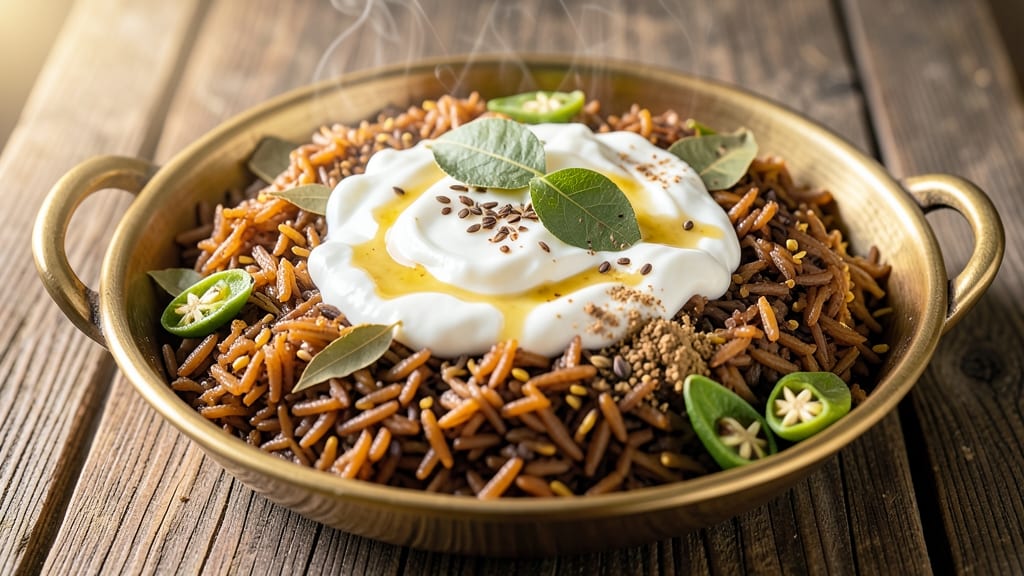
This fragrant brown rice Pakistani recipe transforms simple grains into a fragrant, spiced pilaf that’s the heart of any meal. 🌟 The secret lies in soaking the rice properly and layering warm spices like cardamom and cumin, creating an aroma that fills your kitchen—and your home—with comfort.
Unlike plain rice, this dish delivers bold flavors with minimal effort, perfect for weeknight dinners or special gatherings.
What sets this apart is the saffron-infused water and gentle cooking method that keeps the rice tender while absorbing the spices. Paired with traditional sides like biryani meat or roasted vegetables, it becomes a complete, restaurant-worthy dish.
The result? A golden, fragrant pilaf with each grain distinct yet harmoniously spiced—exactly how Pakistani households serve it. Ready to elevate your rice game?
Ingredients for brown rice pakistani
Transform simple brown rice into aromatic Pakistani pilaf with these quality ingredients and spices.
| Ingredient | Amount | Notes |
|---|---|---|
| Long-Grain Brown Rice 🌾 | 1 ½ cups | Uncooked, rinsed thoroughly |
| Whole Milk Yogurt 🥛 | ½ cup | Plain, unsweetened preferred |
| Ghee or Clarified Butter 🧈 | ¼ cup | For rich flavor and aroma |
| Green Cardamom Pods 🌿 | 6 whole | Lightly crushed for aroma |
| Ground Cumin Seeds 🌶️ | 1 tbsp | Toasted for deeper flavor |
| Bay Leaves 🍃 | 2 whole | Dried, for subtle earthiness |
| Saffron Threads 🧡 | ⅛ tsp | High-quality, soaked in warm water |
| Yellow Onions 🧅 | 1 whole | Medium-sized, finely chopped |
| Garlic Cloves 🧄 | 4 cloves | Peeled, minced finely |
| Fresh Ginger 🌿 | 1 tbsp | Grated, for zesty kick |
| Salt 🧂 | 1 ½ tsp | Diamond Crystal kosher preferred |
| Fresh Cilantro 🌿 | ¼ cup | Chopped, for garnish |
The brown rice is the foundation, so choose long-grain basmati-style brown rice for its nutty flavor and firm texture. Whole Foods or Indian specialty stores carry the best varieties—look for labels indicating 'parboiled' or 'converted' for easier digestion. The ghee is non-negotiable; Kerala brand or organic options from Trader Joe's deliver that authentic richness. Cardamom should smell vibrant—if yours tastes flat, Penzeys or local spice shops offer superior quality. Saffron is the star: Spanish or Iranian threads are most potent, and a little goes a long way.
No ghee? Unsalted butter or coconut oil works in a pinch, though flavor will differ slightly. Substitute dried cardamom powder at half the amount, but fresh pods create that signature aroma. For the onions, red or yellow varieties both work—just ensure they're fresh with crisp texture. Ginger can be swapped for 1 tsp ground ginger, but fresh is ideal. The yogurt adds creaminess; Greek yogurt or dairy-free coconut yogurt both work if needed. Always soak the saffron in 2 tbsp warm water for 10 minutes before adding to the rice—this maximizes its color and flavor infusion.
Rice keeps its texture best when refrigerated in an airtight container for up to 5 days. Reheat gently with a splash of water to restore moisture. The saffron-infused water can be saved and used in soups or drinks for 3 days. For extra flavor, toast the cumin seeds in a dry pan until fragrant before grinding—this step makes a noticeable difference. Garnish with fresh cilantro just before serving to preserve its bright flavor.
Why You'll Love This Recipe
- No-Fuss Stovetop Magic: I swear by this method—just brown rice, yogurt, and a splash of ghee. No fancy equipment, no hovering over the stove. The rice cooks itself while the yogurt and cardamom infuse that warm, nutty aroma. Honestly, the hardest part is waiting for it to finish.
- Creamy Cardamom Hug: That first bite? The yogurt makes it impossibly tender, while the cardamom and cumin give it a cozy, almost dessert-like richness. It’s like eating a hug in rice form—no heavy spices, just pure, fragrant comfort.
- Lunchbox Legend: Between us, this is my go-to for meal prep. Stays fresh for days, reheats beautifully, and pairs with everything—grilled chicken, dal, or even just a sprinkle of chaat masala. My kids grab it straight from the fridge, no complaints.
- Budget Pantry Power: Brown rice is cheap, yogurt lasts forever, and a little ghee goes a long way. I’ve made this for under $2 a serving, and it still feels special. Plus, the leftovers? They’re the reason I don’t stress about cooking ahead.
Step-by-step instructions for brown rice Pakistani pilaf
Master this aromatic technique for restaurant-quality Pakistani-style brown rice every time.
🍳 Step 1: Toast the Spices and Prepare the Saffron Infusion
Heat a small dry skillet over medium heat and add the 6 whole green cardamom pods and 1 tablespoon ground cumin seeds. Toast for 1-2 minutes until fragrant and the cumin begins to darken slightly—this releases their essential oils and deepens the flavor profile. Remove from heat immediately to prevent burning.
While the spices toast, soak the 0.125 teaspoon saffron threads in 1 tablespoon warm water for 5 minutes. This creates a vibrant golden infusion that will permeate your pilaf. The saffron should dissolve completely, transforming the water into a rich, aromatic liquid. Set aside—this is the secret to that signature Pakistani color and flavor.
👨🍳 Step 2: Sauté the Aromatics in Ghee
In a heavy-bottomed pot with a tight-fitting lid, melt the 0.25 cup ghee or clarified butter over medium heat. Add the 2 whole bay leaves, 1 whole yellow onion (finely chopped), 4 cloves garlic (minced), and 1 tablespoon fresh ginger (grated). Sauté for 5-6 minutes until the onions turn translucent and the garlic becomes golden—this builds the flavor foundation.
Add the toasted spices and cook for another 30 seconds while stirring constantly. This step ensures all the aromatic compounds meld together before meeting the rice. The pot should smell intensely of cardamom, cumin, and ginger—this is your quality checkpoint. If you smell burning, reduce the heat slightly and continue cooking.
🥘 Step 3: Layer and Parboil the Rice
Add the 1.5 cups long-grain brown rice to the pot and stir to coat evenly with the ghee and spices. Pour in 2.5 cups water (for brown rice, use 1.5 cups liquid per 1 cup rice) and bring to a boil. Once boiling vigorously, add the 1.5 teaspoons salt and the saffron infusion.
Reduce heat to medium-low and simmer uncovered for 10 minutes, stirring occasionally. You're looking for the rice to absorb some liquid and begin softening at the edges. This partial cooking prevents mushiness later. The rice should still have a slight bite—it will finish cooking during the yogurt steaming phase.
⏰ Step 4: Incorporate Yogurt and Steam to Perfection
Stir in the 0.5 cup whole milk yogurt using a wooden spoon, breaking it up gently to distribute evenly. The yogurt will create a creamy texture while adding subtle tanginess. Cover the pot tightly with the lid and reduce heat to low. Cook for 25-30 minutes without lifting the lid—this steaming method ensures even cooking and prevents drying.
Check for doneness by inserting a fork into the center. The rice should be tender with a slight resistance (al dente), and the liquid should be completely absorbed. If any liquid remains, cook uncovered for another 2-3 minutes to evaporate. The final texture should be fluffy yet firm, with each grain distinct and infused with the aromatic spices.
🍽️ Step 5: Rest and Garnish for Serving
Remove from heat and let the pilaf rest covered for 5 minutes. This resting period allows the steam to redistribute and the flavors to meld completely. Fluff gently with a fork to separate the grains—this creates that signature Pakistani pilaf texture.
Transfer to a serving dish and garnish with the 0.25 cup fresh cilantro (chopped). The bright green contrasts beautifully with the golden rice. Serve immediately with your favorite Pakistani curries or as a standalone aromatic side. The pilaf should have a delicate balance of nutty brown rice, creamy yogurt, and complex spice notes that dance on your palate with every bite.
Pro Tips For Making Brown Rice Pakistani
- Soak the Rice First: I learned this the hard way—skipping the soak means your brown rice stays chewy no matter how long you cook it. Rinse the rice thoroughly, then soak it in warm water for at least 30 minutes (or up to 2 hours if you’re really impatient). This cuts cooking time by half and guarantees fluffy, separate grains instead of a gluey mess.
- Toast the Spices Low: Don’t blast those cardamom pods and cumin on high heat—they’ll burn before releasing their flavor. Crack the cardamom pods open first, then dry-toast them with the cumin on medium-low for 2-3 minutes until fragrant, not brown. This makes a real difference in aroma and prevents bitterness.
- Use Ghee Sparingly: Ghee is magical, but too much turns your rice into a greasy puddle. Start with just 1 tablespoon for the initial tempering—enough to coat the bottom of the pot—and add a splash more only if the rice feels dry after cooking. Brown rice absorbs moisture differently; trust your eyes, not the recipe’s "generous" measurements.
- Stir Once, Then Stop: After adding the yogurt and simmering, resist the urge to keep stirring. Give it 5 minutes on low heat, then stir once gently to distribute the yogurt evenly. Over-stirring breaks down the rice’s texture, and too much heat turns the yogurt into a glue. Let the rice steam undisturbed—this is how you get that signature Pakistani fluffiness.
Make-ahead tips for leftovers
Prep Ahead Strategy
Start by soaking the 1.5 cups brown rice overnight in 3 cups cold water with 1 tsp salt—this cuts cooking time by 30 minutes and ensures fluffier grains.
Drain before cooking. The rice can be soaked for up to 24 hours in the fridge, but don’t exceed this time to prevent fermentation. 🌾
Spice Infusion Prep
Toast the 6 cardamom pods and 1 tbsp cumin seeds a day ahead and store them in an airtight container. The pre-toasted spices add depth immediately when added to the pot.
Also, prepare the saffron infusion by soaking the 0.125 tsp saffron in 1 tbsp warm water—this can be refrigerated for 3 days in a small jar.
Yogurt and Aromatics Prep
Chop the 1 onion, mince the 4 garlic cloves, and grate the 1 tbsp ginger the night before. Store in separate containers in the fridge. Whisk the 0.5 cup yogurt with ½ tsp salt and set aside—this keeps it smooth and ready to fold in later.
The chopped 0.25 cup cilantro should be stored separately and added fresh just before serving. 🌿
Slow Cooker Option
For hands-off cooking, combine all ingredients except yogurt and cilantro in your slow cooker on low heat for 3 hours. Stir in the yogurt during the last 30 minutes and cover until fully cooked.
This method is perfect for busy days—just press a button and let it work its magic. The texture will be slightly creamier than stovetop but still delicious.
Freezer-Friendly Method
Cook the pilaf completely, let it cool to room temperature, and store in airtight containers for up to 3 months. To reheat, add 2 tbsp water per cup of rice and simmer covered on low heat for 10-15 minutes.
Avoid microwaving—it can make the rice gummy. Garnish with fresh cilantro after reheating to brighten the flavors. ❄️
Meal Prep Timeline
Plan your prep like this: Day 1—soak rice and prep aromatics. Day 2—toast spices and cook the pilaf. Day 3—reheat portions for quick lunches or dinners.
This method ensures you always have fragrant, restaurant-quality rice ready in minutes. The key is keeping the yogurt and cilantro separate until serving to maintain freshness and texture. 💡
Nutrition facts
Frequently asked questions
Why does Pakistani brown rice taste different from regular rice?
Pakistani-style brown rice gets its signature flavor from the spiced ghee base and aromatic whole spices like cardamom and cumin. Unlike plain rice, this method infuses the grains with warm, earthy notes during cooking, creating a fragrant, nutty profile that's distinctly different from bland white rice.
Can I substitute white rice for brown rice in this recipe?
While you can use white rice, the texture and flavor won't be the same. Brown rice holds its shape better and has a natural nuttiness that pairs perfectly with the spices. If you must use white rice, reduce cooking time by 5-7 minutes and cut water by 0.25 cups since it absorbs liquid faster.
What's the best way to make this dish extra flavorful?
For maximum flavor, use high-quality saffron and toast your spices until fragrant. Add a pinch of turmeric when sautéing onions for extra depth, and finish with a squeeze of lemon juice before serving. The yogurt also adds a creamy tang that balances the spices beautifully.
How do I prevent the rice from becoming mushy?
Mushy rice happens when you overcook it or use too much liquid. Always follow the 1.5:1 liquid-to-rice ratio for brown rice, and avoid lifting the lid while cooking. The yogurt steaming phase is key—keep heat low and cook just until the liquid is absorbed. Let it rest 5 minutes covered before fluffing.
What are good Pakistani dishes to serve with this rice?
This aromatic rice pairs perfectly with traditional Pakistani dishes like chicken karahi, beef nihari, or dal makhani. For a vegetarian option, try aloo gobi or chana masala. The creamy, spiced rice complements both rich curries and lighter vegetable sides beautifully.