
Main Courses
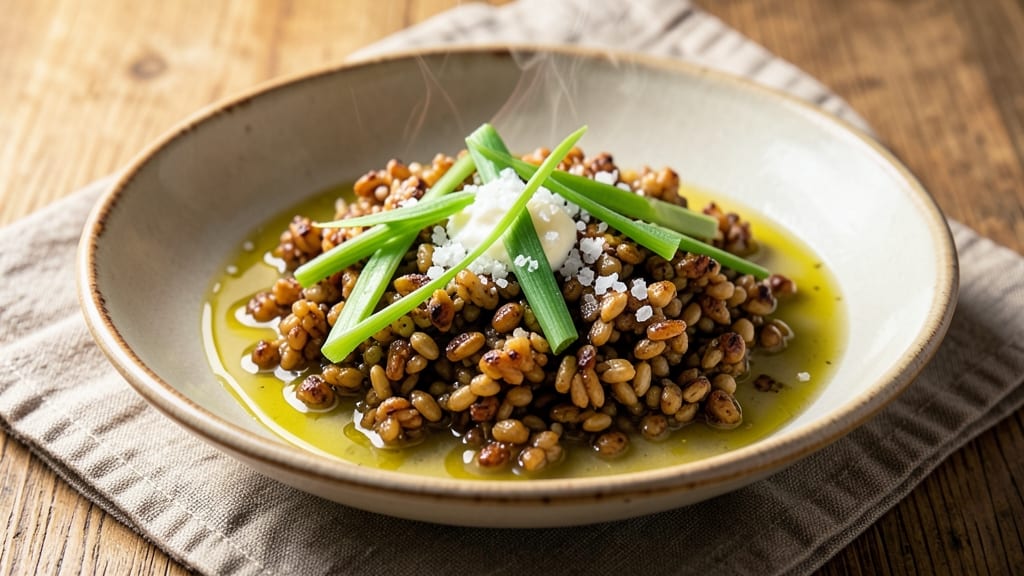
This buckwheat rice recipe transforms earthy, nutty grains into a crispy-crowned side dish that elevates any meal—think golden edges with celery crowns that add unexpected texture. The secret lies in toasting the buckwheat before cooking, which deepens its natural nuttiness and sets the stage for that signature crispy finish.
Unlike ordinary rice, buckwheat delivers a protein-rich, gluten-free base that works as a hearty side or the foundation for grain bowls.
To achieve that crispy celery crown, we'll toast the buckwheat lightly before simmering it in broth, then finish with a crispy top layer of thinly sliced celery and a touch of butter.
The result is a dish with satisfying crunch, balanced by tender grains and subtle earthy flavor—perfect for pairing with roasted meats, grilled fish, or even as a standalone salad. This method keeps preparation simple while delivering restaurant-quality texture.
What makes buckwheat rice truly versatile is its adaptability: use it as a base for Japanese soba or Korean memil gukbap, or modernize it with avocado, roasted vegetables, or a miso-ginger dressing.
The grains hold up well to both traditional and contemporary flavors, making this recipe a staple for anyone looking to add depth and nutrition to their meals. Ready to try it?
This gluten-free, high-protein dish cooks in about 30 minutes and serves 4—ideal for weeknight dinners or meal prep. The crispy celery crown isn’t just decorative; it adds a satisfying crunch that keeps every bite interesting.
Whether you’re serving it alongside a main course or building a grain bowl, this buckwheat rice will become a go-to recipe for its texture, flavor, and ease.
Ingredients for buckwheat rice
Earthy buckwheat meets crispy celery crown in this gluten-free, protein-rich side dish perfect for elevating any meal.
| Ingredient | Amount | Notes |
|---|---|---|
| Buckwheat Groats 🌾 | 1 cup | Rinsed thoroughly before toasting |
| Vegetable Broth 💧 | 2 cups | Low-sodium preferred for balance |
| Celery Stalks 🧅 | 2 whole | Thinly sliced into 1/8-inch rounds |
| Unsalted Butter 🧈 | 2 tbsp | Cold, cubed for crispy finish |
| Olive Oil 🫒 | 1 tbsp | Extra-virgin for toasting |
| Diamond Crystal Kosher Salt 🧂 | ½ tsp | For seasoning broth |
| Black Peppercorns 🌶️ | ¼ tsp | Freshly cracked for aroma |
| Garlic Cloves 🧄 | 2 cloves | Minced for broth infusion |
| Sesame Oil 🫒 | 1 tsp | Toasted for finishing touch |
| Fresh Parsley 🌿 | ¼ cup | Chopped for garnish |
| Toasted Sesame Seeds 🌱 | 1 tbsp | For final garnish |
| Lemon Zest 🍋 | 1 tsp | Brightens flavor profile |
The buckwheat groats are the foundation, and their quality matters—Bob's Red Mill or Anthony's Goods are reliable brands for consistent texture. Toasting them lightly in olive oil before cooking enhances their natural nuttiness and prevents mushiness. For the celery crown, choose firm stalks with vibrant green tops—they should snap crisply when bent. If your grocery store doesn't carry buckwheat groats, substitute pre-toasted buckwheat kasha, though you'll need to adjust cooking time slightly. The vegetable broth should be rich but not overly salty—Imagine or Pacific Foods brands are excellent choices for depth of flavor without excess sodium.
No sesame oil? Toasted peanut oil works as a substitute, though the flavor profile will differ slightly. For a more traditional Japanese-inspired approach, swap the parsley for shiso leaves if available. The celery crown can be prepped ahead and stored in the fridge for up to 2 days, but toast it fresh before serving to maintain crispness. If you prefer a sweeter finish, add 1 tsp maple syrup to the broth—it pairs beautifully with the earthy buckwheat. The lemon zest can be omitted if you're sensitive to citrus, but it adds a bright contrast that balances the dish's richness.
This dish reheats beautifully—simply cover with a damp paper towel and warm in a 350°F oven for 10 minutes. For meal prep, store the cooked buckwheat separately from the crispy celery crown; reheat the grains first, then add the celery crown just before serving to maintain its texture. The sesame seeds and parsley can be added post-reheating for freshness. Leftovers keep well in an airtight container in the fridge for 4-5 days, though the crispy celery crown loses its appeal after 2 days. Freeze the cooked buckwheat without the celery crown for up to 3 months—thaw and crisp the celery fresh when ready to serve.
Why You'll Love This Recipe
- I swear by this trick: just rough-chop the celery into big chunks—no need for perfect dice. The broth and butter do all the flavor work while it simmers, and honestly? That earthy buckwheat taste shines even when you’re half-asleep at the stove.
- No-Chop Necessary: I swear by this trick: just rough-chop the celery into big chunks—no need for perfect dice. The broth and butter do all the flavor work while it simmers, and honestly? That earthy buckwheat taste shines even when you’re half-asleep at the stove.
- Umami Bomb: The celery and vegetable broth create this deep, savory base that makes plain buckwheat groats taste like a fancy side dish. Add a pat of butter at the end, and suddenly it’s rich, toasty, and way more exciting than your average rice.
- Lunchbox Hero: Between us, this keeps perfectly for days in the fridge—ideal for packing lunches or reheating for dinner. The groats hold their shape, and the celery adds a fresh crunch even after reheating. My kids actually ask for leftovers.
Step-by-step instructions for buckwheat rice with crispy celery crown
Transform earthy buckwheat groats into restaurant-quality grains with a crispy celery crown topping.
Toast the Buckwheat Groats for Deep Flavor
Heat a large skillet over medium-high heat and add the 1 tablespoon olive oil. Once shimmering, add the 1 cup buckwheat groats and toast for 3-4 minutes, stirring constantly until they develop a nutty aroma and turn a deeper golden color. This toasting step enhances the natural earthiness of the buckwheat and prevents a raw taste in the finished dish.
Real talk: Don't rush this step. You'll know they're ready when the groats smell intensely nutty and the edges begin to lightly brown. Immediately transfer the toasted groats to a bowl and set aside. The residual heat will continue to develop flavor, but removing them prevents over-toasting which can make them bitter.
Build the Crispy Celery Crown
In the same skillet (no need to clean it—the fond adds flavor), add the 2 tablespoons cold cubed butter over medium heat. Once the butter has melted and begins to foam, add the 2 whole celery stalks sliced into 1/8-inch rounds and the 2 minced garlic cloves. Cook for 8-10 minutes without stirring until the celery becomes golden brown and crispy at the edges.
Here's the thing—you want the celery to caramelize and crisp rather than steam. If it starts to brown too quickly, reduce heat to medium-low and continue cooking. The celery should be so crispy that it makes a satisfying crunch when bitten. Remove from heat and set aside on a paper towel-lined plate to drain excess fat.
Simmer the Buckwheat in Seasoned Broth
In a medium saucepan, combine the toasted buckwheat groats with the 2 cups vegetable broth, 0.5 teaspoon Diamond Crystal kosher salt, and 0.25 teaspoon freshly cracked black peppercorns. Bring to a boil over high heat, then immediately reduce to a simmer. Cover with a tight-fitting lid and cook for 25-30 minutes until the liquid is completely absorbed and the grains are tender.
This is where patience pays off. Stir the buckwheat gently once during cooking to prevent sticking, but avoid lifting the lid which releases steam and extends cooking time. The grains should be tender but still hold their shape with a slight bite—this texture contrast makes the dish interesting. If the broth absorbs too quickly, add 1-2 tablespoons water to maintain moisture.
Finish with Aromatic Elements
Once the buckwheat is tender, remove from heat and stir in the 1 teaspoon lemon zest and 1 teaspoon toasted sesame oil. The lemon zest brightens the earthy buckwheat while the sesame oil adds a nutty depth. Let the mixture sit covered for 5 minutes to allow the flavors to meld.
In a separate small bowl, combine the 0.25 cup chopped fresh parsley with the 1 tablespoon toasted sesame seeds. This mixture will be our garnish to add freshness and texture contrast. The parsley should be finely chopped to distribute evenly, while the sesame seeds provide a satisfying crunch.
Assemble and Serve with Crispy Celery Crown
Fluff the buckwheat gently with a fork to separate the grains and distribute any remaining liquid. Divide evenly among 4 serving plates. Arrange the crispy celery crown on top of each serving, creating a visually striking presentation. The contrast between the tender buckwheat and crispy celery is what makes this dish special.
Finally, sprinkle each serving with the parsley and sesame seed mixture. The acidity of the lemon zest, the nuttiness of the buckwheat, and the crunch of the celery crown create a harmonious balance of textures and flavors. Serve immediately while the celery crown maintains its crispy perfection—this dish doesn't reheat well, so enjoy it fresh.
Pro Tips For Making Buckwheat Rice
- TOAST THE GROATS FIRST: Skip the raw taste—heat 1 tablespoon olive oil in your pot over medium-high until shimmering, then add the buckwheat groats. Stir for 2-3 minutes until they smell nutty and the edges turn just slightly golden. I used to skip this, and the dish always tasted underdeveloped—like someone forgot to wake up the flavor.
- SAUTÉ THE CELEERY LOW: After toasting the groats, reduce heat to medium-low before adding chopped celery. Cook it for 5 minutes until soft but not browned—this prevents bitterness creeping into your broth. High heat turns celery bitter, and you’ll regret it when you taste the final dish.
- USE BUTTER AT THE END: Stir in the unsalted butter only in the last 2 minutes of cooking, off the heat if possible. This keeps it glossy and rich without burning. I learned this after one batch where the butter turned nutty and ruined the whole dish—now I treat it like the finishing touch it is.
- STIR LESS, STIR SMARTER: After adding broth, give the groats one initial stir to distribute them, then resist the urge to check on them. Cover and cook undisturbed for 20 minutes—constant stirring turns buckwheat into mush. My first attempts looked like porridge; now they’re perfectly separate and chewy.
Common mistakes when making this dish
Skipping the Toast
Skipping the toasting step is the most common mistake with buckwheat rice. Toasting the groats for 3-4 minutes in olive oil is crucial—it deepens their nutty flavor and prevents a raw, bitter taste. I’ve learned the hard way that untoasted buckwheat can turn mushy and bland.
If you’re short on time, at least dry-toast them in a skillet over medium heat for 2 minutes without oil. 🔥
Overcooking the Celery Crown
The crispy celery crown needs gentle handling—overcooking turns it soggy and loses its texture. Cook the celery slices in butter over medium heat for 8-10 minutes, stirring only once. If you rush it, the edges will burn before the centers crisp.
My trick? Use a nonstick skillet—it ensures even browning without sticking. Let the celery rest on a paper towel to drain excess fat before serving.
Using the Wrong Broth
Vegetable broth should be flavorful but not overly salty—low-sodium brands like Imagine or Pacific Foods work best. High-sodium broth can make the buckwheat taste flat or even salty.
If your broth lacks depth, add a 1-inch piece of kombu (seaweed) to the simmering liquid for 10 minutes before removing it. This adds umami without salt. Trust me, your taste buds will notice the difference.
Lifting the Lid Too Often
Peeking under the lid while the buckwheat cooks releases steam, which extends cooking time by 5-10 minutes. The grains need a tight seal to steam properly. If you must check, use a spoon to stir gently from the side.
I’ve ruined more than one batch by lifting the lid too soon—patience here is key. The grains should be tender but still slightly chewy, not mushy.
Ignoring the Resting Time
After cooking, let the buckwheat rest covered for 5 minutes before fluffing. This allows steam to redistribute, ensuring even texture. Skipping this step can leave the grains dry or uneven. I also recommend resting the crispy celery crown for 2 minutes after cooking—it helps set the crispiness before serving. 💡
Overcrowding the Pan
Cooking too many buckwheat groats at once in a small skillet causes uneven toasting and steaming. Use a 10-inch skillet for 1 cup of groats—any larger, and the heat disperses, leading to pale, undercooked grains.
If you’re making a bigger batch, divide it into 2 batches and toast separately. This ensures consistent color and flavor in every bite.
Nutrition facts
Frequently asked questions
Is buckwheat rice gluten-free?
Yes! Buckwheat is naturally gluten-free and makes an excellent alternative to wheat-based grains. Despite its name, it's not related to wheat or rice—it's actually a seed from the rhubarb family. This recipe is perfect for those with gluten sensitivities or celiac disease, and it provides a hearty, protein-rich base for meals.
Can I substitute regular rice for buckwheat?
Not recommended! Buckwheat has a distinct earthy, nutty flavor and chewy texture that regular rice can't replicate. However, if you're short on time, you could use quinoa as a similar gluten-free grain alternative—though it won't have the same toasted nuttiness. The crispy celery crown would still work beautifully with quinoa.
How do I make this recipe vegan?
This recipe is already vegan-friendly! Simply replace the butter with vegan butter or olive oil for cooking the celery crown. The vegetable broth should also be vegan-certified. All other ingredients are plant-based, so no additional substitutions are needed. The result is a satisfying, protein-rich dish perfect for vegan diets.
Can I make this ahead of time?
Yes, but with a few adjustments. Cook the buckwheat and store it in an airtight container in the fridge for up to 4 days. The crispy celery crown should be made fresh before serving—it loses its texture when reheated. To reheat, warm the buckwheat in a skillet with a splash of water or broth, then top with freshly made celery crown.
What are some great toppings for buckwheat rice?
This versatile grain pairs well with endless toppings! Try adding roasted vegetables, avocado slices, grilled tofu, or a miso-ginger dressing for a Japanese-inspired bowl. For a Korean twist, top with kimchi and a fried egg. The crispy celery crown adds texture, while fresh herbs like parsley or cilantro brighten the earthy flavors.