
Main Courses
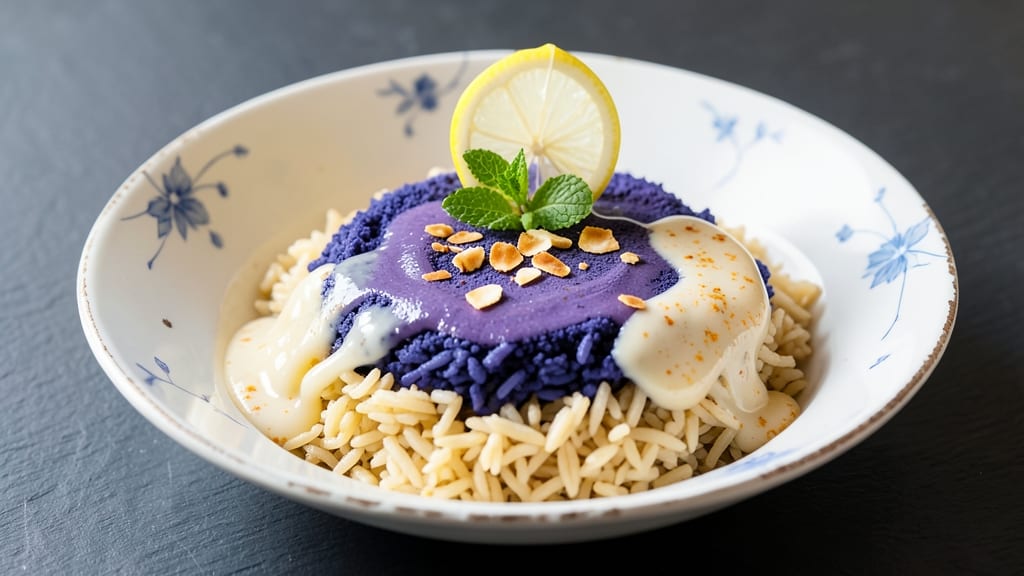
This butterfly pea rice recipe transforms ordinary grains into a stunning blue-purple masterpiece—naturally vibrant, creamy, and packed with Southeast Asian flair.
The secret lies in infusing rice with butterfly pea flower powder, which shifts color dramatically when exposed to acid or heat, creating a visual spectacle as mesmerizing as it is delicious.
The creamy coconut twist elevates this dish beyond a simple side, delivering a rich, fragrant base that pairs beautifully with proteins like grilled chicken or tofu. Perfect for vegan diets, this recipe delivers both aesthetic appeal and bold flavor—ideal for special occasions or everyday meals that deserve a wow factor.
Let’s create this showstopper!
Ingredients for butterfly pea rice
Elevate ordinary rice into a vibrant, creamy masterpiece with these essential ingredients.
| Ingredient | Amount | Notes |
|---|---|---|
| Jasmine Rice 🍚 | 1 cup | Uncooked, long-grain preferred |
| Butterfly Pea Flower Powder 🌸 | 1 tbsp | Organic, vibrant blue powder |
| Full-Fat Coconut Milk 🥥 | 13 ½ oz | Canned, full-fat preferred |
| Light Coconut Milk 🥥 | 1 cup | Canned, for creaminess |
| Vegetable Broth 💧 | 1 ½ cups | Low-sodium preferred |
| Fresh Lemon Juice 🍋 | 2 tbsp | Freshly squeezed |
| Lime Zest 🍈 | 1 tsp | Finely grated |
| Garlic Cloves 🧄 | 2 cloves | Minced for aroma |
| Fresh Ginger 🌿 | 1 tbsp | Grated finely |
| Coconut Oil 🫒 | 1 tbsp | For cooking |
| Sea Salt 🧂 | ½ tsp | Diamond Crystal preferred |
| White Miso Paste 🍶 | 1 tbsp | For umami depth |
| Fresh Cilantro 🌿 | ¼ cup | Chopped, for garnish |
| Toasted Cashews 🥜 | ¼ cup | Chopped, optional garnish |
The butterfly pea flower powder is the star—look for organic brands at specialty stores like Whole Foods or online retailers for the most vibrant color. Jasmine rice is ideal for its delicate texture, but basmati works equally well. For coconut milk, Aroy-D or Thai Kitchen brands deliver the richest flavor. Fresh ginger and garlic should be bright and firm, with no signs of sprouting. The Diamond Crystal sea salt enhances flavor without overpowering the delicate balance of this dish.
No butterfly pea powder? Blue spirulina powder at half the amount creates a milder blue effect. Substitute cashew cream (blend soaked cashews with water) for coconut milk if needed. Fresh lime zest can be replaced with bottled lime zest in a pinch, though fresh is preferred. The white miso paste adds depth—Miso Master or Hodo brands are excellent choices. For a quicker prep, use pre-minced garlic and ginger from the refrigerated section, though freshly grated delivers superior flavor.
Store cooked rice in an airtight container for up to 4 days in the refrigerator. The vibrant color fades slightly over time, but the flavor remains rich. For longer storage, freeze portions for up to 3 months. Garnishes like cilantro and toasted cashews should be added fresh before serving to maintain their crisp texture. Reheat gently with a splash of water or coconut milk to restore creaminess.
Why You'll Love This Recipe
- One-Pot Magic: I swear by this recipe because it’s actually one-pot—just rice, coconut milk, broth, and that vibrant butterfly pea powder. No chopping, no fussing, just stir, simmer, and serve. Honestly, my lazy Sundays just got a glow-up.
- Color-Shifting Wonder: The moment you add lemon juice, the rice turns from soft blue to bright purple—like a party in your bowl. It’s not just food; it’s a mood booster. My kids still stare at their plates when it happens, and I get to feel like a mad scientist.
- Meal Prep MVP: This keeps for days in the fridge, and the flavors only deepen. I make a big batch on Sundays, toss it in containers, and suddenly lunch is sorted. (Yes, even on a Tuesday night when you’re exhausted.)
- Budget Brightener: Jasmine rice and coconut milk are affordable staples, and a little butterfly pea powder goes a long way. It’s fancy enough for guests but cheap enough to eat all week. My wallet and my taste buds both win.
Step-by-step instructions for butterfly pea rice
Master this vibrant dish with precise technique and vibrant color transformation.
Toast the Jasmine Rice for Nuttier Flavor
Heat a medium saucepan over medium heat and add the 1 tablespoon coconut oil. Once shimmering, add the 1 cup jasmine rice and stir constantly for 2-3 minutes until the grains become translucent at the edges and release a nutty aroma.
This toasting step develops deeper flavor in the rice by caramelizing its natural starches. Watch carefully—the rice should turn just slightly golden without burning. If you see any dark spots, remove the pan from heat immediately. The rice is ready when it sounds dry and you can hear it rattling in the pan.
Bloom the Butterfly Pea Powder and Sauté Aromatics
Reduce heat to low and sprinkle in the 1 tablespoon butterfly pea flower powder, stirring vigorously for 30 seconds to fully incorporate. Remove from heat and set aside. In a separate small pan, heat 1/2 tablespoon coconut oil over medium-low heat and add the 2 minced garlic cloves and 1 tablespoon finely grated ginger.
Sauté for 1-2 minutes until fragrant but not browned—you should smell the bright, citrusy aroma of ginger and the sweet, pungent garlic. This aromatic base forms the flavor foundation for your rice. Keep these aromatics nearby as you'll add them back later in the cooking process.
Build the Coconut Milk Base
In a large pot with a tight-fitting lid, combine the toasted rice mixture with the 13.5 oz full-fat coconut milk, 1 cup light coconut milk, and 1.5 cups vegetable broth. Stir well to distribute the rice evenly throughout the liquid. Bring to a gentle boil over medium-high heat, then immediately reduce to low heat, cover, and simmer for 15 minutes.
During this time, the rice will absorb the coconut milk and begin its transformation. The color will shift from pale blue to a deeper violet as the butterfly pea powder infuses. After 15 minutes, check for doneness by pressing a grain against the side of the pot with a fork—it should be tender but still slightly firm in the center.
Finish with Umami and Acid Balance
Uncover the pot and stir in the 1 tablespoon white miso paste, 2 tablespoons fresh lemon juice, 1 teaspoon lime zest, and 1/2 teaspoon sea salt. Simmer uncovered for an additional 5-7 minutes until the rice reaches your desired creaminess—it should be tender with just a slight bite remaining.
Taste and adjust seasoning: add more lemon juice if you want brighter acidity or more salt if the flavors need balance. The miso paste adds deep umami that complements the coconut's sweetness. The rice should now have a luxurious, creamy texture with vibrant purple-blue hues that shift dramatically when exposed to acid (like lemon).
Garnish and Serve Immediately
Transfer the finished rice to a serving dish and immediately garnish with the 1/4 cup chopped fresh cilantro and 1/4 cup toasted cashews. The contrast of green and toasted nut adds visual appeal while the cilantro brightens the dish with fresh herb notes.
Serve while warm to experience the full magic: the rice's color will shift from deep violet to brilliant blue when exposed to acidic components in your meal. This dish pairs beautifully with grilled proteins or as a standalone vegetarian centerpiece. The creamy coconut base ensures each bite delivers rich, velvety texture with every spoonful.
Pro Tips For Making Butterfly Pea Rice
- Bloom the Powder First: Mix the butterfly pea powder directly into the light coconut milk before adding it to the pot—this prevents clumping and ensures an even, vibrant color. I used to just toss it in with the broth, and half the time it sat in chunks like confetti instead of dissolving smoothly.
- Toast the Rice Lightly: Give the jasmine rice a quick 2-minute dry toast in the pot over medium heat before adding liquid—this removes raw starch and keeps the grains separate. I learned this the hard way after serving mushy rice that stuck together like glue.
- Layer the Coconut Milks: Pour the full-fat coconut milk first, then the light coconut milk on top—this creates a gradient of creaminess instead of diluting the richness. The first time I mixed them, the dish tasted watered down, and the texture lost its luxurious bite.
- Simmer, Don’t Boil: Keep the heat at a gentle simmer (tiny bubbles, not rolling) once the liquid comes to a boil—this prevents the rice from turning gummy and lets the broth absorb evenly. I used to crank the heat, and the rice would either burn or turn to mush.
Serving suggestions for leftovers
Color-Changing Garnishes
Add lemon wedges or lime slices to your plate—when they touch the rice, the vibrant blue-purple hue transforms into a stunning turquoise. This interactive element makes your dish a centerpiece for dinner parties.
I like placing a small bowl of mango slices nearby, as their acidity also triggers the color shift while adding tropical freshness. 💫
Protein Pairings
For a complete meal, serve with grilled tofu marinated in soy sauce and garlic or pan-seared tempeh with a chili glaze. The creamy coconut rice balances the savory, umami-rich proteins beautifully.
If you prefer meat, teriyaki-glazed chicken or miso-marinated salmon complement the dish's Southeast Asian flavors without overpowering the delicate rice.
Vegetable Sides
Light, crisp vegetables cut through the richness of the coconut rice. Try steamed bok choy with a sprinkle of toasted sesame seeds or a mango-avocado salad dressed with lime and chili.
For extra texture, add quick-pickled cucumbers—their tangy crunch contrasts perfectly with the creamy rice. I often serve blistered shishito peppers for a subtle heat element.
Dipping Sauces
Offer a spicy peanut sauce (mix 2 tbsp peanut butter, 1 tbsp soy sauce, 1 tsp sriracha, and 1 tsp lime juice) or a tahini-lemon dip (combine 3 tbsp tahini, 2 tbsp lemon juice, and 1 tbsp water) for dipping.
These sauces enhance the meal's depth while providing additional flavor layers. Keep them in small bowls on the side for easy access.
Presentation Tips
Use a white or light-colored plate to make the vibrant colors pop. Arrange the rice in a mound and create a well in the center for sauces or garnishes. For an elegant touch, drizzle toasted coconut flakes or a light honey glaze around the edges.
Serve with edible flowers like pansies for a restaurant-worthy presentation that feels special yet approachable. ✨
Nutrition facts
Frequently asked questions
Why does the butterfly pea rice change color?
The vibrant color transformation happens thanks to the butterfly pea flower powder's natural pH-sensitive properties. When exposed to acid (like lemon juice or lime), it shifts from deep purple to brilliant blue! This magical effect makes it perfect for interactive dining experiences. The coconut milk creates a neutral base that lets the color pop even more dramatically.
Can I make this recipe without coconut milk?
Yes, but the texture and flavor will differ. For a creamy alternative, use cashew cream (blend 1 cup soaked cashews with 1 cup water) or a mix of half coconut milk and half vegetable broth. The dish will still be flavorful, though the rich coconut notes will be missing. For a lighter version, swap in extra broth and a splash of cream cheese for creaminess.
How can I make the rice extra creamy?
For ultra-creamy results, stir in 2 tablespoons coconut cream (the thick layer from the top of a can of coconut milk) during the final 5 minutes of cooking. You can also add 1/4 cup Greek yogurt or tofu blended smooth at the end for extra richness. The key is to keep the rice covered while simmering to trap steam and develop that velvety texture.
What if my rice turns out too dry?
If your rice is undercooked or dry, don't worry—simply add 2-3 tablespoons hot vegetable broth or coconut milk and stir gently. Cover and let it steam for another 5 minutes. Avoid adding cold liquid as it can make the rice mushy. For future attempts, make sure your pot has a tight-fitting lid and check the rice's doneness after 12 minutes instead of waiting the full 15 minutes.
Can I use this rice for sushi or rice bowls?
This creamy rice works beautifully for vegan sushi rolls—just spread it on nori sheets with your favorite fillings. For rice bowls, try pairing it with grilled tofu, avocado, and pickled veggies**. The vibrant color makes it a stunning centerpiece. For sushi, let the rice cool slightly before shaping to prevent sticking. The texture holds up well when chilled, though the color may darken slightly.