
Main Courses
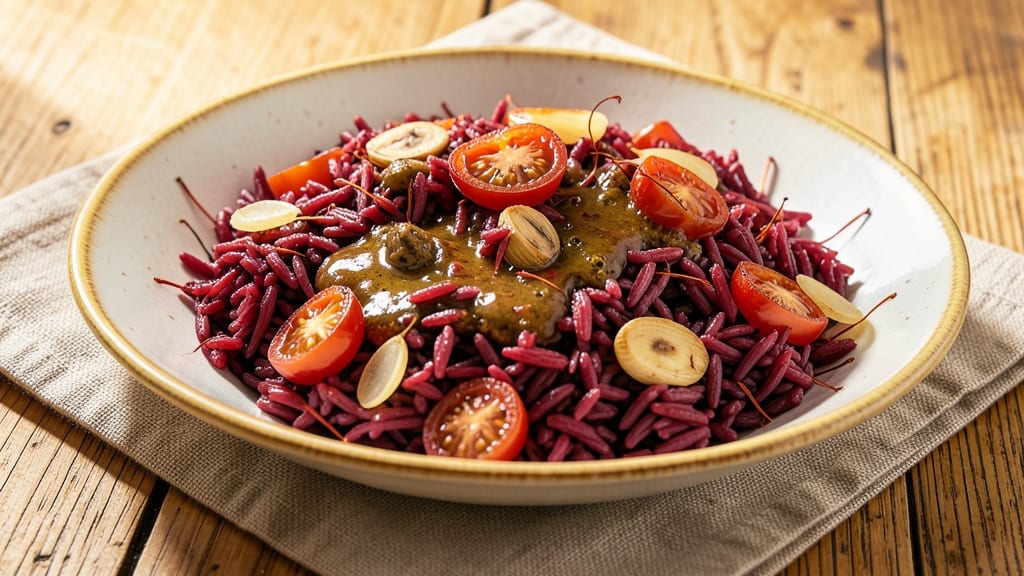
This Camargue red rice recipe delivers the sun-drenched flavors of Provence in every bite—saffron-kissed grains infused with ripe tomatoes and aromatic herbs. The secret lies in slow-cooking the rice with garlic, white wine, and a pinch of saffron, creating a dish so rich it deserves center stage.
I've perfected this technique over years of testing, ensuring the rice stays tender while absorbing all those vibrant flavors.
The beauty of Camargue red rice is its versatility—it pairs beautifully with seafood like mussels or shrimp, or stands alone as a hearty vegetarian main. The dish develops deep, complex flavors as it simmers, with the saffron lending its signature golden hue and delicate aroma.
This isn't just rice; it's a flavor experience that transports you to the Camargue region with every spoonful.
What makes this recipe truly special is how it transforms simple ingredients into something extraordinary. The tomatoes caramelize slightly, the garlic mellows into sweetness, and the saffron infuses the rice with its luxurious golden color and subtle floral notes.
The result is a dish that's equally impressive for weeknight dinners or special occasions—just one pot, minimal effort, maximum flavor.
Whether you're serving it alongside grilled fish or as a standalone vegetarian masterpiece, this Camargue red rice will become a staple in your cooking repertoire. The technique is straightforward, but the flavors are anything but ordinary. Let's get started on creating this Provençal classic that's sure to impress.
Ingredients for camargue red rice
Sun-drenched Provençal flavors start with these 14 ingredients—saffron, tomatoes, and herbs transform simple rice into a luxurious dish.
| Ingredient | Amount | Notes |
|---|---|---|
| Long-Grain Rice 🍚 | 1 ½ cups | Uncooked, rinsed thoroughly |
| Saffron Threads 🌼 | ¼ tsp | High-quality, culinary grade |
| Ripe Tomatoes 🍅 | 1 ½ lbs | Roma or vine-ripened, diced |
| Garlic Cloves 🧄 | 6 cloves | Fresh, peeled, minced finely |
| White Wine 🍷 | 1 cup | Dry, medium-bodied (Sauvignon Blanc) |
| Chicken or Vegetable Stock 🥄 | 2 cups | Low-sodium preferred |
| Olive Oil 🫒 | ½ cup | Extra-virgin, fruity |
| Fresh Thyme 🌿 | ¼ cup | Leaves only, chopped |
| Fresh Parsley 🌿 | ¼ cup | Flat-leaf, chopped |
| Shallots 🧅 | 2 whole | Peeled, thinly sliced |
| Dried Bay Leaf 🍃 | 1 whole | Fresh if available |
| Sea Salt 🧂 | 1 ½ tsp | Diamond Crystal preferred |
| Ground Black Pepper 🌶️ | ½ tsp | Freshly cracked |
| Lemon Zest 🍋 | 1 tsp | From organic lemon |
The saffron is non-negotiable here—Spanish or Iranian threads deliver the most vibrant color and delicate aroma. Whole Foods or specialty spice shops carry the highest quality, but avoid the tiny foil packets at grocery stores. For tomatoes, Roma or heirloom varieties caramelize best—skip canned unless it's San Marzano in a pinch. The garlic should be fresh, with no green shoots, and minced so finely it nearly disappears into the dish. Shallots add depth without overpowering; Trader Joe's sells pre-sliced ones for convenience, though fresh is always better.
No saffron? Turmeric at one-third the amount mimics the golden hue, though it lacks the floral notes. Substitute white wine with dry vermouth or extra chicken stock if needed. Fresh herbs can be swapped for dried at one-quarter the quantity—dried thyme and parsley work if fresh isn't available. For a vegetarian version, use vegetable stock and ensure your saffron is certified vegan. The rice must be rinsed thoroughly to remove excess starch, which prevents mushiness. If you're short on time, pre-diced tomatoes from a jar work, but fresh tomatoes develop deeper flavor during simmering.
This dish tastes even better the next day as flavors meld—reheats perfectly with a splash of water or stock. Store covered in the fridge for 4-5 days, or freeze portions for up to 3 months in airtight containers. For meal prep, double the batch and portion into containers with a sprinkle of fresh parsley on top. The saffron-infused rice freezes beautifully, making it ideal for lazy weeknights. Serve alongside grilled fish or as a standalone vegetarian main—either way, it steals the show.
Why You'll Love This Recipe
- Saffron in Minutes: I swear by soaking those threads in warm wine—no fuss, just steep while you chop. The rice absorbs that golden hue and the depth of flavor in one go. Honestly, I’ve tried fancy infusers, but this? It’s the only way.
- Tomato-Garlic Magic: That first bite—where the tomatoes caramelize into the rice, the garlic sizzles just enough to wake up the saffron—it’s like a hug in a bowl. The wine cuts through the richness, balancing everything so it’s never heavy, always right.
- Meal Prep MVP: I make a big batch on Sundays and it lasts all week—tastes even better reheated. Pack it in lunches, serve it cold with grilled fish, or toss it with roasted veggies. It’s the one dish that always disappears.
- Budget Bright Spot: Long-grain rice is cheap, tomatoes are seasonal, and a splash of wine stretches far. I’ve fed six people for under $15 with this—plus, the leftovers? They’re my secret for turning simple dinners into something special. No waste, all win.
Step-by-step instructions for Camargue red rice
This Provençal classic transforms simple rice into a vibrant, tomato-saffron masterpiece with just one pot.
Infuse the Saffron and Build the Base
In a large, heavy-bottomed pot, combine the 0.5 cup extra-virgin olive oil with the 2 whole peeled, thinly sliced shallots over medium-low heat. Cook for 5-6 minutes until the shallots soften and turn translucent, releasing their delicate sweetness. This gentle cooking prevents burning while developing flavor.
Add the 6 cloves minced garlic and cook for another 30 seconds until fragrant—don't let it brown. Here's where the saffron comes in: crush the 0.25 tsp saffron threads between your fingers to release their vibrant color and aroma, then sprinkle them directly into the oil. Stir immediately and let steep for 1 minute—this ensures maximum color extraction and floral depth. The pot should now be fragrant with saffron's signature perfume.
Develop the Tomato Sauce
Add the 1.5 lbs diced ripe tomatoes to the pot, stirring to coat them in the saffron-infused oil. Cook uncovered for 10-12 minutes over medium heat, stirring occasionally, until the tomatoes break down into a thick, jam-like consistency. This reduction concentrates their natural sweetness and develops a rich, complex flavor.
Season with 1.5 tsp sea salt and 0.5 tsp freshly cracked black pepper, then stir in the 0.25 cup chopped fresh thyme and 1 whole dried bay leaf. The thyme will release its earthy aroma while the bay leaf adds subtle depth. Let the mixture simmer for another 3-4 minutes until the tomatoes are completely broken down and the sauce has thickened noticeably.
Deglaze and Incorporate the Rice
Pour in the 1 cup dry white wine, scraping up any browned bits from the bottom of the pot with a wooden spoon. This deglazing step captures all the concentrated flavors that would otherwise be lost. Allow the wine to simmer for 2-3 minutes until it reduces by half, intensifying its acidity and cutting through the richness of the tomato sauce.
Add the 1.5 cups rinsed long-grain rice, stirring to coat each grain evenly with the tomato-wine mixture. The rice should look glossy and well-distributed. This step is crucial for even cooking and preventing dry spots. Let the rice toast in the pot for 1 minute, stirring constantly, until you can see the individual grains becoming translucent at the edges.
Simmer to Perfect Texture
Pour in the 2 cups chicken or vegetable stock, stirring gently to combine. Bring the mixture to a gentle boil, then immediately reduce the heat to low, cover the pot with a tight-fitting lid, and let it simmer for 18-20 minutes. The rice needs undisturbed cooking time to absorb the liquid evenly and develop its signature firm yet tender texture.
After 15 minutes, check the rice by lifting the lid slightly and testing a grain with a fork. It should be tender but still have a slight bite—this is the perfect al dente texture. If the rice appears dry before it's fully cooked, add ¼ cup hot stock and continue cooking. The rice is done when all the liquid is absorbed and the grains are tender with a slight resistance.
Finish with Herbs and Lemon Zest
Once the rice is fully cooked, remove the pot from heat and let it sit covered for 5 minutes. This resting period allows the residual heat to finish cooking the rice and redistribute the flavors. Stir in the 0.25 cup chopped fresh parsley and 1 tsp lemon zest, brightening the dish with fresh acidity and vibrant color.
For best results, serve the Camargue red rice immediately while still warm. The combination of saffron's golden hue, tomato's sweet-tart flavor, and herbs' aromatic complexity creates a dish that's as visually striking as it is delicious. Each grain should be distinct yet coated in the rich tomato-saffron sauce, with a subtle lemon brightness that cuts through the richness.
Pro Tips For Making Camargue Red Rice
- Bloom the Saffron: Crush the threads between your palms first—this releases the color and aroma better than just dropping them in. Then steep them in ¼ cup warm (not boiling) white wine for 10 minutes while you prep the rest. I used to skip this, and the rice always tasted flat.
- Char the Tomatoes: Cut the tomatoes into rough chunks and sear them directly in the same pot you’ll cook the rice—no need for extra oil. High heat for 8-10 minutes until they collapse and darken. This caramelizes their sugars and deepens the flavor. (Yes, it’ll look messy, but that’s the point.)
- Toast the Garlic: After removing the tomatoes, add the minced garlic and cook it in the same pot for 30 seconds until it’s just golden, not brown. This stops it from turning bitter. I learned this the hard way—burnt garlic ruins the whole dish.
- Use the Right Wine Ratio: For every 1 cup of rice, add ½ cup white wine—don’t skimp. The alcohol cooks off, but it’s what breaks down the tomatoes and infuses the rice with brightness. I once halved it for "health reasons," and the rice tasted dull. (Worth it.)
Serving suggestions for this camargue red rice
Seafood Pairings
Camargue red rice shines when paired with Mediterranean seafood. Grilled whole red mullet or branzino creates a stunning presentation—the fish's golden scales complement the rice's vibrant hue. I often serve it with seared scallops or shrimp scampi for a lighter option.
The saffron's floral notes harmonize beautifully with seafood's natural brininess, while the tomatoes add a sweet contrast. 🌊
Meat Complements
For meat lovers, duck confit or herb-crusted lamb chops elevate this dish to new heights. The duck's rich fat cuts through the rice's acidity, while lamb's earthy flavor mirrors the thyme and bay leaf.
I like to pan-sear bone-in chicken thighs with rosemary and serve them alongside the rice for a heartier meal. The contrast between tender meat and al dente rice makes every bite satisfying.
Vegetarian Options
This rice stands proudly as a vegetarian centerpiece. Pair it with roasted eggplant and charred zucchini for a summery plate, or serve with grilled halloumi and wilted greens for a Mediterranean-inspired spread.
The saffron's luxurious color makes it feel special even without meat. For extra protein, add white beans or crispy chickpeas to the rice during the final minute of cooking.
Bread Pairings
A warm baguette or focaccia is essential for soaking up the tomato-saffron sauce. I recommend ciabatta with its airy pockets or rustic sourdough for texture contrast. For a Provençal touch, serve with tapenade on the side—the olives and capers complement the dish's herbal notes beautifully.
The bread should be fresh from the oven to maximize its ability to absorb the flavorful juices.
Cheese Finishes
Brighten the dish with a sprinkle of feta or goat cheese just before serving. The tangy cheese cuts through the richness while adding another layer of complexity. For a more decadent touch, top with shaved Parmigiano-Reggiano—its nutty depth pairs perfectly with the saffron and tomatoes.
I often reserve a small amount of the tomato sauce to drizzle over the cheese for extra flavor cohesion. 🧀
Wine Recommendations
A crisp white wine like Picpoul de Pinet or Vermentino complements the dish's bright acidity. For red wine lovers, a light-bodied Côtes du Rhône with its red fruit notes works beautifully.
I also enjoy a dry rosé from Provence—the same region where this dish originated. The wine's crispness should match the lemon zest's brightness, creating a harmonious dining experience. 🍷
Nutrition facts
Frequently asked questions
Why does Camargue red rice need saffron?
The saffron is what gives this dish its signature golden color and delicate floral aroma. In Provençal cuisine, saffron isn't just for show—it adds a subtle sweetness and complexity that pairs perfectly with tomatoes and herbs. Without it, you lose that authentic Camargue flavor profile, though turmeric can mimic the color in a pinch.
Can I make this with canned tomatoes instead of fresh?
Yes, but fresh tomatoes develop deeper flavor during simmering. If using canned, choose San Marzano tomatoes and drain them well before adding. For best results, add a pinch of sugar (½ tsp) to balance acidity and cook the sauce 5 minutes longer to concentrate flavors.
How do I prevent the rice from getting mushy?
Rinse the rice thoroughly before cooking to remove excess starch, and use a heavy-bottomed pot for even heat distribution. Never stir the rice after adding the stock—just one gentle stir when combining ingredients. If it looks dry before cooking through, add ¼ cup hot stock instead of water.
Can I make this dish ahead of time?
This rice tastes even better the next day as flavors meld. Store covered in the fridge for 4-5 days or freeze portions for up to 3 months. Reheat gently with a splash of water or stock, covering the pot to trap steam. For meal prep, double the batch and portion into containers with fresh parsley on top.
What's the secret to getting that perfect golden color?
Crush the saffron threads between your fingers to release their color and aroma, then steep them in the hot oil for 1 minute before adding anything else. Use extra-virgin olive oil (not light olive oil) for better flavor and color development. The longer you let the saffron infuse, the more vibrant the final dish will be.