
Main Courses
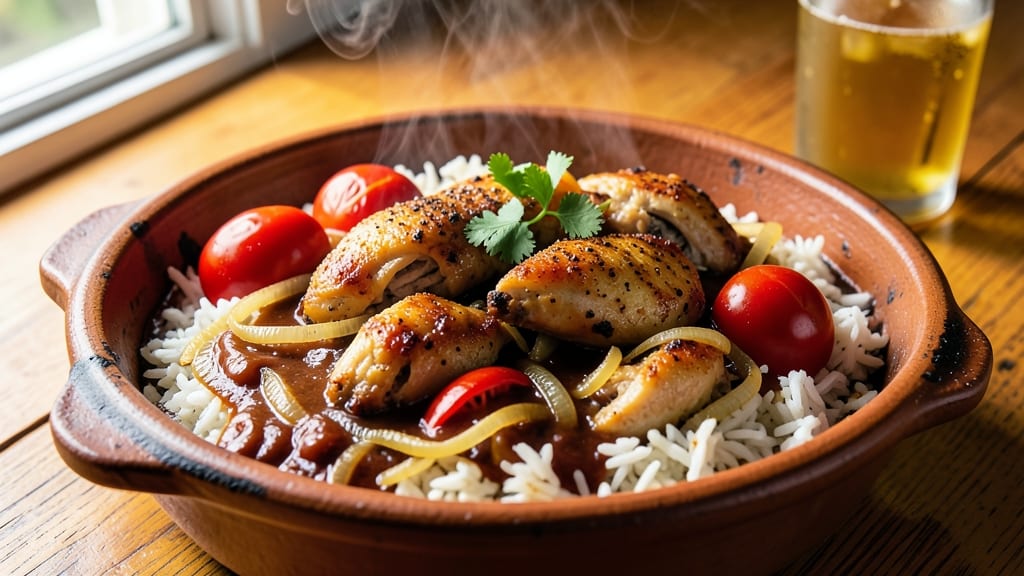
Cameroonian Jollof rice delivers a bold, smoky tomato-basil flavor that transforms ordinary rice into a vibrant centerpiece dish. This recipe combines tender protein, aromatic spices, and perfectly balanced tomato sauce for a complete meal that always impresses.
The secret lies in slow-cooking the rice with peppers and tomato paste until it achieves that signature reddish-brown hue and rich depth.
Traditionally made with chicken or beef, this version includes fresh vegetables and a blend of thyme, curry powder, and local spices for authentic taste. The dish is hearty enough for gatherings but simple enough for weeknight dinners.
Mastering this recipe means achieving restaurant-quality flavor with minimal effort—once you try it, you'll never go back to basic rice again.
Ingredients for cameroonian jollof rice
Sixteen ingredients transform simple rice into a restaurant-quality centerpiece dish with smoky depth and vibrant tomato-basil notes.
| Ingredient | Amount | Notes |
|---|---|---|
| Long-Grain White Rice 🍚 | 2 cups | Uncooked, rinsed thoroughly |
| Chicken Thighs 🍗 | 1 ½ lb | Bone-in, skin-on preferred |
| Red Bell Peppers 🌶️ | 2 whole | Seeded, diced into 1/2-inch pieces |
| Fresh Tomatoes 🍅 | 1 ½ lb | Ripe, diced into 1/2-inch pieces |
| Tomato Paste 🍅 | ½ cup | High-quality, unsweetened |
| Yellow Onions 🧅 | 1 whole | Medium, finely chopped |
| Garlic Cloves 🧄 | 6 cloves | Minced finely |
| Fresh Basil Leaves 🌿 | ½ cup | Packed, chopped finely |
| Thyme Leaves 🌿 | 1 tbsp | Fresh preferred, or 1 tsp dried |
| Curry Powder 🌶️ | 1 tbsp | Authentic West African blend |
| Ground Ginger 🌿 | 1 tsp | Freshly grated preferred |
| Smoked Paprika 🌶️ | 1 tsp | For authentic smoky flavor |
| Salt 🧂 | 1 ½ tsp | Diamond Crystal preferred |
| Black Pepper 🌶️ | ½ tsp | Freshly ground |
| Vegetable Oil 🫒 | ½ cup | High smoke point preferred |
The chicken thighs are non-negotiable for authentic flavor—the bone-in, skin-on version delivers rich, smoky notes as it renders. Local butchers often have the best quality, but any reputable grocery store will carry them. Look for thighs with good marbling and vibrant color. The tomatoes and bell peppers should be ripe but firm; Heirloom varieties from farmers markets elevate the dish significantly. For the tomato paste, San Marzano is ideal, though any high-quality brand will work. Fresh basil is essential—dried simply won't provide that bright, aromatic punch that defines Cameroonian Jollof.
No fresh thyme? Dried works at one-third the amount, but the flavor profile shifts slightly. Substituting chicken for beef? Use chuck roast cut into chunks, but increase cooking time by 20-30 minutes. The curry powder is crucial—Madagascar or West African blends from specialty stores provide the authentic depth. For a vegetarian version, swap the chicken for extra-firm tofu or chickpeas, but increase the cooking liquid by 1/2 cup. The smoked paprika can be replaced with regular paprika plus a pinch of liquid smoke for that signature smokiness.
This dish tastes even better the next day as the flavors meld. Store leftovers in an airtight container in the refrigerator for up to 5 days, or freeze portions for 3 months. The rice reheats beautifully—just add a splash of water or broth when warming. For meal prep, cook the sauce separately and store it in the fridge for up to 4 days, then combine with freshly cooked rice when ready to serve. The basil can be prepped ahead and stored in the freezer for up to 3 months if wrapped tightly in plastic.
Why You'll Love This Recipe
- Here’s what sold me: that thick, concentrated tomato paste gives it a depth you won’t find in other jollof recipes. It’s not just sweet—it’s got this earthy, umami punch that makes every bite taste like a hug from Cameroon.
- One-Pot Magic: I swear by this recipe when I’m too tired to scrub pots—just brown the chicken, toss in the peppers and tomatoes, then let the tomato paste and rice simmer together. The rice absorbs all that rich, smoky flavor right in the same pot where the chicken cooks.
- Tomato Paste Secret: Here’s what sold me: that thick, concentrated tomato paste gives it a depth you won’t find in other jollof recipes. It’s not just sweet—it’s got this earthy, umami punch that makes every bite taste like a hug from Cameroon.
- Leftovers That Don’t Suck: Between us, most jollof gets dry the next day. Not this one. The chicken stays juicy, the rice holds its shape, and honestly? I’ll eat it cold in a wrap or reheat it with a splash of water—still tastes like Sunday dinner.
Step-by-step instructions for authentic Cameroonian jollof rice
Master this West African classic with its signature smoky tomato-basil sauce and perfectly balanced spices.
Prepare the Chicken and Aromatics
Pat the 1.5 lb chicken thighs dry with paper towels and season generously with 1.5 tsp salt, 0.5 tsp black pepper, and 1 tsp smoked paprika. Heat 0.5 cup vegetable oil in a large pot over medium-high heat until shimmering. Add the chicken and cook for 8-10 minutes per side until the skin is golden brown and crispy, and the internal temperature reaches 165°F. Remove the chicken and set aside.
In the same pot, add the 1 whole yellow onion and cook for 3-4 minutes until softened. Add the 6 cloves minced garlic, 1 tbsp thyme leaves, 1 tsp ground ginger, and 1 tbsp curry powder, stirring constantly for 1 minute until fragrant. This aromatic base forms the flavor foundation of your jollof.
Build the Smoky Tomato Sauce
Add the 2 whole red bell peppers and 1.5 lb fresh tomatoes to the pot, stirring to combine with the aromatics. Cook for 10-12 minutes until the tomatoes break down into a thick, pulpy consistency. The mixture should darken slightly and develop a rich, earthy aroma.
Stir in the 0.5 cup tomato paste and cook for another 5 minutes, stirring frequently to prevent burning. This step deepens the sauce's complexity and creates that signature jollof color. If the sauce becomes too thick, add 2-3 tablespoons of water to maintain proper consistency.
Simmer with the Rice
Add the 2 cups long-grain white rice to the pot, stirring to coat each grain with the tomato sauce. Pour in 4 cups of water (or enough to cover the rice by about 1 inch) and bring to a gentle boil. Once boiling, reduce heat to low, cover the pot tightly with a lid, and simmer for 20 minutes without disturbing it.
After 20 minutes, uncover the pot and stir gently to check the rice. If the liquid has mostly absorbed but the rice isn't fully tender, add ½ cup hot water and cover again. Cook for another 5-10 minutes until the rice is tender with a slight bite—this ensures it won't be mushy when served.
Finish with Fresh Basil and Rest
Return the chicken to the pot, spooning some of the sauce over the top. Stir in the 0.5 cup chopped fresh basil leaves and 1 tbsp thyme leaves. Cover and let the dish rest for 5 minutes off the heat. This resting period allows the flavors to meld completely and the rice to absorb any remaining juices.
Garnish with additional fresh basil and serve immediately. The final dish should have a rich, smoky tomato sauce with tender chicken, perfectly balanced spices, and fragrant herbs. Each bite should deliver layers of flavor from the caramelized aromatics, fresh basil, and the signature West African spice blend.
Pro Tips For Making Cameroonian Jollof Rice
- Sear the Chicken First: Skip the slow cook—start with a screaming-hot pan and crisp the chicken thighs skin-side down for 5-6 minutes. The Maillard reaction here builds flavor that no amount of simmering later can match. (Yes, even if you’re impatient like me, resist the urge to rush this.)
- Blend Tomatoes Like a Pro: For Cameroonian jollof, chop tomatoes coarse—no pulpy smoothness. A quick pulse in the food processor (3-4 seconds) keeps texture and prevents the sauce from turning gluey. I learned this the hard way after making a batch that tasted more like tomato paste than fresh fruit.
- Layer Tomato Paste Gradually: Don’t dump all the tomato paste at once—mix 1-2 tablespoons into the oil first, let it sizzle until it darkens slightly, then add the rest. This prevents a bitter aftertaste and ensures the paste fully incorporates. (Your future self will notice the difference.)
- Cover the Pot Early: Once the rice hits the pot, cover it immediately with a tight lid and turn the heat to medium-low. The steam builds flavor faster than simmering uncovered, and it keeps the rice from drying out. I skip this when I’m lazy, but the dish is noticeably better when I don’t.
Common mistakes when making this dish
Skipping the Chicken Rest
One of the biggest mistakes is skipping the 5-minute rest after adding the chicken back to the pot. This resting time lets the chicken reabsorb juices and the rice finish absorbing the sauce.
I’ve seen people serve it immediately, and the chicken ends up dry while the rice stays slightly undercooked. Trust me, those 5 minutes make all the difference! 💫
Overcrowding the Pot
Using a pot that’s too small leads to steaming instead of browning, which dulls the smoky tomato flavor. I recommend a 6-quart Dutch oven or similar for this recipe.
If your pot is too small, cook the chicken in batches—first brown it, then set it aside while you build the sauce. Overcrowding also makes it harder to stir properly, leading to uneven cooking.
Burning the Tomato Paste
Tomato paste is delicate—it burns quickly and turns bitter. Never leave it unattended while cooking. Stir constantly for those 5 minutes after adding it, and keep the heat at medium-low.
I’ve ruined a batch by walking away for just 2 minutes. If it starts to darken too much, immediately add 1-2 tablespoons of water to cool it down.
Using Too Much Liquid
The rice needs just enough water to cook through without turning mushy. Start with 4 cups and adjust as needed—most recipes fail here by adding too much upfront. If the rice isn’t tender after 20 minutes, add only ½ cup hot water at a time.
Overdoing it turns your jollof into a soup, and nobody wants that! 🌶️
Skipping the Fresh Basil
Dried basil won’t give you that bright, aromatic punch that defines Cameroonian jollof. Fresh basil adds a fresh, slightly peppery note that balances the smoky tomato sauce. I’ve tried dried, and while it works in a pinch, it’s not the same.
If you’re short on time, freeze chopped basil in ice cube trays—it thaws quickly and keeps its flavor.
Ignoring the Smoked Paprika
Smoked paprika is what gives jollof its signature depth. If you substitute it with regular paprika, your dish will lack that smoky, slightly charred flavor. For an even deeper taste, toast the paprika in a dry pan for 1-2 minutes before adding it to the pot.
This intensifies its aroma and flavor—trust me, it’s worth the extra step! ⚡
Nutrition facts
Frequently asked questions
What makes Cameroonian jollof different from Nigerian or Senegalese versions?
Cameroonian jollof stands out for its smoky depth from smoked paprika and a slightly sweeter tomato base, often using more fresh basil than other versions. The rice is typically cooked until just tender (not mushy), and the dish balances spice with subtle sweetness from caramelized onions. While Nigerian jollof leans toward bold heat, Cameroonian versions prioritize aromatic complexity.
Can I make this recipe without chicken?
For a vegetarian version, swap the chicken for extra-firm tofu (pressed and cubed) or chickpeas. Increase cooking liquid by ½ cup to account for the protein difference. For seafood lovers, try shrimp or white fish like cod—they cook faster, so add them only in the last 5 minutes of simmering.
How do I get that perfect reddish-brown color?
The signature color comes from tomato paste + smoked paprika cooked at medium-low heat for 5 minutes without stirring constantly. For deeper color, add 1 tsp beet powder (food-grade) to the sauce. Avoid high heat—it burns the paste and turns bitter. The rice should absorb this rich sauce until it's evenly coated but not soggy.
What's the best way to reheat leftovers?
Reheat in a pot over low heat with 2-3 tablespoons of water or broth to restore moisture. Cover and simmer for 5-7 minutes, stirring occasionally. Microwaving works in a pinch, but add a splash of water first to prevent drying. For crispy chicken skin, reheat uncovered at 350°F for 10 minutes—just watch closely to avoid overcooking.
Can I prepare the sauce ahead of time?
Yes! The tomato-pepper sauce keeps well in the fridge for 4 days or freezes for 3 months. Store it in an airtight container. When ready to cook, combine with fresh rice and protein, then simmer for 15 minutes to meld flavors. The fresh basil should be added just before serving to preserve its brightness.