
Main Courses
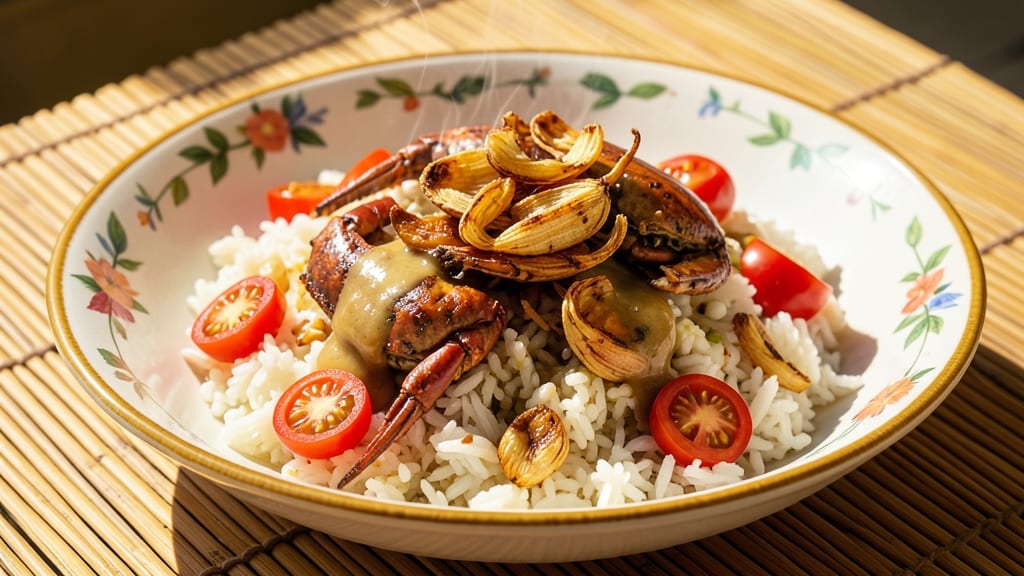
This Caribbean crab rice recipe brings the bold flavors of island kitchens to your table with a perfect balance of sweet, spicy, and tangy notes. The secret lies in slow-cooked tomatoes, aromatic spices, and fresh lime zest that transform simple ingredients into a dish bursting with character.
I've perfected this version after years of testing—it's the one that always gets seconds.
The dish starts with tender crab—whether fresh or canned—steamed just until it flakes easily, then folded into perfectly seasoned rice. The rice itself is a fragrant blend of tomatoes, garlic, thyme, and a touch of Scotch bonnet pepper for heat, all cooked in coconut milk for richness.
Every bite delivers a harmony of textures and flavors that feels like a taste of the Caribbean, no passport required.
Ingredients for caribbean crab rice
Coconut milk, tomatoes, and lime zest create the perfect Caribbean-inspired base for this rich crab rice.
| Ingredient | Amount | Notes |
|---|---|---|
| Crabmeat 🦀 | 1 ½ lb | Fresh or high-quality canned, flaked |
| Long-Grain White Rice 🍚 | 2 cups | Uncooked, jasmine or basmati preferred |
| Coconut Milk 🥥 | 1 can | Full-fat, 13.5 oz can (1 can) |
| Tomatoes 🍅 | 2 whole | Roma or vine-ripened, diced |
| Scotch Bonnet Pepper 🌶️ | 1 whole | Seeds removed for less heat |
| Garlic Cloves 🧄 | 4 cloves | Minced, fresh preferred |
| Fresh Thyme 🌿 | ¼ cup | Leaves only, chopped |
| Lime 🍋 | 1 whole | Zest only, finely grated |
| Olive Oil 🫒 | 2 tbsp | Extra-virgin for richness |
| Salt 🧂 | 1 ½ tsp | Diamond Crystal kosher salt |
| Black Pepper 🌶️ | ½ tsp | Freshly ground preferred |
| Yellow Onion 🧅 | 1 whole | Medium, finely diced |
| Green Bell Pepper 🌶️ | 1 whole | Medium, diced |
| Bay Leaf 🌿 | 1 whole | Dried, for infusion |
| Fresh Cilantro 🌿 | ¼ cup | Chopped, for garnish |
The crab is the star, so quality matters most. Fresh crab from the seafood counter at Whole Foods delivers the best texture, but a high-end canned brand like Crown Prince works beautifully too. Look for bright, sweet-smelling crab with no fishy odor. The tomatoes should be firm and vibrant—Heirloom varieties from the farmers market add depth, but Roma tomatoes are reliable. For the Scotch bonnet, find it at Latin markets or specialty stores—it's worth hunting for that authentic heat. If you can't locate fresh thyme, dried works at one-third the amount, but fresh is ideal for that bright aroma.
No Scotch bonnet? Habanero at half the amount gives similar heat, or skip it entirely for a milder dish. Substituting coconut milk? Full-fat canned coconut cream adds richness, but light coconut milk thins the sauce. For the rice, jasmine or basmati absorbs flavors beautifully—avoid long-grain white if you want extra stickiness. The lime zest can be pre-grated from a bag, but freshly zested makes a world of difference. Need to skip the bay leaf? A pinch of allspice or cinnamon adds warmth instead. The bell pepper can be red or yellow—color doesn't affect flavor here.
Fresh crab should be used within 2 days of purchase, stored in the coldest part of your fridge. The cooked rice keeps well for 4-5 days in the fridge, though the flavors deepen overnight. For longer storage, freeze portions in airtight containers for up to 3 months. The lime zest and fresh herbs are best used immediately, but you can zest the lime ahead and store it in the freezer. Prep the tomato mixture in advance—it actually tastes better the next day as the flavors meld.
Why You'll Love This Recipe
- One-Pot Magic: I swear by this—just toss everything into a pot with the rice, simmer, and walk away. No fancy layers, no stressing over separate pans. The coconut milk and tomatoes do most of the work while you sip something cold.
- Scotch Bonnet Magic: That pepper isn’t just for heat—it’s the soul of the dish. A tiny slice (or two) turns the rice into something vibrant, slightly sweet, and just spicy enough to linger. Honestly, the first time I skipped it, I regretted it immediately.
- Lunchbox Hero: Between us, this is my go-to for meal prep. The rice stays fluffy for days, and the crab stays tender if you store it right. Pack it in containers, and suddenly you’ve got a week’s worth of lunches that taste like you actually cooked them.
- Budget Luxury: Fresh crab is pricey, but this recipe stretches it like crazy. A pound of crabmeat feeds four, and the coconut milk and rice keep costs low. Plus, the leftovers? Even better the second day—like the flavors married overnight. (Yes, even on a Tuesday night.)
Step-by-step instructions for Caribbean crab rice
Here's the method for creating restaurant-quality Caribbean crab rice with vibrant flavors.
Sauté Aromatics and Build the Flavor Base
Heat the 2 tablespoons olive oil in a large, heavy-bottomed pot over medium heat. Add the 1 whole yellow onion and 1 whole green bell pepper, both finely diced, and cook for 5-6 minutes until softened and translucent. The onions should release their sweet aroma while the peppers develop a slight char.
Add the 4 cloves garlic cloves, minced, and cook for 30 seconds until fragrant. Immediately stir in the 1 whole Scotch Bonnet pepper (seeds removed) and the 0.25 cup fresh thyme, cooking for another 1 minute until the Scotch Bonnet releases its aromatic oils. This step creates the foundational flavor that will infuse the entire dish.
Develop the Tomato-Coconut Sauce
Add the 2 whole tomatoes, diced, to the pot and cook for 4-5 minutes until they begin to break down and release their juices. Stir in the 1 can coconut milk, scraping up any browned bits from the bottom of the pot. Add the 1 whole bay leaf, 1.5 teaspoons salt, and 0.5 teaspoon black pepper, then bring the mixture to a gentle simmer.
Simmer uncovered for 8-10 minutes until the sauce thickens slightly and the coconut milk begins to separate, creating a creamy texture. The sauce should coat the back of a spoon and have a rich, aromatic aroma. This is where the Caribbean flavors truly begin to meld together.
Toast and Infuse the Rice
Add the 2 cups long-grain white rice to the pot and stir gently to coat each grain with the tomato-coconut mixture. Increase heat to medium-high and bring to a boil. Once boiling, reduce heat to low, cover tightly with a lid, and cook for 5 minutes without stirring. This initial toasting step is crucial for developing the rice's nutty flavor and preventing mushiness.
After 5 minutes, stir the rice gently to distribute any uncooked grains, then add 1 cup water (or enough to cover the rice by about ½ inch). Return to a simmer, cover, and cook for 10 minutes without disturbing. The rice should absorb the liquid slowly, developing a firm texture while retaining its distinct grains.
Incorporate the Crab and Finish Cooking
After 10 minutes, gently fold in the 1.5 pounds crabmeat using a wooden spoon, being careful not to break the rice grains. Stir in the zest of 1 whole lime and the 0.25 cup fresh cilantro, chopped. The lime zest will brighten the dish, while the cilantro adds a fresh, herbaceous note that balances the richness of the crab and coconut.
Continue cooking on low heat for another 5-7 minutes, stirring occasionally, until the rice is tender and the crab is heated through. The dish should have a fragrant aroma with notes of lime, thyme, and Scotch Bonnet. If the rice is still slightly firm, add 2-3 tablespoons water and cook for another 2 minutes.
Rest and Serve with Confidence
Remove the pot from heat and let the crab rice rest, covered, for 5 minutes. This resting period allows the flavors to fully meld and the rice to absorb any remaining liquid. Before serving, fluff the rice gently with a fork, ensuring the crab is evenly distributed throughout.
Garnish with additional 0.25 cup fresh cilantro and serve immediately while the rice is still warm. The dish should have a vibrant, golden hue with tender rice grains, succulent crab, and a sauce that balances creamy coconut with bright, spicy, and citrusy notes. Each bite should deliver a harmonious blend of textures and flavors that define Caribbean cuisine.
Pro Tips For Making Caribbean Crab Rice
- Toast the Rice First: I learned this the hard way—skipping the toast makes the rice gummy. Heat your rice in a dry pot over medium-high for 2-3 minutes until it smells nutty and the grains look translucent. This step locks in flavor and prevents mushiness when the coconut milk hits.
- Handle Scotch Bonnet Like Fire: Wear gloves, and don’t slice it—just tear a tiny slit and squeeze out what you need. That pepper’s heat lingers on your hands and can ruin the whole dish if you’re not careful. (Yes, even if you’re impatient like me.)
- Simmer the Coconut Milk Low: After adding the coconut milk, drop the heat to low and let it bubble gently. I used to rush this, and the rice would turn gluey. A slow simmer lets the milk infuse without breaking the rice grains.
- Fluff with a Fork, Not a Spoon: The second the rice is done, give it a quick stir with a fork—this separates the grains and keeps them light. Using a spoon just mashes everything together. (Your future self will thank you.)
Make-ahead tips for this caribbean crab rice
Prep Ahead
Start by making the tomato-coconut sauce the night before—it tastes even better after flavors meld. Store it in an airtight container in the fridge. The lime zest and fresh herbs can be prepped separately and kept in the fridge for up to 2 days.
This saves you 30 minutes of prep time on cooking day. 💫
Rice Base Ready
Cook the rice partially (about 75% done) and refrigerate in an airtight container for up to 3 days. When ready to finish, reheat with 2 tablespoons water per cup of rice, then add the crab and sauce.
This ensures perfectly fluffy rice without overcooking. I love this method for meal prep!
Crab Prep Shortcut
If using fresh crab, steam or boil it ahead of time and store in the fridge for up to 2 days. For canned crab, drain and rinse it just before adding to the rice to keep it fresh.
Pre-cooked crab saves 20 minutes of active cooking time on the day you serve. 🦀
Freezer-Friendly
Assemble the complete dish (without garnish) and freeze in portion-sized airtight containers for up to 3 months. To reheat, thaw overnight in the fridge, then warm on low heat with a splash of water or coconut milk. The flavors stay vibrant, and it reheats beautifully. Perfect for lazy weekends!
Garnish Last
Fresh lime zest and cilantro should always be added right before serving to preserve their bright flavors. Store these separately in the fridge and sprinkle just before eating.
This keeps your crab rice tasting fresh, even if prepped ahead. A little lime zest goes a long way—¼ teaspoon adds the perfect citrus kick. 🍋
Portion Control
Divide the cooked rice into individual portions in glass containers before adding the crab. This makes reheating easy and prevents soggy rice. Store in the fridge for 4-5 days or freeze for 3 months. When reheating, cover with a damp paper towel to retain moisture. 💡
Nutrition facts
Frequently asked questions
What's the best type of crab for this Caribbean dish?
Fresh blue crab or stone crab work beautifully, but high-quality canned crabmeat (like Crown Prince) is a great shortcut. For authentic flavor, use fresh crab legs or claws—just steam them for 5-7 minutes until fully cooked, then flake the meat. Avoid pre-cooked crab from the seafood counter, as it can be dry.
Can I make this dish without Scotch bonnet pepper?
For milder heat, use ½ a habanero pepper or skip it entirely. If you want flavor without spice, add ½ teaspoon smoked paprika or a pinch of allspice. The dish will still taste delicious—just less fiery.
How do I prevent the rice from getting mushy?
Toast the rice in the tomato-coconut sauce for 5 minutes before adding liquid, and use low heat throughout cooking. Stir only once after the initial toasting to avoid breaking grains. If the rice feels undercooked, add just 2-3 tablespoons water at the end.
What sides pair best with Caribbean crab rice?
Try fried plantains, coleslaw, or grilled pineapple for a complete meal. For extra protein, serve with black beans or grilled shrimp skewers. A simple lime creole sauce also elevates the dish.
Can I use instant rice for this recipe?
Not recommended—it lacks the texture and flavor absorption of long-grain rice. If you're short on time, use jasmine rice and reduce cooking time by 2-3 minutes. For best results, stick with traditional long-grain white rice.