
Main Courses
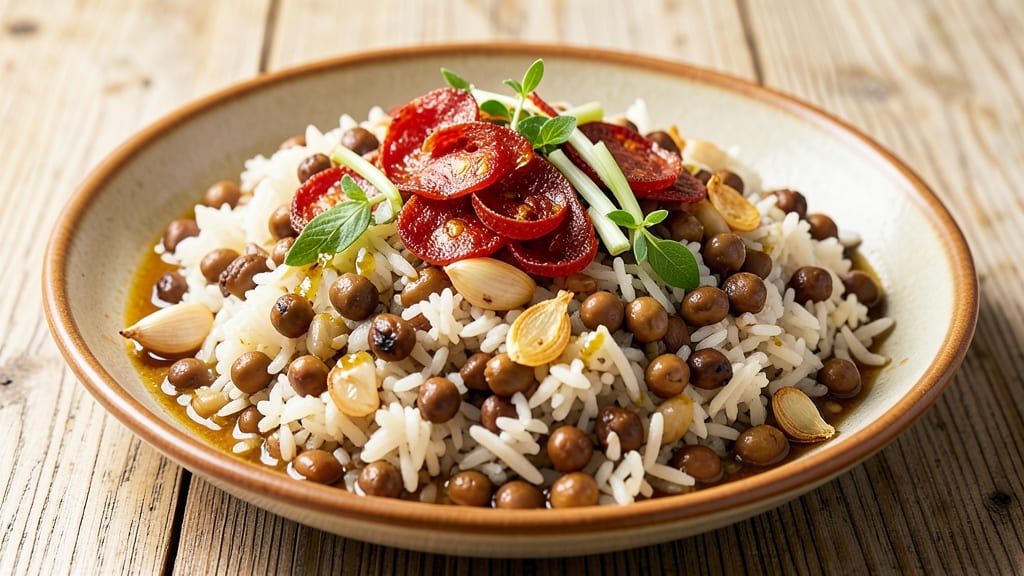
This Caribbean pelau rice recipe transforms humble ingredients into a fragrant, one-pot masterpiece where pigeon peas and chorizo create a symphony of smoky, spiced flavors. The dish's roots run deep in Caribbean culture, where pelau—meaning "mixed"—celebrates the fusion of African, Indigenous, and European traditions in every bite.
The secret lies in slow-cooking the rice with tender meat and aromatic spices until each grain absorbs the rich, savory broth.
What makes this recipe special is its simplicity: one pot, minimal cleanup, and maximum flavor. The combination of thyme, garlic, and scallions infuses the rice with earthy warmth, while the chorizo adds a smoky depth that balances the sweetness of the pigeon peas.
Perfect for family gatherings or weeknight dinners, this dish delivers restaurant-quality results with just a few key ingredients and patience. Let's bring the Caribbean to your kitchen.
Ingredients for caribbean pelau rice
Caribbean flavors meet one-pot simplicity with these essential ingredients for authentic pelau rice.
| Ingredient | Amount | Notes |
|---|---|---|
| Long-Grain White Rice 🍚 | 2 cups | Uncooked, rinsed thoroughly |
| Pigeon Peas (Gungo Peas) 🌱 | 1 ½ cups | Dried or canned, drained |
| Caribbean Chorizo 🌭 | ½ lb | Smoked, sliced into rounds |
| Fresh Thyme Leaves 🌿 | ¼ cup | Chopped, stems removed |
| Scallions 🧅 | ½ cup | Sliced thin, white and green parts |
| Garlic Cloves 🧄 | 4 cloves | Minced finely |
| Allspice Berries 🌶️ | 1 tsp | Crushed lightly |
| Ground Cinnamon 🌿 | ½ tsp | Freshly ground preferred |
| Bay Leaves 🍃 | 2 whole | Dried, crumbled |
| Olive Oil 🫒 | ¼ cup | Extra-virgin, for sautéing |
| Low-Sodium Chicken Broth 💧 | 2 cups | Homemade or high-quality |
| Kosher Salt 🧂 | 1 ½ tsp | Diamond Crystal preferred |
| Black Peppercorns 🌶️ | ½ tsp | Freshly cracked |
| Lime Zest 🍋 | 1 tbsp | Freshly grated |
| Fresh Cilantro 🌿 | ¼ cup | Chopped, for garnish |
The pigeon peas are the heart of this dish—dried peas develop richer flavor but canned work in a pinch. Look for Caribbean chorizo at Latin markets or specialty stores like Whole Foods for that authentic smoky depth; Spanish chorizo won't cut it here. Fresh thyme and scallions elevate the dish, so skip the dried substitutes unless absolutely necessary. The allspice berries are non-negotiable for that signature Caribbean warmth—Penzeys Spices carries high-quality whole berries you can crush yourself. For the rice, long-grain white is standard, but jasmine rice adds a fragrant twist if you prefer.
No pigeon peas? Substitute black-eyed peas or chickpeas—they'll work, though the texture differs slightly. Short on chorizo? Swap for smoked sausage or even extra allspice and smoked paprika to mimic the depth. The chicken broth can be beef broth in a pinch, but the flavor profile shifts. For the lime zest, bottled won't do—fresh is essential for that bright finish. If you're missing cilantro, fresh parsley will suffice, though it lacks that citrusy punch. The bay leaves should be dried and crumbled—whole leaves are too harsh for this delicate balance.
Store the cooked pelau in an airtight container for 4-5 days in the fridge, where flavors deepen overnight. Freeze for up to 3 months by portioning into containers—glass is best to avoid absorbing odors. Reheat gently with a splash of broth to restore moisture. Garnish with extra cilantro and lime zest just before serving to preserve freshness. This dish tastes even better the next day, so make extra for leftovers—it's perfect for meal prep.
Why You'll Love This Recipe
- One-Pot Magic: I swear by this recipe because it’s literally one pot—no chopping boards overflowing, no pans to scrub. Toss in the rice, chorizo, pigeon peas, and thyme, then let it simmer. That’s it. The rice cooks right in the flavor, and the chorizo renders its own juices like a lazy Sunday morning.
- Thyme for Adventure: Between us, that first whiff of thyme and scallions hitting the oil is chef’s kiss. The chorizo adds this smoky, slightly spicy kick, while the pigeon peas bring a creamy, earthy punch. It’s the kind of dish that makes you pause mid-bite—then go back for more.
- Meal Prep MVP: Honestly, this is my go-to for lunches all week. Make a big batch on Sunday, and you’ve got hearty, satisfying bowls ready to grab. The flavors actually improve the next day—yes, even on a Tuesday night when you’re craving something rich but don’t want to cook.
- Budget-Friendly Feast: Pigeon peas are cheap, rice is cheap, and chorizo stretches like magic. I’ve fed six people for under $15 with this, and no one ever complains. It’s the kind of dish that makes frugal eating feel like a celebration—not because it’s fancy, but because it’s reliable.
Step-by-step instructions for Caribbean pelau rice
Aromatic, hearty, and deeply flavorful, this one-pot masterpiece delivers restaurant-quality results with minimal cleanup.
Sear the Chorizo and Build the Spice Base
Heat the 0.25 cup olive oil in a heavy-bottomed Dutch oven over medium-high heat. Add the 0.5 lb Caribbean chorizo in even slices, cooking for 4-5 minutes until the fat renders out and the meat becomes fragrant and slightly crispy around the edges. Remove the chorizo with a slotted spoon and set aside, leaving the rendered fat in the pot.
In the same pot, add the 0.5 cup scallions, 4 cloves garlic, 1 tsp allspice berries, 0.5 tsp ground cinnamon, and 2 whole bay leaves. Cook for 1-2 minutes until the garlic becomes golden and the spices release their aromatic oils. This foundational step ensures every grain of rice absorbs the complex spice profile we're building.
Toast the Rice and Pigeon Peas
Add the 2 cups long-grain white rice and 1.5 cups pigeon peas (gungo peas) to the pot, stirring to coat the grains thoroughly in the fragrant oil and spices. Cook for 2 minutes at medium-high heat, stirring constantly, until the rice becomes slightly translucent at the edges and the pigeon peas begin to soften. This toasting step prevents mushy rice and develops a nutty depth of flavor.
Here's the thing—don't walk away. Watch for the rice to turn just slightly opaque at the edges. If you see it starting to brown too quickly, reduce the heat to medium. The goal is to toast without burning, creating a perfect foundation for the aromatic broth we're about to add.
Simmer in Flavorful Broth
Pour in the 2 cups low-sodium chicken broth and bring the mixture to a gentle boil. Once boiling, reduce heat to low and cover the pot with a tight-fitting lid. Let it simmer for 20 minutes without lifting the lid. This initial cooking period allows the rice and peas to absorb the broth while maintaining their individual textures.
I know it's tempting to peek, but every time you lift that lid, you release steam and potentially dry out the rice. Trust the process—the rice will cook through perfectly if you let it work undisturbed. The broth should be mostly absorbed by the end of this time, with just a slight liquid remaining.
Finish with Herbs and Rest
Remove the pot from heat and let it sit covered for 10 minutes. This resting period allows the rice to finish steaming and the flavors to meld completely. Stir in the 0.25 cup fresh thyme leaves, 1.5 tsp kosher salt, 0.5 tsp black peppercorns, and 1 tbsp lime zest, mixing gently to distribute these bright, finishing elements throughout.
The lime zest adds a crucial bright note that cuts through the richness of the chorizo and spices. Don't skip this step—it's what transforms good pelau into exceptional pelau. The dish should be fragrant with thyme, slightly smoky from the chorizo, and bright from the lime. If the mixture seems dry, add 1-2 tablespoons of water and stir gently.
Fluff and Garnish
Using a fork, gently fluff the rice and peas to separate the grains and create air pockets. Return the reserved chorizo to the pot and stir to distribute it evenly. Transfer to a serving dish and garnish with the 0.25 cup fresh cilantro, sprinkling it evenly over the top for a pop of fresh color and herbaceous brightness.
Serve immediately while still warm, with the chorizo slices distributed throughout each serving. The rice should be tender but still have a slight bite, with each grain distinct and coated in the aromatic spice mixture. The pigeon peas should be creamy yet maintain their shape, and the chorizo should be warm and slightly crispy around the edges.
Pro Tips For Making Caribbean Pelau Rice
- SOAK THE GUNGO PEAS: I learned this the hard way—dry pigeon peas take forever to soften. Rinse them well, then soak in warm water for at least 2 hours (overnight if you’re planning ahead). This cuts cooking time by half and keeps them from turning mushy or bitter. Trust me, your future self will notice the difference.
- SEAR THE CHORIZO FIRST: Don’t skip browning the chorizo—this is where the flavor explodes. Cut it into ½-inch slices and cook them in a dry pot over medium-high heat until they release fat and crisp slightly at the edges. That rendered fat will later coat the rice and peas, making everything taste deeper.
- USE A 2:1 RATIO FOR RICE: Pelau isn’t just rice with extras—it’s a balanced mix. For every cup of long-grain rice, use 2 cups of pigeon peas (drained after soaking). Too much rice? The peas stay tough. Too many peas? The rice gets drowned out. Stick to the ratio, and the texture will be perfect every time.
- STIR ONCE, THEN LET IT SIT: After adding the liquid, stir the pot once—just to distribute everything. Then cover tightly and walk away. Pelau needs to steam undisturbed for the first 20 minutes, especially if you’re using a heavy pot. Resist the urge to peek; you’ll just lose heat and moisture.
Storing and reheating your leftovers
Fridge Storage Tips
Store your pelau in an airtight glass container with a tight-sealing lid to maintain freshness. The dish keeps well in the fridge for 4-5 days, with flavors actually deepening over time.
I always let it cool completely before storing to prevent condensation, which can make the rice soggy. The glass container is key—it preserves the aromatic spices better than plastic. 🌿
Freezer Prep Guide
For longer storage, portion the pelau into quart-sized glass containers (they stack well in freezers) and freeze for up to 3 months. Leave 1 inch of headspace to account for expansion, and squeeze out excess air to prevent freezer burn.
I like to label containers with the date—this helps track freshness. The texture holds up better than you'd expect, though the peas may soften slightly after thawing.
Stovetop Reheating
My preferred method is stovetop reheating, which restores moisture and texture beautifully. Transfer the pelau to a pot with 2 tablespoons of water or broth, cover, and heat on low-medium for 10-15 minutes.
Stir occasionally to distribute any dried bits. If it looks dry, add another splash of liquid. The chorizo will crisp up slightly, adding extra flavor. 🔥
Microwave Method
For quick meals, use the microwave with 70% power for 2-3 minutes, stirring halfway. Cover with a damp paper towel to retain moisture. If the rice seems dry after reheating, add 1-2 tablespoons of water and microwave for another 30 seconds.
The chorizo may lose some crispness, so I recommend this method only for busy weeknights when time is limited.
Garnish Refresh
Always finish with fresh garnishes after reheating. Sprinkle with cilantro and lime zest just before serving to brighten the flavors. The lime zest adds a citrusy punch that cuts through the richness, while the cilantro provides a fresh contrast.
This simple step makes reheated pelau taste almost as good as fresh! The extra effort is worth it for that restaurant-quality finish. ✨
Nutrition facts
Frequently asked questions about Caribbean pelau rice
What makes Caribbean pelau different from other rice dishes?
Pelau stands out for its one-pot magic combining rice, pigeon peas, and meat (like chorizo) in a single aromatic blend. The key lies in the spice trio of allspice, thyme, and cinnamon, which creates that signature Caribbean warmth, plus the smoky depth from chorizo. Unlike pilafs or paellas, pelau is all about the textural contrast—creamy peas, tender rice, and crispy meat in every bite.
Can I substitute pigeon peas in this recipe?
Yes, but expect slight texture changes. Try black-eyed peas or chickpeas (1:1 ratio), though dried peas develop richer flavor. For a closer match, use gungo peas (the Caribbean variety), available at Latin markets or online. Canned peas work in a pinch but lack the earthy depth of dried.
Why does my pelau turn out mushy?
Two common culprits: peeking too soon (releases steam) or too much liquid. Start with the 2 cups broth and adjust only if needed after simmering. Also, ensure your pot has a tight lid—pelau needs that steam trap! For extra insurance, use long-grain rice (not instant or jasmine).
Is pelau rice traditionally served with specific sides?
While pelau is a complete dish, it pairs beautifully with grilled plantains or fried dumplings for a full meal. In Trinidad, it's often served with coleslaw or avocado slices for freshness. For a modern twist, try it with roasted yuca or a simple tomato-onion salad to balance the richness.
How do I make pelau ahead for a party?
Pelau tastes even better the next day! Cook it 24 hours ahead and store in an airtight glass container. Reheat gently on the stove with 1 tbsp broth to restore moisture. For large gatherings, double the recipe—pelau reheats beautifully and keeps its texture when made in batches. Garnish with fresh cilantro and lime zest just before serving.