
Side Dishes
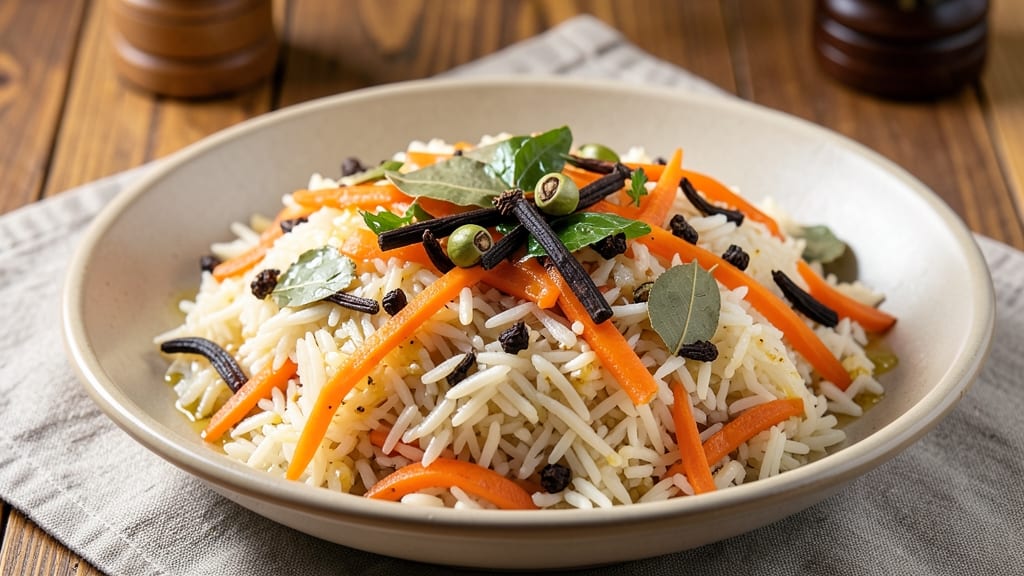
This Telugu-style carrot rice recipe transforms simple rice and carrots into a fragrant, one-pot masterpiece that captures the essence of Andhra cuisine. The secret lies in the aromatic tempering of whole spices—cardamom, cloves, and bay leaf—that infuse every grain with warm, earthy flavors.
I've perfected this dish over years of cooking with my grandmother's guidance, ensuring the rice stays perfectly fluffy while the carrots soften into sweet, tender pieces.
The beauty of this recipe is its simplicity: just a handful of ingredients come together in a single pot, creating a dish that's both comforting and impressive.
The process begins with soaking the rice, followed by a vibrant tempering that releases layers of spice aroma before everything simmers into golden perfection. Traditional Telugu spices like jeera and shahi jeera add depth that elevates this beyond ordinary carrot rice.
What you'll end up with is a dish that's as visually appealing as it is delicious—golden rice speckled with bright orange carrots, infused with the warm spices of South India.
The fragrance alone will have everyone gathering around the table, and each bite delivers that perfect balance of sweet, savory, and aromatic flavors. This is the kind of dish that pairs beautifully with raita or sambar, making it a complete meal in itself.
Whether you're cooking for a family gathering or a quiet weeknight dinner, this recipe delivers restaurant-quality results with minimal effort. The one-pot method ensures easy cleanup, while the traditional techniques guarantee authentic flavor. Let's bring the taste of Andhra to your kitchen today.
Ingredients for carrot rice recipe in telugu
Just nine ingredients transform into Telugu-style carrot rice that smells like home.
| Ingredient | Amount | Notes |
|---|---|---|
| Long-Grain Basmati Rice 🍚 | 1 cup | Uncooked, soaked 20 minutes |
| Medium Carrots 🥕 | 2 cups | Julienned or matchstick cut |
| Green Cardamom Pods 🌿 | 4 whole | Lightly crushed, seeds intact |
| Black Cardamom Pods 🌿 | 2 whole | Lightly crushed, seeds intact |
| Cloves 🧄 | 4 whole | Whole, lightly crushed |
| Bay Leaves 🌿 | 2 whole | Fresh preferred, dried works |
| Shahi Jeera (Black Cumin Seeds) 🌾 | 1 tsp | Toasted until fragrant |
| Jeera (Cumin Seeds) 🌿 | 1 tsp | Toasted until fragrant |
| Ghee or Vegetable Oil 🫒 | 3 tbsp | Ghee preferred for authentic flavor |
| Fresh Cilantro 🌿 | ¼ cup | Chopped, for garnish |
| Salt 🧂 | 1 tsp | Adjust to taste |
| Water 💧 | 2 cups | Filtered or mineral preferred |
The spices make or break this dish—look for whole cardamom pods at Indian grocery stores like Patel Brothers or H Mart. Fresh bay leaves add depth, but dried works in a pinch. Toast the cumin seeds and black cumin in a dry pan until they smell heavenly—this step is non-negotiable for authentic flavor. For the rice, basmati is a must—it stays separate and fragrant. Soak it for 20 minutes before cooking to ensure fluffy grains. Carrots should be bright orange and firm; organic carrots from the farmers market have the best sweetness.
No ghee? Vegetable oil works fine, though it won't have that rich, nutty depth. Short on black cumin? Double the regular cumin seeds—it's a common swap in South Indian cooking. Fresh cilantro is ideal, but dried oregano at half the amount works if you're in a bind. The water should be hot when added to the rice—boil it first—to ensure even cooking. If your rice turns mushy, you've likely used too much water. The secret is patience: let it steam uncovered for the last 5 minutes to dry out.
This keeps beautifully for 3 days in the fridge, though it tastes best fresh. Reheat gently with a splash of water to restore moisture. For extra flavor, add a pinch of salt and ghee when reheating. The spices lose potency after 3 days, so make it fresh for the best experience. Portion into containers with a layer of cilantro on top—it stays vibrant for 2 days if stored properly. Freezing isn't recommended, as the texture changes.
Why You'll Love This Recipe
- No Chopping Chaos: I swear by this—just dice the carrots into even chunks (no julienne required) and let the spices do the work. The cardamom and cloves infuse the rice while you’re busy with the rest, so it’s basically a set-and-forget side dish.
- Spice Magic Unlocked: That little burst of black cardamom? It’s the secret weapon. The green cardamom adds a floral warmth, while the cloves ground the dish into something rich without overpowering. Honestly, it tastes like a hug from my grandma’s kitchen.
- Lunchbox Hero: Between us, this is my go-to for school lunches or office meals. The carrots stay bright and crispy, the rice is fluffy, and the spices keep it interesting—no sad, soggy leftovers here. Pack it in a jar, and it’s still fresh by evening.
- Pantry Staple Power: I make this with whatever rice I have (basmati’s ideal, but jasmine works too), and it’s always a win. Carrots are cheap, the spices last forever, and I’ve fed a crowd of six with just one big pot. Budget-friendly? Yes. Reliable? Absolutely.
Step-by-step instructions for carrot rice in Telugu style
This one-pot spice symphony delivers fragrant, perfectly balanced flavors with minimal effort.
Prepare the Spice Base
In a heavy-bottomed pot, heat the 3 tbsp ghee or vegetable oil over medium heat until shimmering but not smoking. Add the 4 whole cloves, 2 whole bay leaves, 4 whole green cardamom pods, and 2 whole black cardamom pods. Toast for 30 seconds until you smell their aromatic oils release—this is when the magic begins.
Next, add the 1 tsp toasted shahi jeera (black cumin seeds) and 1 tsp toasted jeera (cumin seeds). Stir constantly for 20 seconds until they darken slightly and fill your kitchen with earthy warmth. This spice toasting is the foundation of the dish's complex flavor profile. Immediately add the 1 tsp salt and the 2 cups julienned medium carrots, stirring to coat them evenly in the fragrant oil.
Cook the Carrots Until Tender
Reduce heat to medium-low and cook the carrots for 8-10 minutes, stirring occasionally. You're looking for carrots that soften but retain their vibrant orange color and slight crunch—this ensures they'll contribute both texture and sweetness to the final dish. If they begin to brown too quickly, reduce heat slightly to prevent burning.
Here's the thing—don't rush this step. The carrots should be fork-tender but still hold their shape when pierced. Overcooking them now will make your rice mushy later. I like to check by pressing a carrot gently with a fork—it should yield slightly but not collapse completely.
Add Soaked Rice and Water
Drain the 1 cup soaked long-grain basmati rice thoroughly and add it to the pot with the carrots. Stir gently to combine, ensuring each grain is coated with the carrot mixture. Pour in the 2 cups water and bring to a gentle boil over medium-high heat. Once boiling, reduce heat to low and cover the pot with a tight-fitting lid.
The reason we use soaked rice is simple—it ensures even cooking and prevents the rice from becoming gummy. Let the rice simmer for 15 minutes without disturbing it. This initial cooking phase allows the rice to absorb some liquid before we complete the cooking process.
Simmer to Perfect Texture
After 15 minutes, remove the lid and check the rice. It should have absorbed most of the liquid but still have a few drops remaining. If it's too dry, add 1-2 tablespoons water and stir gently. Replace the lid and cook for another 10 minutes on low heat. The rice should now be tender with a slight bite, and the carrots perfectly integrated throughout.
This is where patience pays off. The rice should be fluffy with individual grains visible, not clumped together. If you see any liquid remaining, let it cook uncovered for 2-3 minutes to evaporate completely. The aroma should be intoxicating—sweet carrots mingling with warm spices and nutty ghee.
Finish and Garnish
Turn off the heat and let the rice sit covered for 5 minutes. This resting period allows the steam to redistribute, ensuring each grain is perfectly cooked. Fluff the rice gently with a fork, then stir in the 0.25 cup chopped fresh cilantro. The bright herb notes cut through the richness of the spices and add freshness.
Serve immediately while still warm. The ideal carrot rice should have tender rice grains, slightly al dente carrots, and a fragrant spice aroma with each bite. For best results, serve with yogurt or a side of raita to balance the warm spices. This one-pot wonder delivers restaurant-quality results with minimal cleanup—exactly what home cooks need!
Pro Tips For Making Carrot Rice Recipe In Telugu
- SOAK THE CARROTS: I used to just chop and cook, but soaking the sliced carrots in cold water for 15 minutes first removes excess starch—this keeps them from turning mushy when simmered with the rice. Drain well before adding to the pot, or your dish will taste watery instead of rich.
- CRUSH THE WHOLE SPICES: Don’t just toss in the cardamom pods and cloves whole—lightly crush them with the side of a knife first. This releases more aroma without turning bitter, especially important for black cardamom, which can dominate if overpowered. (Yes, even if you’re impatient like me.)
- STIR THE RICE ONCE: After adding water to the rice, give it one solid stir to distribute the spices evenly, then leave it alone. Checking or stirring later breaks the rice grains, leading to a gummy texture. My grandmother swore by this, and she was right: patience here makes all the difference.
- USE LESS WATER: Telugu carrot rice should be firm, not sticky. For 1 cup basmati, measure 1.25 cups water—not the 2 cups most recipes suggest. If your pot has a tight lid, even 1.1 cups works, but taste-test at 15 minutes to adjust. (Your future self will thank you.)
Dietary considerations for this recipe
Vegetarian-Friendly
This Telugu-style carrot rice is naturally vegetarian and packed with plant-based protein from the rice and carrots. The dish relies entirely on spices, ghee, and fresh herbs—no meat or dairy is required beyond the optional ghee.
For a vegan version, simply replace the 3 tbsp ghee with 3 tbsp coconut oil or vegetable oil. The flavor remains rich and aromatic, making it perfect for plant-based diets. 🌱
Gluten-Free
Since this recipe uses only basmati rice, carrots, and spices, it's inherently gluten-free. However, always double-check your spice blends—some store-bought curry powders or pre-mixed spice mixes may contain hidden gluten. Stick to whole spices like cardamom, cloves, and cumin for a safe, gluten-free dish.
The natural sweetness of the carrots and the warmth of the spices shine through without any gluten-containing ingredients. ✨
Low-Calorie Option
For a lighter version, reduce the ghee to 2 tbsp or use 1 tbsp ghee + 2 tbsp water to steam the rice. Skip the extra salt and rely on the natural sweetness of the carrots.
This keeps the dish flavorful while cutting calories. The 2 cups of carrots provide fiber and vitamins, making it a nutritious, lower-calorie meal. Pair it with a cucumber raita to add freshness without extra calories. 💛
Protein Boost
To add extra protein, stir in ½ cup cooked chickpeas or ¼ cup roasted peanuts at the end. For a tofu twist, crumble ½ cup firm tofu into the pot during the final 10 minutes of cooking.
These additions keep the dish vegetarian while boosting protein content—ideal for muscle recovery or a hearty meal. The tofu absorbs the spices beautifully, adding a subtle savory depth. 💪
Spice Sensitivity
If you're sensitive to strong spices, reduce the black cardamom and shahi jeera to ½ tsp each and skip the black cardamom pods. The dish will still be fragrant but milder.
For extra warmth without overpowering flavors, add ½ tsp ground ginger or ¼ tsp turmeric during the tempering step. These milder spices provide depth without the intensity of whole cardamom or cumin. 🌿
Nut-Free Adaptation
While this recipe doesn’t traditionally include nuts, if you're avoiding them entirely, ensure no cross-contamination with nut oils or shared cooking utensils. The dish is naturally nut-free, but always check spice blends for potential nut additives.
For garnish, use extra cilantro or a squeeze of lemon instead of nuts. The bright flavors keep the dish vibrant and safe for nut allergies. 💡
Nutrition facts
Frequently asked questions
Can I use regular white rice instead of basmati?
While you can substitute basmati, it won't give the same fragrant, fluffy texture. Basmati's long grains stay separate and absorb flavors beautifully. If using white rice, reduce water by 1-2 tablespoons and cook on slightly lower heat to prevent mushiness. For best results, try jasmine rice as a second choice—it's aromatic like basmati but slightly stickier.
What's the secret to keeping the rice fluffy?
The key is soaking the rice for 20 minutes before cooking and using the right water ratio. After the initial 15 minutes of cooking, uncover the pot for the last 2-3 minutes to let excess moisture evaporate. Never stir the rice while cooking—this breaks the grains. Also, avoid lifting the lid during cooking to trap steam.
Can I make this dish in a rice cooker?
Follow the same steps up to adding the rice and water. Use the rice cooker's standard setting for 15 minutes, then switch to "keep warm" for 5 minutes without opening the lid. The rice cooker maintains even heat, which helps achieve perfect texture. Just be sure to toast the spices separately in a pan first for maximum flavor.
Why do my carrots turn mushy?
Overcooking is the most common cause. Carrots should be tender but still hold their shape—cook them for only 8-10 minutes before adding rice. Another tip: use medium-sized carrots (about 2 inches diameter) that cook evenly. If they're too large, cut them into slightly smaller matchsticks. Also, avoid high heat which can break down the carrots too quickly.
How can I make this dish less spicy?
Reduce the black cardamom and shahi jeera to ½ tsp each and skip the black cardamom pods entirely. For milder warmth, add ½ tsp ground ginger or ¼ tsp turmeric during the tempering step instead. The dish will still be aromatic but with gentler spice notes. You can also increase the cilantro to ⅓ cup for extra freshness.