
Main Courses
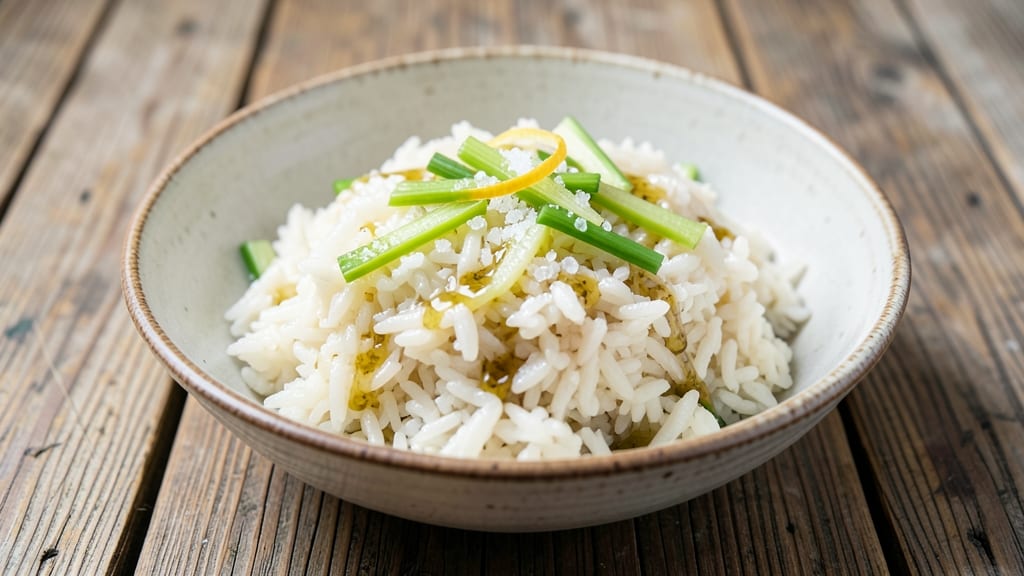
This cassava rice recipe transforms humble cassava into a fermented, aromatic side dish with a toasted celery crunch that elevates any meal. The process starts with grating fresh cassava, soaking it to remove bitterness, and cooking it until tender—then finishing with a crispy celery topping that adds texture and depth.
Unlike traditional rice, this version delivers a nutty, slightly tangy flavor that pairs perfectly with stews, beans, or grilled proteins.
What sets this recipe apart is the fermentation step, which develops complex flavors over time—similar to Jamaican bammy or Brazilian farofa—while keeping the dish light yet satisfying. The toasted celery topping adds a smoky crunch that contrasts beautifully with the soft, fluffy cassava.
Whether you're serving it as a side for a hearty main or as a standalone dish, this recipe brings a bold, plant-based twist to your table.
Ingredients for cassava rice
Transform humble cassava into a fermented, aromatic side dish with these carefully chosen ingredients.
| Ingredient | Amount | Notes |
|---|---|---|
| Fresh Cassava 🥔 | 2 cups | Grated, peeled, and rinsed |
| White Vinegar 🍶 | ½ cup | For fermentation and bitterness removal |
| Water 💧 | 3 cups | Filtered or spring water preferred |
| Sea Salt 🧂 | 1 tsp | Fine grain preferred |
| Celery Stalks 🥬 | 4 whole | Organic preferred for crispness |
| Olive Oil 🫒 | 2 tbsp | Extra-virgin for toasting |
| Fresh Turmeric 🌿 | 1 tsp | Grated, for color and earthiness |
| Fresh Ginger 🌿 | 1 ½ tbsp | Finely grated, fresh preferred |
| Garlic Cloves 🧄 | 3 cloves | Minced, for aromatic depth |
| Lemon Juice 🍋 | 1 tbsp | Freshly squeezed, for tang |
| Fresh Cilantro 🌿 | ¼ cup | Chopped, for freshness |
| Smoked Paprika 🌶️ | ½ tsp | For subtle smokiness |
Fresh cassava is the foundation—look for firm, unblemished tubers at Latin markets or specialty grocers. Whole Foods or Trader Joe's often carry pre-peeled cassava if you're short on time, but grating fresh yields the best texture. The vinegar soak is critical for removing bitterness and kickstarting fermentation. For the celery topping, organic stalks stay crisp longer, and the dark green leafy ends add extra flavor when toasted. If you can't find fresh turmeric, ground turmeric at one-third the amount works in a pinch, though fresh is more vibrant.
No fresh ginger? Ground ginger at half the amount suffices, though it lacks the bright zing of freshly grated. Substitute lemon zest for lemon juice if needed, but the acidity helps balance the cassava's earthiness. For a deeper smoky flavor, liquid smoke at one-quarter teaspoon can replace smoked paprika. The garlic can be roasted ahead for a sweeter, mellow flavor—simply toss whole cloves in olive oil at 400°F for 15 minutes. Cilantro stems are edible too, so use the whole plant to maximize yield. If you're making this ahead, ferment the cassava mixture for 24-48 hours to develop more complex flavors, though it's delicious even after a few hours.
Store the fermented cassava base in an airtight container in the fridge for up to 5 days, though flavor peaks after 2-3 days. The toasted celery topping keeps separately for 3 days—reheat in a dry pan for 30 seconds to restore crispness. For longer storage, freeze the cassava mixture in portions and toast the celery fresh when ready to serve. This dish reheats beautifully—simmer the cassava with a splash of water for 5 minutes to restore its fluffy texture. The combination of fermented cassava and toasted celery makes this a versatile side that pairs equally well with grilled meats or hearty legume stews.
Why You'll Love This Recipe
- No-Fuss Side Dish: I swear, this takes less effort than boiling regular rice. Just peel, grate, and simmer—no fancy steps, no waiting for grains to separate. That vinegar trick? It’s the secret to keeping it light and fluffy without the fuss.
- Celery-Kissed Brightness: The celery adds this unexpected freshness that cuts through richer dishes. Honestly, the slight tang from the vinegar and the crunchy bite make it taste like a restaurant side, not just a starchy base.
- Meal Prep MVP: Between us, this stuff reheats like a dream and keeps for days in the fridge. I make a big batch on Sundays, and it’s my go-to for lunches—just toss it with whatever protein I’m using that week.
- Budget Stretch: Fresh cassava is cheaper than rice in most stores, and it stretches further. I’ll be real: my grocery bill dropped when I started using this, and it’s still filling enough to satisfy everyone at the table.
Step-by-step instructions for fermented cassava rice
Transform simple cassava into a complex, flavorful side dish with fermented depth and toasted celery crunch.
Prepare and Ferment the Cassava Base
Begin by placing the 2 cups of grated fresh cassava in a large bowl. Add the 0.5 cup of white vinegar and mix thoroughly to distribute evenly. The vinegar serves a dual purpose—it initiates fermentation to mellow the cassava's natural bitterness while adding a subtle tang. Let this mixture sit at room temperature for 15 minutes while you prepare the remaining ingredients.
After the initial rest, add the 3 cups of water and 1 teaspoon of sea salt, stirring until the salt dissolves completely. The cassava will begin to soften as the starches hydrate. This step is crucial for developing the rice's texture—don't rush it. Cover the bowl with a clean kitchen towel and let it ferment for 2 hours at room temperature. You'll notice a slight effervescence and a more neutral cassava flavor, signaling the fermentation is working.
Toast the Celery and Aromatics
While the cassava ferments, heat a dry skillet over medium heat. Add the 4 whole celery stalks, cutting them into ½-inch thick rounds as you go. Toast the celery for 3-4 minutes until deeply golden brown and crispy—this adds a satisfying crunch that contrasts beautifully with the soft cassava. Remove the celery and set aside on a paper towel-lined plate to drain excess oil.
In the same skillet, add the 2 tablespoons of olive oil and swirl to coat the bottom. Add the 1 teaspoon of grated fresh turmeric, 1.5 tablespoons of grated fresh ginger, and 3 minced garlic cloves. Sauté for 2-3 minutes until the ginger and garlic become fragrant and the turmeric releases its vibrant color. Sprinkle in the 0.5 teaspoon of smoked paprika and stir for an additional 30 seconds to toast its smoky notes. Remove from heat and set aside with the celery.
Cook the Fermented Cassava Mixture
Return the fermented cassava mixture to the skillet over medium heat. Stir in the toasted aromatics and their rendered oil, ensuring everything is evenly distributed. Cook the mixture for 8-10 minutes, stirring occasionally, until it thickens into a porridge-like consistency. The cassava should pull away from the sides of the pan, forming a light crust—this indicates the starches are gelatinizing properly.
Once the mixture reaches this stage, reduce the heat to low and stir in the 1 tablespoon of freshly squeezed lemon juice. The acidity brightens the flavors and balances the earthiness of the cassava. Continue cooking for another 5 minutes, stirring gently to prevent sticking. The final texture should resemble a slightly sticky, creamy rice with a subtle sheen.
Finish with Fresh Herbs and Serve
Remove the skillet from heat and stir in the 0.25 cup of chopped fresh cilantro. The cilantro adds a vibrant freshness that cuts through the fermented depth of the cassava. Taste and adjust the seasoning if needed—you may need a pinch more salt to balance the acidity from the vinegar and lemon.
Garnish the finished cassava rice with the toasted celery rounds, arranging them on top for both visual appeal and texture contrast. Serve immediately while the celery remains crisp and the cassava retains its slight stickiness. This dish pairs exceptionally well with grilled proteins or as a standalone side for its complex flavor profile.
Pro Tips For Making Cassava Rice
- Peel Cassava Like a Pro: Use a sharp knife and cut the cassava lengthwise into quarters first—this keeps the skin intact while you slice off the tough outer layer in one clean motion. I learned this the hard way after struggling with a dull knife and ending up with splintery, uneven pieces that took forever to peel.
- Boil in Two Batches: Cassava expands a lot—don’t overcrowd the pot or the water temp will drop, leaving you with gummy, undercooked chunks. Split your yield into two batches if needed, and keep the water at a rolling boil between them. (Yes, even if you’re impatient like me.)
- Vinegar First, Salt Last: Add the white vinegar to the cooking water before the cassava goes in—this prevents the starch from clumping and makes the texture lighter. Hold off on the salt until the very end, or the cassava will turn mushy. Trust me, your future self will notice the difference.
- Celery for Depth, Not Just Crunch: Skip the pre-chopped celery—fresh stalks add a subtle earthiness that jarred versions can’t match. Roughly chop the base (where it’s thickest) and reserve the tender tops for garnish. The flavor is worth the extra 30 seconds of work.
Common mistakes when making perfect results
Skipping the Soak
One of the biggest mistakes is skipping the vinegar soak entirely. The 15-minute soak with 0.5 cup white vinegar is essential for reducing cassava's natural bitterness and jumpstarting fermentation. Without it, your dish will taste harsh and unbalanced.
I once made this recipe without soaking—it was disappointing until I added extra lemon juice, but even then, the flavor lacked depth. 🌶️
Over-Fermenting the Cassava
While fermentation enhances flavor, going beyond 2 hours can turn your cassava into a sour, vinegary mess. After 2 hours, the mixture should have a mild tang but still be pleasant.
If you notice bubbles or a strong smell, it’s over-fermented. For best results, stick to the 2-hour window and adjust fermentation time based on your taste preferences.
Using Old Cassava
Fresh cassava is non-negotiable for this recipe. If you use cassava that’s been sitting in the fridge for more than 3 days, it’ll develop an off flavor and won’t ferment properly.
Look for firm, unblemished tubers at specialty stores or Latin markets. Pre-peeled cassava from the grocery store is fine, but grating it fresh ensures the best texture and flavor.
Ignoring the Celery Toast
The toasted celery topping is what elevates this dish from ordinary to extraordinary. Skipping it means missing out on the crunchy, smoky contrast that balances the soft cassava.
Toast the celery in a dry skillet over medium heat until golden brown—don’t rush it! The deeper the color, the more flavor it’ll add. 🥬
Undercooking the Mixture
If you stop cooking before the cassava thickens into a porridge-like consistency, your dish will taste raw and gummy. Stir frequently over medium heat for 8-10 minutes until it pulls away from the pan.
This step is key for achieving that perfect creamy, slightly sticky texture. If it’s still too thin, cook it a little longer—patience pays off!
Overlooking Seasoning Adjustments
After adding the lemon juice and cilantro, always taste and adjust the seasoning. The vinegar and fermentation can make the dish slightly acidic, so a pinch of sea salt or a splash of lemon juice might be needed.
Don’t assume the recipe is perfect as-is—trust your palate! A well-seasoned cassava rice is the difference between good and great. ✨
Nutrition facts
Frequently asked questions
Can I use pre-peeled cassava instead of grating fresh?
Pre-peeled cassava works in a pinch, but fresh grating gives the best texture and flavor. If using pre-peeled, shred it finely with a box grater or food processor. For extra freshness, look for cassava at Latin markets or specialty stores where it's sold whole. The vinegar soak will still help remove bitterness whether you grate fresh or use pre-peeled.
How long can I ferment the cassava mixture?
The ideal fermentation time is 2 hours for a balanced flavor, but you can extend it to 4 hours for deeper tanginess. Beyond that, it may become overly sour. For best results, taste after 2 hours—it should have a mild vinegary aroma without being sharp. If fermenting longer, check it frequently after the initial 2-hour mark.
What if I don't have celery for the topping?
Don't worry—you can substitute with toasted green onions or fennel for a similar crunch. If those aren't available, try toasted breadcrumbs or crushed nuts like pecans for texture. The key is to add something crispy that contrasts with the soft cassava. Just reduce the amount slightly to avoid bulkiness.
Can I make this recipe without vinegar?
While vinegar is essential for fermentation and bitterness reduction, you can try using lemon juice or apple cider vinegar instead. Use the same amount (0.5 cup) and soak for 15-20 minutes. The flavor will be slightly different but still effective. Without acid, the cassava may retain more bitterness, so taste and adjust with extra lemon juice during cooking.
How do I store leftovers?
Store the cooked cassava rice in an airtight container in the fridge for up to 5 days. To reheat, simmer gently with a splash of water for 3-5 minutes until warmed through. The toasted celery topping keeps separately for 3 days—reheat it in a dry pan for 30 seconds to restore crispness. For longer storage, freeze the cassava mixture (without celery) for up to 3 months.