
Side Dishes
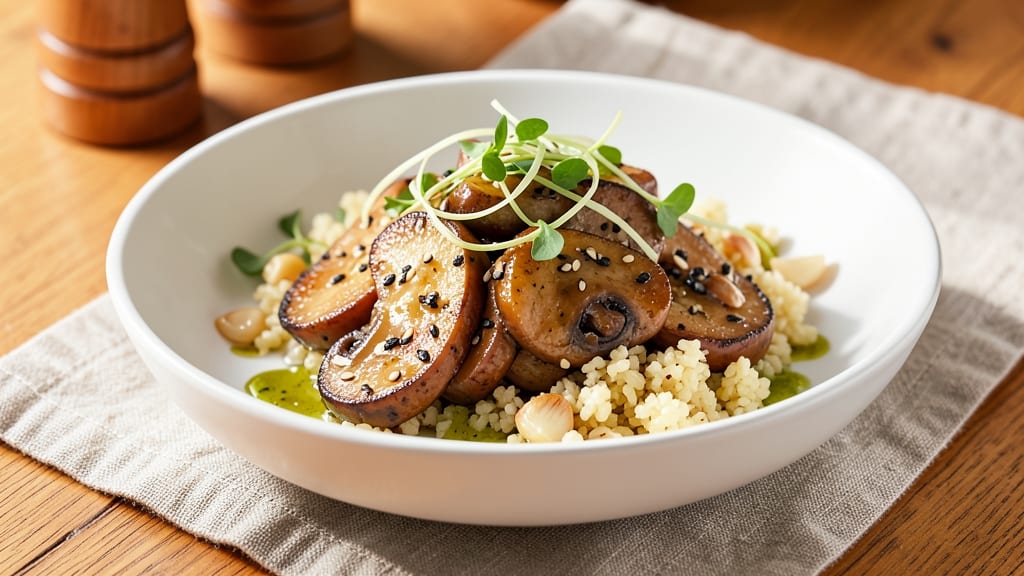
This cauliflower rice and mushroom recipe delivers restaurant-quality umami in just 15 minutes—perfect for a quick, nutrient-packed side that feels indulgent. The secret lies in high-heat sautéing, which transforms cauliflower rice into crispy, flavorful bites while mushrooms release their earthy depth.
I designed this dish to be infinitely adaptable, whether you're vegetarian, vegan, or looking to bulk up a meal with protein.
What makes this recipe stand out is its balance of textures and flavors: tender mushrooms caramelizing alongside crisp-tender cauliflower rice, all elevated by a simple soy-ginger sauce. The dish stays light yet satisfying, making it ideal for weeknight dinners or as a base for grain bowls.
With just a handful of ingredients and one pan, you’ll have a side that’s as impressive as it is easy to prepare.
Ingredients for cauliflower rice and mushroom
Restaurant-quality umami in 15 minutes starts with these nutrient-packed, high-flavor ingredients.
| Ingredient | Amount | Notes |
|---|---|---|
| Fresh Cauliflower Florets 🥬 | 4 cups | Riced through food processor |
| Creamy Shiitake Mushrooms 🍄 | 8 oz | Sliced into 1/4-inch pieces |
| Garlic Cloves 🧄 | 3 cloves | Minced for aromatic base |
| Fresh Ginger 🌿 | 1 tbsp | Finely grated, zesty |
| Low-Sodium Soy Sauce 🥢 | 2 tbsp | For umami depth |
| Extra-Virgin Olive Oil 🫒 | 2 tbsp | High heat tolerance |
| Sesame Oil 🌱 | 1 tsp | Toasted aroma finish |
| Toasted Sesame Seeds 🌰 | 1 tbsp | For crunchy texture |
| Diamond Crystal Kosher Salt 🧂 | ½ tsp | Adjusts seasoning |
| Freshly Ground Black Pepper 🌶️ | ¼ tsp | Enhances earthiness |
| Lemon Juice 🍋 | 1 tsp | Brightens flavors |
| Green Onions 🧅 | 2 whole | Sliced for garnish |
The mushrooms are the star—shiitake delivers the most umami, but cremini or oyster work beautifully too. Whole Foods or local Asian markets carry the best quality, often pre-sliced for convenience. If using fresh cauliflower, ricing it yourself yields finer texture than pre-riced bags (which often contain starch). For the ginger, organic is ideal—it’s more aromatic and less likely to be bitter. The soy sauce should be low-sodium to avoid overpowering the delicate flavors, though Kikkoman or San-J brands are excellent choices for their balanced profiles.
No shiitake? Oyster mushrooms or cremini provide similar meaty texture. Substitute sesame oil with avocado oil for a neutral high-heat option, though sesame adds that signature nutty finish. Fresh ginger can be swapped for ground ginger at half the amount, but the flavor won’t be as vibrant. For extra depth, add 1 tsp fish sauce (if vegetarian, use vegetarian fish sauce or 1/2 tsp soy sauce + 1/2 tsp mushroom sauce). The green onions can be replaced with chives or scallions if preferred, though they’re essential for freshness.
This dish reheats beautifully—simply sauté again with a splash of water for 2-3 minutes to restore crispiness. Store in an airtight container for up to 4 days in the fridge, though the texture softens over time. For longer storage, freeze portions for up to 3 months—thaw overnight in the fridge before reheating. The sauce components (soy, ginger, lemon) can be pre-mixed ahead, making assembly even faster on busy weeknights.
Why You'll Love This Recipe
- I’ll be real: cauliflower and mushrooms stretch farther than you’d think. A single head of cauliflower and a small pack of shiitakes feed two people easily, and the rest of the ingredients? Pantry basics. No fancy swaps, no last-minute grocery runs—just good, honest food that won’t break the bank.
- One-Pan Magic: I swear by this recipe because it’s literally one pan—no chopping boards, no mess. Just toss the cauliflower florets and shiitake mushrooms in a hot skillet, let them sizzle until golden, and boom. The garlic and ginger caramelize right into the mushrooms, so you’re not just eating veggies; you’re getting a full flavor punch.
- Umami Bomb: That first bite of crispy shiitake mushrooms with their meaty texture? Chef’s kiss. The low-sodium soy sauce and fresh ginger cut through the richness, leaving you with a dish that’s savory, slightly sweet, and addictively satisfying. It’s the kind of flavor that makes you forget it’s “healthy.”
- Meal Prep MVP: Here’s what sold me—this keeps perfectly for days. Store it in the fridge, and it reheats like a dream (just toss it back in the pan for 3 minutes). Pack it for lunch, serve it as a side for dinner, or even pile it over rice bowls for a crowd. It’s my go-to when I need something reliable but still exciting.
Step-by-step instructions for umami-packed cauliflower rice sauté
Master this quick, flavorful stir-fry where texture and umami take center stage.
Prepare the Cauliflower Rice Foundation
Process the 4 cups fresh cauliflower florets through a food processor fitted with the grating disc until you achieve a rice-like texture. I like to pulse in batches for even consistency. Transfer the cauliflower rice to a clean kitchen towel and gently squeeze out any excess moisture—this prevents a soggy final dish. The goal is dry, individual florets that will crisp beautifully during cooking.
Heat a large non-stick skillet over medium-high heat and add the 2 tablespoons extra-virgin olive oil. Allow it to shimmer for 30 seconds before adding the cauliflower rice. Spread it out in an even layer—crowding will steam instead of sear. Cook undisturbed for 2-3 minutes until the edges begin to brown. This initial searing develops that essential caramelized flavor that separates good stir-fries from great ones.
Build the Umami Base with Mushrooms and Aromatics
Add the 8 oz sliced creamy shiitake mushrooms to the skillet and stir to combine with the cauliflower. Cook for 3-4 minutes until the mushrooms release their moisture and begin to soften. The mushrooms should be tender yet still retain some bite—overcooking turns them mushy and dulls their earthy flavor.
Push the mushroom-cauliflower mixture to one side of the skillet and add the 3 cloves minced garlic and 1 tablespoon finely grated fresh ginger to the empty space. Sauté for 30 seconds until the garlic becomes fragrant and just begins to turn golden—this prevents bitter garlic notes. Stir everything together and pour in the 2 tablespoons low-sodium soy sauce. The sauce should coat the vegetables evenly, intensifying their natural flavors.
Finish with Brightness and Texture
Drizzle the 1 teaspoon sesame oil over the sautéed vegetables and toss gently to distribute. Add the 0.5 teaspoon diamond crystal kosher salt and 0.25 teaspoon freshly ground black pepper, then cook for another 1-2 minutes until everything is heated through and the cauliflower rice is tender yet still holds its shape. The sesame oil adds a nutty aroma that complements the umami perfectly.
Remove the skillet from heat and stir in the 1 teaspoon lemon juice. This final step brightens the dish and cuts through the richness of the mushrooms and sesame oil. The lemon juice should be fully incorporated but not overpower the other flavors—think of it as a finishing touch rather than a dominant note.
Garnish and Serve Immediately
Transfer the cauliflower rice and mushroom sauté to serving plates. Sprinkle with the 1 tablespoon toasted sesame seeds and slice the 2 whole green onions into ¼-inch pieces, then scatter them evenly over the top. The sesame seeds add a delightful crunch contrast, while the green onions provide a fresh visual accent and subtle onion bite.
Serve immediately while the cauliflower rice maintains its perfect texture and the mushrooms are still warm. This dish tastes best straight from the pan when the flavors are at their peak. Pair with a drizzle of extra sesame oil if desired, or serve alongside grilled protein for a complete meal.
Pro Tips For Making Cauliflower Rice And Mushroom
- STIR-FRY CAULIFLOWER FAST: Chop the florets into rice-sized pieces before pulsing in a food processor—this saves 5 minutes and prevents gummy texture. I learned this the hard way after making two batches where the cauliflower turned into mush because I pulsed too long.
- SLICE MUSHROOMS THIN: Cut shiitake caps paper-thin—less than 1/8-inch—so they cook in 2-3 minutes instead of 6. Use a sharp knife or mandoline, and lay them flat to avoid curling. Thick slices stay chewy; thin slices get tender and soak up sauce better.
- GINGER: GRATE, DON’T CHOP: Fresh ginger loses its bite when chopped, but grating it releases oils that actually flavor the dish. Use 1 teaspoon of finely grated ginger (about a 1-inch knob) and add it to the pan last—right before the soy sauce—to preserve its punch.
- DON’T OVERCROWD THE PAN: Cook mushrooms in two batches if needed—packing the pan steams them instead of searing. A hot, slightly crowded pan makes them release moisture, turning your stir-fry into a soggy mess. Work in batches, and you’ll get crisp edges every time.
Serving suggestions for leftovers
Protein Pairings
This umami-packed sauté makes an excellent base for complete meals. I love serving it alongside grilled chicken breast or pan-seared tofu—both absorb the soy-ginger sauce beautifully. For a heartier option, add crispy baked tempeh or shrimp in the last 2 minutes of cooking to keep it tender.
The mushrooms' earthiness complements the protein perfectly, creating a balanced plate. 🍗
Grain Bowl Base
Transform this into a satisfying grain bowl by serving it over jasmine rice or quinoa. I recommend cooking 1 cup of rice per person and assembling bowls with the cauliflower-mushroom mix, sliced avocado, and a drizzle of spicy mayo (mix 2 tbsp mayo with 1 tsp sriracha).
Top with fried egg for extra richness or keep it vegan with crumbled tofu. The textures create a restaurant-quality dish at home.
Asian-Inspired Bowls
For an Asian-inspired twist, serve this sauté in steamed rice bowls with quick-pickled veggies (thinly sliced cucumber and carrot tossed in 1 tbsp rice vinegar, 1 tsp sugar, and pinch of salt). Add crispy wonton strips on top for crunch.
I also love pairing it with miso soup on the side—it rounds out the meal beautifully. The combination of pickled, fried, and sautéed elements creates a perfect balance of flavors and textures.
Low-Carb Wraps
Use this as a filling for low-carb lettuce wraps or collard green wraps. Spoon the warm cauliflower-mushroom mix into large butter lettuce leaves or collard greens and add sliced avocado, shredded purple cabbage, and a drizzle of sweet chili sauce.
Roll tightly and secure with a toothpick. These wraps are perfect for meal prep—just store components separately and assemble when ready to eat. The crispy texture holds up well in wraps!
Soup Additions
Boost your favorite soups with this flavorful mix. Stir 1 cup of the cooked cauliflower-mushroom sauté into miso soup, pho, or even tomato basil soup for instant umami depth. I especially love adding it to ramen—it transforms a simple bowl into a gourmet meal.
For extra richness, top with soft-boiled eggs or crispy fried shallots. The sauté reheats beautifully in soups, making it a great way to use leftovers.
Plating Presentation
Elevate your dish with simple plating techniques. Serve the cauliflower-mushroom mix in a white bowl for contrast, then garnish with toasted sesame seeds and green onions in an artistic pattern. For extra flair, drizzle sesame oil in a zigzag motion across the top.
If serving as a side, arrange it on a wooden board with fresh herbs scattered around. The golden-brown mushrooms and crispy cauliflower rice make for a visually stunning dish that’s just as delicious as it looks. ✨
Nutrition facts
Frequently asked questions
Can I use pre-riced cauliflower instead of fresh?
Yes, but expect slightly less crispiness. Pre-riced cauliflower often contains anti-caking agents that prevent perfect browning. For best results, squeeze out excess moisture and pat dry with a paper towel before cooking. If using frozen pre-riced, thaw and drain thoroughly first.
What's the best mushroom substitute if I can't find shiitake?
Oyster mushrooms or cremini work beautifully—they hold their shape well and develop rich umami flavors. For a meatier texture, try king oyster mushrooms (sliced lengthwise). Avoid button mushrooms as they release too much water and become mushy.
How do I prevent the cauliflower rice from getting soggy?
Three key steps:
- Squeeze out ALL excess moisture after ricing,
- Cook on medium-high heat (not low) to evaporate steam, and
- Avoid overcrowding the pan. If your cauliflower rice seems damp, spread it out and cook uncovered for 1-2 extra minutes to crisp it up.
Can I make this recipe vegan?
Skip the sesame oil (or use vegan sesame oil) and replace any animal-based ingredients. For extra protein, add crispy tofu or tempeh in the last 2 minutes of cooking. The soy sauce in the recipe is already vegan-friendly, and all other ingredients are plant-based by default.
How can I make this dish spicier?
Add ½ teaspoon red pepper flakes when sautéing the mushrooms, or finish with 1 teaspoon sriracha or chili crisp before serving. For heat lovers, toss in 1 tablespoon chopped Thai chilies with the garlic. Always add spices gradually—you can't remove excess heat!