
Main Courses
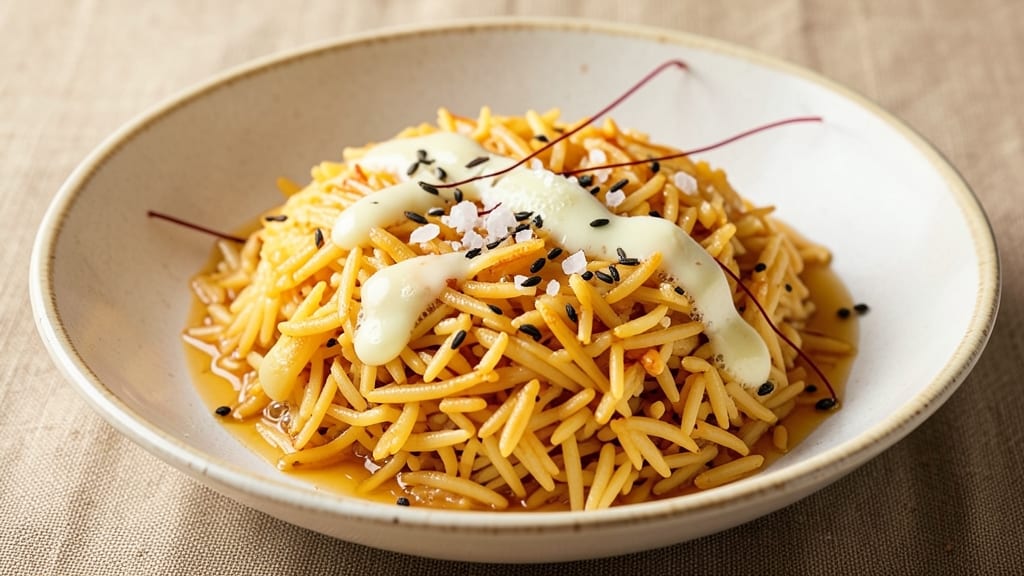
This cava saffron basmati rice recipe transforms ordinary grains into a luxurious centerpiece that pairs perfectly with caviar. The secret lies in infusing delicate saffron threads into the rice while cooking, creating golden, fragrant grains with a subtle floral aroma that elevates any dish.
Toasted celery seeds add a nutty crunch that cuts through the richness of the caviar, balancing textures and flavors in every bite.
The process is simpler than it sounds: basmati rice simmers in saffron-infused water until tender, then finishes with a light toasting of celery seeds for added depth.
When plated alongside caviar, the warm, aromatic rice becomes the perfect vessel for the briny, buttery caviar, creating a dish that feels both elegant and approachable. This recipe delivers restaurant-quality results with minimal effort—ideal for special occasions or when you want to impress without fuss.
Ingredients for cava saffron basmati rice
Elevate your caviar spread with these fragrant, golden grains—saffron and celery seeds transform simple rice into a luxurious centerpiece.
| Ingredient | Amount | Notes |
|---|---|---|
| Basmati Rice 🌾 | 1 cup | Long-grain, uncooked preferred |
| Saffron Threads 🌼 | ¼ tsp | High-quality, whole strands |
| Water 💧 | 2 cups | Filtered or spring water preferred |
| Celery Seeds 🌿 | 1 tbsp | Whole, lightly toasted |
| Unsalted Butter 🧈 | 2 tbsp | Cold, for finishing |
| Salt 🧂 | ½ tsp | Diamond Crystal preferred |
| Extra-Virgin Olive Oil 🫒 | 1 tbsp | For toasting celery seeds |
| Fresh Lemon Juice 🍋 | 1 tbsp | Bright, freshly squeezed |
| Caviar 🐟 | ½ cup | For serving, optional garnish |
| Fresh Dill 🌿 | 2 tbsp | Chopped, for garnish |
| Fresh Chives 🌱 | 1 tbsp | Chopped, for garnish |
Saffron is the star here, so splurge on premium threads—they dissolve beautifully into the water, infusing the rice with their signature floral aroma. Whole strands work best; avoid pre-ground powder, which loses potency fast. For celery seeds, bulk bins at Whole Foods offer the freshest options, but any grocery store brand will do. The basmati rice should be long-grain and uncooked—jasmine rice lacks the delicate texture needed for this dish. Rinse the rice briefly before cooking to remove excess starch, which prevents clumping. For caviar, Beluga or Ossetra add a luxurious touch, though any high-quality brand works.
No saffron? Turmeric at one-third the amount gives a similar golden hue (though it lacks the floral notes). Short on celery seeds? Toasted fennel seeds offer a comparable nutty crunch. The butter should be cold when added at the end—microwave it 40 seconds to just melt it if needed. For the olive oil, avoid strong, peppery varieties—look for a mild, fruity option. Fresh herbs? Dried dill at half the amount works in a pinch, but fresh is ideal. The lemon juice should be freshly squeezed—bottled juice lacks the bright acidity needed to cut through the richness.
This rice reheats beautifully—simply cover with a damp paper towel and warm in the microwave for 1-2 minutes. Store leftovers in an airtight container for 3-4 days, though the flavor peaks on day one. For serving, portion the rice into individual bowls and top with caviar, fresh herbs, and a drizzle of olive oil. The celery seeds can be toasted ahead and stored in a sealed jar for up to 2 weeks. When plating, add the caviar last—its delicate flavor and texture pair best with warm, fragrant rice.
Why You'll Love This Recipe
- Golden Threads Magic: I’ll admit, saffron can feel intimidating—but here, a single thread dissolved in warm water does all the heavy lifting. No soaking, no fuss—just that luxurious golden hue and aroma that turns plain rice into something special.
- Butter-Kissed Crunch: That first bite? The celery seeds toast in the butter until they’re nutty and fragrant, then the rice absorbs just enough richness to stay tender. It’s the kind of texture contrast that makes you pause mid-bite—yes, this is worth it.
- Weeknight to Dinner Party: Honestly, this is my go-to for both lazy Mondays and when my in-laws drop by. The same pot of rice works with grilled chicken, roasted veggies, or even just a sprinkle of yogurt and cucumber. Zero excuses to skip homemade.
- Leftovers That Don’t Suck: Between us, most rice turns into sad, dry glue after Day 2. Not this. The butter and saffron keep it moist, and I’ve reheated portions in a skillet with a splash of water—still fragrant, still delicious. Budget-friendly? Absolutely. Waste-free? Even better.
Step-by-step instructions for cava saffron basmati rice
Transform simple basmati rice into an aromatic, golden masterpiece with this refined technique.
Infuse the Water with Saffron and Celery
In a medium saucepan, combine the 2 cups water with the 0.25 tsp saffron threads. Gently swirl the pan to disperse the saffron completely—this ensures even color infusion throughout the rice. Let it steep for 5 minutes until the water takes on a delicate golden hue.
In a separate small skillet, heat the 1 tablespoon extra-virgin olive oil over medium-low heat. Add the 1 tablespoon celery seeds and toast for 1-2 minutes until fragrant and lightly golden. Immediately transfer the toasted seeds to a small bowl to stop further cooking—their nutty aroma will elevate the rice.
Toast the Rice and Create the Flavor Base
Return the infused saffron water to your saucepan and bring to a gentle boil. Add the 1 cup basmati rice and stir once to separate the grains. Reduce heat to medium-low and let the rice toast for 3-4 minutes, stirring occasionally. You'll see the edges begin to turn translucent—that's your signal the rice is developing its signature nutty flavor.
Add the toasted celery seeds to the rice along with the 0.5 teaspoon salt. Stir gently to distribute the seeds evenly. This step builds the aromatic foundation that distinguishes this dish from plain rice.
Simmer to Perfect Texture
Cover the saucepan with a tight-fitting lid and reduce heat to low. Let the rice simmer undisturbed for 12-15 minutes. The key here is patience—don't peek or stir, as this disrupts the even cooking process. You'll know it's ready when the water has been absorbed and the rice grains are tender but still slightly firm to the bite.
If you notice any water remaining after 12 minutes, continue cooking for another 2-3 minutes off the heat with the lid on. The residual heat will finish cooking the rice without making it mushy.
Finish with Butter and Acid
Once the rice is perfectly cooked, remove it from heat and stir in the 2 tablespoons cold unsalted butter and 1 tablespoon fresh lemon juice. The butter adds richness while the lemon brightens the dish, creating a perfect balance of flavors. Use a fork to gently fluff the rice, separating the grains while maintaining their shape.
Taste and adjust seasoning if needed—this is your final opportunity to ensure perfect balance. The rice should be fragrant with saffron aroma, nutty from the celery seeds, and bright from the lemon.
Garnish and Serve with Caviar
Transfer the rice to a serving platter and arrange the 0.5 cup caviar in an artistic pattern on top. The caviar adds a luxurious touch while providing a pop of color against the golden rice. Sprinkle evenly with the 2 tablespoons fresh dill and 1 tablespoon fresh chives, chopped finely for an elegant finish.
Serve immediately while the rice is still warm. The caviar should be served chilled, creating a beautiful temperature contrast. This dish pairs perfectly with grilled fish, seared scallops, or as an elegant side for special occasions.
Pro Tips For Making Cava Saffron Basmati Rice
- Bloom the Saffron First: I learned this the hard way—tossing saffron threads straight into boiling water just makes them disappear into a sad, colorless mush. Crush the threads between your fingers (gently—no need to pulverize) and steep them in ¼ cup warm water for 10 minutes before adding to the rice. The water will turn a vibrant golden hue, and every grain gets that luxurious color and flavor.
- Toast the Celery Seeds: Skip the pre-ground spices here—whole celery seeds add depth, and toasting them first makes a real difference. Dry-toast them in the same pot you’ll cook the rice, stirring constantly over medium heat for 30 seconds until fragrant. Then grind them right in the pot with a wooden spoon—no need for a mortar and pestle, but don’t skip this step if you want that nutty, aromatic kick.
- Use the Butter Early: I was skeptical until I tried it: melt the butter before adding water to the rice. Swirl it into the pot while the rice toasts, coating every grain in that rich, golden fat. This isn’t just for flavor—it creates a natural barrier that keeps the rice from sticking like glue later. (Yes, even if you’re impatient like me.)
- Check Doneness at 12 Minutes: Basmati rice cooks faster than you’d think, and overcooking turns it into a sad, mushy pile. Start checking for tenderness at 12 minutes—use the "pinch test": squeeze a grain between your fingers. It should hold its shape but still feel slightly soft inside. If it’s crunchy, add a splash of water and cover; if it’s mushy, you’ve waited too long.
Troubleshooting great cava saffron basmati rice
Saffron Infusion Issues
If your rice turns muddy brown instead of golden, you likely oversteeped the saffron or used pre-ground powder. For proper infusion, steep the 0.25 tsp saffron threads in 2 cups hot water for only 5 minutes—no longer!
Pre-ground saffron loses potency fast, so always use whole threads. If the water looks cloudy, strain it through a fine-mesh sieve before adding the rice. 🌼
Rice Too Mushy
Overcooking is the usual culprit here. Remove the rice from heat when it's still slightly underdone—it continues cooking with residual heat. For 1 cup basmati rice, 12-15 minutes on low heat is ideal.
If it's still firm after 15 minutes, cover and let it rest off the heat for 5 minutes—the steam will finish cooking it gently. Avoid lifting the lid during cooking, as this releases steam and prevents even cooking.
Celery Seeds Burned
Celery seeds toast quickly and easily burn. Keep the heat at medium-low and toast for only 1-2 minutes in 1 tbsp olive oil. Watch closely—they're done when fragrant but not browned. If they burn, the rice will taste bitter.
For extra safety, transfer them to a bowl immediately after toasting. If you don't have celery seeds, toasted fennel seeds make a great substitute with similar nutty flavor.
Lemon Too Overpowering
The fresh lemon juice should brighten, not dominate. Start with 1 tbsp and taste before adding more. If the acidity feels too sharp, balance it with a pinch of salt or a small pat of the 2 tbsp cold butter at the end.
The butter's richness helps mellow the lemon's acidity while adding luxurious mouthfeel. For a milder flavor, use ½ tbsp lemon juice and increase the butter to 3 tbsp instead.
Caviar Overwhelming
Caviar's intensity can overpower delicate saffron rice if not balanced properly. Start with ½ cup caviar for 4 servings and adjust to taste. The rice's warm, aromatic base should complement—not compete with—the caviar's briny richness. Serve the caviar chilled in small portions on top of the warm rice.
For a more subtle presentation, spread the caviar in a thin layer rather than piling it high. Fresh herbs like dill and chives help bridge the flavor gap between the two components.
Rice Sticking Together
Clumping usually means the rice wasn't rinsed properly or was stirred too much. Always rinse 1 cup basmati rice briefly under cold water before cooking to remove excess starch. When cooking, stir only once to separate grains at the beginning. After that, leave it undisturbed until done.
For extra insurance, use a 1:2 rice-to-water ratio (1 cup rice to 2 cups water). If clumping persists, fluff the rice gently with a fork after cooking and stir in an extra ½ tbsp cold butter to help separate the grains.
Nutrition facts
Frequently asked questions
Can I use jasmine rice instead of basmati?
Basmati rice is ideal for this dish because its long grains stay separate and maintain their shape beautifully. Jasmine rice has a stickier texture and stronger aroma, which could overpower the delicate saffron flavor. If you must substitute, use a 1:1.5 rice-to-water ratio and rinse thoroughly to reduce stickiness.
How do I store leftover saffron rice?
Transfer the cooked rice to an airtight container and refrigerate for up to 3 days. Reheat gently in the microwave with a splash of water and a damp paper towel to restore moisture. For longer storage, freeze the rice for up to 2 months—thaw overnight in the fridge before reheating. The saffron flavor intensifies slightly when reheated, making it even more aromatic!
What's the best way to serve this rice?
This luxurious rice pairs perfectly with delicate proteins like seared scallops, grilled trout, or poached salmon. For a complete caviar spread, serve it with chilled blinis, crème fraîche, and fresh cucumber slices. The warm, fragrant rice contrasts beautifully with the cool, briny caviar—creating an elegant balance of textures and temperatures.
Can I make this recipe without saffron?
Yes! For a golden hue without saffron, use ⅛ tsp turmeric powder (not ground saffron) mixed with 1 tbsp lemon juice in the cooking water. The flavor won't be identical, but the visual effect is similar. For true saffron aroma, consider using ½ tsp saffron powder (though it's less potent than threads). The celery seeds will still provide that nutty crunch that makes this dish special.
Why does my saffron rice turn out pale?
Pale rice usually means the saffron didn't infuse properly. Always use whole saffron threads (not powder) and steep them in hot water for 5 minutes before adding rice. If your water looks cloudy, strain it through a fine-mesh sieve. For extra color, try crushing the threads lightly with a spoon before steeping—they'll release more pigment. The rice should have a beautiful golden hue when done!