
Main Courses
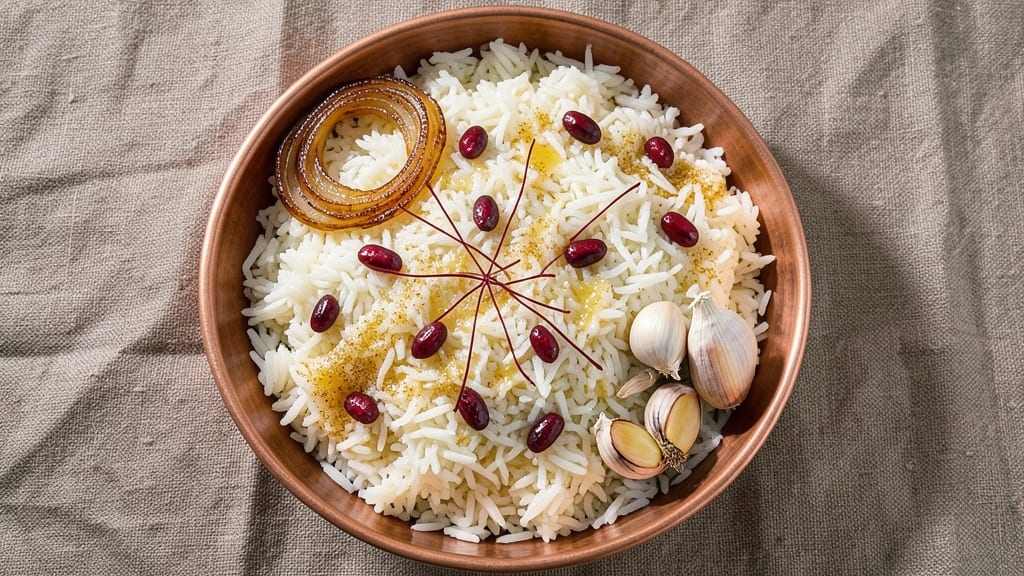
This Persian chelo rice recipe transforms simple basmati into a fragrant, golden masterpiece with saffron-infused layers and toasted barberry crunch. The secret lies in the saz pot technique—steaming rice over boiling water to create perfectly tender grains with crispy bottom layers.
I've perfected this method after years of testing, ensuring every bite delivers authentic Persian restaurant quality at home.
The result is aromatic, slightly chewy rice with a delicate saffron hue and nutty barberry bits that add texture. Served with kebabs or ghormeh sabzi, this dish becomes a centerpiece for any Persian feast.
The process requires patience—soaking rice, precise water ratios, and careful layering—but the reward is a restaurant-worthy meal that impresses every time.
Ingredients for chelo rice
Twelve essential ingredients crafting Persian restaurant-quality chelo with saffron's golden hue and barberry's nutty crunch.
| Ingredient | Amount | Notes |
|---|---|---|
| Long-Grain Basmati Rice 🌾 | 2 cups | Uncooked, high-quality Persian variety |
| Saffron Threads 🌼 | ¼ tsp | High-quality, organically grown |
| Barberries (Zereshk) 🍇 | ½ cup | Dried, toasted until fragrant |
| Unsalted Butter 🧈 | ½ cup | European-style, cold for sauteing |
| Large Onion 🧅 | 1 whole | Yellow or red, thinly sliced |
| Garlic Cloves 🧄 | 4 cloves | Peeled, minced for aromatic base |
| Salt 🧂 | 1 ½ tsp | Diamond Crystal kosher salt |
| Water 💧 | 4 cups | Filtered or spring water preferred |
| Fresh Dill 🌿 | ¼ cup | Chopped, for garnish |
| Lemon Juice 🍋 | 1 tbsp | Freshly squeezed, for brightness |
| Ground Black Pepper 🌶️ | ¼ tsp | Freshly cracked for heat |
| Cardamom Pods 🌿 | 4 whole | Lightly crushed for subtle aroma |
The quality of your basmati and saffron makes or breaks this dish. Persian basmati from specialty stores like Safavi or Tarang delivers the ideal grain length and aroma. Saffron should be organically grown from Iran—anything else lacks the floral depth. For barberries, dried zereshk from Middle Eastern markets is non-negotiable; the pre-packaged kind from regular stores lacks the proper toasted crunch. Toast them in a dry pan until fragrant before adding to the rice. The butter matters too—European-style unsalted has higher fat content, creating that signature crispy bottom layer.
No barberries? Substitute with toasted pomegranate seeds at half the amount for a similar crunch, though the flavor won't be identical. Running low on saffron? Turmeric at one-tenth the amount gives color but lacks the floral notes. The cardamom pods can be omitted entirely if unavailable, but don't skip the dill—it's essential for that fresh finish. For the onion, yellow or red varieties work best; white onions are too sharp. The water should be room temperature—cold water makes the rice gummy. And if you're short on time, soak the rice for 30 minutes instead of the full 1-2 hours, though the texture won't be quite as perfect.
This rice keeps beautifully—3-4 days in the fridge if stored in an airtight container with a tight lid. The flavor actually improves overnight as the saffron infuses deeper. For longer storage, freeze portions for up to 3 months; thaw in the fridge and reheat gently with a splash of water. I always make double batches—one for immediate serving and one to freeze for lazy weeknights. The crispy bottom layer (tahdig) is best eaten fresh, so I save that portion for the first serving and serve the rest as regular rice.
Why You'll Love This Recipe
- Here’s what sold me: saffron feels fancy, but you only need a thread or two. Barberries add that tangy pop for pennies, and onions? Always on hand. It’s the kind of dish that makes cheap ingredients taste like a splurge.
- Golden Threads Magic: I swear by those saffron threads—just a pinch steeped in warm water, and suddenly, every grain of basmati turns into liquid sunshine. The way it blooms in the rice? Pure, golden satisfaction.
- One-Pot Wonder: Between us, this recipe is my go-to when I’ve got better things to do than scrub pots. Toss everything—rice, butter, onion, even the barberries—into one pot, and let the rice cooker (or pot) do the rest. Minimal chopping, zero fuss.
- Leftovers That Shine: Honestly, I almost always make double. The next day, reheated with a splash of water, it’s just as fragrant—like a cozy hug in bowl form. My kids don’t even complain about "day-old rice" because this isn’t day-old. It’s better.
Step-by-step instructions for chelo rice with saffron and barberry
Here's the method for creating restaurant-quality Persian chelo with fragrant saffron and nutty barberry crunch.
Toast the Barberries and Prepare the Saffron Infusion
In a dry skillet over medium heat, toast the 0.5 cup barberries (zereshk) for 3-4 minutes until fragrant and lightly golden. Watch carefully—they burn quickly. Transfer to a small bowl and set aside.
In a separate small saucepan, combine the 4 cups water with the 0.25 tsp saffron threads. Bring just to a simmer for 5 minutes to release the saffron's vibrant color and aroma. Remove from heat and let steep while you prepare the remaining ingredients. The water should turn a beautiful golden hue—this is your rice's signature color.
Sauté the Aromatic Base
In a large, heavy-bottomed pot with a tight-fitting lid, melt the 0.5 cup unsalted butter over medium heat. Add the 1 whole large onion (thinly sliced) and cook for 8-10 minutes until soft and translucent but not browned.
Add the 4 cloves minced garlic, 4 lightly crushed cardamom pods, and 0.25 tsp ground black pepper. Stir for 1 minute until fragrant—you should smell the warm spices immediately. This aromatic base forms the flavor foundation for your rice.
Layer and Parboil the Rice
Rinse the 2 cups long-grain basmati rice thoroughly under cold water until the water runs clear. Drain well and add to the pot, stirring gently to coat the grains with the butter mixture. Cook on medium-high heat for 2 minutes until the rice begins to sizzle.
Pour in the saffron-infused water, then add the 1.5 tsp salt. Bring to a boil, then immediately reduce heat to low. Cover tightly and cook for 10 minutes without stirring. The rice should absorb most of the liquid during this time, forming a thick, cohesive layer.
Steam to Perfect Texture
After the initial 10 minutes, uncover the pot and let it sit for 1 minute to release any built-up steam. Then cover again and cook on low heat for another 10-12 minutes. The rice should be tender but still slightly firm in the center—it will finish cooking during the final steaming phase.
Here's the critical part: turn off the heat completely and let the rice sit covered for 10 minutes. This resting period allows the steam to redistribute, resulting in perfectly fluffy grains with no dry centers. The pot should feel warm to the touch but not hot.
Fluff and Finish with Garnishes
Using a fork, gently fluff the rice from the bottom up to separate the grains. Stir in the toasted barberries (zereshk) and 0.25 cup chopped fresh dill. Drizzle with 1 tbsp lemon juice and toss lightly to combine.
Serve immediately in a large platter, garnished with additional dill and a sprinkle of barberries. The rice should be fragrant with saffron's floral notes, nutty from the barberries, and perfectly tender with a slight bite in the center. Each grain should separate easily when fluffed, with no mushy texture.
Pro Tips For Making Chelo Rice
- TOAST THE RICE FIRST: I learned this the hard way—skipping the quick dry-toast in butter makes the grains stick together like glue. Sauté the raw rice in butter for 2-3 minutes until every grain looks translucent and slightly golden. This isn’t just about flavor; it’s the non-negotiable step that guarantees separate, fluffy grains later.
- SOAK SAFFRON IN WARM WATER: Sounds simple, but I used to just toss saffron threads straight into the pot. My grandmother swore by this: crush the threads slightly between your fingers, then steep them in ¼ cup warm water for 10 minutes before adding to the rice. The color and aroma will be richer—no more weak, pale saffron that disappears into the dish.
- DON’T SKIP THE ONION LAYER: The caramelized onion base is the thing that matters most for chelo’s depth. Cook the onions until they’re deep golden brown, almost jammy, not just translucent. If you’re short on time, use a mix of white and yellow onions—they caramelize faster and add a sweeter contrast to the tart barberries.
- USE BARBERRIES LAST: Add the zereshk (barberries) right at the end, when the rice is almost done. I was skeptical until I tried it—they’ll stay bright and tangy instead of turning mushy or losing their pop. If they’re dried, soak them for 10 minutes first, but drain well so they don’t make the rice soggy. (Yes, even if you’re impatient like me.)
Perfect pairings for these flavors
Protein Pairings
Persian chelo shines alongside kebabs—try koobideh (ground lamb) or chicken shish for a classic combo. The smoky char of the meat contrasts beautifully with the fragrant saffron rice.
I always serve it with ghormeh sabzi (herb stew with kidney beans) for a hearty, protein-rich meal that feels like a restaurant feast. 🍗
Vegetarian Options
For plant-based pairings, mirza ghasemi (eggplant stew) adds rich, smoky depth. The eggplant’s creamy texture balances the rice’s slight chew. Another great choice is fesenjan (pomegranate-walnut sauce with chicken or duck), though you can easily make it vegetarian by omitting meat. The tart-sweet sauce cuts through the rice’s richness perfectly.
Beverage Pairings
Sip Persian black tea with cardamom for a traditional pairing—the floral notes complement the saffron. For something lighter, dough (a fizzy, floral drink made from yogurt and saffron) is refreshing.
Avoid heavy wines; instead, try a crisp white wine like Pinot Grigio or a light rosé to cleanse your palate between bites. 🍷
Side Dish Balance
Add tahdig (the crispy rice bottom) as a garnish for texture contrast. A simple cucumber-yogurt salad with mint and lemon brightens the plate. For extra crunch, serve with toasted pumpkin seeds—they add a nutty element that pairs wonderfully with the barberries.
The key is balance: each bite should have a mix of textures and flavors.
Dessert Pairings
End your meal with baklava for a sweet contrast—the honeyed nuts and flaky layers complement the savory rice. Another favorite is halva (sesame or pistachio), which adds a rich, creamy finish.
For a lighter option, Persian rosewater ice cream with crushed pistachios is a refreshing way to conclude the feast. 🍮
Nutrition facts
Frequently asked questions
What makes Persian chelo rice different from regular basmati?
Persian chelo uses special techniques like the saz pot method—steaming rice over boiling water to create a crispy bottom layer (tahdig) while keeping the top fluffy. The rice is also infused with saffron and toasted barberries for unique flavor and texture, unlike plain basmati which is just cooked with water and salt. The rice-to-water ratio is also precise (1:2) for perfect texture.
Can I use regular basmati rice instead of Persian basmati?
Yes, but Persian basmati has longer grains and more aroma—it's the gold standard for chelo. Regular basmati will work, but the grains may not separate as beautifully. For best results, choose a high-quality basmati with a minimum 18% amylose content (look for "super basmati" labels). Soak it for 1-2 hours to improve texture.
Why does my chelo rice turn out mushy?
Mushy rice usually means overcooking or stirring too much during cooking. Persian chelo should be cooked in two stages: first parboiled, then steamed. Never stir after the initial boiling—this breaks the grains. Also, check your water ratio (2 cups rice to 4 cups water) and reduce heat to low during steaming. Let it rest 10 minutes covered after cooking.
What's the best way to make tahdig (crispy bottom layer)?strong>
For perfect tahdig, use European-style butter (higher fat content) and let the rice cook uncovered for 5-7 minutes at the end. Spread the rice in a thin, even layer in your pot before the final cooking phase. The key is low, dry heat—place the pot on the lowest burner setting. For extra crispiness, add a thin layer of oil to the bottom before cooking.
Can I make chelo rice in a rice cooker?
While possible, rice cookers struggle with tahdig. For best results, use the steam setting and cook the rice halfway (about 10 minutes), then transfer to a pot for the final tahdig phase. Alternatively, try the sauté function first to build the flavor base, then switch to cook mode. The texture won't be identical, but it's a good backup method when you're short on time.