
Main Courses
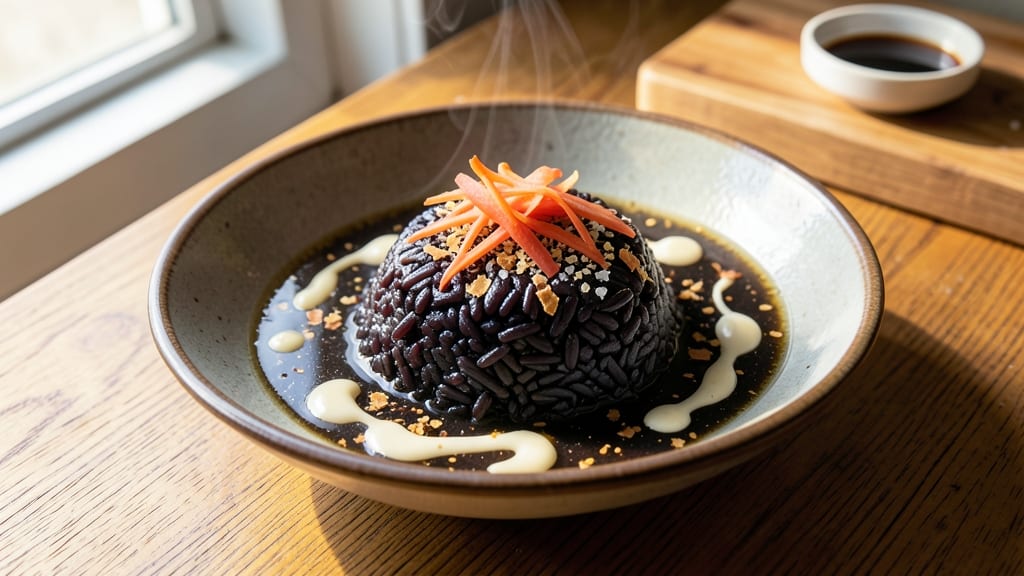
This black rice kanji recipe transforms simple ingredients into a deeply comforting, umami-rich porridge that feels like a warm embrace. The deep purple hue of black rice isn’t just striking—it’s packed with antioxidants and earthy flavor that infuses every spoonful with natural depth.
Perfect for a cozy meal or a soothing recovery dish, this one-pot wonder requires minimal effort but delivers restaurant-quality results at home.
What sets this kanji apart is its versatility—simmered in a savory broth until tender, the black rice absorbs rich flavors while maintaining its satisfying texture.
Whether you stick to traditional Japanese techniques or add modern twists like miso or soy sauce, the result is a dish that’s both nourishing and adaptable. Serve it as-is for a light meal or top it with grilled fish, pickles, or sesame seeds for extra dimension.
Ingredients for black rice kanji
Black rice, kombu, and miso create this umami-rich comfort dish with minimal ingredients.
| Ingredient | Amount | Notes |
|---|---|---|
| Black Rice 🌾 | 1 ½ cups | Uncooked, rinsed thoroughly |
| Dashi Stock 🍲 | 4 cups | Homemade or quality store-bought |
| Kombu Seaweed 🍃 | 1 piece | Dried, 3x4 inches, for umami |
| Bonito Flakes 🐟 | 1 tbsp | For rich fish flavor |
| White Miso Paste 🍶 | 2 tbsp | Fermented for depth |
| Fresh Ginger 🧅 | 1 inch | Peeled, thinly sliced |
| Fresh Ginger 🧅 | 1 ½ tsp | Grated, for aromatic base |
| Green Onions 🧅 | 2 whole | White and green parts separated |
| Sesame Seeds 🌰 | 1 tbsp | Toasted, for garnish |
| Soy Sauce 🍶 | 1 tbsp | For balanced saltiness |
| Mirin 🍶 | 1 tbsp | Sweet rice wine |
| Salt 🧂 | ½ tsp | Adjust to taste |
| Water 💧 | 2 cups | For proper consistency |
The black rice is the star—look for short-grain black rice at specialty stores like Whole Foods or Trader Joe's for the deepest purple hue. If using Koshihikari black rice, it absorbs flavors beautifully. The kombu should be dried and pliable—never brittle. For dashi, Hojicha brand kombu is ideal, but any dried seaweed works. Bonito flakes add that signature umami punch, so don't skip them unless you're vegetarian (use dried shiitake mushrooms instead).
No mirin? Substitute 1 tbsp sugar + 1 tbsp rice vinegar for sweetness. Fresh ginger can be swapped for 1 tsp ground ginger, but the texture changes. For extra richness, add 1 tbsp toasted sesame oil to the broth. The white miso paste is key—Miso Master brand is reliable, but any white miso works. If your rice turns too mushy, reduce the water by 0.25 cup next time. The green onions should be finely sliced for garnish, but you can use scallions if that's what you have.
This kanji reheats beautifully—simmer gently to restore texture. Keeps for 4 days in the fridge, or freeze for 3 months in airtight containers. For meal prep, double the batch and store portions separately. The flavor deepens overnight, so make extra if you can. Garnish with sesame seeds and a drizzle of toasted sesame oil right before serving for maximum freshness.
Why You'll Love This Recipe
- No-Fuss Simmer: The kombu and bonito do all the work—just steep, strain, and pour. I’ve made this while scrolling through emails; it’s that hands-off.
- Umami Bomb: That miso paste and dashi combo? Deep, savory magic. The black rice soaks up the flavor like a sponge, turning every bite into a little burst of Japanese comfort.
- Lunchbox Hero: Cold or warm, it’s my go-to for packed lunches. The texture stays perfect for days, and kids (yes, even picky ones) actually finish it.
- Budget Magic: Black rice might sound fancy, but it’s cheaper than white rice here. A single batch stretches into breakfasts, soups, or even a quick stir-fry—no waste, all flavor.
Step-by-step instructions for black rice kanji
This umami-rich one-pot dish delivers deep flavor through precise layering of fermented and aromatic ingredients.
Prepare the Umami Base
In a medium saucepan, combine the 2 cups water with the 1 piece Kombu Seaweed and bring to a gentle simmer over medium heat. Let it steep for 5 minutes—this allows the kombu to infuse the water with its signature oceanic depth. The liquid should develop a faint seaweed aroma and turn slightly cloudy.
Remove the kombu from the pan and discard it. Add the 1 tbsp Bonito Flakes and simmer for an additional 2 minutes until they dissolve completely, creating a golden broth. This step builds the foundation for your kanji's rich umami profile. Strain the broth through a fine-mesh sieve into a clean bowl to remove any remaining bits, then return it to the pan.
Build the Flavor Layers
Add the 1.5 cups Black Rice to the pan along with the 4 cups Dashi Stock. Stir gently to combine, then bring the mixture to a boil over medium-high heat. Once boiling, reduce heat to low and let it simmer uncovered for 20 minutes, stirring occasionally to prevent sticking. The rice should begin to absorb the liquid while developing a subtle nutty aroma.
After 20 minutes, stir in the 2 tbsp White Miso Paste, 1 tbsp Soy Sauce, 1 tbsp Mirin, and 0.5 tsp Salt. Add the 1.5 tsp Fresh Ginger and 1 inch Fresh Ginger (thinly sliced). The miso will dissolve gradually, creating a velvety texture. Continue simmering for another 15 minutes until the rice is tender but still holds some bite. The kanji should thicken slightly, coating the back of a spoon with a glossy sheen.
Finish with Aromatics and Garnish
Separate the 2 whole Green Onions into white and green parts. Remove the pan from heat and stir in the white parts of the onions. Let the mixture sit for 2 minutes to allow the flavors to meld. The white onion pieces will soften slightly, adding another layer of sweetness to the dish.
Finally, sprinkle the 1 tbsp Sesame Seeds over the top and garnish with the green onion tops. The sesame seeds add a nutty crunch that contrasts beautifully with the creamy kanji. Serve immediately while warm, as the texture and flavors are at their peak. This dish is best enjoyed fresh, with the rice maintaining its slight chew and the broth retaining its rich umami depth.
Pro Tips For Making Black Rice Kanji
- Rinse Black Rice Twice: Black rice soaks up water like a sponge—skip the extra rinse, and your kanji will turn to mush. Two quick rinses under cold water (30 seconds each) removes surface starch without over-drying the grains, so they stay plump and separate.
- Toast Kombu First: I used to toss dried kombu straight into the pot, but toasting it for 1-2 minutes over medium heat until fragrant unlocks deeper umami. This step prevents bitterness and ensures the dashi builds flavor faster—no need to simmer kombu for hours.
- Simmer Dashi Low and Slow: Black rice kanji needs patience. Once the kombu and bonito are in, keep the heat at a gentle simmer—no rolling boil. Too much heat turns the broth cloudy and breaks down the kombu’s texture, ruining that clean, mineral-rich base.
- Stir Miso Last: Add white miso paste when the kanji is almost done, not at the start. Stirring it into hot broth can kill its probiotics and make the flavor harsh. Let the pot sit off heat for 2 minutes first, then whisk in the miso and heat just until dissolved—this keeps the dish bright and balanced.
Essential equipment for perfect results
Essential Pot Types
For this kanji, a heavy-bottomed saucepan is non-negotiable—it prevents scorching and maintains even heat distribution. I recommend a 5-quart stainless steel or enameled cast iron pot like the Le Creuset Dutch Oven for its heat retention.
If you're on a budget, a 5-quart All-Clad stainless steel saucepan works beautifully too. The deep sides help prevent spills as the rice expands. 🌡️
Precision Tools
A fine-mesh strainer is crucial for removing kombu and bonito flakes without losing precious broth. I use a mesh size #10 or smaller to catch even the tiniest particles. For measuring, a digital kitchen scale ensures accuracy with the black rice—1.5 cups uncooked equals roughly 200 grams.
A microplane for ginger and a sharp chef's knife for green onions are also must-haves for texture control.
Umami Enhancers
Invest in high-quality dashi ingredients to elevate your kanji. A dashi pot (like the Kinto brand) simplifies the kombu-bonito process, but a standard saucepan works too. For miso, a small offset spatula helps scrape every last bit from the jar.
I keep pre-toasted sesame seeds on hand—they add instant depth. Hojicha kombu from specialty stores like Nishiki Market delivers superior umami compared to generic dried seaweed.
Storage Solutions
An airtight glass container (like Pyrex with snap-on lids) preserves kanji's texture for up to 4 days in the fridge. For freezing, use quart-sized silicone molds to portion individual servings.
Label containers with dates—this dish tastes even better the next day! A fine-mesh sieve helps strain reheated kanji smoothly if you prefer a smoother texture after storage. 💫
Optional Extras
Upgrade your presentation with a small offset spatula for plating and a mini food mill to achieve silky-smooth kanji if desired. For garnishes, nori strips or pickled ginger add authentic Japanese flair.
A small sauceboat lets diners drizzle extra dashi or sesame oil to taste. These tools aren't essential but elevate the dish from homey to restaurant-worthy.
Nutrition facts
Frequently asked questions
What makes black rice different from regular rice for kanji?
Black rice, also called forbidden rice, has a deeper nutritional profile with higher antioxidants and a nuttier, earthier flavor than white rice. Its dark purple hue comes from anthocyanins, which give kanji its striking color and subtle sweetness. The grains hold their shape better during long simmering, creating a more satisfying texture in porridge form.
Can I make this black rice kanji vegan?
Replace bonito flakes with 2 tbsp dried shiitake mushrooms soaked in hot water for umami, and use vegetable dashi instead of fish-based broth. Skip the mirin (or use 1 tbsp sugar + 1 tbsp rice vinegar) and ensure your miso is vegan. The dish will still be rich and flavorful with these substitutions.
Why does my kanji turn out too thick or too thin?
The ratio of rice to liquid is key—1.5 cups rice to 6 cups total liquid (water + dashi) is ideal. If too thick, add 2 tbsp water at a time while simmering. For thin kanji, simmer uncovered longer to reduce the liquid. Stir frequently to prevent sticking, which can affect texture.
How can I make this dish more protein-rich?
Add ½ cup cooked chicken, tofu, or shrimp during the last 10 minutes of simmering. For extra depth, stir in 1 tbsp soy sauce and ½ tsp five-spice powder with the protein. The kanji's creamy texture will beautifully complement the added protein without overpowering the dish.
Can I prepare black rice kanji ahead of time?
Yes! This dish actually tastes better the next day as flavors meld. Store in an airtight container for up to 4 days in the fridge. Reheat gently on low heat, adding 1-2 tbsp water if needed. For freezing, portion before reheating—it reheats best when fresh from the freezer (up to 3 months**).