
Main Courses
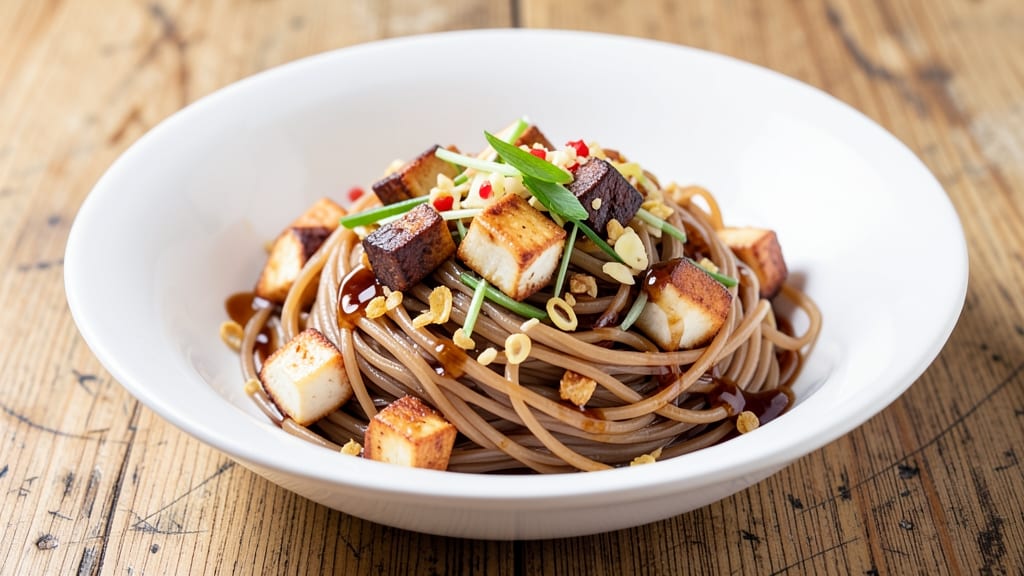
This brown rice vermicelli noodles recipe delivers restaurant-quality wok-tossed noodles with crispy edges and tender centers—all in under 15 minutes. The secret lies in high-heat stir-frying and a simple sauce that balances umami, sweetness, and tang.
Perfect for weeknight dinners or meal prep, this dish adapts effortlessly to vegetarian diets while accommodating proteins like shrimp or tofu.
What sets this recipe apart is its versatility—use it as a quick stir-fry, refreshing salad, or hearty soup base. The brown rice noodles provide a satisfying chew, while the wok-tossing creates those coveted crispy edges.
Whether you're serving a crowd or prepping for the week, this dish delivers bold flavor without the fuss. Let’s get started!
Ingredients for brown rice vermicelli noodles
These 15 ingredients transform into restaurant-quality wok-tossed noodles with perfect crispy edges and tender centers.
| Ingredient | Amount | Notes |
|---|---|---|
| Brown Rice Vermicelli Noodles 🍜 | 8 oz | Uncooked, dried strands |
| Extra-Firm Tofu 🥬 | 1 lb | Pressed, cubed (1-inch pieces) |
| Fresh Garlic 🧄 | 4 cloves | Minced for aromatic base |
| Fresh Ginger 🌿 | 2 tbsp | Finely grated (peeled) |
| Low-Sodium Soy Sauce 🍶 | 3 tbsp | For umami depth |
| Rice Vinegar 🍶 | 2 tbsp | For tangy balance |
| Sesame Oil 🫒 | 1 tbsp | Toasted, for aroma |
| Peanut Butter 🥜 | 1 tbsp | Creamy, for richness |
| Honey 🍯 | 1 tbsp | For subtle sweetness |
| Vegetable Oil 🫒 | 3 tbsp | High smoke point |
| Red Bell Pepper 🌶️ | 1 whole | Thinly sliced, seeds removed |
| Green Onion 🧅 | 3 whole | Thinly sliced, white/light green |
| Lime 🍋 | 1 whole | Juiced, for brightness |
| Toasted Sesame Seeds 🌾 | 1 tbsp | For garnish |
| Diamond Crystal Kosher Salt 🧂 | 1 tsp | Fine grain preferred |
The brown rice vermicelli is the foundation—look for dried strands labeled 'vermicelli' in the Asian foods aisle at Whole Foods or Trader Joe's. The extra-firm tofu must be pressed for 20 minutes to remove excess water; Costco sells pre-pressed blocks that save time. Fresh ginger and garlic should be vibrant with no soft spots, while the red bell pepper adds both color and crunch—organic varieties from the farmers market have the best flavor. For the peanut butter, natural, unsweetened is ideal to avoid excess sugar.
No tofu? Mushrooms or shrimp work equally well for protein—just adjust cooking time. Substitute tahini for peanut butter if nut-free is required, though the flavor profile shifts slightly. The honey can be swapped for maple syrup for vegan diets, though honey adds that delicate floral note. If you're short on time, pre-minced garlic and ginger from the freezer section work in a pinch, though fresh is always preferred. The sesame oil should be toasted—La Choy or Kikkoman are reliable brands for this purpose.
Store uncooked noodles in an airtight container for up to 6 months, while fresh ginger and garlic keep in the fridge for 2 weeks wrapped in damp paper towels. The sauce components (soy, vinegar, peanut butter) last 3 months in the pantry, though the peanut butter will separate—just stir before use. Cooked noodles reheat beautifully in a wok or skillet with a splash of water for 2-3 minutes over high heat to restore crispiness. For meal prep, portion sauce separately to maintain freshness.
Why You'll Love This Recipe
- No Boil Required: I swear by the 5-minute soak method—just warm the noodles in broth or water until pliable. No standing over a pot, no sticky mess, and they hold their texture perfectly. Honestly, it’s the kind of shortcut that makes me want to cook more often.
- Umami Bomb: That crispy tofu, seared until golden, paired with fresh ginger and garlic? The low-sodium soy sauce ties it all together like a flavor hug. Between us, the first bite makes me forget it’s a vegetarian dish—it’s just ridiculously good.
- Lunchbox Hero: Pack these cold or reheated—they’re my go-to for work lunches or kids’ school meals. The noodles stay separate until you add sauce, so no soggy bottoms. My daughter picks out the tofu (she’s weird like that), but she still finishes her bowl every time.
- Budget Meal Magic: Tofu’s cheap, brown rice noodles last forever, and a head of garlic/ginger stretches across multiple meals. I’ve made this for $3 per serving, and it still feels like a restaurant dish. Not the prettiest, but the taste makes up for it every time.
Step-by-step instructions for wok-tossed brown rice vermicelli with crispy edges
Master this fusion dish where delicate noodles meet crispy tofu and vibrant stir-fry flavors.
Prepare and Press the Tofu for Maximum Crispiness
Remove the pressed, cubed extra-firm tofu from its package and pat it completely dry with paper towels. This step is critical—any moisture will prevent the tofu from developing that perfect golden crust. Arrange the tofu cubes on a wire rack set over a plate and let them air-dry for 15 minutes while you prepare the remaining ingredients.
While the tofu dries, create your marinade by whisking together 3 tablespoons low-sodium soy sauce, 1 tablespoon sesame oil, and 1 teaspoon diamond crystal kosher salt in a small bowl. Toss the tofu cubes in this marinade and let them sit for 10 minutes. This marinade not only seasons but also helps maintain moisture in the tofu while creating a flavorful crust.
Cook the Noodles Al Dente and Reserve Starch-Rich Water
Bring a large pot of water to a rolling boil and add 8 ounces brown rice vermicelli noodles. Cook for 3-4 minutes until the noodles are tender but still have a slight bite—this is crucial for the wok-tossing step. The noodles should be bright and springy, not mushy.
While the noodles cook, prepare an ice bath by filling a large bowl with cold water and ice. Once the noodles reach al dente, drain them immediately and transfer to the ice bath for 1 minute. This stops the cooking process and prevents the noodles from becoming overcooked and limp. Reserve ½ cup of the pasta water before draining completely—this starchy liquid will be essential for creating the perfect sauce later.
Build Flavor Layers with Aromatics and Sauce Base
Heat 3 tablespoons vegetable oil in a wok or large skillet over medium-high heat until shimmering. Add the marinated tofu cubes and cook undisturbed for 4-5 minutes until golden brown on all sides. Flip carefully with tongs—this is where you'll achieve that crispy exterior we're after. Transfer the tofu to a plate and set aside.
In the same wok, add 4 cloves minced fresh garlic and 2 tablespoons finely grated fresh ginger. Cook for 30 seconds until fragrant but not browned—this ensures you capture their aromatic essence without bitterness. Add 1 whole red bell pepper, sliced into thin strips, and stir-fry for 3 minutes until just tender but still vibrant in color.
Create the Signature Peanut-Honey Sauce
Lower the heat to medium and add 1 tablespoon peanut butter and 1 tablespoon honey to the wok. Stir continuously for 1 minute until the peanut butter melts completely and the mixture becomes smooth. The sauce should coat the back of a spoon—a sign it's ready for the next step.
Pour in 2 tablespoons rice vinegar and 3 tablespoons low-sodium soy sauce, then add ½ cup of the reserved pasta water. Stir vigorously for 30 seconds until the sauce emulsifies into a glossy, cohesive consistency. The acidity from the vinegar will balance the richness of the peanut butter, while the soy sauce adds depth of umami flavor.
Wok-Toss for Crispy Edges and Perfect Texture
Return the tofu to the wok and add the drained noodles. Toss everything together vigorously for 2-3 minutes over high heat, using a pair of tongs to keep the noodles moving constantly. The high heat is essential here—it creates those crispy edges on the noodles while keeping the centers tender.
Add 3 whole green onions, sliced thinly, and toss for another 30 seconds until evenly distributed. Finish with the juice of 1 whole lime and 1 tablespoon toasted sesame seeds. The lime brightens the dish, cutting through the richness, while the sesame seeds add a nutty crunch. Taste and adjust seasoning if needed—you may want to add a splash more soy sauce or lime juice to balance the flavors to your preference.
Pro Tips For Making Brown Rice Vermicelli Noodles
- Soak Noodles Separately: Split that vermicelli into two batches for soaking—one in hot water, one in cold. The hot water softens them faster, while the cold keeps the second batch from overcooking while you prep the tofu. I learned this the hard way when my noodles turned to mush before the tofu even hit the pan.
- Press Tofu Properly: Wrap the extra-firm tofu in a towel, then press it between two heavy plates for 20 minutes. Skip the paper towels—cotton absorbs more moisture, giving you a firmer, less soggy tofu that won’t fall apart when stir-frying. (Yes, even if you’re impatient like me.)
- Mince Ginger Thin: Use a microplane or knife to shave ginger into paper-thin slivers, not tiny cubes. This way, it blends into the sauce instead of sitting as chewy chunks. My grandmother swore by this, and she was right: it makes the whole dish taste more cohesive.
- Stir-Fry in Two Stages: Cook the garlic and ginger first over high heat until fragrant, then push them to the side and add the tofu. Let it sear undisturbed for 2 minutes—this locks in flavor before tossing with the noodles. Sounds weird, but it works: the tofu stays crispy and the sauce sticks better.
Wine and beer pairings for this brown rice vermicelli noodles
Crisp White Wine
A dry Riesling from Germany or a Sauvignon Blanc from New Zealand is my go-to pairing for this dish. The bright acidity and citrus notes in these wines cut through the peanut butter's richness while complementing the ginger and lime in the noodles.
I love a Dr. Loosen Blue Slate Riesling—its crisp finish cleanses the palate between bites. 🍷
Light-Bodied Beer
For beer lovers, a Japanese lager like Sapporo or Asahi provides the perfect lightness. The subtle malt sweetness enhances the honey in the sauce without overpowering the dish.
If you prefer hoppier options, try a Belgian-style witbier like Stella Artois—its coriander and citrus notes mirror the lime and ginger flavors in the noodles.
Asian-Inspired Sake
Warm dry sake (around 15% ABV) elevates this dish like nothing else. The clean, slightly nutty profile of a Japanese junmai sake (like Dassai) harmonizes with the peanut sauce and tofu. Serve it chilled for a refreshing contrast to the warm noodles. 🍶
Sweet Sparkling Wine
If you want something festive, a Prosecco or Cava with a touch of sweetness works beautifully. The bubbles refresh your palate, while the slight sweetness balances the dish's savory-sweet profile. Look for a La Marca Prosecco—its crisp acidity and delicate fruitiness make it a crowd-pleaser.
Herbal Tea Pairing
For a non-alcoholic option, jasmine green tea or hibiscus tea adds an elegant touch. The floral notes of jasmine tea complement the ginger and sesame, while the tartness of hibiscus tea mirrors the lime. Brew a T2 tea for a smooth, aromatic experience.
Nutrition facts
Frequently asked questions
Can I substitute brown rice vermicelli for regular white rice noodles?
Yes, but there are key differences! Brown rice vermicelli has a chewier texture and nutty flavor that works beautifully in stir-fries. White rice noodles cook faster (2 minutes vs 3-4 minutes) and become softer, which may not hold up as well in wok-tossing. For best results, stick with brown rice for that satisfying bite.
How do I prevent the noodles from sticking together?
Use high heat and constant tossing with tongs—this creates crispy edges while preventing clumping. Always cook the noodles al dente (bright and springy) and rinse briefly with cold water after draining. The reserved pasta water also helps loosen noodles during tossing. Never overcrowd the wok!
Can I make this recipe gluten-free?
Brown rice vermicelli is naturally gluten-free, and all other ingredients in this recipe are safe. Just ensure your soy sauce is tamari-based (gluten-free) and check your peanut butter label for cross-contamination warnings. The dish remains perfectly flavorful while being allergy-friendly.
What's the best way to reheat leftovers?
Reheat in a wok or skillet over high heat for 2-3 minutes with a splash of water. This restores crispiness without making the noodles soggy. Avoid microwaving—it turns the dish mushy. Store leftovers in an airtight container for up to 3 days or freeze for 1 month.
Why does my peanut sauce separate?
This happens when oil and water don't emulsify properly. Fix it by adding ½ cup reserved pasta water (the starch acts as a natural emulsifier) and whisking vigorously. For prevention, melt the peanut butter slowly over low heat before adding other liquids. The sauce should be glossy and coat the back of a spoon.