
Main Courses
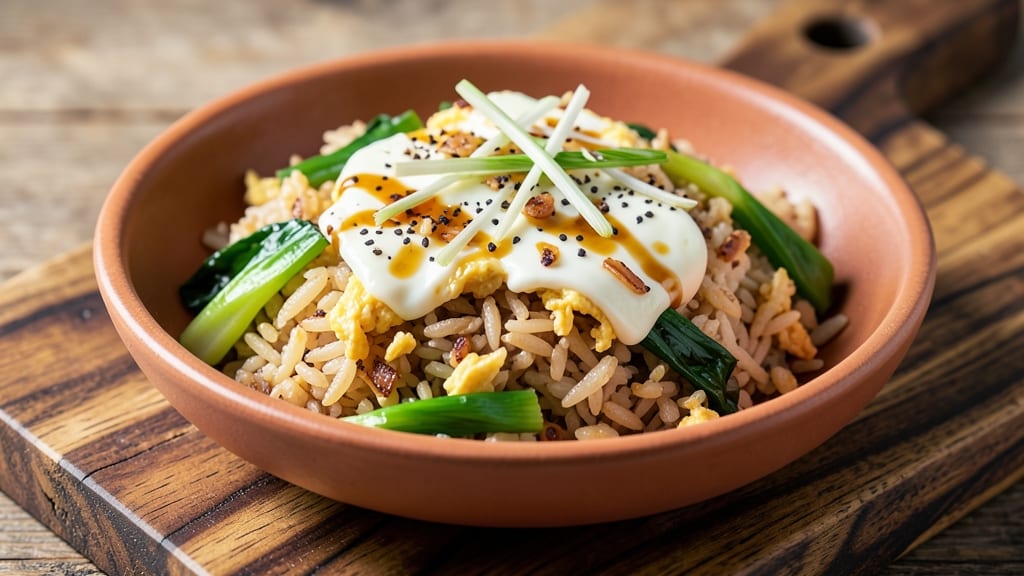
This bok choy fried rice recipe delivers the perfect balance of crispy veggies, tender eggs, and savory wok hei flavor in a single pan. The secret lies in high-heat stir-frying, which transforms day-old rice into a fragrant base while keeping the bok choy blistered and vibrant.
With just 20 minutes of active cooking, you'll achieve restaurant-quality results that are both satisfying and adaptable to vegetarian diets.
What sets this recipe apart is the technique: quick-cooking bok choy and eggs are stir-fried separately for maximum texture contrast, then combined with seasoned rice for a harmonious bite. The combination of garlic, ginger, and sesame oil adds depth, while soy sauce ties everything together.
Whether you're feeding a family or meal prepping for the week, this one-pan dish delivers bold flavors without the fuss.
Ingredients for bok choy fried rice
High-heat stir-fry essentials: day-old rice, crispy bok choy, and perfectly beaten eggs for restaurant-quality texture.
| Ingredient | Amount | Notes |
|---|---|---|
| Day-Old Cooked White Rice 🍚 | 4 cups | Cold or room temperature preferred |
| Bok Choy 🥬 | 2 whole | Baby or regular, cut into bite-sized pieces |
| Large Eggs 🥚 | 3 whole | Freshly beaten for optimal texture |
| Garlic Cloves 🧄 | 4 cloves | Minced for aromatic base |
| Fresh Ginger 🌿 | 1 tbsp | Finely grated, peeled |
| Vegetable Oil 🫒 | 3 tbsp | High smoke point preferred |
| Sesame Oil 🫒 | 1 tbsp | Toasted for authentic flavor |
| Light Soy Sauce 🥫 | 3 tbsp | Kikkoman preferred for balance |
| Dark Soy Sauce 🥫 | 1 tbsp | For color depth |
| White Pepper 🌶️ | ½ tsp | Freshly ground for subtle heat |
| Salt 🧂 | ½ tsp | Diamond Crystal kosher preferred |
| Green Onions 🧅 | 3 whole | Thinly sliced, white and green parts |
| Sesame Seeds 🌾 | 1 tsp | Toasted for garnish |
The bok choy selection matters—look for vibrant, crisp stalks at Whole Foods or Asian markets, where they often carry baby bok choy with thicker stems for better texture. Fresh ginger should smell pungent and be firm; peel it just before grating to preserve its potency. For garlic, pre-mince it using a microplane for even distribution. Day-old rice is non-negotiable—fresh rice turns mushy under high heat. If using jasmine rice, it absorbs flavors better than basmati, though both work. Kikkoman soy sauce remains the gold standard for balance, but San-J or Pearl River Bridge brands offer excellent alternatives if unavailable.
No baby bok choy? Regular bok choy works—just halve it lengthwise for even cooking. Egg substitutes like tofu scramble (½ cup silken tofu + 1 tbsp soy sauce) mimic texture but lack richness. Sesame oil can be omitted if you dislike its aroma, but toasted sesame seeds still provide crunch. Soy sauce swaps: Tamari for gluten-free, or coconut aminos for a milder profile. White pepper can be replaced with black pepper (½ tsp), though it lacks the subtle sweetness. Green onions? Use scallions interchangeably, but the white parts add more flavor than just the greens.
Store prepped bok choy in a sealed container with a paper towel for 3 days—it stays crisp longer. Cooked rice reheats best in a steamer basket over boiling water for 2-3 minutes to restore texture. Sesame seeds toast in 2 minutes in a dry pan; keep them in a cool, dark place for up to 6 months. This dish reheats beautifully—microwave 1 minute with a splash of water to revive crispiness. For meal prep, portion into glass containers to maintain freshness for 4 days in the fridge.
Why You'll Love This Recipe
- One-Pan Magic: I swear by this recipe when I’m too tired to scrub pots—just toss everything in one skillet, stir, and walk away. The bok choy wilts fast, the eggs scramble perfectly, and the rice soaks up all the garlic-ginger punch without extra effort.
- Umami Bomb: That first bite? The crisp-tender bok choy stems crunching against the creamy egg and chewy rice, all while the ginger and garlic linger like a warm hug. Honestly, it’s the kind of flavor that makes you reach for seconds before you even finish the first bowl.
- Lunchbox Hero: Between us, this is my go-to for packed lunches—it reheats beautifully and still tastes fresh hours later. Toss in a fried egg on top the next day, and suddenly you’ve got a satisfying, no-fuss meal that’ll make your coworkers jealous.
- Pantry Staple: I keep day-old rice on hand just for this—no waste, no fuss. Bok choy lasts forever in the fridge, and eggs? Always cheap. It’s the kind of recipe that turns $5 of ingredients into a meal that feels like a restaurant dish, which is exactly what I need when I’m broke but still want to eat well.
Step-by-step instructions for bok choy fried rice
Master this one-pan technique for restaurant-quality fried rice with perfectly crisp bok choy and tender eggs.
Prep the Ingredients for Optimal Texture
Begin by separating the bok choy into bite-sized pieces, discarding the thick stems if using baby bok choy. The key here is to get everything ready before cooking—this is what separates home-cooked fried rice from restaurant-quality. Finely mince the garlic cloves and grate the fresh ginger using a microplane for maximum flavor extraction. Thinly slice the green onions, keeping the white and green parts separate for garnishing later.
Crack the large eggs into a bowl and whisk vigorously until the yolks and whites are fully combined. This ensures silky, evenly cooked eggs that won't break apart during the stir-fry process. Keep all prepped ingredients within easy reach of your cooking station—efficient organization is critical for this high-speed cooking method.
Create the Flavor Base with High Heat
Heat a large wok or skillet over high heat until it's smoking hot. Add the vegetable oil and swirl to coat the surface evenly. This high heat is essential for achieving that signature crisp-tender texture in the rice and bok choy. Once the oil shimmers, add the minced garlic and grated ginger, stirring constantly for 30 seconds until fragrant but not browned.
Here's where the magic begins: Add the day-old cooked white rice, breaking up any clumps with your spatula. Spread the rice evenly across the pan and let it sit undisturbed for 30 seconds to develop a light crust on the bottom. This initial searing creates the foundational texture that prevents mushy rice. After 30 seconds, push the rice to one side of the pan and add half of the sliced bok choy pieces to the empty space.
Build Layers of Flavor with Precision Timing
Stir the bok choy vigorously for 2-3 minutes until it turns bright green and develops crisp edges. The high heat should create a satisfying sizzle—this is your indicator that the vegetables are cooking properly. Season immediately with the light soy sauce, dark soy sauce, white pepper, and salt, tossing continuously to coat every grain of rice and piece of bok choy evenly.
Push the bok choy mixture to one side again and pour the beaten eggs into the empty space. Let them cook undisturbed for 20-30 seconds until they begin to set but are still slightly runny in the center. This creates that signature "soft curd" texture in fried rice. Using a spatula, gently fold the eggs into the rice mixture, combining thoroughly. Add the remaining bok choy pieces and stir-fry for another minute until everything is heated through and the eggs are fully cooked.
Finish with Aromatic Touches
Drizzle the sesame oil over the fried rice and toss gently to distribute evenly. The sesame oil should infuse quickly, adding a nutty aroma that elevates the dish. Remove the pan from heat and immediately sprinkle with the toasted sesame seeds and sliced green onions, reserving some for garnish. The residual heat will lightly toast the seeds, enhancing their flavor.
For the final touch, taste and adjust seasoning if needed—this is where you can fine-tune the balance between salty, umami, and subtle heat. The dish should be vibrant with color, featuring crisp bok choy, tender eggs, and perfectly textured rice. Serve immediately while hot, garnished with additional green onions and sesame seeds for presentation.
Pro Tips For Making Bok Choy Fried Rice
- CHOP GINGER THIN: Skip the usual thick slices—this isn’t stir-fry soup. Use a mandoline or sharp knife to shave ginger into paper-thin sheets. They’ll melt into the rice instead of sitting as chewy chunks, and the heat will spread evenly. (Yes, it looks like confetti, but trust me.)
- STIR FAST, STOP LATE: The second the bok choy wilts, pull the pan off the heat. Overcooking turns it into sad, limp greens. Work the wok aggressively for the first 30 seconds after adding the veggies, then let residual heat finish the job. Your future self will notice the difference.
- USE COLD RICE: Day-old rice is non-negotiable, but cold rice sticks together like glue. Spread it on a tray and microwave for 30 seconds before stirring. This breaks up clumps and gives you that perfect, separate-grain texture. (No, you can’t just grab yesterday’s leftovers straight from the container.)
- SCRAMBLE EGGS SEPARATELY: I learned this the hard way—don’t mix the eggs with the rice at the start. Scramble them in a small pan first, then fold them in at the end. You’ll get fluffier, more distinct egg bits instead of a mushy gray blob. (And yes, it’s worth the extra 2 minutes.)
Health benefits of this bok choy fried rice
Rich in Vitamin K
Bok choy is a vitamin K powerhouse, with just 2 cups providing over 1,000% of your daily needs. This nutrient is crucial for blood clotting and bone health—studies show it helps maintain strong bones by improving calcium absorption.
I always reach for bok choy when I need an easy way to boost my vitamin K intake without supplements. 💪
High in Vitamin C
One serving of bok choy delivers 50% of your daily vitamin C, an antioxidant that supports immune function and skin health. The vitamin C content remains stable even after stir-frying, so you won't lose these benefits when cooking.
Pairing bok choy with garlic in fried rice creates a flavorful combo that also boosts immunity. ✨
Low-Calorie Protein Boost
This vegetable provides 2 grams of plant-based protein per cup while keeping calories low at just 20 calories per serving. The protein helps keep you full longer, making this fried rice an excellent option for balanced meals.
I often add extra bok choy to increase the protein content without adding many calories. 🥬
Packed with Antioxidants
Bok choy contains lutein and zeaxanthin, antioxidants that protect your eyes from oxidative damage. These compounds are particularly beneficial for reducing the risk of cataracts and macular degeneration. The bright green color signals high antioxidant activity—always choose the most vibrant bok choy you can find. 👀
Supports Digestion
The fiber in bok choy (about 2 grams per cup) promotes healthy digestion and gut bacteria. The crisp texture in fried rice adds satisfying chew while supporting digestive health. I notice my digestion improves when I include bok choy in my meals regularly. 🌿
Rich in Calcium
With 80mg of calcium per cup, bok choy contributes to bone strength and muscle function. This is particularly valuable for those avoiding dairy products. The calcium content pairs well with the vitamin K to support overall bone health. 💛
Nutrition facts
Frequently asked questions
Why does the recipe call for day-old rice instead of fresh rice?
Day-old rice is essential because its slightly drier texture prevents it from turning mushy during stir-frying. Fresh rice contains too much moisture, which causes it to steam rather than develop that perfect crisp-tender bite. If you only have fresh rice, spread it on a tray and refrigerate for 1 hour before using.
Can I make this recipe vegetarian without eggs?
Replace the eggs with ½ cup silken tofu crumbled and pan-fried with 1 tbsp soy sauce until lightly browned. For extra protein, add ½ cup chopped mushrooms or ½ cup shredded carrots to the stir-fry. The texture will be slightly different but still delicious.
How do I prevent the bok choy from getting soggy?
High heat is your best friend—keep the wok or skillet at maximum heat and stir constantly for only 2-3 minutes. Overcrowding also causes sogginess, so cook the bok choy in batches if needed. For extra crispness, add it to the pan after the rice has developed its initial crust.
What's the best way to reheat leftover bok choy fried rice?
Reheat in a dry skillet over medium heat for 3-4 minutes, stirring frequently to restore crispness. Add 1 tsp water if it seems too dry. For microwave reheating, cover with a damp paper towel and heat for 1 minute, then stir and microwave 30 more seconds to revive texture.
Can I substitute baby bok choy for regular bok choy?
Yes! Baby bok choy cooks faster, so reduce cooking time to 1-2 minutes instead of 2-3 minutes. For regular bok choy, cut into 1-inch pieces and remove the thick stems. Baby bok choy has a milder flavor, so you might want to add an extra ½ tsp garlic for depth.