
Main Courses
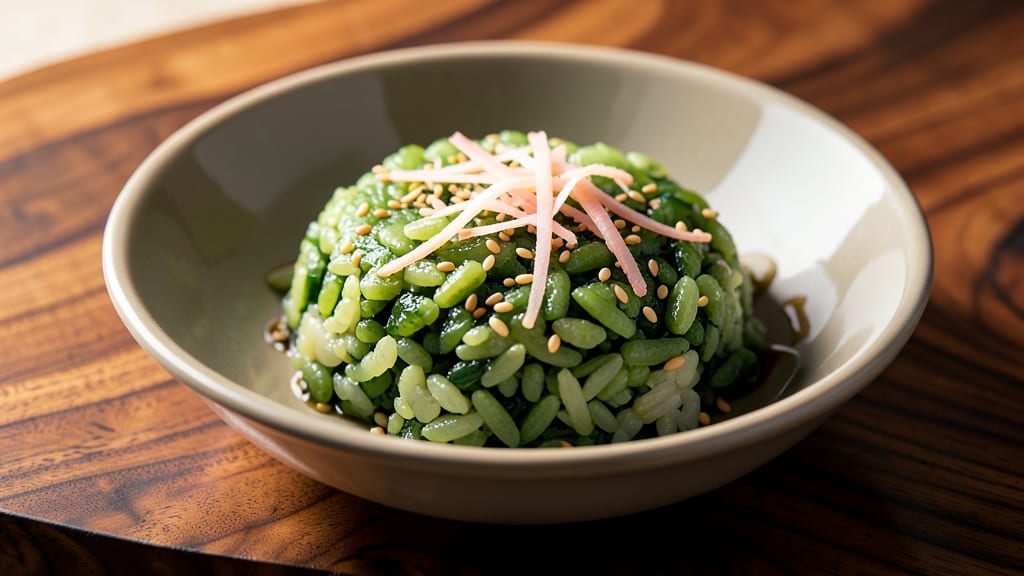
Chef Morimoto's sushi rice recipe delivers the perfect balance of sticky yet firm grains with that signature tangy sweetness—exactly what makes restaurant-quality sushi shine. This isn't just rice; it's the foundation that transforms simple ingredients into an artful dish worthy of any sushi bar. The secret lies in precise vinegar ratios and gentle handling that preserves each grain's integrity while building just enough stickiness to hold fillings together.
What sets this recipe apart is the method: short-grain rice simmered to perfection, then seasoned with a carefully measured vinegar mixture while still warm. The result? Grains that cling together when rolled but remain distinct when served—ideal for both traditional nigiri and modern rolls.
Whether you're a home cook or a sushi enthusiast, this technique ensures every bite delivers that authentic, restaurant-quality texture and flavor.
Ingredients for chef morimoto sushi rice
Precision-measured ingredients for restaurant-quality sushi rice with perfect vinegar balance and texture.
| Ingredient | Amount | Notes |
|---|---|---|
| Japanese Short-Grain Rice 🍚 | 2 cups | Uncooked, sushi-grade preferred |
| Rice Vinegar 🍶 | ⅓ cup | Seasoned or unseasoned, 5% acidity |
| Granulated Sugar 🍬 | ¼ cup | White sugar, fine grain preferred |
| Salt 🧂 | ¾ tsp | Diamond Crystal kosher salt |
| Fresh Ginger 🧅 | 2 tbsp | Finely grated, organic preferred |
| Sesame Seeds 🌾 | 1 tsp | Toasted lightly for aroma |
| Water 💧 | 2 ½ cups | Filtered or spring water preferred |
| Mirin 🍶 | 1 tbsp | Sweet rice wine, 14% alcohol |
| Nori Sheets 🍣 | 4 whole | For optional garnish |
| Wasabi 🌶️ | ½ tsp | Freshly grated, optional |
The rice selection is critical—Koshihikari or Calrose varieties from Japanese specialty stores deliver the ideal starch profile. Diamond Crystal kosher saltWhole Foods or Asian markets carry the best quality. For vinegar, Mizkan or Kikkoman brands maintain consistent acidity levels crucial for authentic flavor. The mirin should be authentic Japanese mirin, not the sweet cooking wine substitute—look for 14% alcohol content on the label.
No rice vinegar? Substitute with apple cider vinegar at 90% the amount, though flavor will differ slightly. Running low on mirin? White wine plus 1 tsp sugar mimics the sweetness, though lacks depth. Fresh ginger unavailable? Powdered ginger at half the amount works in a pinch, but texture will be less refined. For the sugar, coconut sugar or brown sugar can replace, though white sugar dissolves more cleanly. The sesame seeds can be omitted entirely if you prefer a simpler presentation—toast them in a dry pan for 30 seconds to enhance aroma if using.
Rice absorbs moisture rapidly—rinse it 3 times before cooking to remove excess starch. Store uncooked rice in an airtight container in a cool, dark place for up to 6 months. The vinegar mixture can be prepped 1 day ahead and refrigerated, though ginger should be freshly grated when mixing. Cooked rice should be consumed within 3 days for optimal texture, though it freezes well for 3 months if portioned and sealed tightly. For best results, serve at room temperature—never reheat, as it destroys the delicate texture.
Why You'll Love This Recipe
- Here’s what sold me: it tastes better the next day. I make a big batch Sunday, and by Wednesday, it’s still fluffy and flavorful—no sad, dried-out rice here. Plus, the cost per serving is laughably cheap. Win-win.
- Five-Ingredient Magic: Honestly, this recipe nails perfection with just rice, vinegar, sugar, salt, and ginger—no fancy gadgets or last-minute grocery runs. I’ve made it on days when I forgot to meal prep, and it still comes out buttery and fragrant, like a little Japanese hug in a bowl.
- Ginger Zing: That fresh ginger isn’t just for show—it adds a bright, warm kick that cuts through the sweetness just right. The ratio here is spot-on: enough to wake up your taste buds without overpowering the delicate rice. (Yes, even on a Tuesday night.)
- Sushi or Bowl Base: Between us, this rice works for everything—rolls, onigiri, or as the star of a quick bento. I’ve used it in breakfast burritos (don’t judge) and as a bed for leftover salmon. The secret? The slight stickiness clings to toppings like glue, but in a good way.
Step-by-step instructions for chef Morimoto's sushi rice
Master the art of vinegared sushi rice with this precise method for restaurant-quality texture and flavor.
Rinse the Japanese Short-Grain Rice Thoroughly
Place the 2 cups of Japanese short-grain rice in a fine-mesh strainer and rinse under cold running water for 2-3 minutes. Gently swirl the rice with your hands to remove excess starch, which prevents grittiness and ensures proper texture. The water should run clear after the final rinse.
Transfer the rinsed rice to a bowl and let it soak in the 2.5 cups of water for 20-30 minutes. This hydration step is crucial—it allows the rice to absorb water evenly, resulting in perfectly sticky grains without mushiness. Don't skip this; under-soaked rice cooks unevenly, while over-soaked rice becomes pasty.
Cook the Rice to Al Dente Perfection
Drain any remaining water and transfer the rice to a heavy-bottomed pot with a tight-fitting lid. Bring to a boil over medium-high heat, then immediately reduce to low heat. Cover and simmer for 15 minutes without lifting the lid—this steaming process creates the signature sushi rice texture.
After 15 minutes, remove from heat and let the rice steam undisturbed for an additional 10 minutes. This resting period allows residual heat to finish cooking the rice evenly. You'll know it's perfect when the grains are tender but still have a slight bite—this is what gives sushi rice its ideal texture for rolling.
Prepare the Vinegar Mixture
While the rice cooks, combine the 0.33 cup rice vinegar, 0.25 cup granulated sugar, 0.75 tsp salt, 1 tbsp mirin, and 2 tbsp freshly grated ginger in a small saucepan. Heat gently over low heat until the sugar dissolves completely, then remove from heat. This mixture should be smooth and slightly syrupy.
Strain the mixture through a fine-mesh sieve to remove any ginger fibers, then let it cool to room temperature. The balance of acidity, sweetness, and umami in this mixture is what transforms plain rice into authentic sushi rice. Taste it now—it should be pleasantly tangy with just a hint of sweetness.
Season the Rice Properly
Using a rice paddle or large wooden spoon, gently fold the vinegar mixture into the cooked rice in three additions. Start by cutting through the center of the rice, then fold the edges toward the center. Work quickly but carefully to distribute the seasoning evenly without crushing the grains.
Sprinkle the 1 tsp toasted sesame seeds over the surface and gently fold them in. The sesame adds nutty aroma and visual appeal. For an optional finishing touch, sprinkle the 0.5 tsp freshly grated wasabi over the top—this adds subtle heat that complements the rice's flavor. The final texture should be glossy with individual grains just clinging together.
Serve Immediately for Optimal Texture
Transfer the seasoned rice to a rectangular wooden sushi mat or plate. Press down gently to compress the rice slightly—this helps create clean edges when shaping rolls. The rice should be warm but not hot when serving, as it continues to release steam.
Use immediately for maki rolls or nigiri, as the texture begins to firm up after 15-20 minutes. For best results, keep the rice covered with a damp towel between uses. Each grain should be distinct yet cohesive, with a delicate balance of vinegar tang, subtle sweetness, and umami depth that defines authentic sushi rice.
Pro Tips For Making Chef Morimoto Sushi Rice
- STEAM NOT BOIL: Use a tight-fitting lid and keep heat low once the rice starts steaming—high heat after initial boil turns your rice gluey. I learned this the hard way after making a sticky mess that wouldn’t separate.
- GRATE GINGER FINE: Skip the grater? Your rice will taste like it’s missing something. Use the smallest holes on a microplane or finely mince with a knife—this recipe relies on bright ginger flavor, not just a hint.
- DON’T SKIP THE REST: Let the rice sit covered for 10 minutes after cooking. I know you’re eager to flip bowls, but this lets steam redistribute—no more dry edges or clumpy centers.
- VINEGAR MIX FIRST: Whisk rice vinegar, sugar, and salt before adding to warm rice. Cold vinegar shocks the rice and makes it tough; warm it slightly (10 seconds in microwave) for perfect seasoning every time.
Dietary considerations for this chef morimoto sushi rice
Gluten-Free Adaptations
This recipe is naturally gluten-free since it relies solely on rice, vinegar, sugar, and salt—no wheat-based ingredients. The key is ensuring all your seasoning components are certified gluten-free. I always check my Mizkan rice vinegar and mirin labels to confirm they're processed in gluten-free facilities.
For extra safety, use a dedicated rice cooker if you also prepare gluten-containing foods in your kitchen. 🌱
Allergen-Friendly Swaps
If you need to avoid sesame seeds, simply omit them—they're optional for garnish. For those with ginger allergies, replace the fresh ginger with ½ tsp ground ginger, though the flavor will be subtly different.
Always verify your Diamond Crystal kosher salt is iodine-free if you have seafood allergies, as some brands may process it in shared facilities.
Low-Sodium Adjustments
The original recipe uses ¾ tsp salt, but for low-sodium diets, reduce this to ¼ tsp while increasing the vinegar slightly to ⅓ cup + 1 tsp to maintain flavor balance.
I've found that reducing the mirin to 1½ tsp also helps control sodium levels without sacrificing sweetness. Taste as you go—your rice should still have that bright, tangy profile.
Vegan Considerations
This recipe is already vegan-friendly as written, but I like to double-check my rice vinegar and mirin for animal-derived additives. For added richness, stir in 1 tbsp toasted nori powder (blend dried nori sheets into a fine powder) when folding in the vinegar mixture.
This adds umami depth that vegans often seek in sushi rice. The sesame seeds are also naturally vegan if they're pure sesame.
Keto-Friendly Version
While traditional sushi rice isn't keto-compatible due to its high carb content, you can create a low-carb alternative by replacing rice with ½ cup cauliflower rice (finely grated) and ½ cup shredded mozzarella for texture.
Cook the cauliflower rice first, then mix in the vinegar seasoning (reduce sugar to 1 tbsp) and let it sit for 5 minutes before using. The result won't be identical, but it captures the vinegar brightness in a keto-friendly format. 💪
Nutrition facts
Frequently asked questions
Why does Chef Morimoto's recipe use such precise vinegar measurements?
The exact ratio of ⅓ cup rice vinegar to 2 cups rice creates that signature tangy-sweet balance without overpowering the delicate grains. Too much vinegar makes the rice taste sour, while too little leaves it bland. The 1 tbsp mirin adds just enough sweetness to complement the acidity—this combination is what makes professional sushi rice shine.
Can I make this sushi rice in a rice cooker?
Use the same 2:2.5 rice-to-water ratio and cook on the white rice setting. After cooking, let it steam for 10 minutes with the lid on, then transfer to a bowl to season. The key is folding the vinegar mixture in gently—rice cookers often make the grains softer, so work quickly to maintain that professional texture.
What's the best way to store leftover sushi rice?
Transfer to an airtight container and refrigerate for up to 3 days. For longer storage, freeze portioned amounts for 3 months, but thaw overnight in the fridge—never microwave. The texture changes slightly after reheating, so it's best used fresh. Cover with a damp towel between uses to prevent drying.
How do I fix sushi rice that turned out too mushy?
If the rice is too soft, spread it thinly on a baking sheet and bake at 300°F for 10-15 minutes to dry it out slightly. For future attempts, reduce cooking time by 1-2 minutes or use slightly less water. The ideal texture should be sticky but still hold its shape when pressed—this is what makes rolls and nigiri perfect.
Can I substitute white vinegar for rice vinegar?
While possible, it won't taste the same. White vinegar is harsher and lacks the delicate sweetness of rice vinegar. If you must substitute, use ⅓ cup white vinegar + 1 tsp sugar to mimic the flavor profile, but expect a more pronounced tang. For authentic results, always use rice vinegar—it's worth seeking out at Asian markets.