
Main Courses
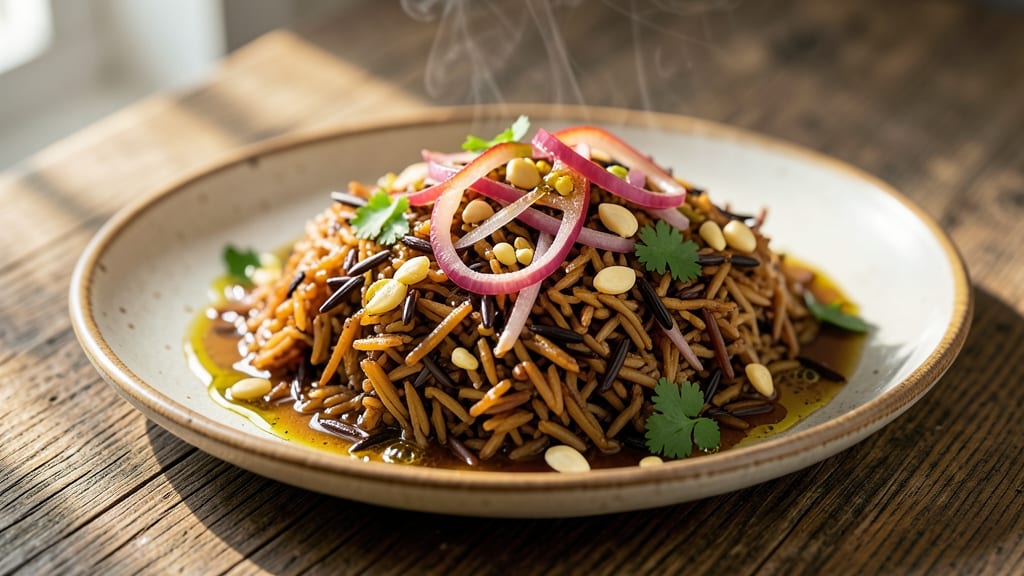
This brown basmati and wild rice recipe delivers a nutty-smoky flavor fusion that transforms a simple side dish into a hearty centerpiece. The combination of brown basmati’s chewy texture and wild rice’s earthy depth creates a satisfying base for any meal, especially when enhanced with aromatic herbs and savory broth.
I’ve perfected this one-pot method to ensure even cooking and maximum flavor absorption—no separate pots or complicated techniques required.
The secret lies in the pilaf technique, where rice is toasted in oil before simmering in broth with onions, garlic, and spices. This method builds layers of flavor that store-bought blends can’t match, while keeping the grains tender and distinct.
Brown basmati holds its shape beautifully, while wild rice adds a delightful chew and earthy richness that pairs perfectly with proteins like grilled chicken or roasted vegetables.
What you’ll end up with is a golden, fragrant rice blend that’s packed with texture and depth—ideal for meal prep or serving as a showstopping side.
The nutty aroma alone will have everyone reaching for seconds, and the adaptable flavor profile works equally well in salads, bowls, or as a standalone dish. This recipe is your go-to for elevating weeknight dinners or impressing guests without the fuss.
For extra versatility, consider adding toasted nuts, dried fruit, or a sprinkle of fresh herbs before serving. The possibilities are endless, but the foundation—rich, nutty, and perfectly balanced—is what makes this recipe stand out. Let’s get cooking!
Ingredients for brown basmati and wild rice
These 13 ingredients create a nutty-smoky rice blend that elevates any meal effortlessly.
| Ingredient | Amount | Notes |
|---|---|---|
| Brown Basmati Rice 🌾 | 1 cup | Uncooked, rinsed thoroughly |
| Wild Rice Blend 🌾 | ½ cup | Uncooked, rinsed thoroughly |
| Vegetable Broth 💧 | 3 cups | Low-sodium preferred |
| Yellow Onion 🧅 | 1 whole | Medium size, finely diced |
| Garlic Cloves 🧄 | 4 cloves | Fresh, minced finely |
| Extra-Virgin Olive Oil 🫒 | ¼ cup | For toasting rice |
| Smoked Paprika 🌶️ | 1 tsp | For nutty-smoky depth |
| Ground Cumin 🌿 | ½ tsp | Toasted for warmth |
| Fresh Thyme Leaves 🍃 | ½ tsp | Or 1/4 tsp dried thyme |
| Salt 🧂 | ½ tsp | Diamond Crystal preferred |
| Black Peppercorns 🌶️ | ¼ tsp | Freshly cracked |
| Fresh Parsley 🌿 | ¼ cup | Chopped, for garnish |
| Toasted Almonds 🥜 | ¼ cup | Optional, for crunch |
The rice selection is critical here. Lundberg or Tilda brown basmati delivers the chewy texture you want, while Bob's Red Mill wild rice blend adds earthy depth. Both are available at Whole Foods or Wegmans in the bulk section—buy small bags if you're not a rice enthusiast. For the broth, Pacific Foods or Imagine low-sodium options work perfectly without adding salt later. The onions should be sweet and crisp—Vidalias or yellow varieties hold up best during toasting. Fresh thyme is ideal, but dried works at one-third the amount if you're in a pinch. The smoked paprika is what gives this dish its signature nutty-smoky character—Penzeys or McCormick brands have excellent options.
No smoked paprika? Substitute with a mix of regular paprika and a pinch of liquid smoke—it's a game-changer for that campfire aroma. Running low on fresh thyme? Dried oregano at half the amount gives a similar earthy note. The almonds are optional but add incredible crunch—Trader Joe's or Costco sell them pre-toasted for convenience. For extra depth, toast the almonds yourself in a dry pan until golden. The garlic can be pre-minced from a jar (the good stuff, not the pre-shredded kind), but fresh minced takes 30 seconds and makes a difference. If you're making this ahead, cook the rice fully and store it in the fridge for up to 5 days—the flavors meld beautifully overnight.
This rice reheats like a dream—just add a splash of water or broth and cover until warm. For meal prep, divide into glass containers with tight lids to maintain moisture. The almonds and parsley can be added fresh when serving to keep everything crisp. Stored properly, the cooked rice keeps for 5-6 days in the fridge or 3 months in the freezer. Freeze in single portions for easy grab-and-go lunches. The pilaf technique ensures even cooking, so you won't have to worry about mushy rice or undercooked grains. Trust the process—this is one of those recipes where the end result is always better than expected.
Why You'll Love This Recipe
- One-Pot Magic: I swear by this—just toss everything in one pot, walk away, and come back to perfectly toasted brown basmati with that wild rice chew. No fancy equipment, no stress.
- Nutty, Toasty Perfection: The brown basmati adds that caramelized crunch while the wild rice brings deep, earthy richness—like a hug for your taste buds. Sauté those onions and garlic until they’re golden? Oh yeah, that’s where the flavor lives.
- Meal Prep MVP: Between us, this keeps amazingly in the fridge for five days. Toss it with roasted veggies for lunch, or pile it under a sheet pan dinner—it’s my secret weapon for busy nights.
- Budget-Friendly Powerhouse: Brown basmati and wild rice stretch further than white rice, and vegetable broth keeps costs low. Honestly, I make this twice a month just because it’s so dang reliable.
Step-by-step instructions for brown basmati and wild rice fusion
This one-pot method delivers perfectly balanced textures and deep nutty-smoke complexity.
Toast the Rice for Enhanced Flavor
Heat the 0.25 cup extra-virgin olive oil in a heavy-bottomed pot over medium heat. Add the 1 cup brown basmati rice and 0.5 cup wild rice blend together, stirring constantly for 3-4 minutes until the grains turn a rich golden color and you can smell their nutty aroma. This toasting step develops deeper flavor and prevents the rice from becoming mushy later.
I like to press the rice grains against the pot with a wooden spoon during toasting—this ensures even contact with the oil and creates those beautiful toasted spots. Watch carefully as the rice changes color from translucent to amber. If it starts to smoke, reduce the heat slightly to medium-low and continue toasting until fragrant.
Sauté Aromatics for Layered Depth
Add the finely diced yellow onion and minced garlic cloves to the pot, stirring to coat them in the toasted rice and oil. Cook for 2-3 minutes until the onions soften and become translucent, and the garlic releases its pungent aroma. The onions should caramelize slightly at the edges, adding natural sweetness to the dish.
At this point, stir in the 1 tsp smoked paprika, 0.5 tsp ground cumin, 0.5 tsp fresh thyme leaves, 0.5 tsp salt, and 0.25 tsp freshly cracked black peppercorns. Let the spices toast in the pot for 30 seconds to release their essential oils. This step builds the aromatic foundation that will infuse every grain of rice with complex flavor.
Simmer with Broth for Perfect Texture
Pour in the 3 cups vegetable broth, stirring to combine all ingredients. Bring to a gentle boil, then immediately reduce heat to low and cover the pot with a tight-fitting lid. The broth should just barely bubble at the edges—this gentle simmer is crucial for developing proper texture in both rice varieties.
Let the rice cook undisturbed for 40-45 minutes. Brown basmati rice typically cooks faster than wild rice, so check for doneness at the 35-minute mark. The grains should be tender but still have a slight bite to them, with the basmati fully cooked and the wild rice beginning to soften. If the liquid has completely absorbed before the rice is done, add 2-3 tablespoons of hot water through the lid to prevent burning.
Rest and Garnish for Optimal Presentation
Once the rice is tender, remove the pot from heat and let it sit covered for 5 minutes. This resting period allows the grains to absorb any remaining moisture and develop their final texture. The basmati should be firm yet creamy, while the wild rice should be tender with a satisfying chew.
Before serving, fluff the rice gently with a fork and stir in the 0.25 cup toasted almonds and 0.25 cup chopped fresh parsley. The almonds add delightful crunch that contrasts beautifully with the tender rice, while the parsley brightens the dish with freshness. Serve immediately while the rice is hot, as the flavors continue to meld even after cooking.
Pro Tips For Making Brown Basmati And Wild Rice
- TOAST THE RICE FIRST: Brown basmati and wild rice blends need a head start—dry-toast the brown basmati in a hot pot for 2-3 minutes until it smells nutty. This breaks down the outer hull and prevents gummy texture later, especially since brown rice absorbs liquid slower than white.
- CHOP ONIONS SMALL: Wild rice blends take forever to cook, so don’t let onions or garlic turn to mush. Dice the onion into 1/8-inch pieces and mince garlic into a paste—this ensures flavor without turning the dish into soup.
- COOK WILD RICE SEPARATELY: Mixing these two rice types at the start leads to uneven doneness. Toast the brown basmati, then remove it while you sauté onions and garlic before adding the wild rice blend. Return the brown basmati only after the wild rice has absorbed half its liquid.
- USE LESS BROTH: Wild rice blends expand dramatically—follow package instructions for its liquid ratio, then reduce the broth by 1/4 cup when combining both types. You’ll end up with perfectly separate grains instead of a sticky mass.
Best sauces and condiments for this brown basmati and wild rice
Creamy Garlic Sauce
This rich, velvety sauce elevates your rice blend to restaurant-quality status. Sauté 2 tbsp butter and 2 tbsp olive oil in a saucepan over medium heat, then add 3 minced garlic cloves and cook for 30 seconds until fragrant.
Pour in 1 cup heavy cream and ½ cup vegetable broth, then simmer for 5 minutes until slightly thickened. Stir in 1 tbsp fresh parsley and ½ tsp smoked paprika for depth.
Drizzle over the rice just before serving—it adds a luxurious finish that pairs perfectly with the nutty grains. 🌟
Tahini-Lemon Dressing
For a bright, Middle Eastern-inspired twist, whisk together ¼ cup tahini, 3 tbsp lemon juice, 2 tbsp olive oil, 1 tbsp honey, and 2 tbsp water until smooth. Thin with additional water if needed.
Drizzle over the rice and toss gently to coat. The tahini adds creamy richness while the lemon cuts through the smokiness, creating a perfect balance. Garnish with toasted pine nuts and chopped mint for extra texture and freshness.
Spicy Harissa Yogurt
Mix ½ cup plain Greek yogurt with 1 tbsp harissa paste, 1 tsp lemon zest, and a pinch of salt. Thin with 1-2 tbsp water to reach your desired consistency. This sauce adds a tangy, slightly spicy kick that complements the earthy wild rice beautifully.
Serve it on the side for dipping or drizzle it over the rice just before eating. For extra heat, add a pinch of cayenne pepper or red pepper flakes. 🌶️
Miso-Ginger Glaze
Create a savory-sweet glaze by combining 2 tbsp white miso paste, 1 tbsp soy sauce, 1 tbsp rice vinegar, 1 tsp grated fresh ginger, and 1 tsp honey. Simmer the mixture in a small saucepan over low heat for 5 minutes until glossy.
Drizzle lightly over the rice and broil for 2 minutes to caramelize the edges. This umami-rich glaze adds depth and pairs exceptionally well with grilled meats or roasted vegetables.
Herbed Butter
For a simple yet elegant touch, melt ¼ cup unsalted butter in a small saucepan, then remove from heat and stir in 1 tbsp chopped fresh thyme, 1 tbsp chopped fresh parsley, 1 tsp minced garlic, and a pinch of smoked paprika.
Let the mixture cool slightly, then dollop it over the rice before serving. The herbed butter melts into the warm grains, infusing them with aromatic flavor. This is a foolproof way to add richness without overpowering the dish.
Nutrition facts
Frequently asked questions about brown basmati and wild rice
Why mix brown basmati with wild rice?
Brown basmati adds a chewy texture and nutty aroma, while wild rice contributes earthy depth and a satisfying bite. Together, they create a balanced dish with contrasting textures—brown basmati stays firm, while wild rice softens beautifully. This combo also increases fiber and protein content compared to white rice blends.
Can I substitute white basmati for brown?
Yes, but expect a softer texture since white basmati cooks faster. Use a 1:1 ratio and reduce simmering time by 5-7 minutes. For best results, toast the white rice longer (4-5 minutes) to compensate for its milder flavor. The wild rice will still need the full cooking time.
How do I prevent the rice from sticking?
Use a heavy-bottomed pot with a tight-fitting lid and maintain a gentle simmer—never boil vigorously. After cooking, let the rice rest covered for 5 minutes before fluffing. If needed, add 2-3 tbsp hot water through the lid during cooking to maintain moisture. A wooden spoon helps prevent sticking during toasting.
What proteins pair best with this rice?
Grilled chicken, roasted salmon, or pan-seared shrimp work beautifully with this nutty-smoky rice. For vegetarian options, try sautéed mushrooms, crispy tofu, or charred eggplant. The earthy flavors complement rich proteins while balancing the rice's depth. Serve with a drizzle of tahini-lemon dressing for extra brightness.
Can I make this ahead for meal prep?
Cook the rice fully, then store it in an airtight container for up to 5 days in the fridge. Reheat with a splash of water or broth, covered, until warm. For freezing, portion into single servings and freeze for 3 months. The flavors actually improve overnight as the spices meld. Add fresh parsley and almonds just before serving to maintain crispness.