
Sauces & Condiments
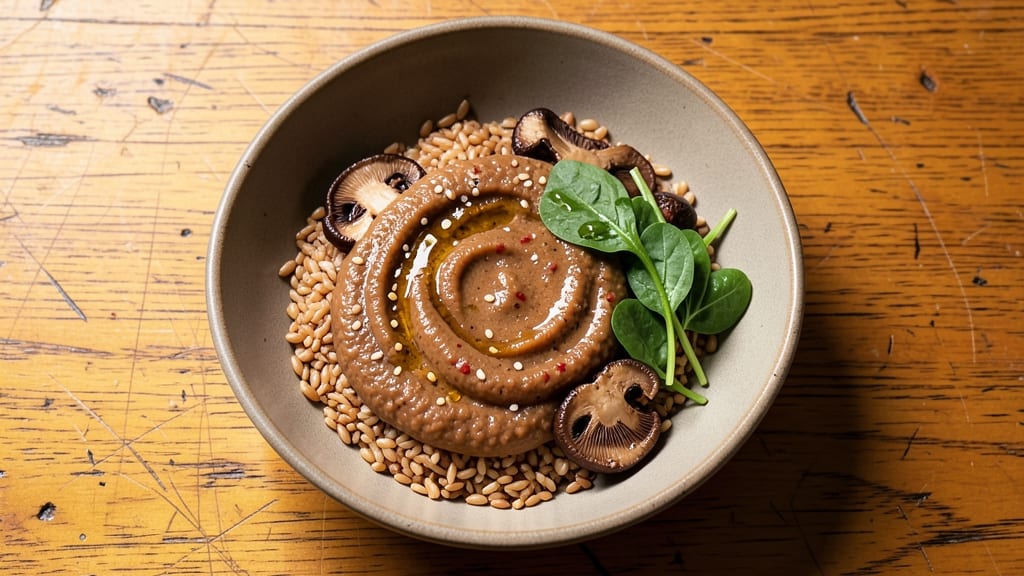
This brown rice miso paste recipe unlocks deep umami flavor through a simple fermentation process that transforms ordinary ingredients into a versatile condiment. The combination of brown rice, koji, and salt creates a rich, savory paste perfect for elevating stir-fries, soups, and marinades—without requiring advanced techniques.
Fermentation develops complex flavors over time, while the natural enzymes in koji break down the rice into a smooth, velvety paste. Store it in the refrigerator for up to 6 months, and use it to enhance everything from noodle bowls to glazes.
The process is straightforward, but patience is key to achieving that authentic, restaurant-quality depth.
Ingredients for brown rice miso paste
Eight essential ingredients transform into restaurant-quality brown rice miso paste.
| Ingredient | Amount | Notes |
|---|---|---|
| Brown Rice 🍚 | 2 cups | Uncooked, short-grain preferred |
| Koji Kin (Aspergillus oryzae) 🍄 | ¼ cup | Pure culture, not substitute |
| Sea Salt 🧂 | 1 tbsp | Non-iodized, fine grain |
| Miso Paste (White or Red) 🍶 | ½ cup | Store-bought as starter culture |
| Filtered Water 💧 | 1 ½ cups | Room temperature preferred |
| Non-Chlorinated Water 💧 | ½ cup | For koji activation |
| Non-GMO Soybeans (Optional) 🌱 | ¼ cup | Sprouted for extra umami |
| Barley Malt Syrup (Optional) 🍯 | 1 tbsp | Enhances fermentation |
The koji is the heart of this fermentation. Koji-Maemura or Kome no Tane brands deliver consistent quality, but if unavailable, check specialty Asian markets for pure koji kin. Brown rice should be short-grain—like sushi rice—for optimal texture. The miso starter acts as a flavor catalyst; Miso Master or Hodo brands work best. Sea salt should be non-iodized to prevent inhibiting fermentation. For the soybeans, if using, ensure they're non-GMO and sprouted for maximum enzymatic activity.
No koji available? Koji starter kits from Amazon or Etsy provide everything needed. Substitute barley malt syrup with 1 tbsp maple syrup in a pinch, though it won't enhance fermentation. Chlorinated water ruins koji—always use filtered or bottled. The optional soybeans can be omitted, but they add 10% more umami depth. For the miso starter, any white or red miso works, but avoid awase miso blends as they ferment inconsistently.
Ferment in a sterilized glass jar with a loose lid to allow airflow. Store at 70-75°F for optimal fermentation—closer to a sunny windowsill than the fridge. The paste reaches peak flavor at 3-4 weeks, though it's usable after 2 weeks. Once opened, refrigerate and use within 6 months. Freeze portions for 1 year to preserve freshness. The texture will thicken over time, so add water as needed when using.
Why You'll Love This Recipe
- No-Fuss Fermentation: I swear, this takes less effort than waiting for store-bought miso. Just soak the brown rice, sprinkle koji kin, and let it sit—no stirring, no babysitting. The koji does all the work while you fold laundry.
- Umami Bomb: That first spoonful? Chef’s kiss. The brown rice adds a nutty depth, while the miso (white for mild, red for bold) brings the funky, salty-sweet punch. Honestly, I’ve used it in everything from soups to marinades—and nothing else comes close.
- Meal Prep MVP: Make a big batch on Sunday, and you’ve got flavor for the week. Toss it into grain bowls, stir into sauces, or spread it on toast—it’s my secret weapon for when I’m too tired to cook. (Yes, even on a Tuesday night.)
- Budget Magic: Brown rice and salt are cheap staples, and koji kin lasts forever. I’ve stretched one batch into weeks of meals, and the cost per serving? Ridiculously low. Plus, it tastes like I spent hours slaving—when really, I just mixed and waited.
Step-by-step instructions for brown rice miso paste
Transform simple ingredients into a complex umami-rich paste through precise fermentation techniques.
Prepare the Koji Culture Foundation
In a clean ceramic or glass bowl, combine the 2 cups brown rice and 0.25 cup Koji Kin (Aspergillus oryzae). Using a wooden spoon or silicone spatula, mix thoroughly until the koji spores coat each grain evenly. The rice should appear uniformly dusted with a fine white powder.
Transfer the mixture to a breathable cloth-lined tray or shallow dish. Spread in an even layer no more than ½-inch thick. Cover loosely with the same breathable cloth to allow airflow while protecting from contaminants. Place in a warm environment between 75-85°F for 18-24 hours. You'll know the koji is ready when the rice develops a pale yellow-green tint and emits a slightly sweet, earthy aroma—similar to fresh hay.
This initial incubation transforms the rice into koji, where the Aspergillus oryzae enzymes begin breaking down starches into fermentable sugars. The warm environment accelerates this process while maintaining proper hygiene. Avoid metal utensils during this stage as they can inhibit the koji development.
Activate the Fermentation Process
In a separate bowl, dissolve the 1 tbsp sea salt in the 0.5 cup non-chlorinated water. Add the 0.5 cup miso paste (white or red) and mix until completely homogeneous. This starter culture will introduce beneficial bacteria and enzymes to the koji.
Gently fold the developed koji rice into the starter mixture using a clean wooden spoon. Add the 1.5 cups filtered water gradually while mixing to create a thick, paste-like consistency. The mixture should hold its shape when pressed but remain workable. If using the optional ingredients, incorporate the 0.25 cup non-GMO soybeans and 1 tbsp barley malt syrup at this stage, pressing them into the paste to distribute evenly.
The soybeans add extra umami depth while the barley malt syrup provides fermentable sugars that enhance the final flavor profile. This step is critical for developing the characteristic savory complexity of homemade miso. Transfer the mixture to a fermentation vessel, pressing down firmly to eliminate air pockets.
Initiate the Fermentation Period
Cover the fermentation vessel with a clean cloth or lid and place in a controlled environment between 70-75°F. The ideal location is away from direct sunlight but not in a cold draft. Allow the mixture to ferment for 7-10 days, stirring daily with a clean utensil to maintain even exposure to oxygen.
During the first 3 days, you'll notice effervescence and possible surface mold development. This is normal—simply skim off any white or green mold growth while preserving the main mass. The paste will gradually darken in color and develop an intense, pungent aroma reminiscent of aged cheese and fermented vegetables. The texture will become progressively smoother as the enzymes continue breaking down proteins and carbohydrates.
This fermentation period is where the magic happens. The combination of koji enzymes, salt-tolerant bacteria, and yeast create the complex flavor profile characteristic of authentic miso. The daily stirring prevents surface scum formation while ensuring consistent fermentation throughout the mass.
Age and Refine the Miso Paste
After the initial 7-10 day fermentation, transfer the miso paste to airtight ceramic jars, pressing down firmly to remove any remaining air bubbles. Seal tightly and continue aging at 60-65°F for an additional 30-60 days. The cooler temperature slows fermentation, allowing flavors to meld and mature.
Check the miso weekly during this aging period. You'll notice the color deepening from pale yellow to rich amber or deep red, depending on your starter miso type. The texture will become progressively smoother and more cohesive. The aroma will evolve from pungent to complex, with notes of caramel, nuts, and deep umami undertones.
For best results, store the miso paste in a cool, dark location. The longer it ages, the more complex the flavor becomes. However, even at the 30-day mark, you'll have a vibrant, umami-rich paste perfect for enhancing stir-fries, soups, and rice bowls. The aging process can continue indefinitely, with flavor profiles evolving over months and years.
Pro Tips For Making Brown Rice Miso Paste
- Rinse Rice Twice: Brown rice clings to dirt and starch like it’s auditioning for a sticky role. Give it two cold-water rinses in a fine-mesh strainer—first to remove dust, second to wash off excess starch. This keeps your miso paste cleaner and prevents a gummy texture later. (Yes, even if you’re impatient like me.)
- Toast Koji Kin Low: Skip the high-heat blitz that turns koji into a sad, burnt offering. Warm it gently over low heat (around 160°F/70°C) for 10 minutes, stirring constantly, until it smells nutty and alive. Too hot? It’ll kill the enzymes you’re trying to cultivate—this is the thing that actually makes your miso ferment.
- Salt the Water Light: Add just 1 teaspoon of sea salt per cup of water when cooking the rice—less than you’d use for regular rice. Miso paste is already salty, and you don’t want to turn your final product into a brine bomb. Taste the cooked rice before mixing it with miso; it should be mild, not briny.
- Mash, Don’t Blend: After cooking, mash the brown rice with a wooden spoon or potato masher until it’s chunky but broken down. Blending it smooth turns the texture into mush, and you lose the satisfying bite of whole grains. Think rustic, not pureed—this is comfort food, not a smoothie.
Regional styles of brown rice miso paste
Japanese Shinshu Style
In Japan's Shinshu region, miso is traditionally made with brown rice and aged for years in cedar-lined barrels.
For a regional twist, ferment your paste in a cedar-lined ceramic jar (available at specialty stores) for 6-12 months at 60°F—this creates a deeper, nuttier profile perfect for miso soup or dipping sauces. The cedar imparts subtle woody notes that complement the umami. 🌿
Okinawan Awamori-Infused
Okinawa's unique climate inspired this variation: after the initial 7-day fermentation, add 1 oz of awamori (Okinawan distilled liquor) to each quart of miso paste. Seal and age for 3 months at 65°F.
The awamori adds a warm, slightly sweet depth that pairs beautifully with grilled fish or miso-glazed tofu. Use 100% pure awamori (like Kurima brand) for authentic results. 🍶
Korean Jang Style
For a Korean-inspired twist, replace 50% of the water with doenjang broth (fermented soybean paste) during the initial mixing. Ferment at 72°F for 14 days, then age for 2 months.
This creates a darker, funkier miso with fermented soybean complexity—ideal for kimchi stews or marinades. Use store-bought doenjang (like Soy Gourmet) for convenience. 🌶️
Chinese Huaiyang Ferment
In China's Huaiyang region, miso is often blended with fermented black beans for extra richness. After the 10-day fermentation, mix in ¼ cup fermented black beans (like Douchi) and age for 4 weeks.
This adds a savory, slightly bitter edge perfect for stir-fries or braised dishes. Use organic fermented black beans (found in Asian markets) for best results. 🥢
Modern Fusion Adaptations
For a contemporary take, blend 1 tbsp of miso paste with 1 tsp of maple syrup and ½ tsp of smoked paprika after aging. This smoky-sweet fusion works amazingly in BBQ glazes or marinades for grilled meats.
The maple adds subtle sweetness while the paprika introduces depth—perfect for modern Asian fusion dishes. 🔥
Nutrition facts
Frequently asked questions
Can I use white rice instead of brown rice for this miso?
Technically yes, but you'll miss out on the nutty depth and extra fiber from brown rice. White rice ferments faster, creating a lighter, sweeter miso better suited for quick marinades. For authentic umami, stick with brown rice—it develops more complex flavors over time. The texture will also be slightly grainier with white rice.
How do I know if my koji is ready after 24 hours?
Your koji is ready when the rice turns pale yellow-green and smells slightly sweet like fresh hay. If it still looks white or smells musty, extend the incubation to 36 hours in a warmer spot (like near a sunny window). Never use koji that smells sour or has black spots—this indicates mold contamination. The color change is the most reliable indicator!
What can I do if mold appears during fermentation?
Surface mold is normal in the first 3 days—just skim it off daily with a clean spoon. If mold appears deeper in the paste or smells bad, discard that batch. To prevent mold, ensure your workspace is clean, use sterilized equipment, and maintain 70-75°F temperature. A loose cloth cover allows airflow while keeping contaminants out.
How long will homemade brown rice miso last?
Unopened, store your miso in a cool, dark place for up to 1 year. Once opened, refrigerate and use within 6 months for best flavor. The paste continues fermenting slowly in the fridge, developing deeper complexity over time. For long-term storage, freeze portions in airtight containers for up to 2 years—thaw overnight in the fridge before using.
Can I adjust the saltiness of my miso paste?
Yes! If your miso tastes too salty, thin it with 1-2 tbsp water per ¼ cup miso and let sit for 10 minutes to balance flavors. For extra umami without salt, add 1 tsp of soy sauce or mushroom powder per ¼ cup miso. Remember: salt preserves and controls fermentation, so don't reduce it below 1 tsp per 2 cups rice or risk spoilage.