
Main Courses
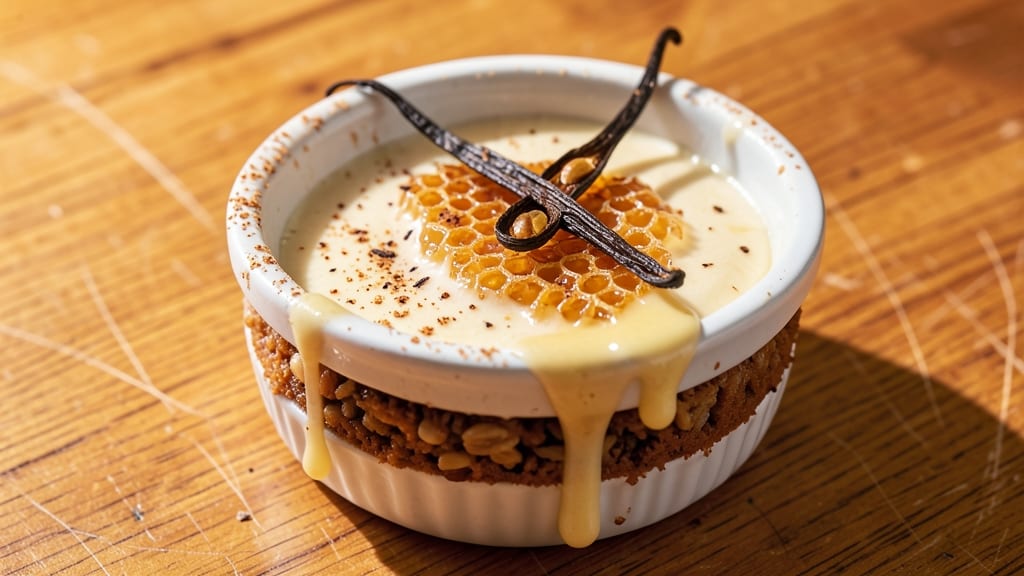
This brown rice custard pudding recipe delivers a surprising twist on dessert—where nutty, chewy rice meets velvety vanilla custard in perfect harmony. The secret lies in toasting the rice until fragrant and aromatic, then simmering it until tender enough to blend into a luscious, creamy base.
What makes this dish extraordinary is the texture contrast: each spoonful offers both the subtle chew of perfectly cooked brown rice and the luxurious smoothness of custard, all wrapped in warm vanilla notes.
The result is a dessert that feels both comforting and sophisticated—ideal for brunch, holiday gatherings, or whenever you crave something creamy yet unexpectedly wholesome.
With just a few simple ingredients and a patient approach, you'll create a dish that's rich in flavor and texture, proving that even wholesome grains can shine in dessert form. Ready to transform ordinary brown rice into something truly special?
Ingredients for brown rice custard pudding
Toasted brown rice meets velvety custard—just eight ingredients transform wholesome grains into luxurious dessert.
| Ingredient | Amount | Notes |
|---|---|---|
| Short-Grain Brown Rice 🌾 | 1 cup | Uncooked, rinsed thoroughly |
| Full-Fat Coconut Milk 🥥 | 2 cups | Canned, for creamy texture |
| Whole Milk 🥛 | 1 ½ cups | Rich for custard consistency |
| Granulated Sugar 🍚 | ¾ cup | Adjust to taste preference |
| Vanilla Bean Paste 🌿 | 2 tbsp | Or 1 vanilla bean scraped |
| Large Egg Yolks 🥚 | 4 whole | Fresh, room temperature |
| Cornstarch 🌾 | 2 tbsp | For thickening agent |
| Salt 🧂 | ½ tsp | Diamond Crystal preferred |
| Unsalted Butter 🧈 | 4 tbsp | Cold, cubed for topping |
| Ground Cinnamon 🌶️ | ½ tsp | Optional, for warmth |
| Toasted Almond Slices 🌰 | ¼ cup | For crunchy garnish |
The brown rice forms the heart of this dessert, so short-grain varieties are essential—they absorb liquid beautifully and maintain subtle chew. Toast the rice in a dry pan until fragrant and nutty before cooking, which develops those deep, toasted flavors. Lundberg Organic or Trader Joe's short-grain brown rice work perfectly. For the custard, full-fat coconut milk creates that signature richness, while whole milk adds body. The vanilla bean paste ensures authentic flavor without the mess of scraping seeds—Nielsen-Massey is my go-to brand. Egg yolks should be fresh, as older yolks can make the custard grainy.
No vanilla bean? High-quality vanilla extract works in a pinch, though paste delivers better texture. Running short on butter? Coconut oil maintains the same creamy finish, though it lacks the same depth. For a lighter version, swap whole milk for 2% milk**, but expect slightly less luxurious texture. The almond slices can be omitted if nut allergies are a concern, or toasted pecans add a different crunch. If you prefer a smoother texture, blend the cooked rice until completely smooth before combining with the custard mixture. For extra indulgence, add a pinch of cardamom alongside the cinnamon.
This pudding tastes even better the next day as flavors meld, so make it ahead when possible. Store in an airtight container in the fridge for up to 5 days. For serving, let it sit at room temperature for 10 minutes—this prevents a chilled texture. Garnish with toasted nuts or a drizzle of honey (if not strict vegetarian) just before serving. Portion into individual ramekins for elegant presentation, or serve family-style in a large bowl. The custard thickens as it cools, so it's perfect for make-ahead desserts.
Why You'll Love This Recipe
- I swear by this trick: just rinse the short-grain brown rice once, then simmer it in milk and coconut cream until it’s tender. No overnight soaking, no waiting—just 20 minutes of hands-off cooking while you sip your coffee.
- No-Soaking Needed: I swear by this trick: just rinse the short-grain brown rice once, then simmer it in milk and coconut cream until it’s tender. No overnight soaking, no waiting—just 20 minutes of hands-off cooking while you sip your coffee.
- Velvet-Smooth Texture: That full-fat coconut milk and whole milk combo transforms the rice into something silky, not grainy. Add a swirl of vanilla paste, and it’s like dessert meets breakfast cereal—creamy enough to eat with a spoon, but with actual substance.
- Weeknight Dinner Hack: Between us, this is my go-to when I’m too tired to plan. Make a big batch, portion it into jars, and reheat with a splash of milk later. It’s the only pudding that doubles as a quick lunch or late-night snack without feeling like a cheat.
Step-by-step instructions for brown rice custard pudding
Transform simple pantry staples into a velvety dessert with nutty depth and creamy texture.
Toast the Brown Rice for Nutty Flavor
In a medium saucepan, toast the 1 cup short-grain brown rice over medium heat for 3-4 minutes, stirring constantly until it emits a toasty aroma and turns a deeper golden hue. This step develops the rice's natural nuttiness, which will infuse the entire pudding. Don't walk away—rice burns quickly once it starts to darken.
Immediately add 2 cups full-fat coconut milk and 1.5 cups whole milk to the toasted rice. Stir well to combine, then bring the mixture to a gentle simmer. Reduce heat to low and let it cook uncovered for 20-25 minutes, stirring occasionally, until the rice is completely tender and the liquid has reduced by about half. The mixture should be thick but still pourable—this forms the creamy base of your pudding.
Prepare the Custard Mixture
While the rice mixture simmers, whisk together the 4 whole large egg yolks, 0.75 cup granulated sugar, 2 tbsp vanilla bean paste, 2 tbsp cornstarch, and 0.5 tsp salt in a separate bowl until smooth and pale yellow. This custard mixture is the heart of your pudding—its texture and flavor will determine the final result. For best results, use room-temperature eggs to ensure proper emulsification.
Temper the egg mixture by slowly ladling in about 1 cup of the hot rice-milk mixture while whisking constantly. This gradual addition prevents the eggs from scrambling. Once fully incorporated, pour the tempered egg mixture back into the saucepan with the remaining rice mixture. Stir well to combine, then return the pan to low heat.
Thicken the Pudding to Perfection
Cook the combined mixture over low heat, stirring constantly with a wooden spoon or silicone spatula, for 8-10 minutes until it thickens to a smooth, creamy consistency. You'll know it's ready when it coats the back of a spoon and leaves a clear path when you run your finger through it. This is the moment that matters: if it thickens too quickly, remove it from heat immediately to prevent curdling.
Once thickened, remove the pudding from heat and stir in the 0.5 tsp ground cinnamon for warmth. Let it cool to room temperature, stirring occasionally to prevent a skin from forming. This cooling process allows the flavors to meld and the texture to set properly. For best results, chill the pudding in the refrigerator for at least 2 hours before serving.
Serve with Crunchy Toppings
Before serving, divide the chilled pudding among 6 individual serving dishes. Melt the 4 tbsp unsalted butter in a small saucepan over low heat until just liquid, then drizzle it evenly over the pudding. The butter adds richness and helps create a silky surface. Sprinkle each serving generously with 0.25 cup toasted almond slices for texture contrast.
Serve immediately or refrigerate until ready to eat. The pudding should be silky smooth with a delicate vanilla aroma, balanced by the nutty rice base and crunchy almond topping. For an extra touch, dust with a pinch of cinnamon or garnish with a few extra almond slices. This dessert keeps well in the refrigerator for up to 3 days, making it perfect for meal prep.
Pro Tips For Making Brown Rice Custard Pudding
- SOAK THE RICE FIRST: Skip the dry-cooking step—rinsed short-grain brown rice soaks for 2 hours in equal parts water and coconut milk (yes, really). This cuts cooking time by half and prevents that gritty texture you hate. I learned this the hard way after slurping down three batches that tasted like sandpaper.
- WHISK THE MILK MIX: Heat the whole milk and sugar together until just simmering, then whisk in the coconut milk before adding the rice. This creates a smoother, silkier base—no lumps, no weird separation. Sounds like a small detail, but it’s the thing that makes your pudding look restaurant-worthy instead of homemade.
- STOP BEFORE IT SETS: Pull the pudding from heat the second it thickens enough to coat the back of a spoon—it’ll keep thickening as it cools. Overcooking turns it into glue. I used to walk away and come back to a brick. Now I set a timer for 5 minutes after the last stir and call it done.
- SCRAPE THE VANILLA BEAN: Don’t just dump in the paste—split the vanilla bean, scrape out every last bit of seeds, and crush them into the warm pudding. The seeds dissolve better and add depth. I was skeptical until I tried it—now I measure the seeds separately to make sure I don’t skip this.
Common mistakes when making your brown rice custard pudding
Skipping the Toast
Never skip toasting the brown rice—this critical step unlocks its nutty, caramelized depth that makes the pudding truly special. I once made this recipe without toasting, and the final result tasted flat and one-dimensional.
Toast the rice in a dry pan over medium heat for 3-4 minutes, stirring constantly, until it’s fragrant and golden. This develops the Maillard reaction, creating complex flavors that blend beautifully with the custard. 🌾
Overcooking the Rice
If you cook the rice too long, it’ll turn mushy and lose its subtle chew, which is key to the texture contrast. The rice should be tender but still hold its shape—aim for 20-25 minutes of simmering on low heat.
Overcooked rice will make the pudding gummy rather than creamy. Stir occasionally to prevent sticking, and taste a grain to check for doneness before removing from heat.
Rushing the Tempering
Tempering the egg yolks too quickly is a surefire way to scramble them, ruining your custard. Always add the hot rice mixture to the eggs slowly, about 1 cup at a time, while whisking vigorously. This gradual process ensures the eggs heat up gently and emulsify properly.
I’ve learned this the hard way—once, I poured in too much hot liquid at once, and the yolks turned into curds. Patience here pays off with a silky-smooth pudding. 🥚
Ignoring the Chill Time
Serving this pudding straight from the fridge without letting it sit at room temperature for 10 minutes first can make it taste cold and unappetizing. The custard thickens as it cools, so giving it time to come to room temp ensures a creamy, inviting texture.
I always let mine sit for 10-15 minutes before serving, and the difference in mouthfeel is noticeable. This step is especially important if you’re making it ahead.
Using the Wrong Rice
Short-grain brown rice is non-negotiable here—long-grain varieties won’t absorb enough liquid and will leave the pudding grainy. Brands like Lundberg Organic or Trader Joe’s short-grain brown rice work best because they hold their shape while still blending into a creamy base.
I’ve tried substituting long-grain, and the texture was disappointingly gritty. Stick to short-grain for that perfect balance of chew and creaminess.
Overmixing After Thickening
Once the pudding reaches the right consistency, resist the urge to keep stirring—overmixing can reintroduce lumps or create a slightly grainy texture. You’ll know it’s done when it coats the back of a spoon and leaves a clear trail when you run your finger through it.
At that point, remove it from heat immediately and let it cool undisturbed. Stirring just once or twice to prevent skin formation is fine, but vigorous mixing will undo all your hard work. ✨
Nutrition facts
Frequently asked questions
Can I make this pudding without eggs for a vegan version?
Yes! Replace the egg yolks with a vegan custard thickener like 1/4 cup cornstarch + 2 tbsp tapioca starch mixed with 1/2 cup plant-based milk. For richness, use 1 cup full-fat coconut cream instead of whole milk. Simmer the rice mixture with the starch blend until thickened, then stir in vanilla and let it cool. The texture will be slightly firmer but still creamy.
How do I adjust the sweetness for kids or picky eaters?
Start with the full 3/4 cup sugar and taste before chilling. If needed, add 1-2 tbsp extra sugar while the pudding is warm, then stir well. For a subtler sweetness, reduce to 1/2 cup sugar and balance with 1 tsp vanilla bean paste + 1/4 tsp cinnamon. Remember, flavors meld better after chilling, so adjust before serving.
Can I use white rice instead of brown rice?
Technically yes, but the texture and flavor will differ significantly. White rice lacks the nutty depth and chewy bite that make this pudding special. If you must substitute, use short-grain white rice and reduce cooking time to 15 minutes—but expect a much lighter, less complex dessert. The brown rice's toasted aroma is the soul of this recipe!
Why did my pudding turn out grainy?
Graininess usually means the custard didn't emulsify properly. This happens when eggs are added too quickly to hot liquid (rushing tempering) or if the mixture was stirred too vigorously after thickening. Always temper eggs slowly and remove from heat immediately when the pudding reaches the right consistency. For a smoother texture, blend the cooked rice until completely smooth before combining with custard.
How can I make this ahead for a party?
This pudding actually tastes better the next day! Prepare it up to 3 days ahead and store in an airtight container in the fridge. For serving, let it sit at room temperature for 10-15 minutes to soften the texture. Reheat gently in the microwave for 20-30 seconds if serving warm, or serve chilled with extra toasted nuts. The flavors deepen with time, making it perfect for make-ahead desserts.