
Main Courses
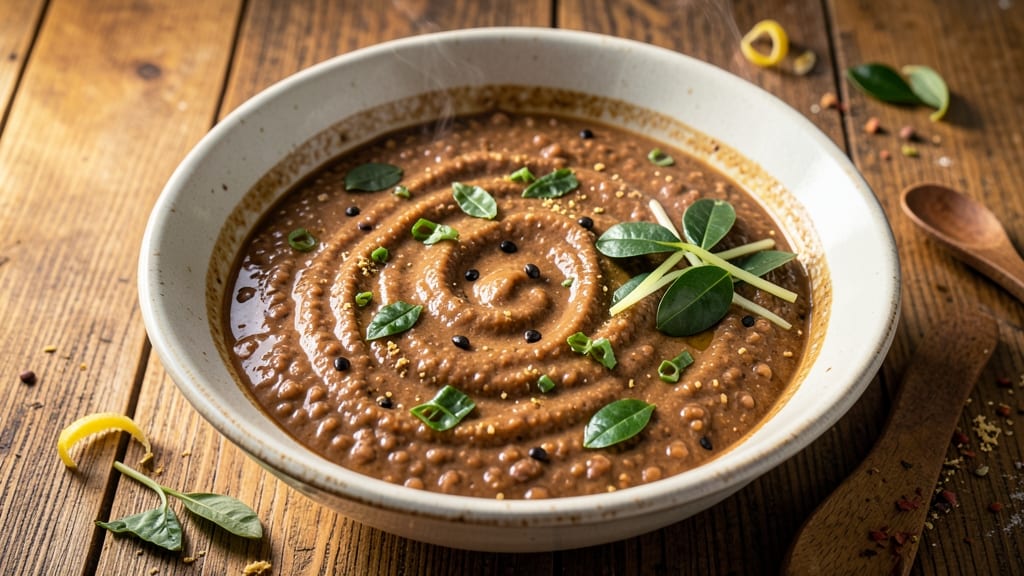
This brown rice dosa batter recipe delivers the perfect balance of crispy edges and fluffy centers—all while keeping your meal plant-based and nutrient-rich. The secret lies in soaking brown rice properly to unlock its natural chewiness, then fermenting the batter overnight for that signature tangy lift.
Unlike traditional white rice dosas, this version packs extra fiber and a lower glycemic index, making it a healthier twist without sacrificing flavor.
What sets this recipe apart is the crispy texture achieved through precise heat control and the right oil-to-batter ratio. The batter ferments naturally, creating bubbles that puff up beautifully when cooked on a hot griddle.
Serve with coconut chutney or sambar for a complete, vegan South Indian feast that’s as nutritious as it is delicious.
Ingredients for brown rice dosa batter
Nine plant-based ingredients transform into crispy, fermented dosa perfection with South Indian flair.
| Ingredient | Amount | Notes |
|---|---|---|
| Brown Rice 🌾 | 1 cup | Uncooked, long-grain preferred |
| Urad Dal (Black Gram) 🌱 | ½ cup | Split, rinsed thoroughly |
| Rice Flour 🌾 | ¼ cup | For crispiness, optional |
| Fresh Fenugreek Leaves 🌿 | ¼ cup | Methi leaves, chopped |
| Fresh Curry Leaves 🌿 | 0.1 cup | Lightly crushed, stems removed |
| Fresh Ginger 🧄 | 1 tbsp | Grated, organic preferred |
| Asafoetida (Hing) 🌶️ | ⅛ tsp | Pinch for aroma |
| Salt 🧂 | 1 tsp | Diamond Crystal preferred |
| Filter Water 💧 | 1 ½ cups | Room temperature |
| Coconut Oil 🫒 | ½ cup | For cooking, refined preferred |
| Lemon Juice 🍋 | 1 tbsp | Freshly squeezed |
The brown rice is the backbone—look for organic long-grain at Whole Foods or Indian grocery stores for optimal texture. Urad dal must be split and rinsed thoroughly to remove bitterness; Patel Brothers or Apna Bazaar carry the best quality. Fresh fenugreek and curry leaves are non-negotiable for authentic flavor—Indian markets sell them in bundles. The ginger should be organic (conventional often has more fiber) and grated just before mixing. Asafoetida is available in tiny tins at specialty stores—use sparingly as it's potent.
No fresh curry leaves? Dried at double the amount works, though flavor differs. Substitute fenugreek with spinach at half the quantity in a pinch. For the rice flour, almond flour adds richness but alters texture. The coconut oil can be swapped for ghee (non-vegan) or avocado oil, though coconut gives that classic dosa aroma. If your batter seems too thick after fermenting, add 1 tbsp water—never rush fermentation, as it develops the signature tang. The lemon juice should be freshly squeezed; bottled lacks the bright acidity needed for crisp edges.
Store the batter in an airtight container in the fridge for up to 3 days—the longer it ferments, the tangier it becomes. For best crispiness, cook on a hot griddle with medium heat—the oil-to-batter ratio is critical (about 1 tbsp oil per dosa). Leftovers? Reheat gently in a pan with a splash of water to restore moisture. Freeze portions for up to 3 months—thaw overnight in the fridge before cooking. The rice flour addition is optional but creates that signature crispy lattice pattern when cooked properly.
Why You'll Love This Recipe
- No-Soak Shortcut: I swear by this trick—soak the brown rice for just 4 hours (or overnight if you’re patient), then blend it with urad dal and a splash of water. No grueling grinding, no waiting all night. That fenugreek? Toss it in raw—no chopping, just tear and blend.
- Nutty Crispy Magic: The brown rice gives these dosas a nutty depth you won’t find in white rice versions, while the urad dal keeps them fluffy. Add curry leaves and fenugreek at the end—those leaves sizzle like little flavor bombs, turning bland batter into something irresistible.
- Weeknight Workhorse: This batter keeps for five days in the fridge, so I make a big batch on Sundays. Pancakes for breakfast, wraps for lunch, or a quick snack with coconut chutney—it’s my go-to when I’m too tired to plan. Honestly, I’ve fed a houseful of guests with just this one recipe.
- Budget Meal Maker: Brown rice and urad dal are pantry staples that won’t break the bank, and you’ll use every bit of the batter. Leftovers? Toss them in a stir-fry or blend into a quick soup—no waste, just smart cooking. My wallet (and my taste buds) thank me every time.
Step-by-step instructions for fermented brown rice dosa batter
Here's the precise method to create a perfectly fermented, crispy dosa batter with authentic texture.
Soak the Brown Rice and Urad Dal
Combine the 1 cup brown rice and 0.5 cup urad dal (black gram) in a large mixing bowl. Add 1.5 cups filter water and stir gently to ensure all grains are submerged. Let this mixture soak at room temperature for 6-8 hours or overnight in the refrigerator. The grains should absorb the water and become pliable but not mushy.
I've found that soaking at room temperature for the first 4 hours helps activate the enzymes that will contribute to fermentation, while the final 2-4 hours in the fridge slows down the process slightly for better control. You'll know it's ready when the grains feel soft to the touch and the water has been fully absorbed.
Grind the Soaked Ingredients
Transfer the soaked grains to a wet grinder or high-powered blender. Add the 0.25 cup fresh fenugreek leaves, 0.1 cup fresh curry leaves, 1 tbsp fresh ginger, 0.125 tsp asafoetida (hing), and 1 tsp salt. Grind in batches, adding just enough water to create a smooth, slightly runny batter consistency—similar to heavy cream. You should be able to see the back of the spoon through the batter.
Grind until completely smooth with no visible grain particles. The batter should be thin enough to pour easily but thick enough to hold its shape when spread. If it's too thick, add 1-2 tablespoons of filter water at a time until you reach the perfect consistency. This step is crucial for achieving that signature crispy dosa texture.
First Fermentation
Transfer the batter to a clean, wide-mouthed container. Cover with a damp cloth or plastic wrap and let it ferment at room temperature for 4-6 hours. You'll notice the batter will begin to bubble and rise slightly as the natural yeasts in the ingredients work their magic. The ideal fermentation temperature is between 80-85°F—if your kitchen is cooler, you may need to extend this time to 8 hours.
Here's the thing—fermentation is the soul of dosa. You want to see visible bubbles forming on the surface and a slightly tangy aroma developing. The batter should rise by about 20-30% and develop a slightly puffy texture. If you notice excessive yeast activity (like rapid rising or alcohol smell), your kitchen is too warm and you may need to refrigerate it for the remaining fermentation time.
Second Fermentation and Final Preparation
After the initial fermentation, transfer the batter to the refrigerator and let it rest for 8-12 hours or overnight. This second fermentation stage is what develops the complex flavors and proper texture. The cold temperature slows down the fermentation process, allowing for better flavor development without over-fermenting.
When ready to cook, bring the batter to room temperature. Add 0.5 cup coconut oil and 1 tbsp lemon juice, mixing gently but thoroughly. The coconut oil will give your dosas that signature crispiness, while the lemon juice adds a bright tang that balances the fermented flavors. The batter should now have a smooth, slightly effervescent consistency with a pleasant tangy aroma.
Rest Before Cooking
Let the batter rest at room temperature for 30-60 minutes before cooking. This final rest allows the gluten to relax and the flavors to meld completely. You'll notice the batter will become slightly thicker and more cohesive. The ideal resting temperature is around 75°F—if your kitchen is cooler, you may need to place the batter in a warm spot for 10-15 minutes to bring it to the perfect cooking temperature.
This resting period is often overlooked but makes a massive difference in the final texture of your dosas. When you're ready to cook, the batter should be smooth, slightly bubbly, and have a pleasant fermented aroma. The consistency should be like heavy cream—thin enough to pour easily but thick enough to hold its shape when spread on the griddle.
Pro Tips For Making Brown Rice Dosa Batter
- SOAK URAD SEPARATELY: Brown rice and urad dal don’t soak at the same pace—leave the urad in water for 4-5 hours first, then add the rice. The dal softens faster and stays creamier, while the brown rice absorbs moisture evenly without turning mushy. (Yes, I’ve ruined batches by mixing them too soon.)
- GRIND IN BATCHES: Split the batter into two grinds: first the soaked urad dal and fenugreek leaves (until smooth), then mix in the rice and rice flour. This prevents clumping and ensures the fenugreek’s earthy punch doesn’t get drowned out by the rice’s bulk. My blender protested, but the result was worth it.
- SALT THE WATER: Add a pinch of salt to the soaking water for the urad dal. It might sound odd, but it prevents the batter from tasting bland later—especially with brown rice, which lacks the starchiness of white rice. I learned this after making dosas that needed extra salt mid-cook.
- REST THE BATTER: Let the mixed batter sit covered for at least 30 minutes before cooking. The rice flour needs time to hydrate fully, and the urad’s natural tang mellows out. Skipping this step means your dosas will be dense and chewy instead of light and crisp. (I know, I’ve done it.)
Regional styles of these flavors
Kerala-Style Fermented
In Kerala, dosas are traditionally made with a longer fermentation time—up to 16 hours—to develop a deeper tang. I add 1 tsp grated ginger and ½ tsp black pepper to the batter before fermentation for an extra kick.
The batter is often thinner than standard dosas, creating a delicate, almost translucent pancake. Serve with Kerala-style coconut milk chutney (made with 1 cup grated coconut, 1 tsp green chili, and 1 tsp tamarind paste) for a creamy contrast. 🌿
Tamil Nadu Crispy
Tamil Nadu dosas are all about maximum crispiness, achieved by adding 2 tbsp rice flour to the batter before fermentation. The batter is spread thin and even on a hotter griddle (around medium-high heat) and cooked with more oil (about 1½ tbsp per dosa).
The secret? No lemon juice—just ½ tsp salt and 1 tbsp coconut oil added post-fermentation. Pair with sambar (lentil stew) and ginger chutney for the classic combo. 🔥
Andhra Pradesh Spicy
Andhra-style dosas pack heat and texture with 1 tbsp red chili powder and ½ tsp cumin seeds added to the batter. The batter ferments for only 6-8 hours (shorter than Kerala) and is spread thicker for a heartier bite.
Cook on medium heat with 1 tbsp ghee or coconut oil for a rich, crispy finish. Serve with Andhra-style tomato-onion chutney (blended with 1 green chili and 1 tsp jaggery) for a sweet-spicy balance. 🌶️
Karnataka Mild & Fluffy
Karnataka dosas focus on lightness—the batter includes ½ cup rava (semolina) for a fluffier texture and ferments for 10-12 hours. The batter is thinner and spread ultra-thin on a hot griddle with minimal oil (just ½ tsp per dosa).
The key? No spices in the batter—just salt and coconut oil post-fermentation. Serve with sambar and mint-coriander chutney for a refreshing contrast. ✨
Modern Fusion Twist
For a healthier fusion, blend ½ cup quinoa with the brown rice and add 1 tbsp flaxseeds to the batter. Ferment as usual, then cook with avocado oil for a nutty flavor.
Top with avocado slices and microgreens for a vegan, gluten-free twist. The quinoa adds extra protein, while the flaxseeds boost omega-3s. Serve with mango chutney for a sweet-tangy finish. 💛
Nutrition facts
Frequently asked questions
Why does my brown rice dosa batter turn too sour?
Over-fermentation happens when the batter sits too long or in warm conditions. For brown rice dosas, aim for 8-12 hours total fermentation (4-6 hours at room temp + overnight fridge). If it smells overly tangy or has a sharp vinegar-like odor, reduce fermentation time by 2-3 hours3 days—it continues fermenting slowly.
Can I make this batter without a wet grinder?
Use a high-powered blender, but grind in small batches with 1-2 tablespoons of water at a time. For best results, soak the rice and dal 2 hours longer (8-10 hours total) since blenders don't grind as finely. The batter may need 1 extra tablespoon of water post-fermentation to reach ideal pouring consistency.
How do I achieve extra crispy edges?
The secret lies in heat and oil ratio. Heat your griddle to medium-high (375°F) and use 1½ tablespoons of coconut oil per dosa. Spread the batter thin and even, then let it cook undisturbed for 30 seconds before flipping. For extra crunch, add 1 tablespoon rice flour to the batter before fermentation—it creates a crispy lattice pattern.
What's the best way to reheat leftover dosas?
Place dosas in a dry non-stick pan on medium-low heat for 1-2 minutes per side. Add ½ teaspoon coconut oil only if needed to restore crispiness. For microwave method: Wrap in a damp paper towel and heat for 20-30 seconds—this prevents drying. Never reheat in the oven as it makes them rubbery.
Can I substitute brown rice with white rice?
While possible, texture will differ significantly. White rice creates softer, less chewy dosas with fewer nutrients. If substituting, use ½ cup brown rice + ½ cup white rice and increase soaking time by 1 hour. The fermentation process will be faster with white rice, so monitor closely for 6-8 hours total instead of 8-12.