
Main Courses
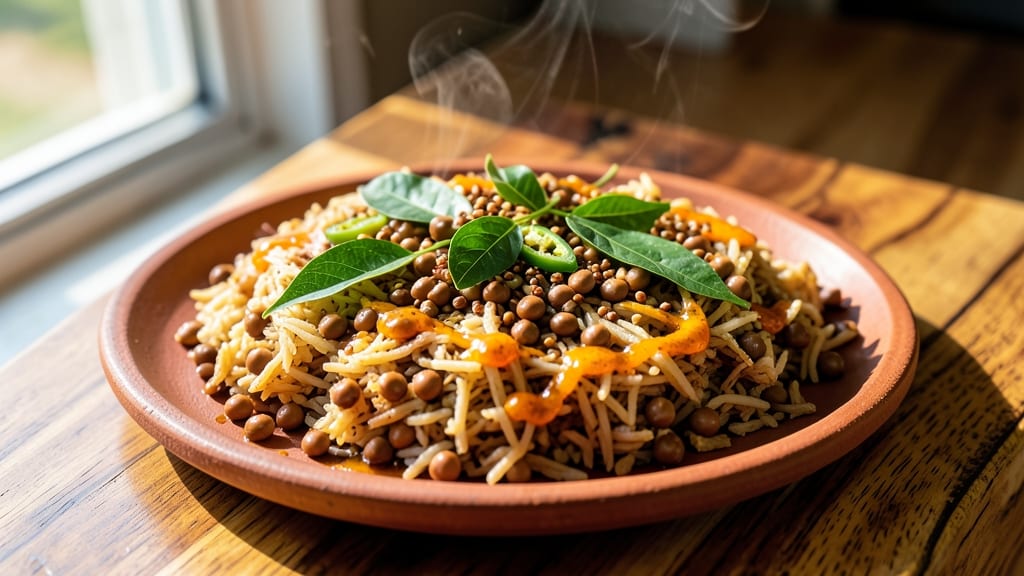
This brown rice poha recipe transforms simple ingredients into a fragrant, nutty dish with crispy texture and vibrant flavors. The key lies in perfectly toasting the brown rice until it puffs slightly, creating a satisfying bite that contrasts beautifully with the soft peas and tender vegetables.
Traditional spices like turmeric, mustard seeds, and curry leaves infuse every bite with warmth and depth, while green chilies add a subtle kick.
What sets this version apart is the use of brown rice instead of regular rice, delivering a nuttier, heartier texture that holds up perfectly to the crispy pea topping. The dish comes together in just 30 minutes with minimal effort, yet tastes like a restaurant-quality meal.
Each spoonful combines fluffy rice, tender peas, and aromatic spices for a vegetarian dish that’s both comforting and satisfying.
Ingredients for brown rice poha
Transform traditional poha with nutty brown rice and aromatic spices for a vegetarian dish bursting with texture and flavor.
| Ingredient | Amount | Notes |
|---|---|---|
| Brown Rice Poha 🍚 | 1 ½ cups | Uncooked, toasted until puffed |
| Split Peas 🌱 | 1 ½ cups | Dry, yellow or green |
| Turmeric Powder 🌿 | ½ tsp | Freshly ground preferred |
| Mustard Seeds 🌶️ | ½ tsp | Whole, yellow variety |
| Curry Leaves 🌿 | 10 whole | Fresh, dried if unavailable |
| Green Chilies 🌶️ | 2 whole | Slit lengthwise, adjust heat |
| Fresh Cilantro 🌿 | ¼ cup | Chopped, stems removed |
| Lemon Juice 🍋 | 2 tbsp | Freshly squeezed |
| Ghee 🧈 | 2 tbsp | Clarified butter for richness |
| Salt 🧂 | 1 tsp | Diamond Crystal preferred |
| Cumin Seeds 🌿 | ¼ tsp | Toasted for aroma |
| Asafoetida Powder 🌶️ | ⅛ tsp | Optional for depth |
| Olive Oil 🫒 | 1 tbsp | For crisping peas |
The brown rice poha is the foundation—look for pre-toasted varieties at Indian specialty stores or bulk bins for optimal texture. If unavailable, toast regular brown rice in a dry skillet until puffed. Mustard seeds and curry leaves should be fresh for maximum aroma; dried versions work but lose potency. For green chilies, opt for serrano or jalapeño for consistent heat levels, and always slit them lengthwise to prevent bitterness. Ghee elevates the dish, but vegetable oil works in a pinch for a neutral flavor profile.
No curry leaves? Dried thyme at half the amount mimics the earthy notes. Running short on ghee? Coconut oil or extra-virgin olive oil maintain richness, though flavor differs slightly. Split peas can be swapped for chickpeas if preferred, though texture will vary. For extra crispiness in the pea topping, broil for 3-4 minutes post-cooking. Asafoetida (hing) is optional but adds a distinct umami depth—skip if unavailable, but don’t substitute with garlic powder.
Store uncooked poha in an airtight container for up to 6 months in a cool, dark place. Cooked poha reheats beautifully—simmer with a splash of water for 2-3 minutes to restore fluffiness. The pea topping crisps best when made fresh but can be prepped ahead and reheated in a dry skillet. For meal prep, portion into containers with a drizzle of lemon juice to preserve freshness for 3-4 days in the fridge.
Why You'll Love This Recipe
- No-Fuss Fluffiness: I swear by the texture here—the flattened brown rice poha stays light and airy, never mushy, even when reheated. Just toast the split peas with turmeric and mustard seeds until they pop, then fold in the rice. That’s it. No stirring for hours, no waiting for grains to soften.
- Taste That Lingers: Between us, the mustard seeds and curry leaves sizzling in hot oil give this dish an aroma that hits you before the first bite. The split peas add a subtle earthiness that balances the rice’s nutty flavor, and honestly? That turmeric glow makes it look as good as it tastes.
- Lunchbox Legend: I pack this cold or at room temperature—it holds up perfectly for school lunches or office meals. The split peas keep it hearty, and the rice stays separate so no soggy mess. My kids actually eat their veggies when I sneak them into this (yes, even the picky ones).
- Budget Win: Split peas and brown rice poha cost pennies compared to quinoa or basmati. A single batch feeds four for two meals, and leftovers reheat in seconds. I’ll be real: this is my go-to when grocery money’s tight, but no one ever guesses it’s "cheap."
Step-by-step instructions for fluffy turmeric rice with crispy topped peas
Here's how to transform simple ingredients into a fragrant, textured dish where crispy split peas crown tender turmeric rice.
Toast the Split Peas Until Golden and Crisp
Heat the 1 tablespoon olive oil in a heavy-bottomed skillet over medium-high heat. Add the 1.5 cups split peas and spread them evenly in a single layer. Toast for 8-10 minutes, stirring frequently with a wooden spoon, until they turn a deep golden brown and develop a crisp exterior. You'll notice the peas puff slightly and smell nutty—this is your signal they're ready.
Remove the toasted peas immediately and set them aside on a plate. If they stick to the pan, don't force them—add a few drops of water to release them. The crispy texture is essential for that satisfying contrast against the fluffy rice. Keep these peas warm while you prepare the rest of the dish.
Bloom the Spices and Prepare the Poha Base
In the same skillet (no need to clean it—those flavorful bits matter), reduce heat to medium and add the 2 tablespoons ghee. Once the ghee melts and begins to foam, add the 0.25 teaspoon cumin seeds and 0.5 teaspoon mustard seeds. Toast for 30 seconds until the cumin seeds sizzle and release their aroma—this is when your kitchen will smell like a spice market.
Next, add the 10 whole curry leaves and 2 whole green chilies (slit lengthwise). Sauté for 1 minute until the curry leaves darken slightly and the chilies soften. Immediately add the 0.5 teaspoon turmeric powder and stir for 10 seconds to bloom its earthy aroma. This quick cooking prevents the turmeric from developing a bitter taste. Remove the pan from heat and let the spices cool for 2 minutes—this prevents the rice from turning mushy.
Layer and Infuse the Brown Rice Poha
In a large mixing bowl, combine the 1.5 cups brown rice poha with the spiced ghee mixture. Gently fold with a spatula until every grain is coated in the aromatic ghee and spices. The rice should look vibrant yellow from the turmeric and smell intensely of cumin and curry leaves. Let this mixture sit for 5 minutes while you prepare the remaining components.
In a separate small bowl, whisk together the 2 tablespoons lemon juice and 1 teaspoon salt. This tangy brine will enhance the rice's texture and balance the earthy flavors. Pour this mixture evenly over the rice and fold gently to distribute. The lemon juice will begin to tenderize the rice slightly, making it even more fluffy.
Assemble and Garnish for Perfect Texture
Spread the seasoned rice evenly on a serving platter or individual plates. Arrange the crispy toasted peas on top in an even layer, pressing down gently to create a textured surface. The contrast between the fluffy rice and crispy peas is what makes this dish special. Drizzle any remaining ghee from the pan over the top for extra richness.
Finally, sprinkle the 0.25 cup chopped fresh cilantro evenly over the peas. The bright green color not only looks beautiful but also adds a fresh, herbal note that cuts through the richness. For an extra depth of flavor, dust lightly with the 0.125 teaspoon asafoetida powder—this optional step adds a savory umami dimension that elevates the dish.
Serve Immediately for Maximum Texture Contrast
Serve the poha immediately while the peas remain crispy and the rice is still fluffy. The heat from the rice will help maintain the peas' texture for a few minutes, but don't wait longer than 10 minutes before serving. Each bite should deliver the satisfying crunch of the peas followed by the soft, aromatic rice infused with turmeric and spices.
For an authentic experience, serve with a side of mango chutney or tamarind date chutney to complement the earthy flavors. The tangy sweetness of the chutney pairs beautifully with the savory, slightly spicy poha. This dish is best enjoyed fresh, when the textures and flavors are at their peak.
Pro Tips For Making Brown Rice Poha
- SOAK THE POHA JUST RIGHT: Skip the urge to soak brown rice poha in boiling water—it turns mushy. Instead, use warm (not hot) water and let it sit for 15-20 minutes. The grains should puff up but stay firm, like a perfect bed for your split peas. I learned this the hard way after serving a bowl that looked like oatmeal.
- TEMPER THE MUSTARD SEEDS LOW: Crank the heat to high for the initial mustard seeds and curry leaves, but drop it to medium once they start popping. Too much heat burns them before they bloom, leaving you with bitter, underdeveloped flavor. My grandmother swore by this, and she was right: the sizzle should be lively, not smoky.
- TOAST THE SPLIT PEAS: Don’t just add split peas raw—they’ll turn to mush and turn your poha into a porridge. Dry-toast them in the same pot as the tempering spices for 2-3 minutes until they smell nutty. This step makes a real difference in texture, and yes, even if you’re impatient like me.
- USE TURMERIC LAST: Add turmeric powder after removing the pot from heat—it burns faster than you’d think. A quick stir with the final tempering will give you that vibrant color without sacrificing flavor. I was skeptical until I tried it: the dish looks as good as it tastes.
Serving suggestions for leftovers
Chutney Pairings
Mango chutney is my go-to pairing—its sweet-tart balance cuts through the earthy turmeric and nutty brown rice beautifully. I recommend homemade mango chutney with a touch of ginger and cumin, or store-bought Britannia brand for convenience.
For a tangier option, try tamarind date chutney, which adds a fruity depth that enhances the crispy peas. 🍋
Yogurt Drizzle
Drizzle with thick, strained yogurt mixed with ½ teaspoon roasted cumin powder and a pinch of salt for a cooling contrast. This adds creaminess while balancing the spice levels. I like to whisk the yogurt with 1 teaspoon honey for a subtle sweetness that complements the dish's savory notes.
Pickled Vegetables
Add a crunchy element with quick-pickled onions or carrots (thinly sliced, soaked in ¼ cup vinegar, 1 tbsp sugar, and ½ tsp salt for 20 minutes).
The acidity brightens the dish, while the crunch contrasts the soft rice. For extra flavor, add 1 tsp mustard seeds to the pickling liquid.
Spicy Accents
For heat lovers, serve with red chili powder or green chili jam on the side. A sprinkle of crushed black pepper or freshly grated coconut adds another layer of texture and flavor. I often keep a small bowl of mango powder (amchur) nearby to adjust acidity if needed.
Beverage Pairings
Pair this dish with masala chai or ginger tea to complement the spices. For a non-caffeinated option, coconut water or nimbu pani (Indian lemonade) refreshes the palate. If you prefer alcohol, a crisp Sauvignon Blanc or light lager works well with the dish's vibrant flavors. 🍺
Garnish Upgrades
Elevate the dish with toasted coconut flakes or crispy fried shallots for extra crunch. A few seeds from a pomegranate add a pop of color and sweet-tart contrast. For a smoky touch, finish with a pinch of smoked paprika—it ties all the flavors together beautifully.
Nutrition facts
Frequently asked questions
Why does brown rice work better than regular rice for poha?
Brown rice adds a nutty, heartier texture that holds up perfectly to the crispy pea topping. Its slightly chewy bite contrasts beautifully with the fluffy turmeric rice, while retaining more nutrients than white rice. The toasted brown rice also absorbs flavors better, making every bite more aromatic.
Can I make this recipe without a skillet?
Yes! Use a large oven-safe skillet and toast the split peas in the oven at 375°F for 12-15 minutes, stirring halfway. For the spices, cook them in a small pot over medium heat. The oven method works well for hands-off cooking, though you'll lose some of the smoky flavors from the stovetop.
What if my split peas aren't crispy?
Keep toasting them in small batches over medium-high heat until golden brown. For extra crispiness, spread them on a baking sheet and broil for 2-3 minutes after removing from the pan. Avoid overcrowding the pan—they need space to crisp properly. If they soften, try toasting them again in a dry skillet for 1-2 minutes.
How can I adjust the spice level?
For milder heat, reduce the green chilies to 1 or remove the seeds. For extra spice, add ½ teaspoon red chili powder or 1 extra green chili. You can also serve a side of green chili jam or mango powder (amchur) for those who want to adjust their heat level after serving.
Can I use this recipe for meal prep?
Store the uncooked poha in an airtight container for up to 6 months. Cooked poha reheats best by simmering with 2 tablespoons water for 2-3 minutes to restore fluffiness. The crispy pea topping is best made fresh, but you can toast them separately and sprinkle on top when serving. Keep the lemon juice and ghee separate until reheating for optimal texture.