
Main Courses
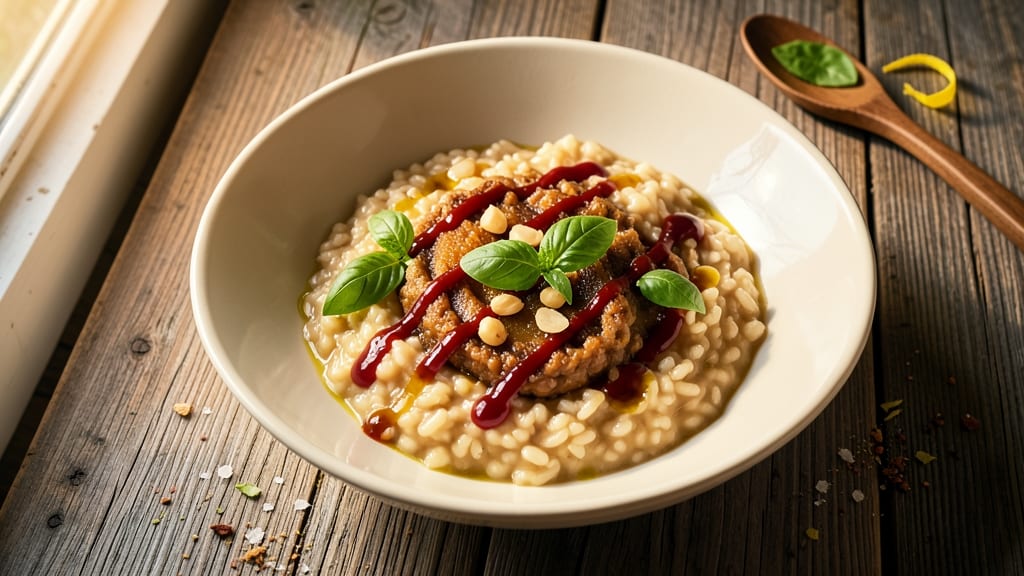
This Calrose rice risotto recipe delivers restaurant-quality creaminess without the endless stirring—thanks to the rice's natural starch release and a few strategic techniques. Calrose, a short-grain Japanese variety, absorbs liquid beautifully while maintaining its signature silky texture, making it ideal for risotto.
The secret lies in proper layering of broth and gentle folding, which transforms simple ingredients into a velvety masterpiece.
What sets this method apart is the foolproof approach that balances creaminess with structure, avoiding the common pitfall of gluey risotto. We'll sauté aromatic vegetables, deglaze with white wine, and gradually incorporate warm broth to build flavor and texture.
The result? A dish that's luxuriously smooth yet light enough to pair with anything from grilled salmon to roasted mushrooms.
By the time you're done, you'll have a perfectly creamy risotto with a subtle nutty undertone from the Calrose rice, all achieved without constant attention. The dish stays cohesive and tender, not mushy, thanks to precise timing and technique.
Garnish with fresh herbs, grated Parmesan, or a drizzle of truffle oil for an extra touch of sophistication.
This recipe works equally well as a standalone vegetarian dish or as a base for adding protein like shrimp, chicken, or wild mushrooms. The versatility makes it perfect for weeknight dinners or special occasions—just adjust the seasoning to your taste.
Let's get started on creating your creamy, foolproof risotto with minimal effort.
Ingredients for calrose rice risotto
Calrose rice and aromatic vegetables form the foundation of this luxurious risotto.
| Ingredient | Amount | Notes |
|---|---|---|
| Calrose Rice 🍚 | 1 ½ cups | Uncooked, short-grain variety |
| Vegetable Broth 💧 | 4 cups | Low-sodium, homemade preferred |
| Dry White Wine 🍷 | ½ cup | Sauvignon Blanc or Pinot Grigio |
| Yellow Onion 🧅 | 1 whole | Medium, thinly sliced |
| Garlic Cloves 🧄 | 3 cloves | Minced, fresh preferred |
| Extra-Virgin Olive Oil 🫒 | ½ cup | High-quality, fruity |
| Shallots 🧅 | 2 whole | Minced, or substitute with 2 tbsp onion |
| Parmesan Cheese 🧀 | ¾ cup | Freshly grated, aged |
| Unsalted Butter 🧈 | 4 tbsp | Cold, cubed for finishing |
| Fresh Thyme 🌿 | ¼ cup | Leaves only, finely chopped |
| Salt 🧂 | 1 ½ tsp | Diamond Crystal kosher salt |
| Black Pepper 🌶️ | ½ tsp | Freshly ground |
| Truffle Oil 🫒 | 1 tsp | Optional, for garnish |
The Calrose rice is non-negotiable here—its short-grain structure releases starch perfectly for that signature silky texture. Whole Foods or specialty Asian markets carry it in bulk, but any reputable grocery store should stock it. For the broth, homemade vegetable stock elevates the dish, but quality low-sodium store-bought works in a pinch. The white wine should be dry and crisp (think Sauvignon Blanc or Pinot Grigio)—avoid oaked varieties, which can overpower the delicate rice. Fresh thyme and shallots add depth, so don't substitute with dried herbs unless absolutely necessary, though one-third the amount of dried thyme will suffice.
No white wine? Substitute with extra broth and a splash of lemon juice for acidity. Shallots unavailable? Double the onion for a similar sweetness. The Parmesan must be freshly grated—pre-shredded contains anti-caking agents that prevent proper melting. For a vegetarian version, ensure your broth is vegetable-based (no chicken stock). The truffle oil is optional but adds a luxurious finish; Costco carries affordable bottles that last for months. If using mushrooms as a protein addition, shiitake or cremini sautéed in olive oil work beautifully.
Store any leftover risotto in an airtight container for up to 3 days in the refrigerator—it reheats beautifully with a splash of broth. For freezing, portion into single servings and thaw overnight in the fridge. The Parmesan and butter cubes can be added fresh after reheating for that restaurant-quality finish. This dish shines as a standalone vegetarian meal or as a base for proteins like shrimp or chicken. Garnish with extra herbs or a drizzle of truffle oil just before serving to maintain its velvety texture.
Why You'll Love This Recipe
- No Fuss, One Pot: I swear by this method—just Calrose rice, broth, and a splash of wine. No fancy tools, no stressing over layers. The rice cooks itself as you stir, and honestly? The onion and garlic caramelize right into that creamy base without extra effort.
- Wine-Infused Creaminess: That dry white wine isn’t just for show—it cuts through the richness and leaves behind a bright, almost buttery finish. The broth keeps it savory but never heavy, and the garlic? Oh, it lingers in the best way, like a warm hug for your taste buds.
- Weeknight to Dinner Party: Same recipe, totally different vibes. Toss in some sautéed mushrooms for a fancy night in, or keep it simple with a sprinkle of Parmesan for a quick weeknight meal. My roommates don’t even realize how little work this takes—until I tell them.
- Budget-Friendly Leftovers: Calrose rice is cheap, and this risotto stretches further than you’d think. I make a big batch on Sundays, reheat portions all week, and no one complains—because it’s still just as good the second time. (Yes, even on a Tuesday night.)
Step-by-step instructions for Calrose rice risotto
Master this technique and you'll achieve restaurant-quality risotto with velvety texture—no constant stirring required.
Prepare the Aromatics and Sauté the Rice
Heat the 0.5 cup extra-virgin olive oil in a heavy-bottomed pot over medium heat. Add the 1 whole yellow onion and 2 whole shallots (minced), cooking for 5-6 minutes until softened and translucent. Stir in the 3 cloves garlic cloves and 0.25 cup fresh thyme, cooking for another 1 minute until fragrant.
Add the 1.5 cups Calrose rice, stirring to coat in the oil and aromatics. Toast for 2-3 minutes until the rice grains become slightly translucent at the edges. This step develops the rice's natural starches, which will create that signature creamy texture later. Don't walk away—burnt rice means ruined risotto.
Deglaze with Wine and Add Initial Broth
Pour in the 0.5 cup dry white wine, stirring constantly for 1-2 minutes until completely absorbed. The alcohol will cook off, leaving behind rich flavor. Immediately add 2 cups of the vegetable broth and bring to a gentle simmer.
Here's where the magic happens: maintain a gentle simmer (small bubbles at the edges) rather than a rolling boil. The rice should absorb the liquid gradually over 15-18 minutes. I use a wooden spoon to stir occasionally, but not constantly—this prevents breaking the rice grains while still promoting even cooking.
Work in Broth Gradually for Perfect Texture
When the initial broth is nearly absorbed (after about 8-10 minutes), add another 1 cup of vegetable broth. Continue this process—adding broth in ½-cup increments—every 4-5 minutes until all 4 cups vegetable broth are used. The risotto should be al dente at this stage, with a slight bite remaining in the center of each grain.
Resist the urge to add all broth at once. The rice needs time to absorb liquid gradually, developing that creamy consistency through starch release. If the rice looks dry before all broth is used, add a splash of warm water to maintain moisture—this happens more often than you'd think with Calrose.
Finish with Butter, Cheese, and Seasoning
Remove the pot from heat once the rice has absorbed all broth. Stir in the 4 tbsp unsalted butter and 0.75 cup Parmesan cheese, letting them melt into the rice. Add the 1.5 tsp salt and 0.5 tsp black pepper, then taste and adjust seasoning—risotto should be rich but not overpowering.
For that final luxurious touch, drizzle with 1 tsp truffle oil (if using) and cover the pot for 5 minutes to let flavors meld. The residual heat will finish cooking the rice perfectly. The texture should be creamy yet distinct grains should still be visible—this is the hallmark of a well-made risotto.
Pro Tips For Making Calrose Rice Risotto
- STIR LIKE YOUR LIFE DEPENDS ON IT: Calrose rice needs constant attention—every 30 seconds at first, then every 60 as it absorbs liquid. I used to walk away for "just a minute," and the pot turned into a gluey mess. Keep a spoon in your hand, not the pot.
- TOAST THE RICE (NO, REALLY): Sweat the onion and garlic until soft, then add the rice and let it sit for 30 seconds before adding wine. This dry toasting step builds flavor—skip it, and your risotto will taste like broth with rice in it. (Yes, even if you’re impatient like me.)
- DON’T DROWN IT: Calrose rice is forgiving, but it’s not a sponge. After the initial wine deglaze, add broth gradually—about ½ cup at a time—letting each batch fully absorb before adding more. Too much liquid too soon = mushy rice. (Your future self will cry.)
- UPGRADE WITH A PASTEURIZED BROTH: Store-bought broth often lacks depth. Simmer your vegetable broth for 10 minutes with a bay leaf, a strip of kombu, and a crushed peppercorn—just long enough to wake up the flavors. It’s not fancy, but it makes a real difference. (And no, you don’t need to buy fancy broth.)
Perfect pairings for calrose rice risotto
Vegetarian Protein Additions
For a heartier vegetarian version, sauté 8 oz shiitake mushrooms in 1 tbsp olive oil until golden before adding the rice. Their earthy umami complements the creamy texture perfectly. Alternatively, add ½ cup cooked lentils or 1 cup roasted butternut squash cubes for texture and color. 🌱
Roasted cherry tomatoes work beautifully too—toss 1 cup halved tomatoes with 1 tsp olive oil, ½ tsp salt, and ¼ tsp black pepper, then roast at 400°F for 15 minutes before folding into the risotto. The concentrated sweetness balances the dish's richness.
Protein Pairings
Grilled salmon fillets are my go-to protein pairing—its delicate flavor contrasts beautifully with the risotto's creaminess. Season with lemon zest and dill before serving. For poultry lovers, pan-sear chicken breast with garlic and thyme, then slice into strips. 🍽️
Shrimp lovers can sauté ½ lb shrimp in 1 tbsp butter with ½ tsp smoked paprika until just pink. The briny shrimp adds a lovely contrast to the rich risotto. For a meaty option, try crispy pork belly strips cooked until caramelized.
Side Dish Harmony
A simple arugula salad with lemon vinaigrette cuts through the richness—toss 4 cups arugula with 2 tbsp olive oil, 1 tbsp lemon juice, and ½ tsp salt. The peppery bite refreshes your palate between bites. 🥗
Roasted asparagus with balsamic glaze adds a touch of elegance. Toss 1 bunch trimmed asparagus with 1 tbsp olive oil, ¼ tsp salt, and roast at 425°F for 12 minutes. Drizzle with 1 tsp balsamic reduction before serving.
Beverage Pairings
A crisp Sauvignon Blanc from New Zealand enhances the dish's herbal notes and citrus undertones. Look for wines with gooseberry and lime flavors—they complement the thyme and lemon in the risotto. 🍷
For beer lovers, a Belgian witbier like Hoegaarden adds a refreshing contrast with its citrus and coriander notes. Alternatively, a light Italian lager like Peroni cleanses the palate without overpowering the dish.
Nutrition facts
Frequently asked questions
Why does Calrose rice work better than Arborio for risotto?
Calrose rice has a slightly higher starch content than Arborio, creating a naturally creamier texture without constant stirring. Its short-grain variety also holds shape better, preventing that mushy consistency. Plus, it's more widely available and often more affordable than specialty Arborio.
Can I make this risotto without wine?
Yes! Substitute the 0.5 cup white wine with 0.25 cup extra broth plus 1 tbsp lemon juice for acidity. The lemon brightens the dish and mimics wine's flavor profile. For a neutral option, use 0.5 cup apple juice instead.
How do I fix risotto that's too dry or too soupy?
For dry risotto, stir in 2 tbsp warm broth and let it sit off heat for 2-3 minutes. If too soupy, remove from heat immediately and let it absorb excess liquid. The residual heat will finish cooking the rice. Never add cold liquid—it stops the cooking process.
Can I make this risotto ahead of time?
Prepare it up to the final butter and cheese step, then refrigerate for up to 3 days. Reheat gently with 2 tbsp broth per cup of risotto, stirring occasionally. Add fresh butter and Parmesan after reheating for that restaurant finish. The texture will be slightly firmer but still delicious.
What's the secret to getting that perfect creamy texture?
The key is gradual broth addition and gentle folding. Add broth in ½-cup increments every 4-5 minutes—this lets the rice absorb liquid slowly while releasing starch. When finished, stir in butter and cheese off heat to emulsify naturally. Never overstir while cooking!