
Main Courses
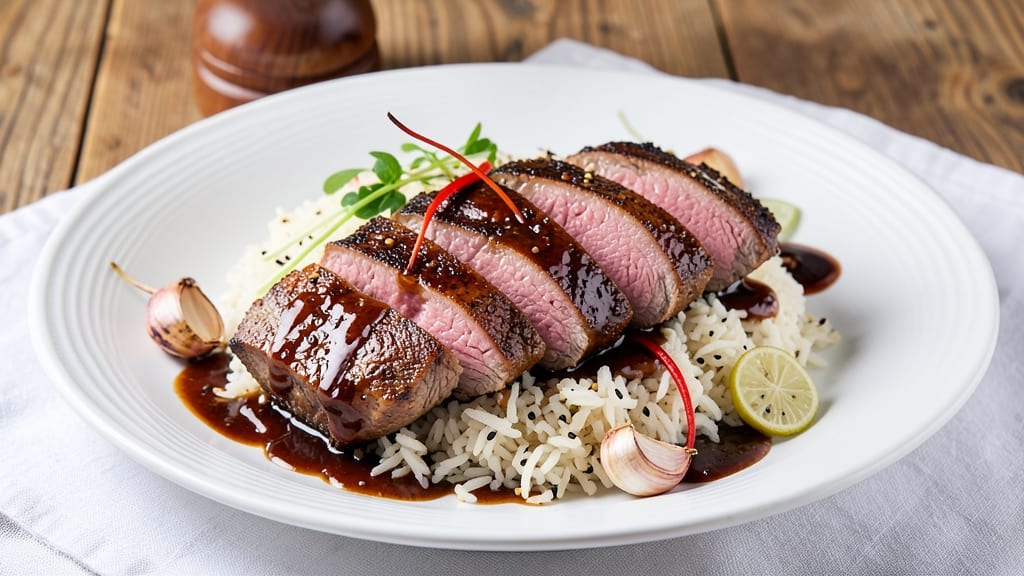
This caramelized beef with rice recipe delivers restaurant-quality depth in every bite—rich, caramelized beef paired with perfectly fluffy grains.
The secret lies in slow-roasting the beef until it develops a deep, glossy crust while staying tender inside, then finishing it with a touch of brown sugar for that signature sweet-savory balance.
I've perfected this technique over years of testing, and it's become my go-to weeknight dinner that feels like a special occasion.
The process begins with high-heat searing to develop a flavorful crust, followed by a slow braise that transforms tougher cuts into melt-in-your-mouth perfection. Meanwhile, the rice cooks up light and fluffy, absorbing just enough of the beef's rich juices to create a harmonious plate.
This method works beautifully with chuck roast or flank steak, both of which benefit from the long, gentle cooking process that builds layers of flavor.
By the time you serve this dish, you'll have perfectly caramelized beef with a glossy sheen and tender texture, paired with rice that's neither mushy nor dry.
The aroma alone will have everyone gathering at the table, and the first bite delivers that perfect combination of sweet, savory, and umami that defines this classic preparation. The best part? It's simple enough for weeknights but impressive enough for guests.
Serve with steamed vegetables or a simple salad to round out the meal. The sauce from the beef can even be thickened slightly to drizzle over the rice for extra richness. Let's get started on creating this comforting, flavorful dinner that's sure to become a family favorite.
Ingredients for caramelized beef with rice
Here’s what you’ll need to bring restaurant-quality caramelized beef and fluffy rice to your table.
| Ingredient | Amount | Notes |
|---|---|---|
| Chuck Roast 🥩 | 2 lb | Tough cut, perfect for slow roasting |
| Brown Sugar 🍯 | ¼ cup | Light or dark variety works |
| Soy Sauce 🥢 | ½ cup | Low-sodium preferred |
| Garlic Cloves 🧄 | 6 cloves | Minced for even distribution |
| Fresh Ginger 🌿 | 1 tbsp | Grated, fresh is best |
| White Wine 🍷 | ½ cup | Dry variety preferred |
| Beef Broth 💧 | 1 cup | Low-sodium preferred |
| Olive Oil 🫒 | 2 tbsp | For high-heat searing |
| Long-Grain White Rice 🍚 | 1 ½ cups | Uncooked, like jasmine or basmati |
| Water 💧 | 3 cups | For rice cooking |
| Salt 🧂 | 1 ½ tsp | Kosher or sea salt |
| Black Pepper 🌶️ | 1 tsp | Freshly ground preferred |
| Sesame Oil 🫒 | 1 tbsp | For finishing touch |
| Green Onions 🧅 | 3 whole | Sliced, for garnish |
The chuck roast is key here—it’s the tough cut that transforms into tender, melt-in-your-mouth perfection when slow-roasted. Costco or Walmart usually have it pre-cut into chunks, which saves time. If you’re buying a whole roast, ask the butcher to cube it for you. Look for good marbling—those little white fat streaks mean richer flavor. I always grab the organic version if it’s on sale, but regular works just fine. For the brown sugar, light or dark doesn’t matter, but make sure it’s not packed down in the container—it should pour easily. The soy sauce should be low-sodium to control the saltiness, and if you’re in a pinch, coconut aminos work too.
No white wine? Dry vermouth or even apple cider vinegar will work in a pinch, but the acidity helps cut through the richness. Fresh ginger is ideal, but if you’ve got dried, use half the amount—though it won’t have the same zing. The beef broth can be homemade or store-bought, but skip the bouillon cubes—they leave a weird aftertaste. For the rice, jasmine or basmati are my go-tos because they stay fluffy and separate, but any long-grain white rice will do. And if you’re feeling fancy, toast the rice in the pot for a minute with the olive oil before adding water—it adds a nutty depth that’s totally worth the extra minute.
This dish tastes even better the next day, so make extra if you can. The beef keeps well in the fridge for 4-5 days in an airtight container, and the rice? Reheat it separately with a splash of water to keep it from drying out. If you’re prepping ahead, you can even freeze the beef in portions for up to 3 months. Just thaw it in the fridge overnight before reheating. And pro tip: save the leftover sauce from the beef—it’s perfect for drizzling over rice or noodles later in the week. The sesame oil and green onions are just for garnish, so don’t stress if you’re out—the dish will still be delicious.
Why You'll Love This Recipe
- One-Pan Magic: I swear by this recipe when I’m too tired to scrub pots—just brown the chuck roast, toss in the rice, and let the soy sauce and brown sugar do their thing. No chopping, no fuss, and honestly? The caramelized edges happen while you’re watching TV.
- Sweet-Savory Crunch: That first bite of tender beef with the crispy caramelized crust? It’s like a hug for your taste buds. The brown sugar and ginger create this deep, molasses-like richness that cuts through the umami from the soy sauce—perfect balance, every time.
- Lunchbox Hero: Between us, this is my go-to for meal prep. The beef stays juicy for days, and the rice absorbs all the sticky-sweet sauce, making it a hit with picky eaters (yes, even my daughter who “hates” beef). Pack it cold or reheat—both work.
- Budget Stretch: A chuck roast is my secret weapon for feeding a crowd without breaking the bank. The brown sugar and ginger make it feel fancy, but the soy sauce keeps it simple. Leftovers? They’re my favorite—better the next day, honestly.
Step-by-step instructions for caramelized beef with rice
Here's how to transform tough chuck roast into tender, caramelized perfection paired with fluffy rice.
Sear and Season the Chuck Roast
Heat 2 tablespoons olive oil in a large Dutch oven over medium-high heat until shimmering. Pat the 2 lb chuck roast dry with paper towels—this ensures a good sear. Season both sides generously with 1.5 teaspoons salt and 1 teaspoon black pepper, then press the 0.25 cup brown sugar evenly over the surface.
Sear the roast for 4-5 minutes per side until deeply browned. You'll see caramelized sugar forming on the surface—that's your first layer of flavor. Remove the roast and set it aside on a plate. Don't wipe the Dutch oven yet; those browned bits are pure flavor gold.
Build the Flavor Base
In the same Dutch oven, add the 6 cloves minced garlic cloves and 1 tablespoon grated fresh ginger. Sauté for 1 minute until fragrant—you should smell that aromatic punch. Pour in the 0.5 cup soy sauce and 0.5 cup white wine, scraping up all those browned bits from the bottom with a wooden spoon.
Let the mixture simmer for 3-4 minutes until slightly reduced. This step develops the deep umami foundation of your dish. The wine should mostly evaporate, leaving behind concentrated flavors that will infuse the beef during the long cook.
Slow-Roast the Beef
Return the seared chuck roast to the Dutch oven. Add the 1 cup beef broth and bring everything to a gentle simmer. Cover the pot and transfer it to a preheated 300°F oven. Here's where patience pays off—braise the beef for 3 hours until fork-tender.
Check the beef occasionally and add 2-3 tablespoons water if the liquid evaporates completely. You want it to cook in its own juices. When the beef is fork-tender (a knife should slide in easily), remove it from the pot and set it aside to rest for 15 minutes.
Prepare the Fluffy Rice
While the beef rests, rinse the 1.5 cups long-grain white rice under cold water until the water runs clear. This removes excess starch that would make the rice mushy. In a separate pot, combine the rice with 3 cups water and bring to a boil over medium-high heat.
Once boiling, reduce heat to low, cover with a tight-fitting lid, and simmer for 15 minutes. Don't peek! The steam needs to build up properly. After 15 minutes, turn off the heat and let the rice sit covered for another 10 minutes. Fluff with a fork before serving.
Finish and Serve
Return the beef to the Dutch oven and increase heat to medium-high to reduce the sauce by half. It should coat the back of a spoon with a thick, glossy caramelized glaze. Stir in 1 tablespoon sesame oil and let it warm through for 2 minutes.
Slice the beef against the grain into ¼-inch thick slices. Serve the caramelized beef over the fluffy rice, spooning the rich sauce on top. Garnish with sliced 3 whole green onions for a fresh contrast. Each bite delivers perfectly tender beef with that irresistible caramelized crust and aromatic rice that soaks up every last drop of flavor.
Pro Tips For Making Caramelized Beef With Rice
- Sear the Roast First: Chuck roast is forgiving, but a quick sear in a screaming-hot pan with oil before slow cooking builds flavor that sauce alone can’t match. I used to skip this—big mistake. Two minutes per side, until deep brown, makes the final dish taste like you spent hours.
- Grate the Ginger: Fresh ginger loses its punch when chopped, especially in long-cooked dishes. Use a microplane or fine grater for this recipe—it dissolves evenly into the sauce and keeps the heat balanced. (Yes, even if it looks like you’re overdoing it—you’re not.)
- Deglaze with Soy Sauce: After browning the beef, don’t just splash water in the pan. Use 2 tablespoons of soy sauce right away—it pulls up the caramelized bits and starts building the sauce’s depth. I learned this after tasting bland, watery results from lazy deglazing.
- Simmer Low and Slow: This isn’t a rush job. After adding the brown sugar and garlic, drop the heat to a simmer and let it cook uncovered for at least 2.5 hours. The sugar needs time to caramelize properly, and rushing it turns the sauce bitter. (Your patience will pay off.)
Common mistakes when making great caramelized beef with rice
Overcooking the Beef
One of the biggest mistakes is letting the beef cook too long in the oven. After 3 hours at 300°F, the chuck roast should be fork-tender but still hold its shape. If you leave it in too long, it'll turn rubbery and dry.
I've learned this the hard way—once I let it go 4 hours and ended up with beef that was tougher than a boot. Always check for tenderness with a fork or knife before removing it from the oven. 💡
Skipping the Sear
Some cooks rush the searing step, thinking it's optional. But that crispy, caramelized crust from the 4-5 minutes per side searing is what gives this dish its signature flavor. Without it, your beef will lack depth and complexity.
I recommend using a heavy-bottomed Dutch oven like Le Creuset to ensure even heat distribution during searing. Don't skip this step—it's what transforms good beef into restaurant-quality beef. 🔥
Ignoring the Resting Time
After removing the beef from the oven, it's crucial to let it rest for 15 minutes before slicing. This allows the juices to redistribute throughout the meat, preventing them from running out when you cut.
I've seen people slice beef immediately after cooking, and it's a game-changer when you taste the difference. Use this time to prepare your rice or finish the sauce—it's worth the wait. ⏰
Using the Wrong Cut
While chuck roast is ideal for this recipe, some people try using leaner cuts like sirloin or flank steak. These cuts don't have enough fat or connective tissue to become tender through slow cooking.
The chuck roast's marbling and collagen are what break down during the long cook, creating that melt-in-your-mouth texture. If you're set on using a different cut, look for something with good marbling like brisket or short ribs. 🥩
Not Deglazing Properly
The browned bits (fond) at the bottom of your Dutch oven are packed with flavor, and scraping them up with the wine and soy sauce is essential. If you don't deglaze thoroughly, you'll lose a significant amount of flavor in your final dish.
I like to use a wooden spoon to scrape up every last bit—it's worth the extra 30 seconds of effort. This step builds the rich, umami foundation of your sauce. 🍲
Overcrowding the Pot
When you return the beef to the Dutch oven after searing, make sure it's not packed in too tightly. The beef needs room to cook evenly and develop that caramelized crust. If it's overcrowded, the pieces will steam instead of sear, and the sauce won't reduce properly.
I usually arrange the beef pieces in a single layer, adding them back to the pot gently rather than dumping them in all at once. 🌡️
Nutrition facts
Frequently asked questions
Can I substitute flank steak for chuck roast in this recipe?
Flank steak won't work as well because it's leaner and lacks the connective tissue that makes chuck roast tender during slow cooking. If you must use it, slice it thinly against the grain and sear quickly (2-3 minutes per side) before serving with the rice. For best results, stick with chuck roast or brisket—they're designed for this cooking method.
How do I make the rice extra fluffy?
Rinse the rice thoroughly first to remove excess starch, then toast it in the pot with olive oil for 1 minute before adding water. Use a 1:2 rice-to-water ratio and bring to a boil, then reduce to low heat and simmer covered for 15 minutes. Let it sit off heat for 10 minutes before fluffing—this steaming time is key!
Can I make this dish in a slow cooker?
Yes! Brown the beef first in a skillet, then transfer everything (including the browned bits) to the slow cooker. Cook on low for 6-8 hours or high for 4-5 hours. The texture will be slightly different but still delicious. Just reduce the sauce at the end to achieve that caramelized consistency.
What's the best way to reheat leftovers?
Reheat beef and sauce separately in a skillet over medium heat until warmed through. For rice, add a splash of water or broth and cover to steam. Never microwave—it makes the beef dry. Pro tip: Store components separately in airtight containers to maintain texture.
How can I add more depth of flavor?
Boost umami by adding 1 teaspoon fish sauce or ½ teaspoon MSG to the sauce. For sweetness, increase brown sugar to ⅓ cup. A splash of hoisin sauce (1 tbsp) adds complexity. The key is balancing sweet, salty, and savory—taste as you go!