
Main Courses
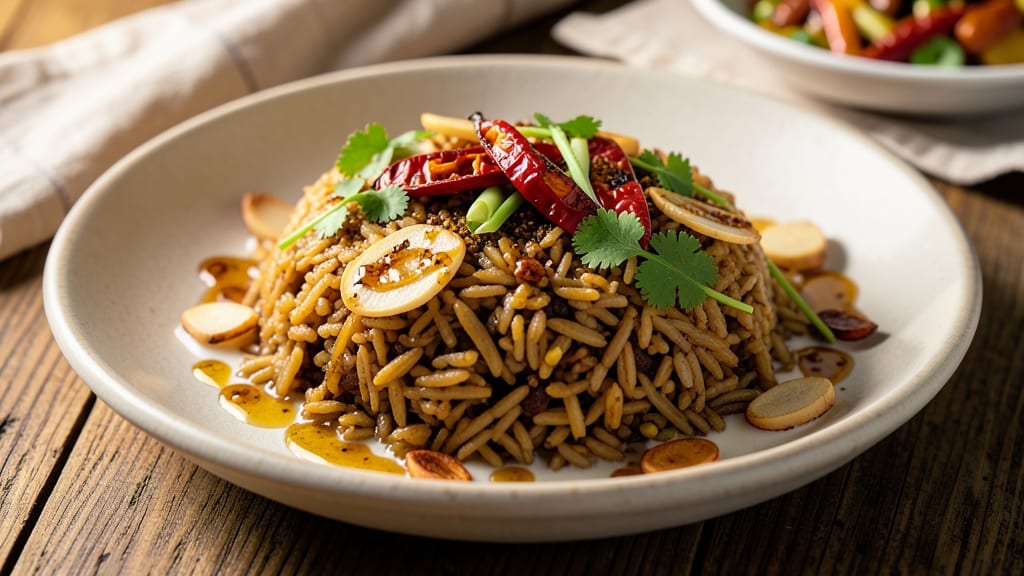
This Caribbean jerk rice recipe brings the bold, smoky flavors of Jamaica to your kitchen with every fragrant grain. 🌶️ The secret lies in toasting the rice until it develops a nutty aroma, then simmering it in a rich blend of coconut milk, jerk seasoning, and aromatic spices like allspice and thyme.
What makes this dish special is the balance—sweet, spicy, and savory all in one bite.
Perfectly cooked jerk rice has a toasted, slightly crispy exterior with tender, flavorful grains inside, infused with the signature smoky jerk heat. This recipe delivers restaurant-quality results at home, whether served alongside jerk chicken, grilled fish, or as a standalone dish.
The aromatic blend of Scotch bonnet peppers, garlic, and ginger creates a complex flavor profile that’s both bold and comforting.
Ingredients for caribbean jerk rice
Toasted rice meets bold spices in this Caribbean-inspired dish—just 13 ingredients for restaurant-quality flavor.
| Ingredient | Amount | Notes |
|---|---|---|
| Long-Grain White Rice 🍚 | 1 ½ cups | Uncooked, rinsed thoroughly |
| Coconut Milk 🥥 | 13 ½ oz | Full-fat, canned preferred |
| Jerk Seasoning 🌶️ | 2 tbsp | Homemade or store-bought blend |
| Scotch Bonnet Peppers 🌶️ | 1 whole | Seeds removed, finely chopped |
| Fresh Ginger 🧄 | 1 tbsp | Grated, not powdered |
| Garlic Cloves 🧄 | 4 cloves | Minced, fresh preferred |
| Allspice Berries 🌿 | 1 tsp | Ground or whole, toasted |
| Fresh Thyme 🌿 | 1 tbsp | Leaves only, chopped |
| Fresh Green Bell Pepper 🧅 | 1 whole | Diced, for balance |
| Olive Oil 🫒 | 2 tbsp | For toasting rice |
| Salt 🧂 | 1 tsp | Kosher or sea salt |
| Black Pepper 🌶️ | ½ tsp | Freshly ground |
| Vegetable Oil 🫒 | 1 tbsp | For cooking |
The jerk seasoning is non-negotiable here. Penzeys or local Caribbean markets carry the best blends—look for ones with allspice, thyme, and Scotch bonnet prominently listed. If you're making your own, toast the spices first for deeper flavor. Coconut milk should be full-fat for richness; Goya or Thai Kitchen brands are reliable. Fresh ginger and garlic are essential—they carry the aromatic backbone of the dish. Grocery store ginger often has tough skin, so peel it well before grating. For the Scotch bonnet, handle with gloves—it's hot stuff!
No jerk seasoning? Mix 1 tsp each of smoked paprika, cumin, and brown sugar as a quick sub. Fresh thyme hard to find? Dried works at half the amount. The green bell pepper balances heat—skip it if you want more spice, but it's worth keeping for that fresh crunch. Coconut milk curdling? Add a pinch of salt to stabilize it. For extra smokiness, char a few allspice berries before grinding them—game changer. And if you're worried about heat, remove Scotch bonnet seeds before chopping.
Rice stays best in an airtight container for 3-4 days—the flavors intensify overnight. Freeze portions for up to 3 months by spreading cooked rice on a tray first to prevent clumping. For reheating, add a splash of water and microwave covered. This dish pairs perfectly with jerk chicken or grilled fish—double the batch if you're feeding a crowd. The leftovers make amazing fried rice the next day!
Why You'll Love This Recipe
- One-Pot Magic: I swear by this recipe after burning rice three times—just toss everything in one pot, stir once, and walk away. The coconut milk and ginger do all the work while you handle the real dinner chaos.
- Flavor Explosion: That jerk seasoning and Scotch bonnet pepper combo? It’s like a warm hug with a kick. The rice soaks up the smoky, spicy goodness while staying tender, and the ginger adds this bright, zesty lift that makes every bite sing.
- Party Ready: Serve it at your next BBQ, potluck, or even a lazy Sunday brunch—it’s bold enough to stand alone but pairs perfectly with grilled chicken or fish. Honestly, I’ve used it for everything from dinner parties to feeding my kids’ soccer team snacks.
- Budget-Friendly Feast: Long-grain rice and coconut milk are cheap staples, and jerk seasoning lasts forever. Plus, it reheats like a dream, so I make a big batch on Sundays and have dinner covered all week—no takeout guilt, just flavor.
Step-by-step instructions for Caribbean jerk rice
Here's how to transform simple rice into a fragrant, spice-kissed masterpiece with deep smoky notes.
🍳 Step 1: Toast the Rice and Build the Flavor Base
Heat the 1 tablespoon vegetable oil in a medium saucepan over medium-high heat. Add the 1.5 cups long-grain white rice and stir constantly for 3-4 minutes until the rice turns a beautiful golden color and you can smell the nutty aroma. This toasting step is crucial—it develops the rice's natural flavors and prevents mushy texture.
Reduce heat to medium and add the 2 tablespoons olive oil, 2 tablespoons jerk seasoning, 1 teaspoon allspice berries, 1 teaspoon salt, and ½ teaspoon black pepper. Stir for 1 minute until the spices bloom and fill your kitchen with that irresistible jerk aroma. The rice should look glossy and well-coated with the oil and spices—this ensures every grain absorbs the flavor.
🥘 Step 2: Sauté the Aromatics
Add the 1 whole Scotch bonnet pepper (seeds removed and finely chopped), 1 tablespoon fresh ginger, 4 cloves garlic, 1 tablespoon fresh thyme, and 1 whole green bell pepper (diced). Cook for 4-5 minutes until the vegetables soften slightly and the garlic becomes fragrant. You'll see the spices deepen in color and smell even more complex—this is where the real flavor magic happens.
Here's the thing—don't rush this step. The vegetables need time to release their natural sweetness and mingle with the jerk spices. If the mixture starts to stick, add 1 tablespoon water to help deglaze the pan while maintaining the flavor concentration.
🍳 Step 3: Add Coconut Milk and Simmer
Pour in the 13.5 oz coconut milk and bring to a gentle boil. Once boiling, reduce heat to low and cover the pan with a tight-fitting lid. Let it simmer for 20 minutes without disturbing it—this is where the rice transforms from raw grains to perfectly cooked, fluffy texture.
After 20 minutes, check the rice. The liquid should be mostly absorbed, but there might still be a little at the bottom. If the rice looks dry before the time is up, add 1-2 tablespoons water and continue cooking. The key is patience—rushing this step leads to undercooked rice or burnt bottoms.
⏰ Step 4: Rest and Fluff to Perfection
Once the rice is tender and the liquid is fully absorbed (after 20-25 minutes total), remove from heat and let it sit covered for 10 minutes. This resting period allows the steam to redistribute, ensuring each grain is perfectly cooked through. Don't skip this step—it's what separates good rice from exceptional rice.
After resting, fluff the rice gently with a fork to separate the grains. You should see individual kernels with a beautiful golden hue and visible specks of jerk seasoning throughout. If the rice is still slightly sticky, that's perfect—it indicates just the right amount of moisture for that authentic jerk rice texture.
Pro Tips For Making Caribbean Jerk Rice
- TOAST THE RICE FIRST: Dump your rice in a dry pot over medium-high heat and stir for 2-3 minutes until it smells nutty and the grains look slightly translucent. This step builds flavor and prevents mushy rice—trust me, skipping it means your dish will taste like plain rice with coconut milk poured over it.
- PEEL THE GINGER THICK: Don’t waste time peeling ginger like it’s an apple. Use a spoon to scrape off just the fibrous skin, leaving the pungent yellow flesh intact. Thicker slices also hold their shape better when simmering, and you’ll get more zing per bite.
- SIMMER THE COCONUT LOW: Once the rice and coconut milk hit the pot, drop the heat to low and keep it there. I’ve seen people let it boil like a soup, and that’s how you end up with broken grains and a watery mess. A gentle simmer for 15-18 minutes is all you need.
- SAVE THE SCOTCH BONNET JUICE: After seeding your Scotch bonnet, don’t toss the leftover pulp—mash it into the pot with the rice. That extra heat and oil from the pepper flesh will deepen the jerk flavor without making the dish unbearably spicy. (Yes, even if you’re serving kids, a little goes a long way.)
Essential equipment for caribbean jerk rice
Must-Have Pot
Start with a heavy-bottomed saucepan—I recommend a 5-quart stainless steel Dutch oven like the All-Clad D5 for even heat distribution. The thick base prevents hot spots that can burn your rice.
For budget-friendly options, a Calphalon nonstick saucepan works well, but avoid cheap nonstick coatings that can release toxins at high heat. 🔥
Jerk Spice Tools
Invest in a mortar and pestle for grinding fresh allspice berries and toasted spices—this makes a noticeable difference in flavor. A microplane is also handy for zesting ginger and garlic.
For pre-made jerk seasoning, I trust Penzeys Caribbean Jerk Seasoning or McCormick Caribbean Seasoning, but always check for Scotch bonnet as the first ingredient. A fine-mesh strainer helps remove seeds from Scotch bonnet peppers safely.
Measuring Essentials
Use a digital kitchen scale for precise measurements of rice and spices—especially when working with small amounts like ½ teaspoon black pepper. A measuring cup set with clear markings ensures you get the exact 13.5 oz coconut milk without guesswork.
For chopping Scotch bonnet peppers, a sharp chef's knife and cutting board are non-negotiable—this pepper is hot enough to sting your eyes if handled improperly!
Heat Control Gear
A thermometer isn't strictly necessary, but a candy thermometer helps monitor the simmering phase—ideal temperature is 195-200°F for perfect rice texture. For stirring, use a wooden spoon to avoid scratching nonstick pans. A tongs comes in handy for fluffing the final rice without crushing the grains.
And don't forget a tight-fitting lid—I use a glass lid so I can peek at the rice without losing steam.
Optional Upgrades
For extra smokiness, a small cast-iron skillet lets you char allspice berries directly over your stovetop flame before grinding. A fine-mesh sieve helps strain coconut milk if you prefer a smoother texture.
And if you're making this often, consider a rice cooker with a steaming basket—models like the Zojirushi NS-ZPC181 let you cook the rice separately before mixing in the jerk flavors for even more control. 💡
Nutrition facts
Frequently asked questions
Can I substitute Scotch bonnet peppers in this jerk rice?
Yes, but with caution! Use half a habanero or 1-2 teaspoons of cayenne pepper for milder heat. For zero spice, omit it entirely—just increase the jerk seasoning by 1 teaspoon to maintain depth. Always handle fresh peppers with gloves to avoid skin irritation.
Why does my jerk rice turn out mushy?
Most likely, you skipped the toasting step or disturbed the rice while cooking. The rice needs to toast for 3-4 minutes first to build flavor and structure. After adding coconut milk, never lift the lid during the 20-minute simmer—steam is what creates that perfect texture.
How do I make this recipe vegetarian?
Easy! Just keep all the jerk seasoning and spices, but replace the Scotch bonnet with 1 teaspoon smoked paprika for depth. Add ½ cup diced bell peppers and ½ cup corn kernels to the sautéed aromatics for extra texture. The coconut milk and jerk flavors still shine through beautifully.
Can I make jerk rice in a rice cooker?
First cook the rice normally, then sauté the jerk seasoning, aromatics, and coconut milk separately in a pot. Mix everything together after the rice is done. For extra flavor, use the rice cooker's "steam" function to infuse the rice with the jerk aromas for 5 minutes after mixing.
What's the best way to reheat jerk rice?
Add 1-2 tablespoons water or coconut milk per cup of rice and microwave on medium power for 1-2 minutes. Stir halfway through. For stovetop reheating, cook on low heat with a splash of liquid, covered, for 3-4 minutes. Never microwave dry—it makes the rice rubbery.