
Side Dishes
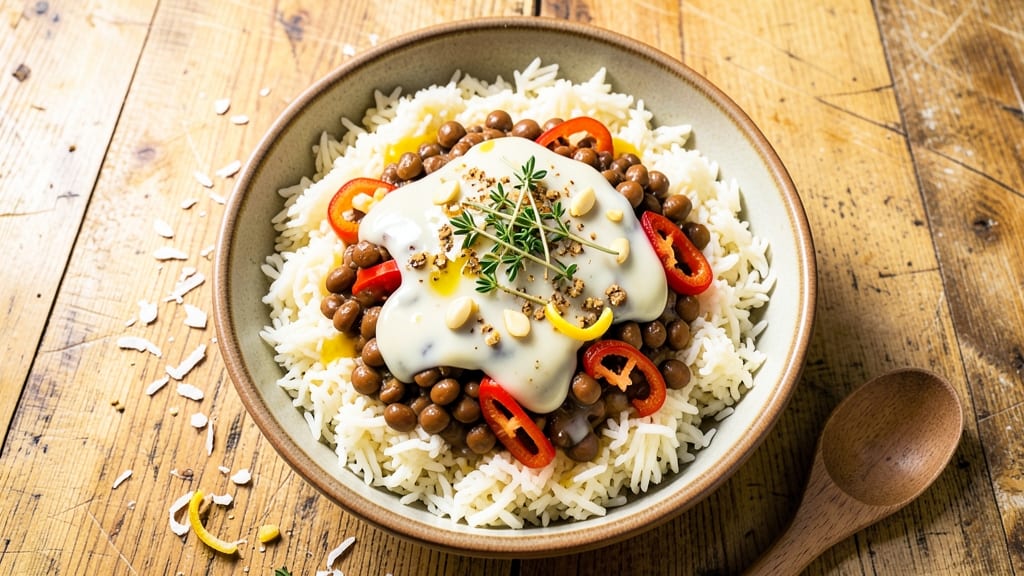
This Caribbean pigeon peas and rice recipe brings the soul-warming flavors of Jamaica and Trinidad to your kitchen, where tender pigeon peas simmer in coconut milk and aromatic spices until they melt into fluffy rice.
The secret lies in the slow cooking—allowing the scotch bonnet, thyme, and garlic to infuse every grain, creating a dish that tastes like a hug from the islands.
Perfectly balanced between creamy coconut richness and bold Jamaican seasoning, this one-pot wonder delivers restaurant-quality comfort without the fuss. The pigeon peas soften just enough to blend seamlessly with the rice, while the coconut milk adds a velvety texture that makes every bite irresistible.
Serve with fried plantains or callaloo for the full Caribbean experience.
Ingredients for caribbean pigeon peas and rice
Caribbean flavors meet slow-cooked comfort in this one-pot rice dish.
| Ingredient | Amount | Notes |
|---|---|---|
| Long-Grain White Rice 🍚 | 1 ½ cups | Uncooked, jasmine or basmati preferred |
| Dried Pigeon Peas 🌱 | 1 ½ cups | Soaked overnight for best texture |
| Coconut Milk 🥥 | 1 can | Full-fat, 13.5 oz can, unsweetened |
| Scotch Bonnet Peppers 🌶️ | 1 whole | Seeds removed for mild heat |
| Garlic Cloves 🧄 | 4 cloves | Minced for aromatic depth |
| Fresh Thyme Sprigs 🌿 | 4 whole | Or 1 tbsp dried thyme |
| Onion 🧅 | 1 whole | Yellow or red, diced |
| Tomato Paste 🍅 | 2 tbsp | High-quality, no sugar added |
| Ground Cumin 🌿 | 1 tsp | Freshly toasted preferred |
| Ground Allspice 🌶️ | ½ tsp | Key for Caribbean flavor |
| Salt 🧂 | 1 ½ tsp | Kosher or sea salt |
| Black Peppercorns 🌶️ | ½ tsp | Freshly ground for best flavor |
| Olive Oil 🫒 | 2 tbsp | Extra-virgin for richness |
| Fresh Cilantro 🌿 | ¼ cup | Chopped, for garnish |
| Lime 🍋 | 1 whole | Juiced, for brightness |
The pigeon peas are the heart of this dish, soaking overnight transforms them from tough to tender. Trader Joe's carries pre-soaked pigeon peas if you're short on time, but nothing beats the texture of properly soaked beans. For the scotch bonnet, Caribbean markets or specialty stores often carry them fresh—if you can't find them, a habanero with seeds removed works in a pinch. The coconut milk should be full-fat for that rich, velvety texture; Goya or Thai Kitchen brands are reliable for consistent quality. Fresh thyme is ideal here, but if you're using dried, toast it lightly in a dry pan first to deepen the flavor.
No scotch bonnet? Jalapeño or cayenne with seeds removed gives a milder kick. Substituting dried thyme? Use one-third the amount and toast it first. The tomato paste can be swapped for 1/4 cup crushed tomatoes if you prefer a chunkier texture. For extra depth, add a pinch of nutmeg or cinnamon—both are common in Caribbean cooking. The rice should be long-grain, but jasmine or basmati add that extra floral note that pairs beautifully with the coconut. If you're making this ahead, the flavors actually improve overnight as everything melds together.
This dish reheats beautifully—just add a splash of water or coconut milk if it's dried out. Keeps for 4-5 days in the fridge, and freezes well for up to 3 months. I like to portion it into containers with a lime wedge on top for easy lunches. The lime juice should be added fresh at the end—it brightens everything up and prevents the coconut from turning rancid. Store the coconut milk in the fridge after opening, and use it within 5 days for best flavor.
Why You'll Love This Recipe
- One-Pot Magic: I swear by this recipe when I’m too tired to scrub pans—just soak the pigeon peas overnight (or use canned in a pinch), dump everything into one pot, and let the coconut milk and garlic work their flavor spell. No fuss, no stress, and the rice comes out perfectly tender every time.
- Heat with Depth: That Scotch bonnet isn’t just for show—it brings a slow-building warmth that lingers without overpowering. The garlic and coconut milk create this rich, earthy-sweet base, while the peas add a satisfying texture. Honestly, the first bite makes me forget I’m not in Jamaica.
- Meal Prep MVP: This keeps like a dream for four days in the fridge, so I make it on Sundays and portion it out for lunches. The flavors actually get better as it sits—more complex, more cohesive. (Yes, even on a Tuesday night when I’m craving something familiar.)
- Pocketbook Hero: Dried pigeon peas are cheap, and a can of coconut milk stretches across multiple meals. I feed my whole family for under $10, and the leftovers? They’re the reason I don’t order takeout. Plus, the rice stretches forever—no wasted grains here.
Step-by-step instructions for Caribbean pigeon peas and rice
Transform simple ingredients into a fragrant, spice-infused dish that captures the heart of Caribbean cuisine.
Soak and Prepare the Pigeon Peas
Place the 1.5 cups dried pigeon peas in a large bowl and cover them with plenty of water—at least 4 cups—to ensure they're fully submerged. Soak overnight or for a minimum of 8 hours to soften them properly. This step is crucial for achieving the tender texture characteristic of traditional Caribbean dishes.
After soaking, drain the peas and rinse them thoroughly under cold water. This removes any excess starch that could make the final dish gummy. I like to give them a quick visual check at this stage—if they look plump and swollen, they're ready for cooking. If you're short on time, you can use a pressure cooker to reduce soaking time to 2 hours, but overnight soaking yields the best texture.
Build the Flavor Base
Heat the 2 tablespoons olive oil in a large pot over medium heat. Add the 1 whole onion, diced, and cook for 5-6 minutes until it becomes translucent and just begins to soften. This is where the aromatic foundation of your dish begins to develop.
Add the 4 cloves minced garlic and cook for 30 seconds until fragrant—don't let it brown, or it will turn bitter. Stir in the 2 tablespoons tomato paste, letting it cook for 1 minute to deepen its flavor. This paste will form the rich, slightly sweet base that ties all the spices together. Now add the 1 whole Scotch bonnet pepper (seeds removed), 1 teaspoon ground cumin, ½ teaspoon ground allspice, 1½ teaspoons salt, and ½ teaspoon freshly ground black pepper. Stir constantly for 1 minute to toast the spices and release their aromatic oils.
Combine and Simmer the Peas
Add the drained pigeon peas and 1 can coconut milk to the pot. Stir well to combine everything with the spice mixture. Bring the mixture to a gentle boil, then reduce the heat to low and cover the pot. Let it simmer for 45-60 minutes, stirring occasionally to prevent sticking. The peas should become tender and the liquid should reduce slightly, creating a thick, flavorful base.
Here's where patience pays off—the longer you simmer, the deeper the flavors develop. You'll know it's ready when the peas are fork-tender and the sauce has thickened to a creamy consistency. If the liquid reduces too much, add ½ cup water to maintain the proper texture. This step is the soul of your dish, where all the Caribbean warmth comes together.
Prepare the Rice
While the peas simmer, rinse the 1½ cups long-grain white rice under cold water until the water runs clear. This removes excess starch that could make the rice mushy. In a separate pot, bring 3 cups water to a boil and add ½ teaspoon salt. Stir in the rice and reduce the heat to low, then cover the pot. Cook for 15 minutes without lifting the lid—this steaming method ensures perfectly fluffy grains.
After 15 minutes, turn off the heat and let the rice sit covered for 5 minutes. This resting period allows the steam to redistribute, resulting in grains that are separate and light. Fluff the rice gently with a fork before serving. The rice should be tender but still have a slight bite—this is the perfect texture for pairing with the rich pigeon peas.
Combine and Finish
Once the peas are tender and the rice is cooked, carefully transfer the peas to a serving dish. Gently fold in the 4 whole fresh thyme sprigs and let them infuse the dish with their earthy aroma. Spoon the fluffy rice over the peas, creating a beautiful contrast of colors and textures. Finish with the ¼ cup chopped fresh cilantro and the juice of 1 whole lime. The bright acidity of the lime cuts through the richness of the coconut and spices, balancing the dish perfectly.
Let the dish rest for 5 minutes before serving. This allows the flavors to meld and the rice to absorb any remaining juices. Serve immediately with warm crusty bread or a simple green salad to complement the hearty flavors. The combination of tender peas, fragrant rice, and aromatic spices will transport you straight to the Caribbean with every bite.
Pro Tips For Making Caribbean Pigeon Peas And Rice
- SOAK PEAS OVERNIGHT: I used to skimp on this, but trust me—soaking dried pigeon peas for 12+ hours (or at least 8) cuts cooking time by half and prevents that gummy texture. Rinse them once before cooking, even if they look fine; it removes any lingering grit that’ll turn your pot into a sandpaper situation.
- TOAST THE PEAS: Dry the soaked peas thoroughly, then hit them with a quick sear in oil over medium heat for 2–3 minutes until they darken slightly. This deepens their nutty flavor and keeps them from disintegrating later—no, they won’t be crispy, but they’ll hold their shape like they’re supposed to.
- SIMMER, DON’T BOIL: After adding coconut milk and liquid, the peas need a gentle simmer—not a rolling boil. Too much heat turns the milk grainy and makes the peas mushy. Keep it at a low bubble, stirring occasionally, and resist the urge to crank the heat when you’re impatient.
- GARLIC FIRST, PEPPER LATER: Sauté the garlic in oil until it’s golden (not burned) before adding anything else—this builds flavor. Hold off on the Scotch bonnet until the very end; cooking it too long turns it bitter and smokes up your kitchen. Toss it in raw for a proper kick, then remove the seeds if you’re sensitive.
Dietary considerations for these flavors
Gluten-Free Adaptations
This dish is naturally gluten-free since it relies on rice, coconut milk, and fresh ingredients—no wheat or gluten-containing additives are required. Just ensure your tomato paste and spices (like ground cumin or allspice) are certified gluten-free, as some brands may process them in shared facilities.
I always check labels on Goya tomato paste or Penzeys spices to confirm. 🌱
Vegetarian-Friendly
Pigeon peas are a plant-based protein powerhouse, making this dish inherently vegetarian. The coconut milk and rice provide complete protein when combined, so no animal products are needed. For extra protein, stir in ½ cup cooked lentils or 1 cup chickpeas during the simmering phase.
These additions blend seamlessly with the peas and rice while keeping the dish hearty and satisfying. 🥗
Low-Fat Options
To reduce fat content, use light coconut milk (like Thai Kitchen's version) instead of full-fat, cutting calories by about 200 per serving. Skip the olive oil entirely and sauté the onions in 1 teaspoon coconut milk instead.
The dish will still be creamy thanks to the natural richness of the peas and spices. Just be mindful that the texture may be slightly lighter. 🥥
Protein Boost
For a high-protein twist, add ½ cup cooked quinoa or ½ cup black beans to the rice mixture. These ingredients absorb the coconut-spice sauce beautifully while adding fiber and plant-based protein.
I like to use cannellini beans for their mild flavor and creamy texture—they disappear into the dish without overpowering it. 💪
Allergen Awareness
This recipe contains coconut milk, so it's not safe for those with coconut allergies. For substitutions, use full-fat Greek yogurt (thinned with water) or cashew cream (blended soaked cashews + water) to replicate the creaminess.
Always check labels on spices and tomato paste for potential soy or sulfite allergens, which can sometimes be present in processed ingredients. 🚨
Kid-Friendly Adjustments
For picky eaters, reduce the Scotch bonnet pepper to ½ teaspoon seeds removed, or swap it for ½ teaspoon mild paprika. Add ½ cup diced sweet potatoes to the rice for natural sweetness that kids love.
Serve with steamed broccoli or carrot sticks to balance the meal. The coconut milk's mild sweetness often wins over hesitant young palates. 👶
Nutrition facts
Frequently asked questions
Can I substitute pigeon peas with black-eyed peas?
While black-eyed peas will work in a pinch, they won't give you the same authentic Caribbean flavor. Pigeon peas (or gungo peas) have a creamier texture and earthier taste that's key to this dish. If you must substitute, use 1 cup dried butter beans instead, but soak them for 12 hours and simmer for 10-15 minutes longer to achieve similar tenderness.
Why does my pigeon pea rice taste too salty?
This usually happens when the peas absorb too much salt during soaking or when adding extra salt while cooking. Start by rinsing soaked peas thoroughly before cooking, and taste the mixture at 30 minutes of simmering. If needed, add ½ cup water to dilute the saltiness. For future batches, reduce the initial salt to 1 teaspoon and adjust to taste at the end.
How do I make this dish in a rice cooker?
Use the same ingredients but adjust the cooking method: Sauté the onions, garlic, and spices in a separate pot first, then add everything (except rice) to the rice cooker. Cook on the "bean" setting for 30 minutes before adding 1½ cups rice and 2 cups water. Cook on the "rice" setting for 20 minutes, then let it rest for 10 minutes before fluffing. The rice cooker's even heat distribution keeps flavors balanced.
Can I make this dish without coconut milk?
Yes, but the texture will be lighter. Replace the coconut milk with 1 cup chicken or vegetable broth plus ½ cup Greek yogurt (for creaminess). For a dairy-free option, use 1 cup blended silken tofu mixed with ¼ cup water. The dish will still be flavorful, though the traditional Caribbean richness will be slightly reduced.
How long can I store leftovers?
Store leftovers in an airtight container in the fridge for 4-5 days. The flavors actually improve overnight as the spices meld further. For longer storage, freeze portions for up to 3 months. Reheat gently on the stove with a splash of water or coconut milk to restore moisture. Never microwave directly from frozen—thaw in the fridge first.