
Main Courses
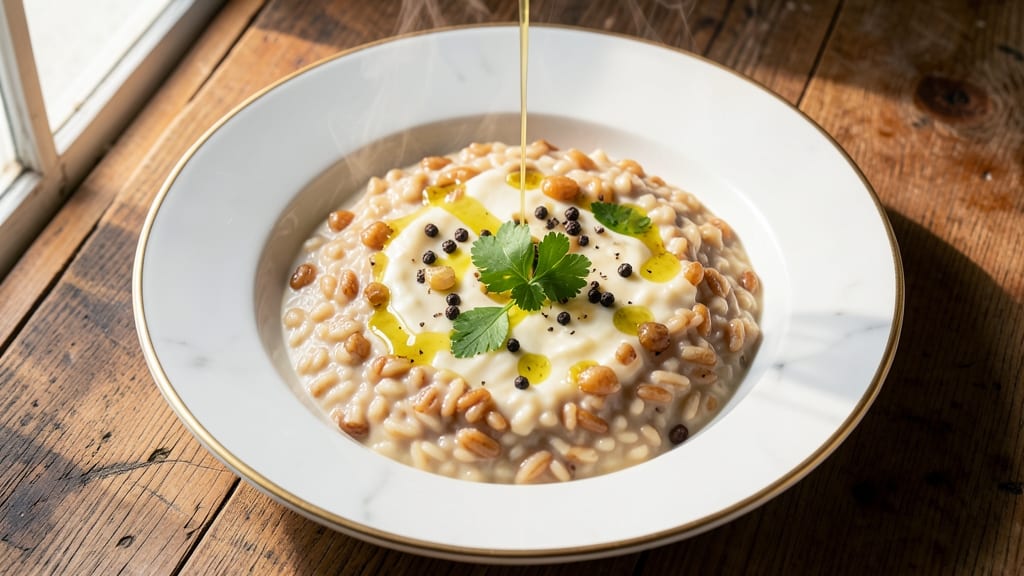
Carnaroli rice risotto transforms simple ingredients into a luxurious dish with its signature creamy texture and delicate al dente bite. The secret lies in gradual toasting and constant stirring—techniques that develop the rice's natural starches into velvety perfection. This Italian classic requires patience, but the result is worth every minute of attention.
What sets Carnaroli apart is its high starch content, which creates that coveted creaminess without heavy cream. Start by toasting the rice in olive oil until golden, then deglaze with white wine before adding warm broth gradually.
The key is maintaining a gentle simmer, stirring frequently to release the rice's natural flavors. By the final minutes, you'll achieve that signature creamy consistency with a subtle crunch from perfectly toasted grains.
Ingredients for carnaroli rice risotto
Twelve essential ingredients transform into luxurious Carnaroli risotto with velvety creaminess and toasted crunch.
| Ingredient | Amount | Notes |
|---|---|---|
| Carnaroli Rice 🍚 | 1 ½ cups | High starch content preferred |
| Extra-Virgin Olive Oil 🫒 | ⅓ cup | For initial toasting |
| Shallots 🧅 | 2 whole | Finely minced for base |
| Garlic Cloves 🧄 | 3 cloves | Peeled and minced |
| Dry White Wine 🍷 | ½ cup | Bold variety preferred |
| Vegetable Broth 💧 | 4 ½ cups | Warm, homemade preferred |
| Parmesan Cheese 🧀 | ½ cup | Freshly grated from block |
| Unsalted Butter 🧈 | 2 tbsp | Cold for final finish |
| Fresh Thyme Leaves 🌿 | ¼ cup | Chopped for aroma |
| Diamond Crystal Kosher Salt 🧂 | 1 ½ tsp | Adjust to taste |
| Black Peppercorns 🌶️ | ½ tsp | Freshly cracked |
| Chicken Stock Concentrate 🍲 | ½ oz | Optional for depth |
Carnaroli rice is non-negotiable here—its high starch content creates that signature creaminess. Look for it in Italian specialty stores or well-stocked grocery chains like Whole Foods. The Parmigiano-Reggiano wedge from the deli counter is worth the splurge for that authentic nutty finish. Fresh thyme matters too; dried won't give the same aromatic punch. For the broth, homemade is ideal, but Pacific Foods or Knorr granules work in a pinch. The key is keeping it warm—never boiling—throughout the cooking process.
No white wine? Substitute extra vegetable broth and add a splash of lemon juice for brightness. Fresh thyme unavailable? Dried at one-third the amount suffices. The chicken stock concentrate is optional but adds depth—Better Than Bouillon works if you're avoiding full stock. For a vegetarian version, simply omit it entirely. The butter should be cold when adding at the end to create those signature ribbons of fat. And never skip the toasting step—those golden grains are what give risotto its signature texture.
Risotto reheats poorly, so make only what you'll eat fresh. Store any leftovers in an airtight container for up to 2 days—it's best enjoyed immediately. The Parmesan wedge keeps for weeks wrapped in parchment, while fresh thyme lasts 5 days wrapped in damp paper towels. Freezing isn't recommended as it alters the texture. For meal prep, consider making a double batch and using it as a base for other dishes—this risotto transforms beautifully into risotto cake or stuffed shells.
Why You'll Love This Recipe
- No-Fuss Technique: I swear by this method—just toast the rice in olive oil until it’s golden, then let the wine and broth work their magic. No constant stirring, no stress. The Carnaroli holds its shape like a dream, so you don’t even need to worry about mush.
- Umami Bomb: That moment when the shallots caramelize and the garlic hits? Chef’s kiss. The wine deglazes everything into a rich, savory base—no fancy add-ins needed. It’s the kind of flavor that makes you pause mid-bite.
- Weeknight to Dinner Party: Same recipe, different vibes. Toss in mushrooms for a cozy Tuesday, or add a splash of truffle oil for a fancy Friday. Honestly, I’ve served it to both my book club and my lazy Sunday brunch crew—no one ever questions the simplicity.
- Leftovers That Don’t Suck: Most risotto turns to glue overnight, but Carnaroli? It stays creamy and separate, perfect for reheating with a splash of broth. I’ve turned day-old portions into fried rice or stuffed peppers—zero waste, all flavor.
Step-by-step instructions for perfect Carnaroli risotto
Mastering risotto is about patience and precision—this method delivers velvety texture with a toasted crunch.
Toast the Carnaroli Rice and Aromatics
Heat the 0.33 cup extra-virgin olive oil in a wide, heavy-bottomed pot over medium heat. Add the 2 whole shallots and 3 cloves garlic cloves, cooking for 4-5 minutes until the shallots soften and turn translucent without browning. This gentle cooking releases their sweetness without bitterness.
Add the 1.5 cups Carnaroli rice, stirring constantly for 2 minutes until the grains turn opaque and develop a slight golden hue. This toasting step builds flavor and prevents gummy texture. The rice should smell nutty and toasted—this is your signal to proceed. If it browns too quickly, reduce the heat slightly to maintain even cooking.
Deglaze and Incorporate Wine
Pour in the 0.5 cup dry white wine, stirring vigorously to incorporate the rice and dissolve any fond from the bottom of the pot. Let it simmer until fully evaporated—this typically takes 3-4 minutes. The wine's acidity brightens the dish and prepares the rice to absorb the broth.
Here's the thing—don't rush this step. The wine must completely cook off before adding broth, or your risotto will develop a raw, alcoholic edge. You'll see the rice begin to release starch, which is when the magic starts happening. This is also when you'll notice the rice nearly doubling in volume—it's ready for the next phase.
Cook the Risotto Al Dente
Add 1 cup of the warm vegetable broth and stir gently. Bring to a gentle simmer, then reduce heat to medium-low to maintain a steady bubble at the surface. Stir occasionally—every 2-3 minutes—to prevent sticking. The goal is to let the rice absorb the broth slowly while maintaining a creamy consistency.
Continue this process, adding 1 cup broth at a time, until the rice is al dente (after about 18-20 minutes total). You'll know it's ready when the rice grains are tender but still have a slight bite in the center. If the risotto looks too dry before reaching this point, add a splash of warm water instead of broth to maintain the creamy texture.
Finish with Butter, Cheese, and Aromatics
Remove the pot from heat and stir in the 2 tbsp unsalted butter and 0.5 cup Parmesan cheese until fully melted and incorporated. The butter adds richness, while the cheese provides a salty, umami depth. Add the 0.25 cup fresh thyme leaves, 1.5 tsp Diamond Crystal kosher salt, and 0.5 tsp black peppercorns, stirring well to distribute.
For the final touch, I like to incorporate the 0.5 oz chicken stock concentrate if using—this adds a savory depth that elevates the dish. The risotto should now be luxuriously creamy with a slight sheen from the butter and cheese. If it's too thick, loosen with a splash of warm broth. The texture should be velvety, coating the back of a spoon with resistance.
Rest and Serve Immediately
Let the risotto rest for 2-3 minutes off the heat. This brief resting period allows the starches to fully set, ensuring each bite is perfectly creamy. Serve immediately in warm bowls, garnished with additional fresh thyme leaves and a sprinkle of Parmesan cheese. The contrast between the creamy risotto and the toasted rice grains creates the ideal texture profile.
Real talk: Risotto doesn't reheat well, so serve it fresh. The first bite should deliver a perfect balance of creamy, cheesy richness with a subtle toasted crunch from the Carnaroli rice. Each spoonful should feel luxurious, with layers of flavor from the shallots, garlic, and thyme. If you've followed these steps, you've just made restaurant-quality risotto at home.
Pro Tips For Making Carnaroli Rice Risotto
- STIR LIKE YOUR LIFE DEPENDS ON IT: After the wine deglazes, don’t just poke the rice—agitate it constantly with a wooden spoon. I learned this the hard way when my risotto turned into a gluey mess because I got distracted. Keep those grains moving so they absorb the liquid evenly and develop that creamy texture without sticking.
- TOAST THE RICE UNTIL GOLDEN: Heat the olive oil over medium-high until it shimmers, then add the Carnaroli rice and stir for 2 full minutes. You’re not just pre-cooking—you’re developing nutty depth. Skip this, and your risotto will taste flat. (Yes, even if you’re impatient like me.)
- USE COLD WINE, NOT ROOM TEMP: Pour that chilled white wine over the rice in one go—it’ll shock the heat and prevent a sudden, uneven cook. I was skeptical until I tried it: the rice absorbs the liquid more evenly, and the acidity brightens instead of dulling the flavor.
- CHECK DONENESS WITH THE GRAIN TEST: When the rice looks nearly done, taste it—it should still have a slight bite. If it’s mushy, you’ve overcooked. The secret’s in the timing: Carnaroli needs about 18 minutes total, but the last 5 minutes are critical. Don’t rush the final stir with broth—let it sit, covered, for 2 minutes off heat. (Your future self will thank you.)
Storing and reheating this recipe
Refrigerator Storage
Risotto is best enjoyed fresh, but if you must store leftovers, transfer to an airtight container within 2 hours of cooking. Store in the refrigerator at 40°F or below for up to 2 days.
The texture will change—expect a denser, slightly drier consistency—but it’s still delicious. I recommend reheating small portions rather than the whole batch to maintain quality. 🥄
Freezer Considerations
Freezing risotto isn’t ideal due to texture changes, but if you’re determined, portion into freezer-safe containers and freeze for up to 1 month. Thaw overnight in the fridge, then reheat gently.
The creamy texture will separate slightly, but it’s perfect for risotto cakes or stuffed shells. For best results, freeze only the cooked rice portion without the butter and cheese. ❄️
Reheating Methods
For refrigerator-stored risotto, reheat in a heavy-bottomed pot over medium-low heat with 2-3 tablespoons of warm broth to restore creaminess. Stir frequently to prevent sticking and avoid boiling. If using a microwave, cover with a damp paper towel and heat in 30-second intervals, stirring between each.
The goal is to reach 165°F—never let it boil dry. 🔥
Reviving Texture
If reheated risotto is too thick, loosen with a splash of warm broth or water (about 1 tablespoon at a time). For extra richness, stir in 1 tablespoon of cold butter or a sprinkle of Parmesan cheese at the end.
The key is patience—rush it, and you’ll risk a gummy mess. A quick stir with a fork while warm helps restore some of that velvety sheen. ✨
Meal Prep Hacks
Make risotto in small batches for freshness—it’s easier to reheat 1-2 servings than a full pot. Store broth separately and reheat alongside the risotto for a restaurant-style experience.
For a make-ahead option, cook the rice al dente, then refrigerate before finishing with butter and cheese later. This keeps the texture intact longer. 💡
Serving Leftovers
Transform leftover risotto into risotto cake by spreading it on a baking sheet, chilling for 1 hour, then baking at 350°F for 15-20 minutes until firm. Alternatively, stuff into halved tomatoes or bell peppers and bake for 10 minutes to reheat.
Garnish with fresh herbs or extra cheese to elevate the dish. Leftovers taste best when repurposed creatively! 🌟
Nutrition facts
Frequently asked questions
Why does Carnaroli rice make better risotto than Arborio?
Carnaroli rice has a higher starch content than Arborio, which creates that signature creamy texture without needing heavy cream. Its larger grains also stay firmer, giving risotto that perfect al dente bite with a velvety finish. The extra starch releases more gradually, making it ideal for creamy results.
Can I substitute white wine with something else?
Yes! If you're out of white wine, use an equal amount of dry vermouth or apple cider vinegar diluted with water. For a non-alcoholic option, try white grape juice or extra broth with a splash of lemon juice. The key is acidity to brighten the dish.
How do I know when risotto is done?
Perfect risotto should be al dente—tender but with a slight bite in the center. The grains should be creamy but still distinct, not mushy. Taste a grain—it should be soft but not falling apart. If it looks dry before reaching this point, add a splash of warm broth. The texture should coat the back of a spoon with resistance.
What if my risotto turns out too thick?
Don't panic! Stir in 1-2 tablespoons of warm broth or water to loosen it. For extra richness, add a pat of cold butter or a sprinkle of Parmesan at the end. The key is patience—rush it, and you'll risk a gummy mess. Stirring gently while warm helps restore that velvety sheen.
Can I make risotto ahead of time?
Risotto is best enjoyed fresh, but you can prep it partially. Cook the rice al dente, then refrigerate before finishing with butter and cheese later. For make-ahead options, store the cooked rice portion (without butter/cheese) in an airtight container for up to 2 days. Reheat gently with broth to restore creaminess.