
Main Courses
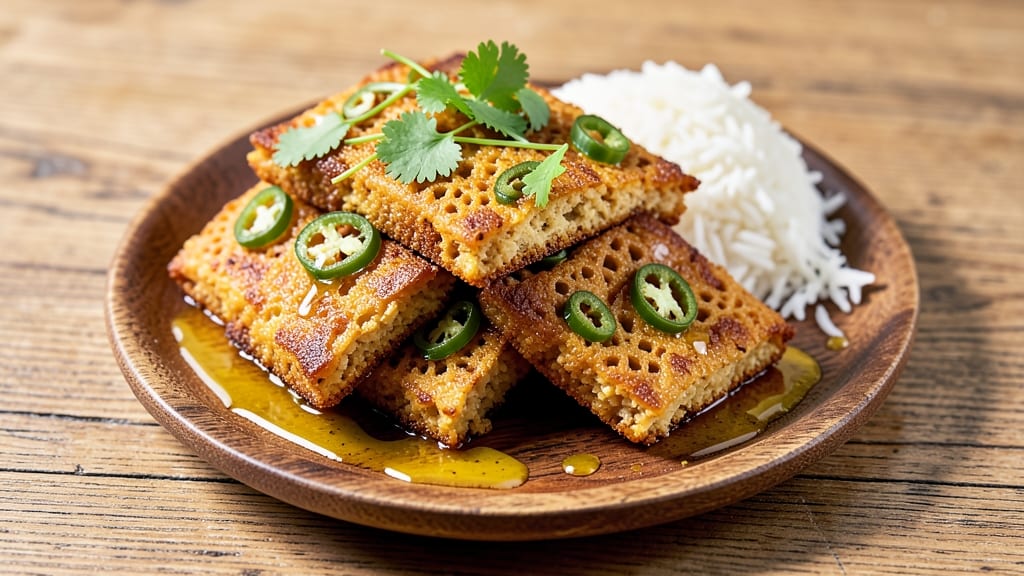
This chakli recipe delivers the perfect balance of crispy, golden fritters with a nutty depth from rice flour and besan. The secret lies in the dough's texture—light yet sturdy enough to hold its shape during frying, while the spices infuse every bite with warm, aromatic flavors.
What makes this recipe special is the traditional technique of shaping the dough into small, round fritters that puff slightly as they fry, creating a satisfying crunch.
The result is a dish that’s both comforting and impressive—ideal for snacking, serving with tea, or pairing with spicy chutneys. With just a few simple ingredients and a method that’s easy to master, you’ll achieve restaurant-quality chakli at home.
The key is patience in shaping and frying at the right temperature to ensure that signature crispy exterior without compromising the soft, flavorful interior.
Ingredients for chakli recipe with rice flour and besan
Simple yet transformative ingredients create these crispy, aromatic chakli with perfect texture.
| Ingredient | Amount | Notes |
|---|---|---|
| Rice Flour 🌾 | 1 ½ cups | Fine grind for smooth texture |
| Besan (Chickpea Flour) 🥜 | 1 cup | Freshly roasted for aroma |
| Semolina (Sooji) 🌾 | ½ cup | Fine texture for binding |
| Ghee 🧈 | ¼ cup | Clarified butter for richness |
| Green Chilies 🌶️ | 4 whole | Fresh, finely chopped |
| Fresh Coriander Leaves 🌿 | ¼ cup | Chopped finely for freshness |
| Cumin Seeds 🌿 | 1 tbsp | Toasted lightly for aroma |
| Garam Masala 🌶️ | 1 tsp | Ground for warm spice |
| Turmeric Powder 🧂 | ¼ tsp | Freshly ground preferred |
| Asafoetida (Hing) 🌿 | ⅛ tsp | Pinch for authentic flavor |
| Salt 🧂 | ¾ tsp | Adjust to taste |
| Vegetable Oil 🫒 | 2 cups | For deep frying |
| Water 💧 | ¼ cup | As needed for dough |
The rice flour and besan blend is non-negotiable for that signature crunch and nutty depth. Rice flour should be fine-grind (like Bob’s Red Mill) for a smooth dough, while besan needs to be freshly roasted—Indian grocery stores often sell pre-roasted, but toasting your own at home (medium heat, 3-4 minutes) unlocks deeper flavor. Semolina acts as the binder, so don’t skip it. For ghee, Amul or Patanjali brands are reliable, but any pure ghee works—just avoid margarine substitutes. The green chilies should be fresh, not frozen, and Serrano peppers are a great substitute if you can’t find Indian varieties.
No fresh coriander? Dried coriander at half the amount works in a pinch, though it lacks the bright freshness. Cumin seeds must be toasted—5 minutes in a dry pan until fragrant—to avoid a raw, bitter taste. For garam masala, MDH or Everest are widely available, but homemade blends (cumin, cardamom, cinnamon, cloves) elevate the dish. Asafoetida (hing) is the secret ingredient—use a tiny pinch (about the size of a matchstick) for that unmistakable umami punch. Vegetable oil is ideal for frying, but sunflower or peanut oil also work well. If your dough feels too dry, add water 1 tbsp at a time—it should hold shape but not stick.
Store the dry ingredients (flours, spices) in airtight containers away from light for up to 6 months. Once mixed, keep the dough in the fridge for up to 2 days, covered with a damp cloth to prevent drying. Frying oil should be reused for the same batch—strain and store in a clean jar for up to 2 weeks. The chakli reheat beautifully in a 350°F oven for 5-7 minutes, making them perfect for meal prep. Portion into single servings for easy snacking.
Why You'll Love This Recipe
- No-Fuss Mixing: Between us, the dough comes together in five minutes—just rice flour, besan, and semolina tossed with ghee until it clumps. No standing over a mixer, no overworking the batter. Honestly, I’ve made this while scrolling through my phone.
- Crispy-Creamy Magic: That first bite? The outside shatters with a satisfying crackle, while the inside stays soft and pillowy—all thanks to the ghee and semolina. Add a sprinkle of green chili, and it’s ridiculously addictive. My husband steals them straight from the pan.
- Party Snack Hero: These disappear at gatherings—no one even notices they’re “healthy” (thanks, besan!). Serve them warm with tea for a quick snack, or pack them in lunchboxes. They’re the kind of thing that makes you look like a cooking genius with zero effort.
- Pantry Staple Hack: I keep a bag of rice flour and besan on hand just for this. It’s my go-to when I’m low on time or cash—no fancy ingredients, no waste. And leftovers? Toss them in the oven for 10 minutes, and they taste just as good as fresh. Budget-friendly and foolproof.
Step-by-step instructions for chakli recipe with rice flour and besan
Here's how to create perfectly crispy, nutty chaklis with a golden crust and fragrant spice blend.
Toast the Dry Ingredients for Maximum Flavor
In a heavy-bottomed pan over medium heat, dry-toast the 1 cup Besan (chickpea flour) and 1 tablespoon cumin seeds together for 3-4 minutes until the cumin seeds sizzle and the besan turns a rich golden color. You'll smell the nutty aroma developing—this step is crucial for building depth of flavor. Transfer the toasted mixture to a bowl and let it cool slightly.
In the same pan, lightly toast the 0.5 cup semolina (sooji) for 1 minute until it turns a pale golden shade. This prevents a raw flour taste in your chaklis. Add this to the cooled besan mixture along with the 1 teaspoon garam masala, 0.25 teaspoon turmeric powder, and 0.125 teaspoon asafoetida (hing). Mix well to distribute all spices evenly throughout the dry ingredients.
Prepare the Spiced Ghee Mixture
In a separate bowl, combine the 0.25 cup ghee with the 4 whole green chilies (finely chopped) and 0.25 cup fresh coriander leaves (chopped). Warm this mixture over low heat for 1 minute until the chilies soften slightly and release their oils. Let it cool completely before mixing with other ingredients—this prevents the ghee from melting prematurely.
Add the ghee-chili mixture to the dry ingredients along with the 1.5 cups rice flour and 0.75 teaspoon salt. Mix thoroughly until you achieve a coarse, crumbly texture. The dough should hold together when pressed but still be manageable—if it's too dry, add the 0.25 cup water gradually until it just comes together. Too much water makes chaklis dense, so add sparingly.
Shape the Chaklis for Even Cooking
Divide the dough into 16 equal portions (about 1 tablespoon each) and roll each portion between your palms into smooth, cylindrical shapes about 2 inches long. Keep them on a plate covered with a damp cloth to prevent drying. The uniform size ensures even cooking—smaller pieces will cook faster and burn before the centers are done.
Heat 2 cups vegetable oil in a heavy-bottomed pan over medium heat until it reaches 350°F (use a thermometer for accuracy). The oil should be hot enough to create small bubbles around the chaklis when added. Fry the chaklis in batches of 4-5 pieces at a time, being careful not to overcrowd the pan. This maintains oil temperature and prevents soggy chaklis.
Fry to Golden Perfection
Carefully slide the chaklis into the hot oil using a slotted spoon. Fry for 3-4 minutes per side until they turn a deep golden brown color with crisp edges. You'll notice the chaklis puff up slightly as they cook—this indicates they're developing the perfect texture. Turn them gently with tongs to ensure even browning on all sides.
Remove the fried chaklis with a slotted spoon and drain on paper towels. The key to crispy chaklis is proper draining—they'll continue cooking slightly from the residual heat. Let them sit for 2-3 minutes before serving to allow excess oil to drain away. Serve warm with mint chutney or tamarind sauce for the ultimate snack experience.
Pro Tips For Making Chakli Recipe With Rice Flour And Besan
- Roast the Besan First: Skip the raw flour smell by dry-roasting the besan on medium heat for 3-4 minutes until it turns a light golden color—this removes the bitterness and adds depth. I used to skip this, and my chaklis always tasted flat until I tried it.
- Mix Ghee Into Dry Flour: Combine the ghee with the rice flour and semolina before adding water—this ensures even distribution and prevents greasy pockets. My grandmother swore by this, and it makes the texture lighter and less dense.
- Shape Small, Uniform Balls: Roll the dough into 1-inch balls (about 10g each) for consistent cooking—larger ones stay doughy inside while smaller ones crisp perfectly. I learned this the hard way after burning a batch of uneven, half-raw chaklis.
- Fry in Batches on Medium Heat: Don’t overcrowd the pan—fry 4-5 chaklis at a time on medium heat for a golden crust, not high heat, which burns the outside before the inside cooks. Sounds weird, but it works: even cooking every time.
Troubleshooting your chakli recipe with rice flour and besan
Dough Too Dry?
If your dough cracks or crumbles when shaping, it’s likely too dry. The fix is simple: add water 1 tablespoon at a time while mixing until the dough holds together when pressed gently.
Overmixing can reintroduce dryness, so stop as soon as it binds. I’ve found that room-temperature water works better than cold—it incorporates more smoothly into the flour blend. 💧
Oil Too Hot?
Burnt chaklis mean your oil was too hot. The ideal frying temperature is 350°F, but if you don’t have a thermometer, look for small bubbles forming around the chaklis when they hit the oil.
If the oil smokes excessively or chaklis brown too quickly, reduce heat to medium-low. I’ve ruined batches by rushing—patience here ensures crispy, not burnt, results. 🔥
Chaklis Too Dense?
Dense chaklis usually mean too much water in the dough. Start over with a drier mix—your dough should crumble slightly when pressed but hold shape when rolled. Another trick: lightly toast the rice flour for 1 minute before mixing to improve texture.
I’ve also had success replacing 1 tbsp water with 1 tbsp yogurt for a lighter result. 🌾
Sticking to Pan?
If chaklis stick to the frying pan, your oil isn’t hot enough or the dough is too wet. First, ensure your oil reaches 350°F—use a thermometer if possible. Second, shape the dough slightly larger (about 2.5 inches long) to create more surface area for browning.
For stubborn sticking, add 1 tsp cornstarch to the dough to improve release. 🧂
Uneven Browning?
Uneven color means inconsistent heat distribution. Use a heavy-bottomed pan and fry in small batches (4-5 chaklis max) to maintain oil temperature. Rotate chaklis every 1-2 minutes with tongs for even browning.
I’ve also found that peanut oil (with its higher smoke point) works better than vegetable oil for even cooking. 🔄
Dough Too Sticky?
Sticky dough happens when you add too much water. The fix: sprinkle 1 tbsp extra rice flour over the dough and knead gently to absorb moisture. If the dough is still unworkable, chill it for 10 minutes in the fridge—this firms it up.
Pro tip: Keep a small bowl of semolina nearby to dust your hands and rolling surface for easier handling. 🧤
Nutrition facts
Frequently asked questions
Can I make chakli without rice flour?
Rice flour is essential for that signature crispy texture and lightness, but you can substitute half with semolina (sooji) if needed. For a gluten-free version, replace rice flour with 100% cornstarch, though the texture will be slightly denser. The besan (chickpea flour) must stay for the nutty depth and binding properties.
How do I store leftover chakli?
Store chakli in an airtight container at room temperature for up to 3 days—they stay crispy best this way. For longer storage, freeze them for up to 1 month. Reheat in a 350°F oven for 5-7 minutes or air-fry at 375°F for 3-4 minutes to restore crispiness. Avoid microwaving—they turn soggy!
What's the secret to extra-crispy chakli?
The key is frying at 350°F in small batches and draining on a wire rack (not paper towels) to prevent steam from making them soft. Also, shape the dough slightly larger (2.5 inches) and use peanut oil (higher smoke point) for better browning. Double-frying—once at 325°F then again at 375°F—creates a restaurant-style crunch!
Can I bake chakli instead of frying?
Yes, but texture will differ! Preheat oven to 400°F, brush chakli with oil, and bake for 12-15 minutes until golden. For extra crispiness, broil for 2-3 minutes at the end. They'll be softer than fried versions but still delicious. Pro tip: Bake in a single layer on parchment paper for even cooking.
Why does my chakli dough crack when shaping?
Cracking usually means the dough is too dry or lacks fat. Add 1 tbsp ghee or oil to the mix and knead gently. If cracks persist, chill the dough for 10 minutes to firm it up. Overmixing also causes dryness—stop as soon as it holds shape. For extra elasticity, add 1 tbsp yogurt to the dough before shaping.