
Main Courses
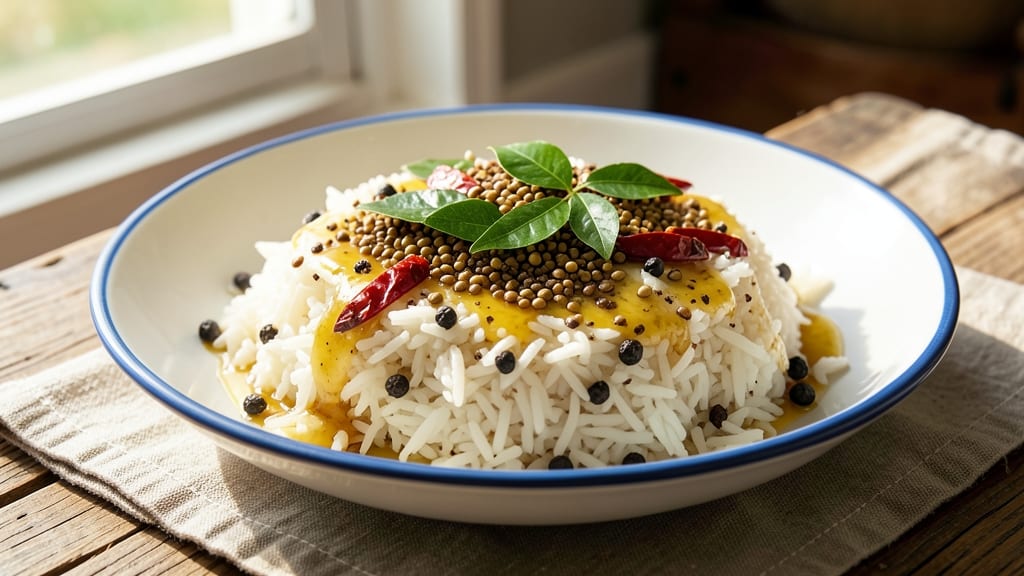
This South Indian black pepper rice transforms simple basmati into a fragrant, spicy masterpiece with toasted pepper crunch. The secret lies in tempering whole spices and black peppercorns until they release their aromatic oils, creating a dish that's both comforting and bold.
Perfectly balanced between heat and aroma, this recipe delivers restaurant-quality results with minimal effort.
Using traditional techniques like pressure cooking or stovetop methods, we'll achieve fluffy, separate grains with a subtle char from the spices. The black pepper adds a unique, slightly sweet heat that sets this dish apart from regular rice preparations.
Serve it with sambar or a cooling yogurt dip for the ultimate South Indian meal experience.
Ingredients for black pepper rice south indian
The aromatic core of South Indian cuisine in a single pot—fragrant basmati meets toasted pepper magic.
| Ingredient | Amount | Notes |
|---|---|---|
| Basmati Rice 🌾 | 1 cup | Uncooked, long-grain preferred |
| Black Peppercorns 🌶️ | 1 tbsp | Whole, freshly cracked |
| Mustard Seeds 🌿 | ½ tsp | Yellow or brown variety |
| Cumin Seeds 🌿 | ½ tsp | Whole seeds, toasted |
| Dried Red Chilies 🌶️ | 2 whole | Kashmiri or red chili, whole |
| Curry Leaves 🌿 | ¼ cup | Fresh, tightly packed |
| Asafoetida Powder 🌿 | ¼ tsp | Pinch, aromatic |
| Ghee 🧈 | 2 tbsp | Clarified butter, full-fat |
| Salt 🧂 | ¾ tsp | Kosher or sea salt |
| Water 💧 | 2 cups | Filtered or spring water |
| Lemon Juice 🍋 | 1 tbsp | Freshly squeezed |
| Fresh Cilantro 🌿 | ¼ cup | Chopped, for garnish |
The black peppercorns are non-negotiable here—freshly cracked releases their full aroma. Grab Tellicherry peppercorns from an Indian grocery store for the best flavor, or use the black peppercorns you already have. The curry leaves? Fresh is essential—dried won't give that signature South Indian aroma. For ghee, Amul or Parachute brands are reliable, but any full-fat ghee works. The basmati rice should be long-grain and unbroken—check the package for 'basmati' labeling, not 'converted' or 'parboiled' varieties.
No whole spices on hand? Ground cumin and mustard powder work in a pinch, but the toasted whole seeds give the dish its signature crunch. Running low on curry leaves? Fresh fenugreek leaves can substitute at half the amount. The asafoetida (hing) might be tricky to find—Indian grocery stores carry it, or check the spice aisle for 'hing'. For extra heat, add more dried chilies, but start with just two—they pack a punch. The lemon juice brightens everything, so freshly squeezed is best, but bottled works if you're in a hurry.
Rice keeps best in the fridge for 3-4 days in an airtight container, though it reheats better if you microwave it with a splash of water. The spices? Store them in a cool, dark place—they'll last for months. Double the recipe and freeze half for a quick meal later. Garnish with cilantro right before serving to keep it vibrant. This dish tastes even better the next day as the flavors meld together.
Why You'll Love This Recipe
- No Chopping Needed: I swear by this one—just rinse the basmati, toast the spices whole, and let the peppercorns do the magic. The rice gets fragrant from the dry-roasted mustard and cumin seeds while I’m still chopping veggies for something else. Minimal effort, maximum aroma.
- Spice That Stays: That first bite? Crunchy peppercorns pop against the fluffy rice, then soften into a warm, peppery finish. Honestly, the dried red chilies add just enough heat to make it feel special without overpowering—perfect for when you want flavor but not a mouthful of spice.
- Lunchbox Hero: Between us, this rice reheats like a dream. Pack it cold for work, and the peppery notes deepen as it warms up. My kids actually ask for it in their bento boxes—yes, even over pizza. (Don’t tell them I’m bragging.)
- Pantry Staple Power: Mustard seeds, cumin, black peppercorns—these are spices I already have. No fancy ingredients, no last-minute grocery runs. Plus, the leftovers? Still taste fresh three days later if you store them right. Budget-friendly and reliable, just like my Sunday morning coffee.
Step-by-step instructions for South Indian black pepper rice
Transform simple basmati rice into a fragrant, spicy masterpiece with this authentic method.
Prepare the Spice Base
Heat the 2 tablespoons ghee in a heavy-bottomed pot over medium heat until it shimmers but doesn't smoke. Add the 1 tablespoon black peppercorns and let them sizzle for 30 seconds until they begin to darken slightly and release their aroma. This is your signal to add the 0.5 teaspoon mustard seeds and 0.5 teaspoon cumin seeds.
Watch closely as the seeds pop and dance—this should take about 20 seconds. Immediately add the 2 whole dried red chilies and 0.25 cup curry leaves. Stir constantly for 30 seconds until the chilies turn vibrant red and the curry leaves darken slightly. This quick cooking preserves their flavors without burning them. The asafoetida powder comes next—sprinkle in the 0.25 teaspoon and stir vigorously for 10 seconds to release its umami punch.
Toast the Rice and Season
Add the 1 cup basmati rice to the pot and stir gently to coat each grain with the spiced ghee. Toast the rice for 2-3 minutes until it turns translucent at the edges and releases a nutty aroma. This step develops the rice's flavor and prevents mushiness. Be patient—rushing here will result in undercooked rice.
Now add the 0.75 teaspoon salt and stir once more to distribute evenly. Pour in the 2 cups water and bring to a gentle boil. Once boiling, reduce heat to low, cover the pot with a tight-fitting lid, and let it simmer for 12 minutes. Avoid peeking during this time—steam is what cooks the rice properly.
Rest and Finish with Acid
After 12 minutes, turn off the heat and let the rice sit covered for 5 minutes. This resting period allows the steam to redistribute, ensuring each grain absorbs flavor evenly. The rice should be tender but still slightly firm—it will continue cooking from residual heat.
Remove the lid and fluff the rice gently with a fork. Stir in the 1 tablespoon lemon juice and 0.25 cup chopped fresh cilantro, mixing just enough to distribute evenly without breaking the grains. The acid brightens the flavors while the cilantro adds freshness. Taste and adjust seasoning if needed—you might want to add a pinch more salt or lemon juice to balance the peppery heat.
Pro Tips For Making Black Pepper Rice South Indian
- CRUSH PEPPERCORNS FRESH: Skip the pre-ground powder—whole peppercorns toasted in hot oil release way more aroma. Use a mortar and pestle or rolling pin to crush them lightly after toasting (just enough to break the skins), so they infuse the rice without turning it into a pepper-flavored sludge.
- TOAST SPICES IN STAGES: Mustard seeds burn faster than cumin. Start with cumin in hot oil until it sizzles, then add mustard seeds a few seconds later. If you toss them all in at once, you’ll end up with bitter, charred bits that ruin the dish.
- USE LESS WATER THAN YOU THINK: Basmati rice for this dish needs just 1:1.5 rice-to-water ratio—less than what you’d use for plain rice. Stir once after boiling, then let it sit covered. Overwatering turns your peppery rice into a mushy, flavor-diluted mess.
- SALT THE WATER LIGHTLY: The tempering (oil-spice mix) already packs enough salt from mustard and cumin. If you salt the water aggressively, the rice will taste flat and one-note. A pinch is enough—you can always adjust the tempering’s saltiness later.
Essential equipment for black pepper rice south indian
Pressure Cooker Essentials
If you own a pressure cooker (like the Instant Pot or Presto), this is the fastest way to make black pepper rice—15 minutes total! Use the steam setting for 1 cup rice with 1 cup water.
After toasting your spices and rice in the pot, add water, seal, and cook for 4 minutes on high pressure. Let it naturally release for 10 minutes before opening. The high pressure locks in flavor and keeps grains separate. 🌡️
Heavy-Bottomed Pot
A stainless steel or cast iron pot (like a Lodge Dutch oven) is ideal for stovetop cooking. The thick base prevents hot spots that can burn your spices. I use a 3-quart pot for this recipe—it gives enough room for the rice to expand without spilling.
Avoid thin aluminum pots, as they heat unevenly and can scorch your ghee. 🔥
Spice Grinder
While whole spices are traditional, a small spice grinder (like the Spice & Wonder Mini Grinder) lets you control coarseness. For black pepper rice, I prefer lightly crushed peppercorns—just enough to release aroma without turning to powder.
If you don’t have one, use a mortar and pestle for a few seconds. Avoid pre-ground spices; they lose flavor quickly. 🌶️
Curry Leaf Freshness Check
Fresh curry leaves are non-negotiable for authentic flavor. If you can’t find them at your grocery store, check the Indian or international aisle at larger supermarkets. For a quick test, rub a leaf between your fingers—it should smell strongly aromatic.
If they smell weak, they’re past their prime. Store them in the fridge for up to 2 weeks in a sealed bag. 🌿
Ghee vs. Oil
While vegetable oil works in a pinch, ghee is essential for that rich, nutty depth. A small ghee jar (like Amul or Gowardhan) keeps well in your pantry for months.
If you’re avoiding dairy, substitute with avocado oil—it has a high smoke point and neutral flavor. Just skip the asafoetida if you’re making a vegan version. 🧈
Rice Measuring Tools
Use a rice scoop (like the OXO Good Grips) to measure 1 cup uncooked basmati—it prevents overpacking, which leads to mushy rice. If you don’t have one, use a standard measuring cup and fluff the rice gently before scooping.
Never pack it down! For extra fluffiness, rinse the rice once before cooking to remove excess starch. 🌾
Nutrition facts
Frequently asked questions
Why does this black pepper rice taste different from regular rice?
The magic comes from toasting whole spices in ghee before cooking. This releases their aromatic oils, creating a deep, nutty flavor that regular rice lacks. The black peppercorns add a unique sweet heat, while curry leaves and asafoetida contribute complex umami notes that elevate every bite.
Can I make this recipe with jasmine rice instead of basmati?
Jasmine rice works, but basmati is preferred because it stays separate and absorbs flavors better. If using jasmine, reduce cooking time by 2 minutes and use 1.75 cups water instead of 2. The texture will be slightly stickier, but still delicious. For best results, stick with basmati for that signature South Indian fluffiness.
How can I make this dish less spicy?
Reduce the number of dried red chilies to just 1 or omit them entirely. For extra mildness, remove the seeds from the chilies before adding. The black pepper provides heat too—if needed, reduce to 0.5 tablespoon instead of 1. Always taste as you go! The lemon juice at the end helps balance any remaining spice.
What's the best way to store leftovers?
Store in an airtight container in the fridge for up to 4 days. Reheat with 1 tablespoon water in the microwave for 1-2 minutes to restore moisture. For freezer storage, cool completely first, then freeze for up to 2 months. Thaw overnight in the fridge before reheating. The flavors actually improve after resting!
What sides pair best with black pepper rice?
Classic pairings include sambar (lentil stew), coconut chutney, or yogurt-based raita to cool the spices. For protein, add fish curry or dal makhani. The peppery rice also works well with mango chutney or pickled onions for a sweet-savory contrast.