
Salads
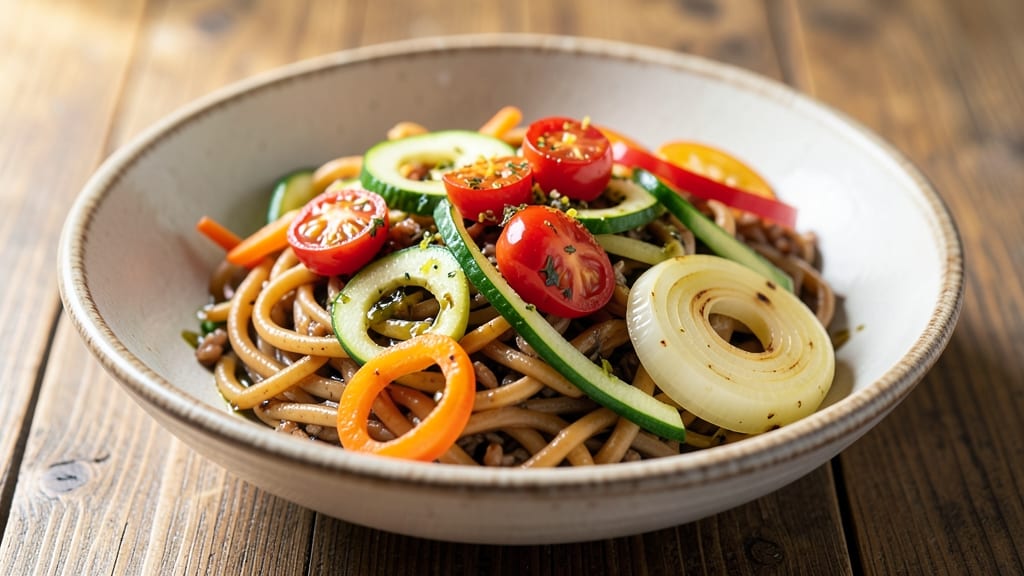
This brown rice pasta with vegetables recipe delivers a nutrient-packed, one-pot meal that’s as satisfying as it is healthy. The combination of chewy brown rice pasta, vibrant vegetables, and simple seasonings creates a balanced dish that’s perfect for busy weeknights or meal prep.
No complicated techniques—just wholesome ingredients and a single pot to clean.
The beauty of this recipe lies in its versatility. You can swap in seasonal vegetables like bell peppers, zucchini, or spinach, and the one-pot method ensures minimal cleanup while maximizing flavor.
The pasta absorbs the savory broth, creating a hearty, protein-rich meal that’s both comforting and nourishing. Ready in 30 minutes, it’s the ideal solution for a quick yet wholesome dinner.
Ingredients for brown rice pasta with vegetables
Wholesome ingredients meeting in one pot for a nutrient-dense, vegan-friendly meal.
| Ingredient | Amount | Notes |
|---|---|---|
| Brown Rice Pasta 🍝 | 8 oz | Uncooked, gluten-free preferred |
| Cherry Tomatoes 🍅 | 1 cup | Halved, vine-ripened preferred |
| Zucchini 🥒 | 1 lb | Sliced into half-moons |
| Bell Peppers 🧅 | 2 whole | Any color, diced |
| Carrots 🥕 | 2 whole | Baby or regular, sliced |
| Yellow Onion 🧅 | 1 whole | Diced, yellow preferred |
| Garlic Cloves 🧄 | 4 cloves | Minced, fresh preferred |
| Vegetable Broth 💧 | 3 cups | Low-sodium, homemade or store-bought |
| Extra-Virgin Olive Oil 🫒 | 2 tbsp | For sautéing, fruity variety |
| Lemon Juice 🍋 | 2 tbsp | Freshly squeezed, bright flavor |
| Salt 🧂 | 1 ½ tsp | Diamond Crystal preferred |
| Black Pepper 🌶️ | ½ tsp | Freshly ground, coarse grind |
| Nutritional Yeast 🍞 | 2 tbsp | For cheesy flavor, unsulfured |
| Fresh Spinach 🌿 | 2 cups | Chopped, baby preferred |
| Red Pepper Flakes 🔥 | ½ tsp | Optional, for heat |
The brown rice pasta forms the heart of this dish—look for brands like Lundberg or Jovial for optimal texture and nutrition. Whole Foods or Trader Joe's carry excellent options, or check the bulk section at natural grocers. The vegetables should be fresh: vibrant bell peppers, crisp carrots, and bright cherry tomatoes make all the difference. For the vegetable broth, Pacific Foods or Imagine brands offer low-sodium options without sacrificing flavor. Fresh garlic and onion form the aromatic base, so don't skimp on quality here—organic varieties often have more robust flavor. Nutritional yeast adds that essential cheesy note without dairy, and Bob's Red Mill is a reliable brand for consistent results.
No cherry tomatoes? Grape tomatoes or diced Roma tomatoes work equally well. Zucchini too large? Peel and slice evenly for consistent cooking. Bell peppers can be swapped for mushrooms or asparagus—just adjust cooking time. Running low on vegetable broth? Water plus 1 tbsp soy sauce creates a quick substitute. The nutritional yeast is non-negotiable for that umami depth, but if unavailable, white miso paste at half the amount provides a similar boost. For extra protein, add 1 cup cooked lentils or crumbled tofu at the end. Red pepper flakes can be omitted entirely for a milder dish.
This meal reheats beautifully—store in airtight containers for up to 5 days in the fridge. For longer storage, freeze portions for up to 3 months. The pasta absorbs flavors better when reheated, so a splash of water or broth helps restore texture. Double the recipe and freeze half for lazy weeknights. Fresh herbs like basil or parsley can be added at serving for extra brightness, but they're optional. The one-pot method means minimal cleanup, but if you're prepping ahead, cook the pasta separately and add it to the simmering vegetables at the end to prevent overcooking.
Why You'll Love This Recipe
- One-Pan Magic: I swear by this recipe when I’m too tired to wash dishes—just toss everything on one sheet pan, roast until the bell peppers caramelize, and boom, dinner’s ready. The pasta soaks up all those juices like a sponge, and cleanup is basically nonexistent.
- Nutty, Sweet Crunch: That brown rice pasta? It’s got a satisfying chew and a subtle earthiness that pairs perfectly with the bright cherry tomatoes and zucchini. Roast the carrots until they’re tender but still hold their shape—trust me, that sweetness balances the peppery bite of the bell peppers in the most unexpected way.
- Lunchbox Hero: Between us, this is my go-to for meal prep. I’ll cook a big batch, let it cool, and portion it into containers with a sprinkle of fresh herbs—my kids actually eat it for school lunches. (Yes, even the picky ones.) It holds up for days without getting soggy, and I can swap in whatever veggies I have lying around.
- Budget-Friendly Flex: I make this at least twice a month because it’s ridiculously cheap—brown rice pasta is a fraction of the cost of regular pasta, and seasonal veggies stretch my grocery budget. Plus, leftovers taste just as good reheated the next day, so I’m never scrambling for dinner ideas. Honestly, it’s my secret weapon for stretching meals without sacrificing flavor.
Step-by-step instructions for brown rice pasta with vegetables
This one-pot meal delivers vibrant flavors and perfect texture with minimal cleanup.
Sauté the Aromatic Vegetable Base
Heat the 2 tablespoons extra-virgin olive oil in a large pot over medium-high heat until shimmering. Add the 1 whole yellow onion and 2 whole carrots (sliced), cooking for 4-5 minutes until softened and just beginning to caramelize. You'll notice the onions become translucent and the carrots develop a slight golden hue.
Add the 2 whole bell peppers (diced) and continue cooking for another 3-4 minutes until they release their moisture and begin to soften. The peppers should yield to gentle pressure and lose their raw crunch. This foundational sauté builds the flavor profile that carries through the entire dish.
Incorporate Zucchini and Cherry Tomatoes
Add the 1 pound zucchini (sliced into half-moons) and 1 cup halved cherry tomatoes to the pot. Cook for 3-4 minutes until the zucchini begins to soften and the tomatoes release their juices. You'll see the zucchini edges turn slightly translucent while maintaining their shape.
Stir in the 4 cloves minced garlic and cook for 30 seconds until fragrant. The garlic should release its aroma without burning—watch carefully as it can go from pleasant to bitter in seconds. This is where the dish develops its signature savory depth.
Build the Flavor with Broth and Seasonings
Pour in the 3 cups vegetable broth and bring to a gentle simmer. Add the 8 ounces uncooked brown rice pasta, 1.5 teaspoons salt, and 0.5 teaspoon black pepper. Stir gently to combine, ensuring the pasta is fully submerged in the liquid. The broth should bubble gently but not vigorously.
Add the 2 tablespoons nutritional yeast and 0.5 teaspoon red pepper flakes (if using) and let the mixture simmer uncovered for 15 minutes. You'll notice the pasta begin to absorb the liquid and the vegetables continue to soften. This simmering phase allows all the flavors to meld together.
Finish with Fresh Spinach and Lemon
After 15 minutes, stir in the 2 cups chopped fresh spinach and cook for 2-3 minutes until wilted. The spinach should collapse dramatically, releasing its vibrant green color into the dish. Remove from heat and stir in the 2 tablespoons freshly squeezed lemon juice.
Let the pasta sit covered for 5 minutes to thicken slightly. The lemon juice brightens the entire dish, cutting through the richness of the nutritional yeast and enhancing all the vegetable flavors. This resting period also allows the pasta to finish cooking perfectly in its own steam.
Adjust Consistency and Serve
If the mixture is too thick, add 2-4 tablespoons water to reach your desired consistency. The pasta should be al dente with a velvety sauce clinging to each strand. Taste and adjust seasoning with additional salt or pepper if needed.
Serve immediately while hot, garnished with extra lemon wedges if desired. Each bite delivers perfectly cooked pasta with tender vegetables, bright acidity, and a cheesy depth from the nutritional yeast—all in one flavorful, nutrient-packed dish.
Pro Tips For Making Brown Rice Pasta With Vegetables
- COOK PASTA AL DENTE: Brown rice pasta needs 1-2 minutes less than regular pasta—check for bite at 13 minutes, not 14. The starch releases slower, so test early or it’ll turn mushy.
- SALT THE WATER LIKE THE SEA: Use 2 tablespoons of salt per 4 quarts of water—this isn’t negotiable. Brown rice pasta absorbs flavor poorly if the water’s bland, and you can’t fix it later.
- CUT VEGETABLES UNIFORM: Slice zucchini and carrots into ¼-inch rounds, bell peppers into ½-inch strips. Uneven pieces mean some veggies get mushy while others stay crunchy—no one wants that.
- SAUTE VEGGIES IN BATCHES: Don’t overcrowd the pan—cook cherry tomatoes first, then pull them out before adding the rest. This keeps them from steaming and turning into sad, soggy blobs.
Essential equipment for brown rice pasta with vegetables
Large Pot Essentials
This recipe thrives in a large, heavy-bottomed pot—I recommend a 5-6 quart Dutch oven or enamel-coated pot for even heat distribution. Brands like All-Clad or Le Creuset excel here, but any quality stainless steel or cast iron pot works.
If you're short on space, a deep skillet (like Made In or Cuisinart) handles the job beautifully. 🔥
Heat Control Tools
A kitchen thermometer ensures your broth simmers at 205-210°F—critical for perfect pasta texture. I use the Thermoworks Thermapen for precision. For heat adjustment, a silicon spatula (like OXO Good Grips) helps stir without scratching your pot.
A small ladle (I prefer stainless steel) comes in handy for adding broth or water as needed.
Knife & Cutting Gear
Sharp knives are non-negotiable—use an 8-inch chef's knife (I love Wüsthof) for dicing veggies efficiently. A cutting board with a non-slip mat (like John Boos) keeps everything stable. For garlic, a garlic press or microplane speeds up mincing. Prep all veggies before cooking to streamline the process.
Storage Solutions
For leftovers, glass airtight containers (like Pyrex or Rubbermaid) preserve freshness for up to 5 days. Freeze portions in silicone molds (I use OXO) for easy reheating.
A fine-mesh strainer helps drain excess liquid if you need to thicken the dish later. Label containers with dates to track freshness.
Optional Upgrades
Add a garlic press for foolproof mincing and a microplane for zesting lemon rind. A small whisk blends in nutritional yeast smoothly. For extra flavor, a mortar and pestle crushs red pepper flakes to release their oils. These tools elevate the dish but aren’t strictly necessary.
Nutrition facts
Frequently asked questions
Can I substitute regular pasta for brown rice pasta?
While you can use regular pasta, brown rice pasta offers a nutrient boost with fiber and plant-based protein. For a 1:1 swap, use whole wheat or chickpea pasta instead. Regular white pasta will change the dish's texture and nutritional profile, but it still works in a pinch. The one-pot method remains the same!
What vegetables can I swap in if I don't have all the ingredients?
This recipe is incredibly flexible! Swap zucchini for mushrooms or asparagus, carrots for sweet potatoes or butternut squash, and bell peppers for broccoli or snap peas. Cherry tomatoes can be replaced with hearts of palm or artichokes for a different texture. Just adjust cooking times—denser veggies need 1-2 extra minutes.
How do I prevent the pasta from getting mushy?
Brown rice pasta needs careful timing. Cook it uncovered for the full 15 minutes of simmering, then let it rest 5 minutes off heat. Avoid overcrowding the pot—use a 5-6 quart pot to give ingredients room. If it still feels undercooked, add 2 tbsp water and simmer 2 more minutes.
Can I make this recipe gluten-free?
This recipe is already gluten-free if you use certified gluten-free brown rice pasta. Check labels—brands like Lundberg or Jovial offer dedicated gluten-free varieties. All other ingredients (vegetables, broth, spices) are naturally gluten-free. For extra safety, verify your broth contains no wheat additives.
Why does my dish taste bland? How can I boost flavor?
Brown rice pasta absorbs flavors differently than white pasta. Boost taste by adding 1 tbsp soy sauce or white miso paste with the broth. For depth, stir in 1 tsp smoked paprika or fresh herbs (basil or parsley) at the end. A splash of balsamic vinegar instead of lemon also adds complexity. Taste as you go!