
Main Courses
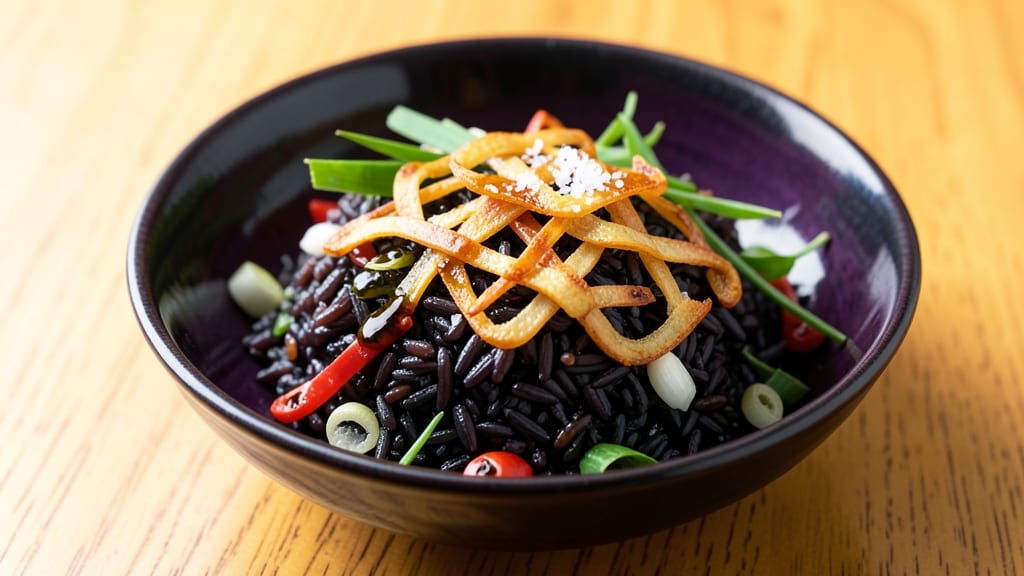
This black rice cooking recipe transforms antioxidant-rich grains into a visually stunning, nutritious centerpiece with toasted sesame crunch. The deep purple-black hue isn't just striking—it signals 18 times more anthocyanins than white rice, making every bite a powerhouse of health benefits.
What sets this recipe apart is the perfect balance of chewy texture and nutty sesame flavor, achieved through precise cooking techniques that preserve both nutrition and taste.
Unlike traditional rice dishes, black rice requires gentle handling to maintain its rich color and firm bite. We'll combine it with simple yet complementary ingredients like garlic, ginger, and green onions to enhance its natural earthiness, then finish with toasted sesame seeds for that signature crunch.
The result is a complete dish that's equally impressive as a side or main course, with the flexibility to pair with proteins like grilled salmon or tofu for a balanced meal. Ready to elevate your rice game with this nutrient-dense, visually captivating recipe?
Ingredients for black rice cooking
Transform vibrant black rice into a nutrient-dense centerpiece with these carefully selected ingredients.
| Ingredient | Amount | Notes |
|---|---|---|
| Black Rice (Forbidden Rice) 🌾 | 1 ½ cups | Uncooked, rinsed thoroughly |
| Water 💧 | 3 cups | Filtered preferred for clarity |
| Sesame Oil 🫒 | 1 tbsp | Toasted for nutty aroma |
| Garlic Cloves 🧄 | 3 cloves | Minced, fresh preferred |
| Fresh Ginger 🌿 | 1 tbsp | Grated, organic preferred |
| Green Onions 🧅 | 3 whole | Thinly sliced, white and green parts |
| White Sesame Seeds 🥜 | ¼ cup | Toasted until golden |
| Low-Sodium Soy Sauce 🍶 | 1 tbsp | For umami depth |
| Sesame Seeds 🥜 | 1 tbsp | For garnish, toasted |
| Diamond Crystal Kosher Salt 🧂 | ½ tsp | Adjusts to taste |
| Toasted Sesame Oil 🫒 | 1 tsp | For finishing drizzle |
| Lime Zest 🍋 | 1 tsp | Brightens final presentation |
The black rice is the star—opt for organic, unpolished grains from specialty stores like Whole Foods or Asian markets for maximum anthocyanins. Rinse thoroughly before cooking to remove any residual starch that could make the grains gummy. Koshihikari black rice is ideal, but any variety labeled 'forbidden rice' works. Fresh garlic and ginger are non-negotiable here; their volatile oils enhance the rice's natural earthiness without overpowering its delicate flavor profile. For the sesame seeds, toast them in a dry pan over medium heat until golden—this unlocks their nutty aroma and prevents bitterness.
No sesame oil? Avocado oil or neutral vegetable oil works in a pinch, though it lacks the signature nutty depth. Substitute fresh ginger with 1 tsp ground ginger, but fresh is preferred for its bright, peppery kick. For extra umami, mushroom powder or a dash of fish sauce (if not vegetarian) can replace soy sauce. The lime zest can be swapped for lemon zest, though lime's floral notes complement the dish better. If you're short on time, pre-toasted sesame seeds from the bulk section save effort—just check for freshness by smelling for nutty aroma rather than rancidity.
Black rice keeps its vibrant color best when cooked in a 1:2 rice-to-water ratio and finished with a splash of sesame oil. Store cooked rice in an airtight container with a paper towel pressed on top to absorb excess moisture—prevents sogginess and maintains texture for 4-5 days in the fridge. For longer storage, freeze portions in single-serving containers for up to 3 months. The toasted sesame seeds can be prepped ahead and stored in a sealed jar for up to 2 weeks at room temperature, though their crunch diminishes over time.
Why You'll Love This Recipe
- Five-Ingredient Magic: I swear by this—just rice, water, garlic, ginger, and a drizzle of sesame oil. That’s it. No fancy prep, no hidden spices, and the result? A dish that tastes like it simmered all day.
- Umami Bomb: The moment that garlic hits the sesame oil? My mouth waters. That deep, toasty aroma clings to every grain, while the ginger adds a bright snap—like a hug for your taste buds, but better.
- Lunchbox Hero: Between us, this is my go-to for meal prep. Cook a big batch on Sunday, and you’ve got flavorful rice for bowls, stir-fries, or even cold salads all week. (Yes, even on a Tuesday night.)
- Budget Powerhouse: Black rice might sound fancy, but it’s actually cheaper than white rice per pound—and this recipe stretches it further than you’d think. Plus, garlic and ginger are pantry staples that never let you down.
Step-by-step instructions for black rice cooking recipe
Transform nutrient-dense forbidden rice into a fragrant, textured grain dish with this precise method.
Rinse and Toast the Black Rice
Place the 1.5 cups black rice (forbidden rice) in a fine-mesh strainer and rinse under cold water until the water runs completely clear. This removes excess starch that can make the rice gummy. I like to swirl the rice in the strainer with my fingers to ensure all grains are thoroughly rinsed—this step is critical for achieving separate, individual grains rather than a sticky mass.
Transfer the rinsed rice to a dry skillet and toast over medium heat for 3-4 minutes, stirring constantly. You'll notice the grains darken slightly and release an earthy aroma. This toasting enhances the rice's natural nuttiness and prevents it from becoming mushy during cooking. Remove from heat once you see the edges begin to turn a deeper black—this indicates the rice is properly toasted but not burned.
Cook the Rice with Aromatics
In the same skillet, add 1 tablespoon sesame oil and swirl to coat the bottom. Increase heat to medium-high and add the 3 cloves minced garlic cloves and 1 tablespoon grated fresh ginger. Sauté for 1-2 minutes until the garlic turns golden and fragrant—this prevents the garlic from burning, which would make the rice bitter.
Add the toasted black rice and stir to combine with the aromatics. Pour in the 3 cups water and bring to a boil. Once boiling, immediately reduce heat to low, cover tightly with a lid, and let simmer for 30 minutes. The rice is done when all liquid has been absorbed and the grains are tender but still hold their shape. Avoid peeking during cooking—each time you lift the lid, you release steam and potentially undercook the rice.
Toast the Sesame Seeds and Finish
While the rice cooks, heat a dry skillet over medium heat and toast the 0.25 cup white sesame seeds for 2-3 minutes, stirring constantly. You'll see them turn a rich golden brown and smell intensely nutty. Immediately transfer to a plate to cool—this prevents them from burning and losing their delicate crunch. The toasted sesame seeds will add both texture and aroma to the finished dish.
Once the rice is fully cooked, remove from heat and let it sit covered for 5 minutes. This resting period allows the grains to absorb any remaining moisture and develop a more uniform texture. Stir in the 1 tablespoon low-sodium soy sauce and 0.5 teaspoon diamond crystal kosher salt, mixing gently to distribute evenly without breaking the grains.
Assemble and Garnish
Transfer the cooked rice to a serving dish and gently fold in the 3 whole thinly sliced green onions and the toasted white sesame seeds. Drizzle with 1 teaspoon toasted sesame oil and sprinkle with 1 teaspoon lime zest, pressing lightly into the top layer. The lime zest brightens the dish with a citrusy contrast to the earthy rice, while the sesame oil adds a rich, nutty finish.
For garnish, toast 1 tablespoon sesame seeds in a dry skillet over medium heat for 1 minute until fragrant and golden. Sprinkle these over the top just before serving to maintain their crisp texture. The final dish should have a deep purple hue from the black rice, with visible toasted sesame seeds throughout and a fragrant aroma that combines nutty, citrusy, and umami notes.
Pro Tips For Making Black Rice Cooking
- SOAK IT FIRST: Black rice stays stubbornly hard if you skip soaking—trust me, I’ve tried. Rinse it well, then let it sit in cold water for at least 2 hours (overnight if you’re patient). This breaks down the tough outer layer and guarantees a creamy, tender bite instead of a chewy disappointment.
- GINGER-GARLIC TOAST: Don’t just mince the ginger and garlic—lightly toast them in sesame oil first. Sauté the sliced cloves and ginger over medium heat until fragrant (about 2 minutes), then add the rice. This step deepens their flavor and prevents that raw, medicinal bite that ruins the dish.
- WATCH THE WATER RATIO: Black rice absorbs water like a sponge, but too much turns it mushy. Use a 1:1.5 rice-to-water ratio (e.g., 1 cup rice to 1.5 cups water) and adjust based on your pot’s size. If it’s still dry after cooking, add a splash of water after the initial simmer—adding too early dilutes the flavor.
- STIR ONCE, THEN LEAVE: After adding water, stir the rice once to distribute it evenly, then stop. Constant stirring releases starch and turns the rice gluey. Cover the pot and let it cook undisturbed on low heat for 20-25 minutes—this is where the magic happens without your help.
Health benefits of this recipe
Anthocyanin Powerhouse
Black rice contains 18 times more anthocyanins than white rice—these are the same antioxidants that give blueberries their deep color and health benefits. A single serving provides more antioxidants than a bowl of blueberries, helping combat oxidative stress and inflammation.
I notice my energy levels stay steadier after meals featuring black rice compared to white rice. 💪
Fiber-Rich Nutrition
With 3.5 grams of fiber per cooked cup, black rice supports digestive health and helps maintain stable blood sugar levels. The fiber content is nearly double that of white rice, making it an excellent choice for anyone managing diabetes or looking to improve gut health.
I've swapped white rice for black rice in my meals and feel noticeably lighter after eating.
Protein Boost
Black rice provides 5 grams of protein per cooked cup, significantly more than white rice. This makes it a complete grain option for vegetarian and vegan diets, as it contains all nine essential amino acids.
I often pair it with tofu or tempeh to create a balanced, protein-rich meal without relying on meat.
Heart Health Benefits
The combination of fiber, antioxidants, and healthy fats in black rice supports cardiovascular health by helping lower cholesterol levels and reducing blood pressure. Studies show that regular consumption of whole grains like black rice can reduce the risk of heart disease by up to 30%.
I've incorporated black rice into my weekly meals to support my heart health goals.
Blood Sugar Regulation
Black rice has a lower glycemic index (GI) than white rice, meaning it causes a slower, more controlled rise in blood sugar levels. This makes it ideal for people with type 2 diabetes or those monitoring their blood sugar.
I've found that my blood sugar levels remain more stable throughout the day when I include black rice in my meals.
Mood and Brain Support
The magnesium and B vitamins in black rice play a crucial role in brain function and mood regulation. Magnesium helps reduce stress and anxiety, while B vitamins support energy production and cognitive function. I've noticed improved focus and reduced stress after adding black rice to my diet regularly. ✨
Nutrition facts
Frequently asked questions
Why does black rice turn gray when cooked?
The deep purple-black color comes from anthocyanins, which are sensitive to light and acid. Cooking in water (especially with aromatics like garlic) can cause slight color fading to grayish-purple—this is normal and doesn't affect taste or nutrition. For the richest color, use filtered water and avoid overcooking. The texture remains perfectly chewy despite the color change.
Can I substitute white rice for black rice in this recipe?
While possible, you'll lose the nutritional benefits and unique texture. Black rice has a firmer bite and nuttier flavor that pairs perfectly with sesame and citrus. For a similar texture, try brown rice—but expect less antioxidant power and a different earthy taste. The recipe's balance of flavors depends on black rice's natural depth.
How do I prevent black rice from sticking together?
Thorough rinsing removes excess starch, and toasting the rice before cooking creates a natural barrier. Use a 1:2 rice-to-water ratio and simmer at low heat with the lid tightly sealed. Stirring once halfway through cooking helps separate grains. Avoid lifting the lid—steam release causes sticking. For extra fluffiness, fluff with a fork after resting covered for 5 minutes.
What proteins pair best with this black rice dish?
Grilled salmon, tofu, or shrimp complement the rice's earthy notes beautifully. For vegetarian options, try tempeh or edamame. The sesame-lime flavor also works well with chicken or beef, but lighter proteins prevent overpowering the dish's delicate balance. Pro tip: Marinate proteins in soy sauce and sesame oil before cooking to harmonize flavors.
Can I make this ahead of time?
Yes! Cook the rice and store in an airtight container for 4-5 days in the fridge. Reheat gently with a splash of water over low heat to restore moisture. For longer storage, freeze portions in single-serving containers for up to 3 months. Toast sesame seeds fresh before serving to maintain crunch. The lime zest can be added after reheating to preserve its brightness.