
Main Courses
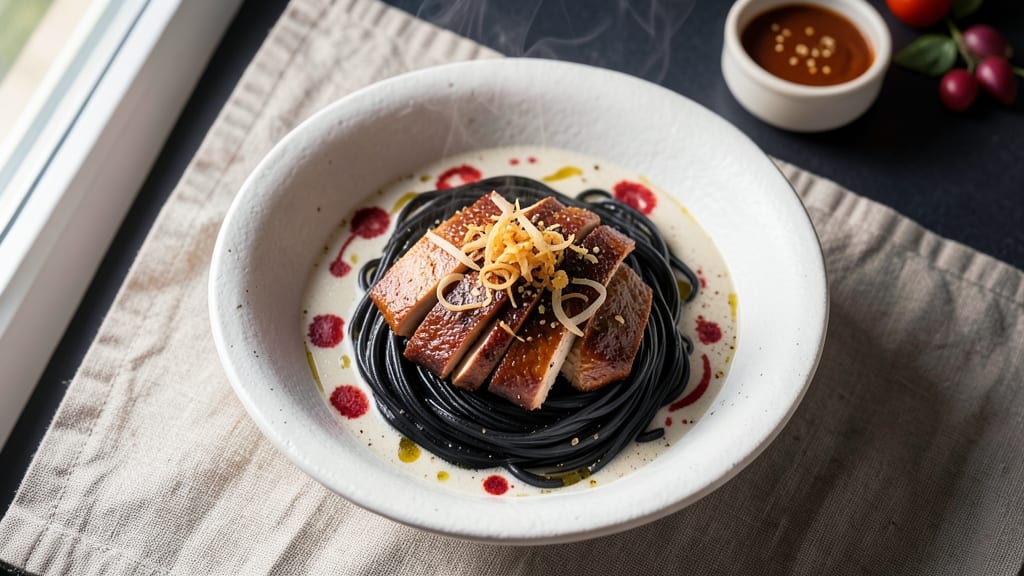
This black rice ramen recipe transforms a classic comfort dish into a visually stunning, nutrient-rich masterpiece with deep purple grains and a rich umami broth.
The secret lies in using black rice noodles—packed with antioxidants and a chewy texture that stands up to bold flavors—paired with a broth that balances earthy depth and savory richness.
What sets this recipe apart is the black rice's vibrant hue and nutty flavor, which infuse every sip of broth and bite of noodle. Whether you choose a traditional miso base, creamy tonkotsu, or a vegan-friendly version, the dish delivers both restaurant-quality depth and a striking presentation.
Ready in under 45 minutes, it’s perfect for impressing guests or treating yourself to a nourishing meal.
Ingredients for black rice ramen
These carefully selected ingredients create a visually stunning black rice ramen with restaurant-quality umami depth.
| Ingredient | Amount | Notes |
|---|---|---|
| Black Rice Noodles 🍜 | 8 oz | Dried, high-quality brand preferred |
| Chicken Breast 🍗 | 1 ½ lb | Boneless, skinless, cut into chunks |
| Dashi Powder 🍲 | 2 tbsp | High-quality, bonito-based preferred |
| White Miso Paste 🧈 | 3 tbsp | Aged 1-2 years for optimal flavor |
| Red Miso Paste 🧈 | 1 tbsp | For balanced umami depth |
| Fresh Ginger 🧄 | 2 tbsp | Grated, aromatic variety preferred |
| Garlic Cloves 🧄 | 6 cloves | Minced, fresh preferred |
| Sesame Oil 🫒 | 1 tbsp | Toasted, for aroma |
| Soy Sauce 🥫 | 3 tbsp | High-quality, dark variety |
| Rice Vinegar 🍶 | 2 tbsp | Seasoned, for balance |
| Green Onions 🧅 | 4 whole | Thinly sliced, for garnish |
| Sesame Seeds 🌾 | 1 tbsp | Toasted, for crunch |
| Vegetable Oil 🫒 | 2 tbsp | High smoke point for cooking |
| Salt 🧂 | 1 tsp | Kosher or sea salt |
| Black Pepper 🌶️ | ½ tsp | Freshly ground for heat |
The black rice noodles are the star—opt for high-quality dried noodles from specialty stores like Whole Foods or Asian markets for the best texture. Brands like Nongshim or MyKuali deliver that signature chewy bite. For the broth base, dashi powder is non-negotiable—Hondashi or Marukome provide the clean umami foundation. The miso pastes should be aged 1-2 years for complexity; Miso Master or Hokkaido brands excel here. Fresh ginger and garlic? Buy organic if possible—non-organic versions often have less zing. Toast your sesame seeds in a dry pan for 30 seconds before using; that extra effort adds serious flavor.
No dashi powder? Instant dashi granules work in a pinch, though homemade (simmer kombu and bonito flakes) is ideal. Miso substitutes? White miso only if avoiding red—just reduce to 2 tbsp for milder flavor. Fresh ginger too fibrous? Grate it while still slightly frozen for easier handling. The green onions can be swapped for scallions, but the white parts (where flavor hides) are crucial. For a vegan version, replace chicken with shiitake mushrooms or tofu—simmer them with the broth for depth. Need to skip sesame oil? A pinch of toasted sesame seeds still delivers aroma, just less intensity.
Store dried noodles in an airtight container for up to 6 months; cooked noodles keep 2 days refrigerated. The miso paste lasts 1 year unopened, but once opened, freeze in ice cube trays for single-use portions. Ginger and garlic? Freeze whole—they’ll last months and thaw in seconds. Prep ahead: Make the broth base 2 days ahead—flavors meld beautifully. Garnishes like sesame seeds and green onions wilt fast, so add them last minute. This dish reheats beautifully—just add hot water to noodles and warm broth separately.
Why You'll Love This Recipe
- No-Fuss Noodle Magic: I swear, the black rice noodles cook in five minutes—just toss them in boiling water, drain, and they’re ready. No soaking, no fuss, and they hold up like a dream in the broth.
- Umami Bomb Combo: That white and red miso paste? It’s where the magic happens. Sweet, funky, and deeply savory—especially when you simmer it with dashi powder and a splash of chicken broth. Honestly, the first bite makes me forget all other ramen exists.
- Weeknight to Date Night: I make this for lazy Tuesdays, but it also feels fancy enough for when my partner’s over. The rich broth and tender chicken breast make it feel special, even if I’m still in my pajamas half the time.
- Budget-Friendly Leftovers: Chicken breast stretches far, and the noodles reheat like a charm. I’ll make a big batch, store it in the fridge, and have a satisfying lunch the next day—no takeout needed. My wallet and taste buds thank me.
Step-by-step instructions for black rice ramen with umami-packed broth
Transform simple ingredients into a visually stunning ramen with deep purple noodles and rich, layered flavors.
🍳 Step 1: Prepare the Chicken and Aromatics
Cut the 1.5 lb chicken breast into 1-inch chunks and set aside. In a small bowl, combine the 2 tbsp fresh ginger and 6 cloves garlic cloves with 1 tbsp vegetable oil. Let this mixture sit for 5 minutes to allow the ginger and garlic to soften slightly—this ensures better flavor infusion during cooking.
Heat 1 tbsp vegetable oil in a large pot over medium-high heat. Add the chicken chunks in a single layer, cooking undisturbed for 3-4 minutes until the edges turn light golden brown. This initial sear locks in juices. Flip the chicken and cook for another 3-4 minutes until fully cooked through. Remove the chicken and set aside, leaving the rendered fat in the pot.
🍳 Step 2: Build the Umami-Packed Broth
In the same pot with the chicken fat, add the ginger-garlic mixture and sauté for 1 minute until fragrant. Sprinkle in the 2 tbsp dashi powder and stir vigorously to dissolve completely. This step is critical—it forms the foundation of your broth's depth.
Pour in 6 cups of water (enough to cover the chicken) and bring to a rolling boil. Reduce heat to medium-low and simmer for 10 minutes to extract maximum flavor from the chicken. Skim off any foam that rises to the surface—this ensures a clean, smooth broth.
🥘 Step 3: Infuse the Broth with Miso and Seasonings
Lower the heat to low and stir in the 3 tbsp white miso paste and 1 tbsp red miso paste until fully dissolved. Add the 3 tbsp soy sauce and 2 tbsp rice vinegar, stirring constantly. The broth should develop a rich, reddish hue from the miso and a complex umami aroma—this is your signal that the flavors are melding perfectly.
Return the chicken to the pot and simmer for 15 minutes to allow the chicken to reabsorb some of the broth's flavors. Season with 1 tsp salt and 0.5 tsp black pepper, adjusting to taste. The broth should now have a deep, savory richness with a subtle tang from the rice vinegar.
🍳 Step 4: Cook the Black Rice Noodles
While the broth simmers, prepare the 8 oz black rice noodles by rinsing them under cold water for 30 seconds to remove excess starch. This prevents the noodles from sticking together. Bring a separate pot of water to a boil and add the noodles. Cook for 3-4 minutes—they should be tender but still slightly firm to the bite. Drain immediately and rinse briefly with cold water to stop the cooking process.
Here's the thing—black rice noodles are delicate. Overcooking turns them mushy, so watch them closely. The moment they float to the surface and are al dente, drain them. Toss the noodles with 1 tbsp sesame oil to prevent sticking and enhance their natural nuttiness.
🥘 Step 5: Assemble and Garnish
Divide the cooked noodles evenly among 4 bowls. Ladle the hot broth over the noodles, ensuring each serving gets an equal portion of chicken. The broth should just cover the noodles, leaving room for garnishes.
Top each bowl with 1 tbsp sesame seeds, 1 whole green onion (thinly sliced), and a drizzle of 1 tsp sesame oil. The contrast of textures—chewy noodles, tender chicken, crispy sesame seeds—and the vibrant purple hue of the black rice make this ramen as visually appealing as it is delicious.
Pro Tips For Making Black Rice Ramen
- STEAM NOODLES AL DENTE: Black rice noodles turn mushy fast—don’t boil them like pasta. Steam them over simmering broth for 4-5 minutes with the lid cracked, then shock in ice water for 30 seconds to lock in chew. I learned this the hard way after serving rubbery noodles to a skeptical dinner guest.
- SALT THE BROTH FIRST: Taste your dashi-miso broth before adding noodles or chicken. A pinch of salt (½ tsp) early balances the umami, especially if your miso is salty. My grandmother swore by this—yes, even with dashi powder—and it actually changes how the flavors meld.
- SEAR CHICKEN IN BATCHES: Crowd the pan, and the chicken steams instead of sears. Cut the breast into thin strips, then cook in two batches over medium-high heat with 1 tbsp oil until golden (3-4 minutes per batch). The crust makes all the difference for that restaurant-quality texture.
- SWIRL THE MISO: Don’t just dump red and white miso into boiling broth—it burns and makes the soup bitter. Whisk each paste separately into cold water first, then slowly stir into the simmering broth. Sounds weird, but it works: smooth, layered flavor without that acrid aftertaste.
Dietary considerations for these flavors
Gluten-Free Adaptation
Black rice ramen naturally works for gluten-free diets since the noodles are typically made from rice flour. However, always check the packaging—some brands add wheat starch. For the broth, ensure your dashi powder and soy sauce are certified gluten-free.
I recommend San-J Tamari for a gluten-free alternative to traditional soy sauce. The miso pastes should also be gluten-free, so opt for brands like Miso Master that clearly label their products. 🌱
Vegetarian Option
Swap the chicken for shiitake mushrooms or extra-firm tofu to create a vegetarian version. Sauté 8 oz shiitake mushrooms (or pressed tofu) with the ginger and garlic until golden.
Simmer them in the broth for 15 minutes to infuse flavor. For added protein, include edamame or soft-boiled eggs as toppings. This keeps the dish hearty and satisfying. 🍄
Protein Boost
Add chashu pork or soft-boiled eggs for extra protein. For chashu, marinate 1 lb pork shoulder in 2 tbsp soy sauce, 1 tbsp sugar, and 1 tbsp Shaoxing wine for 24 hours, then slow-cook until tender.
Top each bowl with 2 slices of chashu and a soft-boiled egg for a restaurant-style finish. 🍳
Low-Sodium Adjustments
Reduce the soy sauce to 2 tbsp and replace the 1 tsp salt with ½ tsp salt and 1 tbsp coconut aminos for a lower-sodium broth. Use low-sodium miso paste if available, or dilute regular miso with 1 tbsp water per 1 tbsp paste.
Taste as you go—this broth is forgiving, but balance is key. 💡
Allergen-Friendly Swaps
For sesame allergies, skip the sesame oil and seeds, and garnish with crushed peanuts or toasted pumpkin seeds instead. If avoiding garlic, substitute with 1 tbsp asafoetida powder (hing) for depth. Always double-check labels on miso and dashi—some brands process in facilities with allergens. Safety first! 🛡️
Nutrition facts
Frequently asked questions
Can I use regular white rice noodles instead of black rice noodles?
While you can substitute white rice noodles, you'll miss the nutty flavor and vibrant purple hue that black rice provides. For a similar texture, choose udon or soba noodles, but they'll lack the antioxidant benefits and distinctive color. If you want to keep the black rice flavor without the noodle swap, try adding ½ cup cooked black rice to each bowl as a topping!
How do I make this recipe vegan?
Replace the chicken with 8 oz shiitake mushrooms or extra-firm tofu, and use a vegan dashi powder (made from kombu and shiitake). For umami depth, add 1 tbsp nutritional yeast to the broth. Skip the eggs and use tofu skin or crispy baked tofu as a protein garnish. The broth will still be rich and satisfying!
Why does my broth look cloudy or have foam?
Cloudiness or foam usually means proteins from the chicken haven't fully settled. Skim off any foam that forms during the 10-minute simmer—this removes impurities. For clearer broth, strain it through a fine-mesh sieve before serving. If it's still cloudy, simmer the broth uncovered for an extra 5 minutes to help clarify it naturally.
Can I prepare this ramen ahead of time?
Make the broth up to 2 days ahead and store it in the fridge. Reheat gently on the stove, skimming off any fat that rises to the top. Cook the noodles fresh before serving—they lose texture when reheated. For a make-ahead meal, assemble the bowls without the noodles, then add freshly cooked noodles and hot broth when ready to eat.
What’s the best way to store leftover black rice noodles?
Rinse cooked noodles with cold water to stop cooking, then store them in an airtight container in the fridge for up to 2 days. To reheat, soak them in warm water for 5 minutes before adding to hot broth. For longer storage, freeze cooked noodles in a single layer on a tray, then transfer to a bag—this prevents clumping. Thaw overnight in the fridge before reheating.