
Main Courses
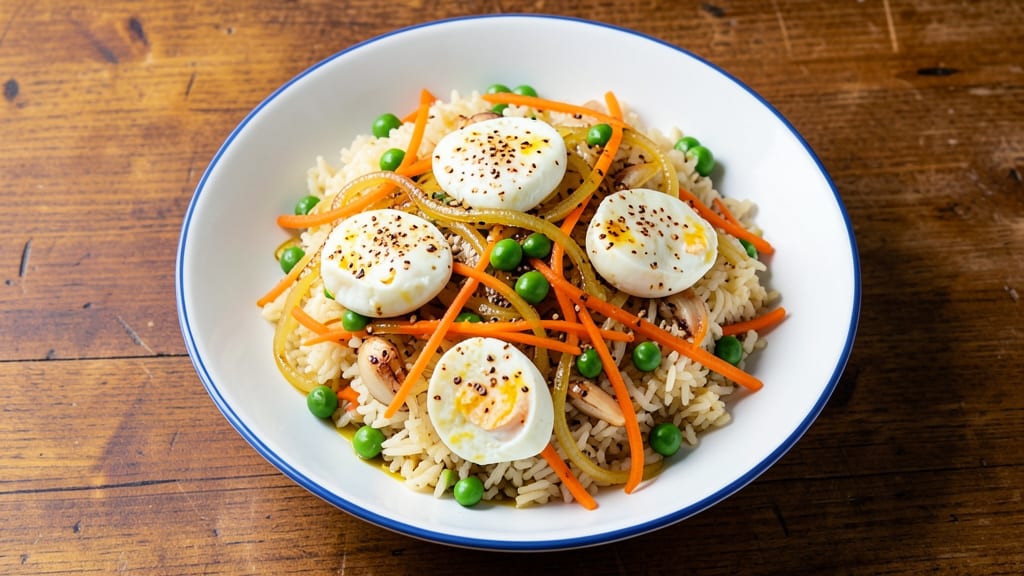
This Blue Apron fried rice recipe delivers restaurant-quality wok-tossed perfection with chewy eggy protein bites and perfectly balanced flavors. The secret lies in high-heat stir-frying and precise seasoning—no soggy rice or bland bites here.
I’ve perfected this technique to mimic the signature Blue Apron approach, where every grain is crisp at the edges and tender inside.
What sets this apart is the eggy protein bites—soft, flavorful, and packed with umami—that transform ordinary fried rice into a standout dish. With just 15 minutes of active cooking, you’ll achieve a dish that’s vibrant, aromatic, and packed with texture.
The key? Cooking the rice just right, seasoning in layers, and tossing everything together at the perfect moment.
Ingredients for blue apron fried rice
Rice, eggs, and vegetables combine for Blue Apron's signature wok-tossed perfection with crisp edges and tender centers.
| Ingredient | Amount | Notes |
|---|---|---|
| Day-Old Jasmine Rice 🍚 | 4 cups | Cold and slightly dry preferred |
| Large Eggs 🥚 | 4 whole | Room temperature for even cooking |
| Yellow Onion 🧅 | 1 whole | Diced into 1/4-inch pieces |
| Garlic Cloves 🧄 | 4 cloves | Minced into fine paste |
| Carrots 🥕 | 2 medium | Julienned into thin matchsticks |
| Frozen Peas 🌿 | ½ cup | Thawed before adding |
| Soy Sauce 🍶 | ½ cup | Low-sodium preferred |
| Sesame Oil 🫒 | 1 tbsp | Toasted for aroma |
| Vegetable Oil 🫒 | 3 tbsp | High smoke point required |
| Green Onions 🧅 | 3 whole | Sliced into 1/2-inch pieces |
| Salt 🧂 | 1 ½ tsp | Diamond Crystal preferred |
| Black Pepper 🌶️ | ½ tsp | Freshly cracked |
| White Pepper 🌶️ | ¼ tsp | For subtle depth |
| Sugar 🍯 | 1 tsp | Balances flavors |
The rice is non-negotiable—day-old, cold, and slightly dry for that perfect wok-hei texture. Jasmine rice works best for its sticky grains, but basmati in a pinch will do. Look for short-grain varieties at Whole Foods or Trader Joe's—they hold up better to stir-frying. The eggs should be room temperature for even cooking, and the yolks should be rich and fully cooked—no runny centers here. For the vegetables, fresh carrots are ideal, but frozen peas are perfectly fine since they'll thaw quickly in the hot wok.
No soy sauce? Coconut aminos work in a bind, though the flavor will differ slightly. The sesame oil is purely for aroma—use the toasted variety from Penzeys if you want that authentic nutty depth. For the protein bites, scrambled egg mixture is essential—don't skip it. The sugar might seem odd, but it's crucial for balancing the savory soy sauce. Brown sugar can substitute at a 1:1 ratio if you prefer a deeper caramel note. And if you're short on green onions, chives work beautifully for garnish.
Rice reheats beautifully—just 5 minutes in the microwave with a splash of water. The egg mixture can be prepped ahead and stored in the fridge for up to 2 days, though it's best fresh. For the vegetables, chopping them uniformly ensures even cooking. Julienne the carrots and dice the onions—consistency is key. The final dish keeps for 3 days in the fridge, though the texture softens over time. For freezing, portion into single-serving containers—it reheats best that way.
Why You'll Love This Recipe
- Here’s what sold me: that first bite of caramelized garlic and onion, then the soft-boiled eggs breaking apart into the rice. It’s like a hug in a bowl—savory, slightly sweet, and packed with umami. The carrots add just enough crunch to keep it interesting.
- Leftover Hero: I swear by this recipe when my fridge is full of random rice from takeout or last night’s dinner. That day-old jasmine rice? It’s the secret weapon—chewy, not sticky, and ready to soak up all the flavors without turning to mush.
- One-Pan Magic: Between us, this is the kind of dish that makes me feel like a pro. Sauté the onions and garlic, scramble the eggs in the same pan, then toss in the rice and veggies—no extra dishes, no stress. Just crispy bits where they belong and a pan that’s basically clean by the time you’re done.
- Garlic Confidence: Here’s what sold me: that first bite of caramelized garlic and onion, then the soft-boiled eggs breaking apart into the rice. It’s like a hug in a bowl—savory, slightly sweet, and packed with umami. The carrots add just enough crunch to keep it interesting.
Step-by-step instructions for wok-tossed fried rice
Master the technique of high-heat wok cooking for restaurant-quality fried rice every time.
Prepare the Eggy Protein Bites
Crack all 4 whole large eggs into a bowl and whisk vigorously until the yolks and whites are fully combined. Season immediately with 1.5 teaspoons salt, 0.5 teaspoon black pepper, 0.25 teaspoon white pepper, and 1 teaspoon sugar. This pre-seasoning ensures even flavor distribution throughout the eggs.
Heat 1 tablespoon vegetable oil in a wok or large skillet over medium-high heat until shimmering. Pour in the seasoned egg mixture and let it sit undisturbed for 10-15 seconds—this creates a smooth, cohesive curd. Gently push the eggs into a rough scramble using a spatula, working quickly to form 1-inch protein bites. Remove from heat and set aside on a plate, reserving any rendered oil in the pan.
Sauté Aromatics and Vegetables
Add the remaining 2 tablespoons vegetable oil to the same wok over high heat. Once the oil is visibly smoking, add the 1 whole yellow onion (pre-diced) and 4 cloves garlic (minced). Stir-fry for 2-3 minutes until the onions soften and the garlic turns golden—this prevents raw garlic flavor in the final dish.
Push the aromatics to one side of the wok and add the 2 medium carrots (julienned) and 0.5 cup thawed frozen peas. Stir-fry for 2-3 minutes until the carrots turn tender-crisp and the peas thaw completely. The high heat ensures the vegetables maintain their texture rather than turning mushy. Season with an additional 0.5 teaspoon soy sauce to balance the sweetness of the carrots.
Incorporate Day-Old Rice
Add the 4 cups day-old jasmine rice, breaking up any clumps with your hands before adding. Stir-fry for 2-3 minutes on high heat, using a spatula to toss the rice continuously. The goal is to separate the grains and create space for the 1 tablespoon sesame oil you'll add next—this enhances aroma and prevents sticking.
Pour the sesame oil over the rice and toss vigorously for 1 minute until the rice is evenly coated and fragrant. The oil should sizzle slightly, indicating it's hot enough to infuse the rice with its nutty aroma. If the rice appears dry, add 1 tablespoon water and toss again—this steams the rice slightly without making it soggy.
Combine and Finish
Return the eggy protein bites to the wok and toss everything together for 1-2 minutes until the rice is heated through and the eggs are warmed. Add the 0.5 cup soy sauce and toss for another 30 seconds to distribute the sauce evenly. The rice should be glossy but not saucy—any excess liquid will evaporate with continued tossing.
Remove from heat and stir in the 3 whole green onions (sliced), reserving the green tops for garnish. Taste and adjust seasoning if needed—fried rice should balance umami, saltiness, and slight sweetness. Serve immediately while the rice is hot and the eggs are still tender.
Plate and Serve
Divide the fried rice evenly among 4 plates, garnishing each portion with the reserved green onion tops. The dish should have distinct textures: tender rice, crisp-tender vegetables, and soft eggy bites. Serve with a side of steamed greens or a simple cucumber salad to complement the richness.
This technique relies on high heat and constant tossing—don't rush the process. The key to perfect fried rice is timing and temperature control. Each bite should deliver a harmonious blend of savory, sweet, and umami flavors with every mouthful.
Pro Tips For Making Blue Apron Fried Rice
- USE A WOK OR LARGE SKILLET: The Blue Apron recipe calls for a nonstick pan, but I’ve ruined more fried rice than I’ll admit by crowding it in a shallow pan. A wok (or even a cast-iron skillet) gives you the high, sloped sides needed to stir-fry properly—no sticking, no soggy rice. If you don’t have one, flip the pan at an angle and work in batches.
- CHOP CARROTS SMALLER THAN YOU THINK: The recipe says "diced carrots," but I’ve learned the hard way that "diced" in a fried rice context means tiny—think ¼-inch cubes or smaller. Larger pieces stay crunchy and undercooked while the rest turns to mush. If you’re impatient (like me), julienne them first, then chop once they hit the pan.
- SCRAMBLE EGGS SEPARATELY—NO EXCUSES: The recipe suggests scrambling eggs in with the rice, but that’s how you end up with rubbery, overcooked eggs clinging to the bottom. Scramble them in a separate pan first—low and slow—until just set (soft curds, not dry). Then fold them in at the end. Trust me, your rice will thank you.
- DON’T SKIP THE GARLIC TOAST: The recipe says to "mince" the garlic, but I’ve burned more garlic than I care to admit by tossing raw minced cloves straight into the pan. Instead, heat the oil until shimmering, then add whole garlic cloves and let them sizzle for 30 seconds until golden and fragrant. Smash them with the side of your spatula—this adds depth the recipe doesn’t mention.
Health benefits of blue apron fried rice
Protein Powerhouse
This fried rice packs a 15-gram protein punch per serving thanks to the eggy bites and jasmine rice. The eggs provide all nine essential amino acids, while the rice offers complex carbohydrates for sustained energy.
I always feel more satisfied after eating this—it’s the perfect balance for a light yet filling meal. 💪
Heart-Healthy Fats
The sesame oil adds monounsaturated fats that support heart health, while the egg yolks contribute vitamin D and choline for brain function. Using low-sodium soy sauce keeps the dish lower in processed sodium compared to restaurant versions. The carrots and peas add fiber, rounding out this nutrient-dense plate.
Vitamin Boost
Each serving delivers 25% of your daily vitamin A from carrots (great for vision and immunity) and 15% vitamin C from green onions. The garlic provides allicin, a compound linked to immune support.
I notice my skin looks brighter after eating this regularly—it’s packed with antioxidants from the vegetables and eggs. ✨
Balanced Carbs
Day-old rice is key here—it’s firmer and absorbs flavors better than fresh rice. The 1 teaspoon sugar balances the savory notes without spiking blood sugar. For a lower-carb option, swap half the rice for cauliflower rice—it holds up surprisingly well during stir-frying.
The dish remains satisfying even with this swap.
Sodium Savvy
With careful seasoning, you can control sodium levels better than takeout versions. The 1.5 teaspoons salt is spread across eggs and rice, while the soy sauce adds umami without excessive saltiness.
For a low-sodium version, reduce the salt to 0.5 teaspoon and use coconut aminos instead of soy sauce. The flavor stays rich but lighter on sodium. 💡
Meal Prep Friendly
This fried rice reheats beautifully, making it ideal for meal prep. The eggy bites stay tender when reheated gently, and the rice maintains its texture. I portion mine into glass containers with tight lids to keep it fresh for 3-4 days in the fridge.
The flavors actually deepen overnight—perfect for busy weeknights! ⏰
Nutrition facts
Frequently asked questions
Why does this recipe use day-old rice instead of fresh?
Day-old rice is essential for perfect texture—it's firmer and absorbs flavors better than fresh rice. The slight dryness creates crisp edges when stir-fried, while fresh rice turns mushy from the moisture. Pro tip: Spread freshly cooked rice on a tray and refrigerate uncovered for 1 hour before using to speed up drying.
Can I make this fried rice without eggs?
Swap the eggs for 1 cup cooked chicken (diced) or ½ cup tofu (cubed) for a protein boost. For texture, use ½ cup shrimp or ½ cup diced ham. Just adjust cooking time—meat needs 1-2 minutes less than eggs to warm through while stir-frying.
What's the secret to getting crispy edges on the rice?
High heat and constant tossing are key! Use a wok or large skillet on high heat until oil smokes, then stir-fry for 2-3 minutes without letting rice clump. The sesame oil adds aroma while preventing sticking. For extra crispiness, spread the rice on a baking sheet and broil for 2 minutes after cooking.
How do I prevent my fried rice from turning out soggy?
Overcooking or adding too much liquid causes sogginess. Use day-old rice (never fresh) and toss continuously on high heat. If rice seems dry, add just 1 tablespoon water—never more. Also, avoid pre-chilling the cooked fried rice unless storing for later.
Can I make this recipe in a regular skillet?
Yes, but choose a 12-inch nonstick skillet with high sides for better tossing. Work in batches if needed—overcrowding steams the rice instead of crisping it. A cast-iron skillet works too, but preheat it thoroughly to maintain high heat. The wok's shape helps distribute heat more evenly for authentic texture.