
Main Courses
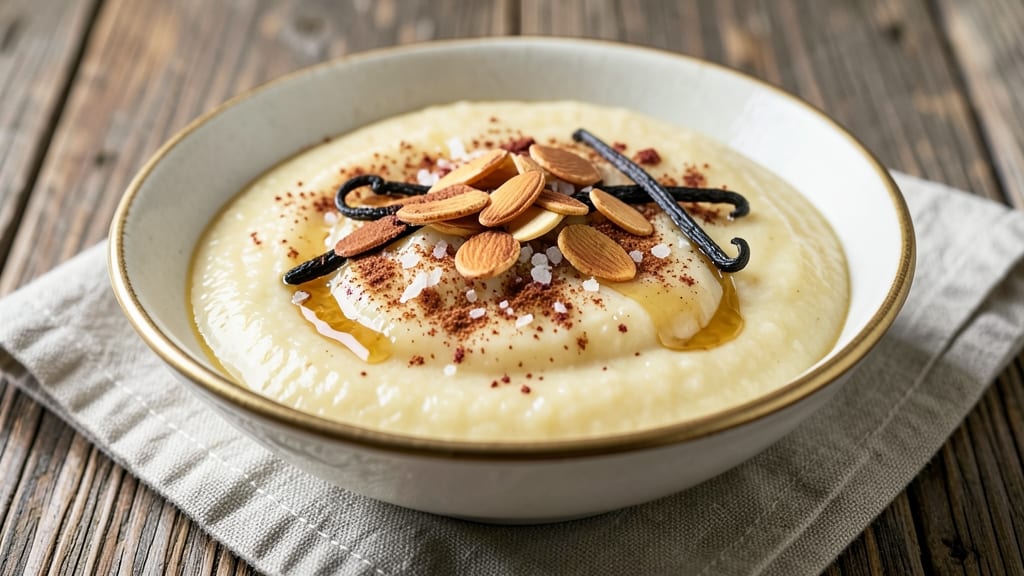
This boiled rice pudding recipe delivers the perfect balance of creamy vanilla custard and toasted almond crunch—every spoonful is comfort in dessert form. The secret lies in a precise rice-to-milk ratio and gentle simmering, which transforms ordinary rice into a velvety, dreamy texture.
I’ve perfected this version over years of testing, ensuring it’s never too thick or watery, just rich and satisfying.
The result is a dessert that’s elegant enough for dinner parties but simple enough for a weeknight treat. Toasted almonds add a satisfying crunch, while warm cinnamon and vanilla infuse the custard with cozy flavor.
Whether you serve it chilled or warm, this rice pudding is a crowd-pleaser that feels like a hug in every bite.
Ingredients for boiled rice pudding
Six simple ingredients transform into velvety comfort—no fancy techniques needed.
| Ingredient | Amount | Notes |
|---|---|---|
| Long-Grain White Rice 🍚 | 1 cup | Uncooked, rinsed thoroughly |
| Whole Milk 🥛 | 4 cups | Full-fat preferred for creaminess |
| Granulated Sugar 🍚 | ¾ cup | Adjust for sweetness preference |
| Vanilla Extract 🌿 | 2 tsp | Pure, high-quality vanilla |
| Ground Cinnamon 🌶️ | 1 ½ tsp | Freshly ground preferred |
| Salt 🧂 | ½ tsp | Kosher or sea salt |
| Unsalted Butter 🧈 | 2 tbsp | Cold, cubed for toasting almonds |
| Sliced Almonds 🥜 | ½ cup | Whole or slivered works too |
| Heavy Cream 🥛 | ½ cup | For extra richness (optional) |
| Orange Zest 🍊 | 1 tsp | Brightens the flavor (optional) |
| Orange Juice 🍊 | 2 tbsp | Freshly squeezed for brightness |
The rice is the star, so grab long-grain white rice—it stays firm and creamy. Bob's Red Mill or store-brand rice both work, but avoid instant rice. Milk matters too—whole milk gives the best texture, but 2% works in a pinch. For the almonds, Trader Joe's sliced almonds are my go-to, but any brand works. Toast them in the butter until golden—don’t walk away, they burn fast. The vanilla? Pure extract, not imitation. Trust me, it makes a difference.
No vanilla extract? Vanilla bean paste or even vanilla sugar works in a pinch. Running low on almonds? Pecans or walnuts add a different but delicious crunch. The orange zest and juice are optional but worth it for that bright pop. If you skip them, add a splash more vanilla. Heavy cream is optional, but it takes this from good to restaurant-quality. Half-and-half works too if you’re watching fat. And if your sugar is clumpy? Microwave it 20 seconds to break it up—no sifting required.
This keeps beautifully—5 days in the fridge or 3 months frozen in airtight containers. I like to portion it into jars so it’s ready for quick desserts. Reheat gently on the stove or microwave until warm through. The texture gets even better after chilling overnight—make extra. Leftovers? Perfect for breakfast bowls or ice cream topping.
Why You'll Love This Recipe
- Pantry Staples Only: This recipe uses ingredients you already own—no fancy swaps or last-minute grocery runs. I’ve made it a dozen times with whatever rice and milk I had on hand, and it still turns out creamy and sweet.
- Cinnamon-Kissed Warmth: That first sprinkle of cinnamon while it’s still hot? Pure magic. The vanilla ties it all together with a cozy, nostalgic flavor that feels like dessert but takes zero effort.
- Weeknight Magic: Stovetop in 30 minutes, no baking required. I’ve served it cold as a snack, warm with ice cream, or even reheated for breakfast—it’s the ultimate lazy dinner that somehow feels special.
- Budget-Friendly Luxury: Whole milk and rice stretch far, and sugar/cinnamon cost pennies. I’ve fed six people for under $5, and they all asked for seconds. That’s comfort food done right.
Step-by-step instructions for boiled rice pudding
Here's how to make this creamy, spiced rice pudding with a perfect texture every time.
Toast the Almonds and Cook the Rice
In a large, heavy-bottomed saucepan, melt the 2 tablespoons unsalted butter over medium heat. Add the ½ cup sliced almonds and toast them for 2-3 minutes until they turn a light golden color and smell nutty. Remove them with a slotted spoon and set aside on a paper towel to drain excess fat.
To the same pan, add the 1 cup long-grain white rice and stir to coat it in the butter. Pour in the 4 cups whole milk and bring to a gentle boil. Once boiling, reduce heat to low, cover, and let it simmer for 20 minutes. After this time, the rice should be tender but still have a slight bite—this prevents a mushy pudding. Stir occasionally to prevent sticking, and if the milk level drops below halfway up the rice, add a splash of water.
Add Sweetness and Spices
After the rice has cooked for 20 minutes, stir in the ¾ cup granulated sugar, 1½ teaspoons ground cinnamon, ½ teaspoon salt, 2 teaspoons vanilla extract, 1 teaspoon orange zest, and 2 tablespoons orange juice. Mix well to combine all ingredients thoroughly. The mixture will look thick and creamy, but don't worry—it will continue to thicken as it cooks.
Return the pan to low heat and stir frequently for another 15-20 minutes. You're looking for a pudding that coats the back of a spoon but still has a slight looseness—it should be thick enough to hold its shape when spooned but not so stiff that it cracks. Taste and adjust sweetness if needed, adding more sugar if desired. This is also the time to add the ½ cup heavy cream if you're using it for extra richness.
Finish and Rest for Perfect Texture
Once the pudding reaches the desired consistency, remove it from heat and stir in the toasted almonds. Let it sit at room temperature for 5 minutes to thicken further. This resting step is crucial—it allows the starches to fully set and the flavors to meld together. If the pudding is still too thin, return it to low heat for another 2-3 minutes to thicken slightly more.
For the best texture, transfer the pudding to serving bowls while it's still warm. Cover each bowl with plastic wrap pressed directly onto the surface to prevent a skin from forming. Refrigerate for at least 2 hours (or overnight) before serving. This chilling step is what transforms the pudding into its signature creamy, custard-like perfection. The longer it chills, the thicker and more luxurious it becomes—so plan ahead for the best results!
Pro Tips For Making Boiled Rice Pudding
- Rinse the Rice: Skip this, and your pudding turns gummy—trust me, I’ve made that mistake. Give the long-grain rice a quick cold-water rinse before cooking to remove excess starch. A 30-second swirl in a fine-mesh strainer does the trick, and you’ll notice the texture stays light and creamy instead of gluey.
- Simmer, Don’t Boil: I used to crank the heat and wonder why my milk curdled like cottage cheese. Keep the mixture at a gentle simmer—tiny bubbles at the edges, not a rolling boil. Whole milk is delicate, and aggressive heat turns it grainy. If it starts foaming, lower the flame immediately.
- Toast the Rice First: Sounds weird, but it works: Dry-toast the rinsed rice in a pan for 2-3 minutes before adding liquid. The nutty aroma deepens, and the grains stay distinct instead of mush. Just don’t walk away—burnt rice smells like regret.
- Sweeten Gradually: Dump all the sugar at once, and you’ll end up with a syrup bomb instead of a balanced pudding. Stir in half the sugar first, let it dissolve, then add the rest later. This prevents clumping and lets the flavors meld naturally—no one likes a grainy sugar surprise.
Troubleshooting your boiled rice pudding
Pudding Too Thin?
If your rice pudding turns out too thin, don’t panic—it’s fixable! The most common cause is undercooking the rice or using too much liquid.
For immediate results, return the pudding to low heat and stir constantly for 5-10 minutes, adding 1-2 tablespoons of cornstarch mixed with 1 tablespoon cold water to thicken it. Stir in the cornstarch slurry and cook until it reaches a creamy consistency.
For a smoother texture, blend it briefly with an immersion blender—just be careful not to over-blend, or it’ll lose its rustic charm. 💫
Grainy or Mushy Texture?
A grainy texture usually means the rice wasn’t cooked long enough or was stirred too much while simmering. To avoid this, stir only when necessary and reduce heat to the lowest setting after the initial boil.
If your pudding turns mushy, it might be overcooked or the wrong type of rice. Next time, use long-grain white rice and pull it off heat 5 minutes early—it’ll continue cooking slightly while resting.
For a quick fix, stir in 1 tablespoon of cold butter to smooth out the texture.
Burnt Almonds or Butter?
Toasted almonds and butter are delicate—they burn faster than you think! Keep a close eye on them and remove the almonds as soon as they turn golden (about 2-3 minutes). If the butter starts to brown too quickly, reduce the heat to medium-low.
For extra insurance, spread the almonds on a baking sheet and toast them in the oven at 350°F for 5-7 minutes—this gives you more control. A pro tip: Use sliced almonds instead of whole for even toasting. 🔥
Pudding Too Sweet?
Adjusting sweetness is easy—just taste as you go! If your pudding tastes too sweet, stir in 1-2 tablespoons of plain yogurt or sour cream to balance the flavor.
For a natural reduction, simmer the pudding uncovered for 2-3 minutes to evaporate some of the liquid (this also intensifies the vanilla and cinnamon flavors). If you prefer a less sweet version, reduce the sugar to ½ cup and add 1 extra teaspoon of cinnamon for warmth.
Trust your taste buds—they’re the best judge!
Skin Forming on Top?
A skin forming on the surface is totally normal, but it’s easy to prevent. After cooking, press plastic wrap directly onto the pudding’s surface before refrigerating. This creates a seal that keeps moisture in and prevents drying.
If a skin already forms, simply gently reheat the pudding (covered) for 1-2 minutes on the stove or microwave, then stir vigorously to break it up. For extra insurance, add a small piece of parchment paper on top before covering—it acts as a barrier and makes removal easier. ✨
Rice Not Cooking Evenly?
Unevenly cooked rice can happen if the heat isn’t consistent or the pan isn’t heavy enough. Use a heavy-bottomed saucepan (like Calphalon or All-Clad) to distribute heat evenly. If the rice is still firm in spots, simmer it uncovered for 2-3 more minutes, stirring gently.
For next time, rinse the rice thoroughly before cooking to remove excess starch, which can cause clumping. If all else fails, blend the pudding briefly—just don’t overdo it, or it’ll lose its texture. 💡
Nutrition facts
Frequently asked questions
Can I use instant rice for this boiled rice pudding?
No, instant rice won't work well here—it breaks down too quickly and makes the pudding mushy. Stick with long-grain white rice for that perfect creamy texture. The extra cooking time helps release starches gradually, giving you that signature velvety consistency.
How do I know when the pudding is done cooking?
Your pudding is ready when it coats the back of a spoon but still has slight looseness—it should hold its shape when spooned but not be stiff. Look for a 15-20 minute simmer after adding sugar and spices, stirring frequently. The longer it cooks, the thicker it gets, so taste test around 15 minutes to adjust.
Can I make this rice pudding ahead of time?
This dessert actually tastes better after chilling. Make it up to 2 days ahead and store in an airtight container in the fridge. For longer storage, freeze portions for up to 3 months. Just thaw overnight in the fridge before serving. The flavors develop beautifully over time!
What's the best way to reheat leftover rice pudding?
For the creamiest results, reheat gently on the stove over low heat, stirring constantly until warmed through. Avoid microwaving unless necessary—it can make the texture grainy. If reheating, add a splash of milk or cream to restore richness. For extra indulgence, top with fresh toasted almonds after warming.
Can I substitute dairy-free milk in this recipe?
You can try, but the texture may be thinner. For best results, use full-fat coconut milk (the creamy kind) and add 1 extra tablespoon of cornstarch to help thicken. Keep in mind the flavor will be subtly different—coconut milk adds a slight sweetness. For a neutral option, oat milk works but may require more thickening agent.