
Main Courses
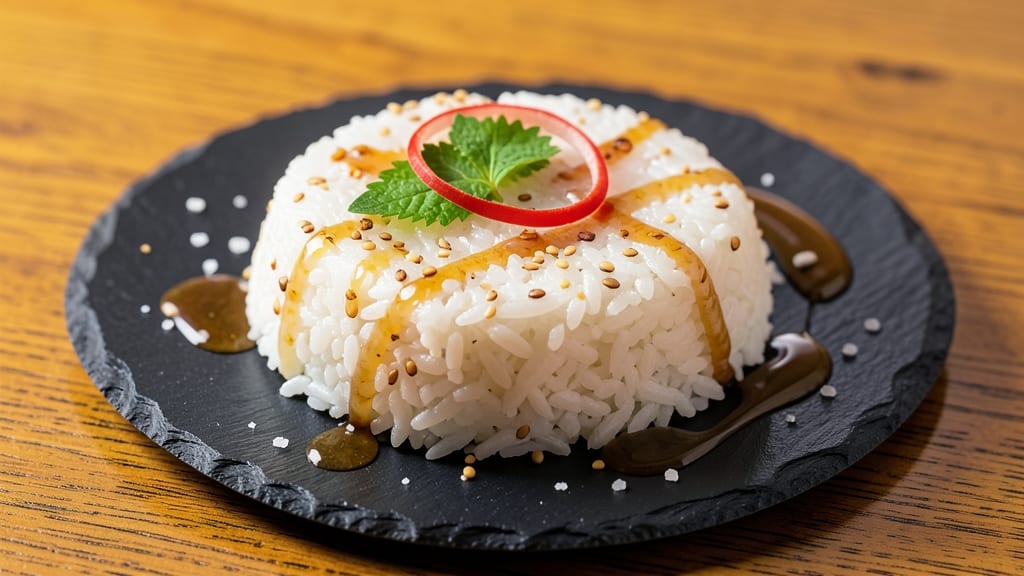
Botan sushi rice recipe transforms simple jasmine rice into the fragrant, slightly sticky foundation of every authentic sushi roll. The secret lies in perfectly balanced seasoning—just the right amount of rice vinegar, sugar, and salt—to create that signature sweet-tangy flavor with every bite. I’ve refined this method over years of making sushi at home, ensuring the rice stays tender yet firm enough to hold its shape.
What sets this apart is the toasted sesame crunch mixed into the warm rice, adding texture and depth that store-bought versions can’t match. Once mastered, this rice becomes the blank canvas for endless sushi creations—whether you’re rolling maki, stuffing nigiri, or simply enjoying it as a side.
The key is patience: washing the rice thoroughly and seasoning it just as it cools for maximum flavor absorption.
Ingredients for botan sushi rice
Jasmine rice, vinegar, sugar, and sesame seeds transform into the perfect sushi base.
| Ingredient | Amount | Notes |
|---|---|---|
| Jasmine Rice 🍚 | 2 cups | Uncooked, long-grain preferred |
| Rice Vinegar 🍶 | ⅓ cup | Seasoned or plain, unseasoned preferred |
| Granulated Sugar 🍬 | ¼ cup | White or raw cane sugar |
| Salt 🧂 | 1 ½ tsp | Kosher or sea salt preferred |
| Toasted Sesame Seeds 🌰 | ¼ cup | Lightly toasted in dry pan |
| Fresh Ginger 🧅 | 1 tbsp | Finely grated, peeled |
| Water 💧 | 2 ½ cups | Filtered preferred for flavor |
| Mirin 🍶 | 2 tbsp | Sweet rice wine, optional |
| Vegetable Oil 🫒 | 1 tbsp | For cooking rice |
| Nori Sheets 🍣 | 4 whole | For optional sushi rolling |
| Wasabi 🌶️ | 1 tbsp | Adjust to taste, optional |
| Pickled Ginger 🧅 | ¼ cup | For serving, optional |
The jasmine rice is the heart of this recipe—Daybreak brand or any high-quality long-grain works best. Koshihikari is the gold standard if you're willing to splurge, but even the basic grocery store jasmine rice delivers great results. Toasted sesame seeds are a must for that signature crunch; Trader Joe's or bulk bins are your best bets for freshness. Ginger should be freshly grated (the pre-grated kind loses potency fast), and Japanese rice vinegar from the Asian market adds depth over regular white vinegar. If you can't find mirin, a mix of rice vinegar and sugar works in a pinch.
No mirin? Substitute 1 tbsp rice vinegar plus 1 tsp sugar—it won't be identical but still delicious. Running out of sesame seeds? Toasted poppy seeds or hemp seeds add a different but pleasant texture. For the rice vinegar, rice wine vinegar in a pinch, though the flavor will be slightly sharper. The nori sheets can be swapped for seaweed snacks crushed into flakes if you're not making rolls. Fresh ginger is non-negotiable for flavor, but if you're desperate, 1/2 tsp ground ginger plus 1/4 tsp lemon juice can mimic it. The wasabi is optional but recommended—start with less and adjust to taste.
Rice keeps best in an airtight container in the fridge for 4-5 days, though it's best used within 24 hours for optimal texture. For longer storage, portion into 1-cup containers and freeze for up to 3 months. The sesame seeds and grated ginger can be prepped ahead and stored separately in the fridge for 1 week. When reheating, use a steamer basket over simmering water to avoid drying out the rice. This rice reheats beautifully—perfect for meal prep when you're making multiple sushi creations throughout the week.
Why You'll Love This Recipe
- Here’s what sold me: those toasted sesame seeds aren’t just garnish. They add this textural contrast—crunchy, nutty, and impossible to ignore—that turns plain rice into something special. Sprinkle generously, even if it means I’m picking seeds out of my teeth later.
- I’ll be real: jasmine rice is affordable, but this recipe makes it feel luxurious. A single batch stretches across three meals (or two if I’m honest), and the vinegar-sugar mix costs pennies. Plus, the sesame seeds? A little goes a long way—no need to buy fancy stuff.
Step-by-step instructions for botan sushi rice
Here's how to make perfectly fragrant, slightly sweet sushi rice with that signature sesame crunch.
Rinse the Jasmine Rice Thoroughly
Place the 2 cups jasmine rice in a fine-mesh strainer and rinse under cold running water for 2-3 minutes. Swirl the rice gently with your hands to loosen any starch, then drain. Repeat this process 3-4 times until the water runs completely clear—this removes excess starch that would make your rice gummy.
I like to spread the rice out on a clean kitchen towel after the final rinse and gently pat it dry. This extra step helps prevent clumping during cooking. The goal is to start with perfectly clean rice that will absorb water evenly and cook up fluffy rather than sticky.
Cook the Rice with Seasoned Water
In a medium saucepan, combine the rinsed 2 cups jasmine rice with the 2.5 cups water, 1.5 tsp salt, 2 tbsp mirin, and 1 tbsp vegetable oil. Bring to a boil over medium-high heat, then immediately reduce heat to low and cover tightly with a lid. Simmer for 15 minutes without lifting the lid—this steaming method creates the signature sticky yet fluffy texture.
After 15 minutes, turn off the heat but leave the rice covered. Let it sit for another 10 minutes to complete the cooking process. The residual heat will finish cooking the rice perfectly. If you peek too early, you'll release steam and potentially end up with unevenly cooked rice.
Season and Mix the Toasted Sesame
Once the rice has finished cooking, transfer it to a large, non-metallic bowl. Using a rice paddle or wooden spoon, gently fold in the 0.33 cup rice vinegar and 0.25 cup granulated sugar. Mix just enough to distribute these ingredients evenly—you want to preserve the individual grains while adding subtle sweetness and tang.
Next, sprinkle the 0.25 cup toasted sesame seeds over the rice and fold them in gently. The seeds should be evenly distributed throughout. Here's the thing—don't press down on the rice or you'll flatten the grains. Instead, use a scooping motion to gently incorporate everything while keeping the rice light and airy.
Cool and Prepare for Serving
Spread the seasoned rice evenly on a baking sheet lined with parchment paper. Let it cool to room temperature while you prepare your nori sheets and fillings. The cooling process helps the rice firm up slightly, making it easier to handle when rolling sushi. If you're short on time, you can speed this up by spreading the rice in a thin layer and using a fan to circulate air.
While the rice cools, you can prepare your optional toppings. Keep the 1 tbsp wasabi and 0.25 cup pickled ginger chilled until ready to use. The nori sheets should be kept in a dry, cool place—don't let them become damp as this can cause them to stick together or lose their crispness.
Use Immediately for Perfect Sushi
Once cooled, your botan sushi rice is ready to use. For best results, use it within 2-3 hours of cooking. The rice should be slightly sticky but still hold its shape when pressed gently between your fingers. If you need to store it, transfer to an airtight container and refrigerate for up to 2 days. Before using, spread it out on a tray and microwave for 30-45 seconds to restore its texture.
When rolling sushi, use about ½ cup of rice per roll. Wet your hands with water to prevent sticking, then shape the rice into an even rectangle before adding your fillings and nori sheet. The toasted sesame seeds will add beautiful texture and flavor to each bite, making your homemade sushi truly special.
Pro Tips For Making Botan Sushi Rice
- STEAM RICE UNTIL JUST DONE: Jasmine rice for botan sushi needs to be firm—not mushy, not dry. Cook it until it’s still slightly chewy in the center (about 10 minutes off the stove after steam disappears), then spread it on a tray to cool. Overcooking turns it gluey, and no amount of vinegar will fix that.
- DILUTE VINEGAR FIRST: Mix rice vinegar with sugar before adding salt—this prevents grainy clumps. Use 3 tablespoons vinegar, 2 tablespoons sugar, and 1 teaspoon salt per cup of rice. Stirring it cold ensures even distribution, so the rice absorbs flavor uniformly.
- TOAST SESAME SEEDS LOW: Dry-toast sesame seeds in a pan over low heat until they’re golden but not bitter (about 3–4 minutes). High heat burns them fast, and burned sesame tastes like regret. Pulse them briefly in a spice grinder afterward—just enough to break a few, not turn them into paste.
- COOL RICE FAST: Spread cooked rice in an even layer on a baking sheet and fan it with a chopstick or fork for 5 minutes. Cooling quickly locks in texture, so the vinegar dressing doesn’t turn it soggy. Skip the fan? At least space the grains—packed rice steams back into mush.
Best sauces and condiments for this botan sushi rice
Classic Soy Sauce
Start with 2 tablespoons soy sauce (I prefer Kikkoman for its balanced umami) mixed with 1 teaspoon sesame oil and a pinch of red pepper flakes for a touch of heat.
Drizzle lightly over your sushi rolls or nigiri—just enough to enhance the rice's natural sweetness without overpowering it. For extra richness, add 1 teaspoon mirin to the mix. 🍶
Spicy Mayo
Combine 2 tablespoons mayonnaise with 1 teaspoon sriracha or ½ teaspoon gochujang for a creamy, spicy kick. This sauce is perfect for California rolls or as a dipping sauce for tempura-style sushi. For a smoky twist, add ¼ teaspoon smoked paprika to the mayo before mixing. 🌶️
Eel Sauce
Simmer 2 tablespoons soy sauce, 1 tablespoon mirin, and 1 teaspoon sugar in a small saucepan over low heat until reduced by half (about 5 minutes). This thick, glossy sauce is ideal for drizzling over unagi (eel) sushi or as a glaze for grilled fish.
For extra depth, add ½ teaspoon grated ginger while simmering. 🍣
Pickled Ginger
Use the pickled ginger from your recipe as a palate cleanser between bites. Its bright, tangy flavor contrasts beautifully with the rich botan rice. For a garnish, slice it thinly and place it between pieces of sushi or on the side for dipping.
If you want to elevate it, add 1 teaspoon toasted sesame seeds to the pickling liquid before setting. 🧅
Wasabi Cream
Mix 2 tablespoons sour cream with 1 teaspoon wasabi paste (adjust to taste) and a pinch of salt for a cooling, spicy contrast. This sauce is fantastic for spicy tuna rolls or as a dip for shrimp tempura. For a smoother texture, blend it briefly before serving. 🌿
Yuzu Kosho Glaze
Whisk together 1 tablespoon yuzu kosho paste (or sub ½ teaspoon sriracha + ½ teaspoon grated yuzu zest**) with 1 teaspoon honey and a splash of water to thin.
Drizzle over sashimi or use as a glaze for grilled fish. The citrusy heat cuts through the richness of the rice beautifully. 🍋
Nutrition facts
Frequently asked questions
Why does my botan sushi rice turn out too sticky?
Over-rinsing the rice removes too many starches, while under-rinsing leaves excess starch that makes it gummy. Rinse until the water runs clear (3-4 times), then cook with just 2.5 cups water for 2 cups rice. The key is letting the rice steam covered for 15 minutes on low heat—don't peek! If it's still too sticky after cooking, spread it thin and let it cool completely before mixing in seasonings.
Can I use short-grain white rice instead of jasmine?
Yes, but jasmine rice is ideal because its aroma pairs perfectly with the toasted sesame. Short-grain white rice (like Koshihikari) will work but may lack the floral notes. If substituting, reduce water by 1/4 cup since it absorbs less. For extra flavor, add 1 tsp grated lemon zest to the seasoning mix to mimic jasmine's brightness.
How do I fix rice that's too dry or crunchy?
If your rice turns out dry, the issue is usually uneven cooking or insufficient water. For future batches, use 2.5 cups water and simmer uncovered for 12 minutes instead of 15. To revive dry rice, spread it on a tray, cover with a damp towel, and microwave for 30 seconds. A splash of 1 tsp rice vinegar while reheating also helps restore moisture.
What's the best way to store leftover botan sushi rice?
Transfer cooled rice to an airtight container and refrigerate for up to 4 days. For longer storage, freeze portions in 1-cup containers for 3 months. To reheat, spread on a tray and microwave for 45 seconds, then fluff with a fork. Avoid reheating multiple times—it makes the rice dry. For sushi rolls, use within 24 hours for best texture.
Can I make this rice without sesame seeds?
Sesame seeds add texture but aren't essential. For a different crunch, try toasted poppy seeds or crushed wasabi peas. If you prefer no seeds, simply omit them and increase the sugar by 1/4 tsp to compensate. The rice will still have that signature sweet-tangy flavor—just without the nutty crunch.