
Main Courses
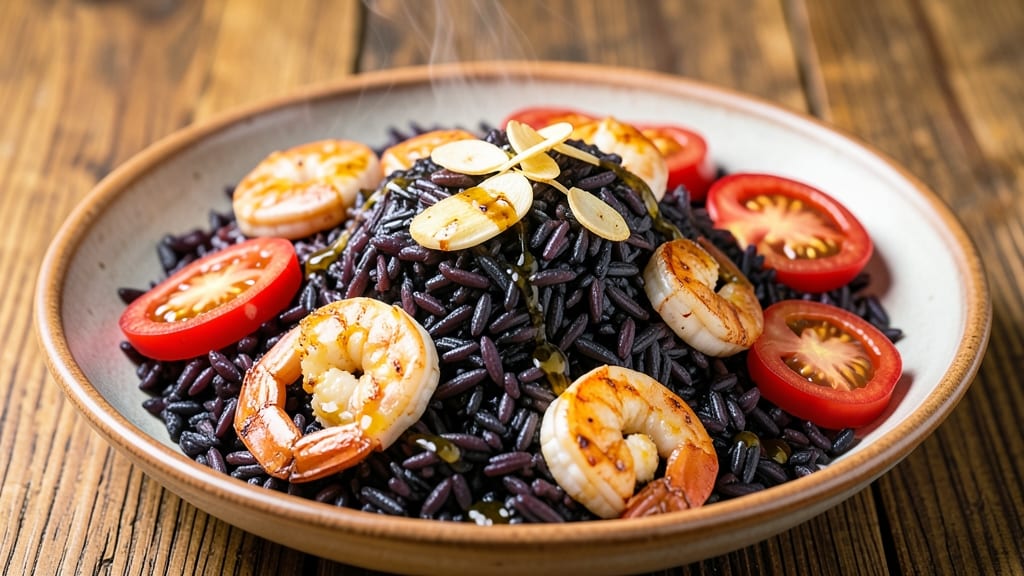
Brazilian black rice transforms ordinary meals into vibrant, flavor-packed dishes with its deep purple hue and nutty, earthy taste. This traditional recipe, known as Arroz Caruru, combines black rice with dendê oil, shrimp, and aromatic spices for a dish that's as visually stunning as it is delicious. The key lies in toasting the garlic and using dendê oil, which gives the rice its signature golden color and rich, slightly smoky flavor.
Perfectly cooked black rice absorbs the flavors of the shrimp, tomatoes, and bell peppers, creating a dish that's both hearty and balanced. The toasted garlic adds a satisfying crunch, while the dendê oil ties everything together with its unique, slightly caramelized taste.
This recipe is a celebration of Brazilian cuisine, bringing the bold flavors of the Northeast directly to your table.
Ingredients for brazilian black rice
Authentic Brazilian flavors start with these vibrant ingredients transforming simple rice into a deep purple masterpiece.
| Ingredient | Amount | Notes |
|---|---|---|
| Brazilian Black Rice 🌾 | 1 cup | Uncooked, rinsed well before use |
| Dendê Oil 🫒 | ¼ cup | Authentic Brazilian palm oil |
| Large Shrimp 🦐 | 1 ½ lb | Peeled, deveined, heads removed |
| Garlic Cloves 🧄 | 6 cloves | Fresh, peeled, for toasting |
| Red Bell Pepper 🌶️ | 1 whole | Medium size, diced |
| Roma Tomatoes 🍅 | 3 whole | Ripe, diced, seeds removed |
| Yellow Onion 🧅 | 1 whole | Medium, finely chopped |
| Fresh Cilantro 🌿 | ¼ cup | Chopped, stems removed |
| Bay Leaves 🌿 | 2 whole | Dried, crushed lightly |
| Ground Black Pepper 🌶️ | ½ tsp | Freshly ground preferred |
| Salt 🧂 | 1 ½ tsp | Diamond Crystal preferred |
| Extra-Virgin Olive Oil 🫒 | 1 tbsp | For initial sautéing |
| Lemon Juice 🍋 | 2 tbsp | Freshly squeezed |
The black rice is the star—look for Brazilian import varieties at specialty Latin markets or online retailers like Amazon Fresh for the deepest purple hue. Dendê oil is non-negotiable for authentic flavor; Sabor Brazilian Foods sells it in small bottles perfect for this recipe. Shrimp should be fresh or previously frozen—U.S. #1 or #2 count works best. Toasting the garlic until golden-brown is critical for that signature crunch, so don't skip this step. The bell pepper and tomatoes should be vine-ripened for natural sweetness, and Heirloom varieties add extra depth of flavor.
No dendê oil? Substitute with a mix of olive oil and a pinch of smoked paprika for color, though the flavor won't be identical. Shrimp allergies? Swap for smoked tofu or extra chickpeas—both hold up well to the long cooking time. Fresh cilantro is ideal, but dried at one-third the amount works in a pinch. For the tomatoes, San Marzano canned in a pinch (drained well) saves time without sacrificing quality. The bay leaves can be omitted if you prefer a cleaner flavor profile, but they're traditional for a reason—they add subtle earthiness that complements the rice beautifully.
Store the cooked rice in an airtight container with a thin layer of dendê oil on top to preserve its rich color and flavor—keeps for 4-5 days in the fridge. For longer storage, freeze portions in single-serving containers for up to 3 months. The shrimp can be pre-cooked and stored separately, then reheated with the rice when serving. This dish reheats beautifully, with the flavors actually deepening overnight as everything melds together—perfect for meal prep.
Why You'll Love This Recipe
- One-Pan Magic: The rice and shrimp cook together—no fancy layers, no separate pots. Just toss everything in one skillet with dendê oil, cover, and forget about it for 20 minutes. My lazy Sundays just got a whole lot easier.
- Rich, Nutty Depth: That black rice? It’s like earthy mushrooms and toasted nuts had a baby. Add the dendê oil—sweet, almost caramel-like—and suddenly you’ve got a dish that tastes like a Bahian sunset. The shrimp just melts into it, no extra sauce needed.
- Weeknight to Party: Same recipe, totally different vibes. Serve it with lime wedges and avocado for a quick weeknight dinner, or add a sprinkle of cilantro and a side of farofa for a weekend feast. Honestly, I’ve pulled this off for both my roommate’s Taco Tuesday and my mom’s birthday dinner.
- Leftovers That Don’t Suck: Most rice turns into sad, dry glue after day two. Not this. The dendê oil keeps it moist, and the shrimp reheats like it’s fresh. I’ve had this for lunch three days in a row—no complaints, just full stomachs. (Yes, even on a Tuesday night.)
Step-by-step instructions for Brazilian black rice with toasted garlic crunch
Here's the method to transform vibrant Brazilian black rice into a rich, aromatic base for this shrimp dish.
Toast the Garlic and Build the Flavor Base
Heat the 1 tablespoon extra-virgin olive oil in a large pot over medium-low heat. Add the 6 cloves garlic cloves and the 2 crushed bay leaves. Cook gently for 3-4 minutes until the garlic turns a golden brown color and releases its fragrant aroma.
Real talk: This is where the magic starts. The garlic should smell deeply nutty and toasted—not burned. If it starts to darken too quickly, reduce the heat immediately. Once toasted, remove the garlic cloves and set aside, reserving the aromatic oil for the rice. This step creates the foundation for the dish's complex flavor profile.
Sauté the Aromatic Vegetables
In the same pot, add the 1 tablespoon olive oil that remains from toasting the garlic. Increase heat to medium and add the 1 whole yellow onion and 1 whole red bell pepper, both finely chopped. Sauté for 5-6 minutes until the onion becomes translucent and the bell pepper softens slightly.
Add the 3 whole Roma tomatoes, diced and seeds removed, along with the 0.5 teaspoon ground black pepper and 1.5 teaspoon salt. Cook for another 4-5 minutes until the tomatoes break down and the mixture forms a thick, flavorful base. This process concentrates the vegetables' natural sweetness into the sauce, which will later infuse the rice.
Cook the Brazilian Black Rice
Add the 1 cup Brazilian black rice to the pot, stirring to coat the grains evenly with the vegetable mixture. Pour in 2 cups of water (or enough to cover the rice by about 1 inch) and bring to a gentle boil. Once boiling, reduce heat to low, cover the pot with a tight-fitting lid, and simmer for 30-35 minutes without lifting the lid.
Here's the thing—black rice needs patience. After 30 minutes, check the rice for doneness. It should be tender but still slightly firm to the bite. If the water hasn't been fully absorbed, continue cooking for another 5 minutes. The rice should have a creamy texture with a deep purple hue, indicating it's fully cooked and ready to absorb the remaining flavors.
Incorporate the Dendê Oil and Finish the Rice
Once the rice is tender, remove the pot from heat and let it sit covered for 5 minutes. Stir in the 0.25 cup dendê oil and the reserved toasted garlic cloves. The dendê oil will give the rice its signature rich, slightly nutty flavor and vibrant color. Gently fold the oil into the rice until evenly distributed.
Return the pot to low heat and cook for an additional 2-3 minutes, allowing the rice to absorb the oil completely. The rice should now have a glossy sheen and a deep, luxurious purple color. This step is crucial—it transforms the rice from simply cooked to restaurant-quality.
Prepare the Shrimp and Combine
In a separate skillet, heat the 0.25 cup dendê oil over medium-high heat. Add the 1.5 lb large shrimp and cook for 2-3 minutes per side until they turn a vibrant pink and are fully opaque. Season with an additional 0.5 teaspoon salt and 0.25 teaspoon ground black pepper if needed.
Once the shrimp are cooked, remove them from the heat and set aside. Add the 2 tablespoons lemon juice to the rice, stirring gently to incorporate. Fold in the 0.25 cup fresh cilantro and the cooked shrimp. The dish should now have a harmonious blend of smoky, garlicky, and citrusy flavors, with the shrimp adding a delicate sweetness that complements the rich rice.
Pro Tips For Making Brazilian Black Rice
- Soak the Rice First: Brazilian black rice needs a good 30-minute soak in water—don’t skip this. The grains stay firm and absorb flavors better, and the texture won’t turn mushy when you cook it with the shrimp. (Yes, even if you’re impatient like me.)
- Sear Shrimp in Batches: Crowding the pan makes shrimp steam instead of sear—result? Bland, rubbery shrimp. Cook them in 2-3 batches over medium-high heat until they’re just opaque, then set aside. The extra time upfront guarantees crispy edges.
- Toast the Garlic Low: After cooking the rice, let that garlic and bell pepper sizzle in dendê oil for 2-3 minutes on low heat. High heat burns dendê oil fast, turning it bitter—you want nutty, not acrid. Trust the slow simmer.
- Save the Oil: The leftover dendê oil after cooking is liquid gold—strain it into a jar and refrigerate. Use it for frying, drizzling over salads, or even as a finishing oil for future dishes. (Your future self will thank you.)
Regional styles of this dish
Northeast Brazil Style
The most traditional version of this dish comes from Bahia, Brazil's Northeast region, where it's called Arroz Caruru. Here, the rice is cooked with dendê oil, shrimp, and a mix of tomatoes, bell peppers, and garlic, creating a dish that's both hearty and flavorful.
The dish is often served with farofa (toasted cassava flour) on top for added crunch and texture. 🌶️
In Bahia, this dish is a staple at celebrations and family gatherings. The key to authentic flavor is using fresh dendê oil—no substitutes can fully replicate its rich, slightly smoky taste.
The shrimp is usually peeled but left with the tail on, adding a touch of elegance to the presentation. This version is all about bold, vibrant flavors that reflect the region's love for seafood and spices.
Southeast Brazil Twist
In Rio de Janeiro and São Paulo, the dish takes on a slightly lighter approach, often called Caruru de Feijão Preto. Here, the rice is sometimes mixed with black beans or lentils to add extra protein and heartiness.
The dish is often served with a side of moqueca (a coconut-based seafood stew) to create a full, satisfying meal. 🦐
The Southeast version also incorporates more fresh herbs like cilantro and parsley, giving the dish a brighter, fresher profile. The shrimp is often marinated in lime juice before cooking, which adds a tangy contrast to the rich, nutty rice.
This style is perfect for those who enjoy a balance of textures and flavors in every bite.
Amazon Region Adaptation
In the Amazon region, where black rice is native, the dish is often prepared with local fish instead of shrimp, reflecting the region's abundant freshwater resources. The rice is cooked with wild herbs like tucupi (a palm fruit juice) and camu-camu (a tart berry), adding unique, earthy flavors.
This version is lighter but equally flavorful, showcasing the Amazon's rich biodiversity. 🌿
The Amazon adaptation also includes toasted peanuts or cashews for added crunch and richness. The dish is often served with grilled plantains or farinha de mandioca (cassava flour) to complement the smoky, nutty flavors of the rice.
This version is a celebration of the Amazon's natural ingredients and sustainable cooking traditions.
Modern Urban Adaptations
In modern Brazilian cities, chefs are reimagining this classic dish with fusion flavors. For example, some versions include quinoa or brown rice mixed with black rice for added texture and nutrition.
Others incorporate smoked paprika or chipotle for a spicy kick, making the dish more appealing to adventurous eaters. 🔥
Urban adaptations also often feature vegan or vegetarian versions, using tofu, tempeh, or jackfruit as protein substitutes. The dish might also be served in a bowl format, with toppings like avocado, pickled onions, and a drizzle of spicy mayo for a contemporary twist.
These modern takes keep the dish fresh and relevant while staying true to its roots.
Nutrition facts
Frequently asked questions
What makes Brazilian black rice different from regular rice?
Brazilian black rice (also called forbidden rice) has a deep purple hue and nutty, earthy flavor from its high anthocyanin content. Unlike white rice, it stays firm when cooked and absorbs flavors beautifully—perfect for dishes like this one where dendê oil and shrimp infuse its texture. The grains also retain their shape better, making it ideal for mixed dishes.
Can I substitute dendê oil if I can't find it?
While dendê oil is essential for authentic flavor, you can use a mix of 1/4 cup olive oil + 1/2 teaspoon smoked paprika for color. For a closer match, try 1 tablespoon coconut oil + 1/4 teaspoon liquid smoke. However, the flavor won't be identical—dendê oil's rich, slightly smoky taste is what makes this dish uniquely Brazilian.
How do I know when the black rice is fully cooked?
The rice is done when it's tender but still slightly firm to the bite (about 30-35 minutes of simmering). It should have a deep purple color and the water should be mostly absorbed. If it's still crunchy, add 2 tablespoons water and cook another 5 minutes. Overcooking turns it mushy—black rice needs gentle, even heat.
What's the best way to serve this dish?
Traditionally, it's served with farofa (toasted cassava flour) sprinkled on top for crunch. Pair it with grilled plantains, a simple salad, or moqueca (Brazilian seafood stew) for a complete meal. The dish reheats well—store leftovers in an airtight container with a thin layer of dendê oil on top to preserve its rich color.
Can I make this recipe vegetarian?
Replace the shrimp with 1 cup chickpeas or smoked tofu, cooked until tender. For extra protein, add 1/2 cup black beans to the rice during cooking. The dish will still be hearty and flavorful—just ensure the vegetables are well-seasoned with salt and black pepper to compensate for the missing shrimp's sweetness.