
Main Courses
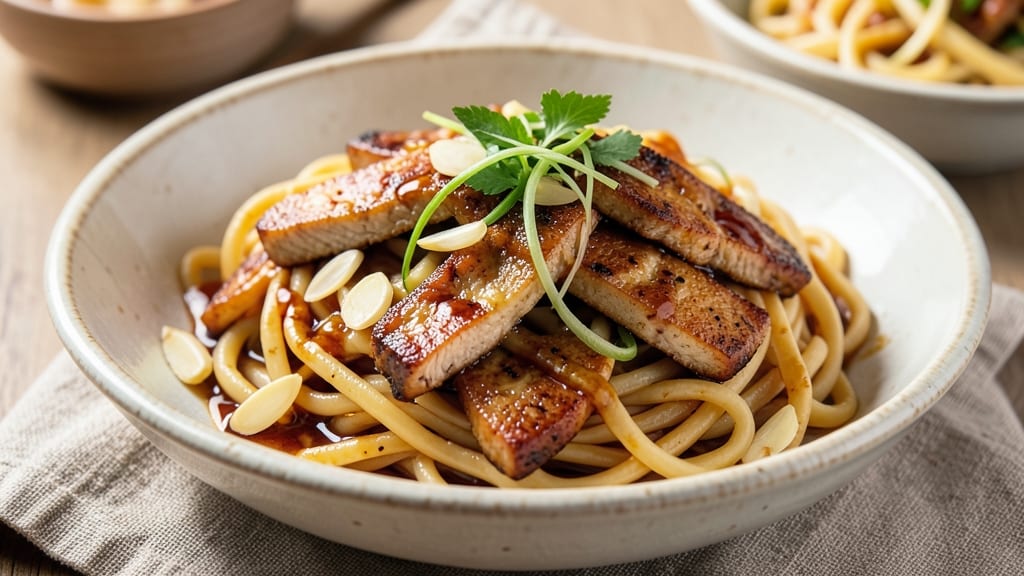
This broad rice noodle recipe delivers restaurant-quality wok-tossed noodles with chewy al dente texture and a rich, umami-packed sauce that clings perfectly to each strand.
The secret lies in high-heat wok tossing and a balanced sauce of soy, fish sauce, and a touch of sweetness that transforms simple ingredients into a deeply satisfying dish.
Perfect for weeknight dinners or weekend feasts, this recipe combines traditional techniques with modern convenience—ready in under 30 minutes with just a few pantry staples.
The noodles absorb the sauce beautifully while maintaining their signature chewiness, and the aromatic herbs and proteins add layers of flavor that make every bite irresistible.
Ingredients for broad rice noodle
High-quality noodles and aromatic essentials create restaurant-style wok-tossed perfection in minutes.
| Ingredient | Amount | Notes |
|---|---|---|
| Broad Rice Noodles 🍜 | 8 oz | Dried, medium-width preferred |
| Extra-Virgin Olive Oil 🫒 | 2 tbsp | High smoke point for wok tossing |
| Sesame Oil 🌿 | 1 tbsp | Toasted for aromatic finish |
| Garlic Cloves 🧄 | 6 cloves | Minced finely for even distribution |
| Fresh Ginger 🌿 | 1 tbsp | Grated finely, peel removed |
| Low-Sodium Soy Sauce 🍶 | ½ cup | Kikkoman preferred for balance |
| Fish Sauce 🐟 | 1 ½ tbsp | Red Boat brand recommended |
| Brown Sugar 🍯 | 1 tbsp | Lightly packed for sweetness |
| Chicken Stock 🍲 | ¼ cup | Homemade or high-quality low-sodium |
| Thai Chili Paste 🌶️ | 1 tbsp | Maesri brand for authentic heat |
| Green Onions 🧅 | ¼ cup | Thinly sliced, white and green parts |
| Fresh Cilantro 🌿 | ¼ cup | Chopped finely for garnish |
| Lime Wedges 🍋 | 2 whole | For serving, freshly cut |
| Protein Option (Chicken or Tofu) 🍗 | 1 lb | Thinly sliced chicken breast or firm tofu |
| Diamond Crystal Kosher Salt 🧂 | ½ tsp | For seasoning and sauce balance |
The broad rice noodles are the foundation—look for medium-width dried noodles at Asian markets or well-stocked grocery stores like Whole Foods or Trader Joe's. Brands like Three Ladies or Vietnamese rice noodles work best, but avoid pre-cooked or instant varieties. The protein choice matters too: chicken breast should be thinly sliced against the grain, while firm tofu must be pressed and cut into strips. For the fish sauce, Red Boat delivers consistent quality without overpowering fishy notes, though Thai Kitchen is a budget-friendly alternative. Fresh ginger and garlic should be vibrant and firm—no shriveled roots or dried cloves.
No sesame oil? Toasted peanut oil works in a pinch, though the flavor profile shifts slightly. Substituting white miso paste for fish sauce (at half the amount) adds depth but requires adjusting salt levels. For heat-sensitive diners, reduce the Thai chili paste to 0.5 tbsp and add 1 tsp sugar to balance. The brown sugar can be swapped for honey (though it's not vegan) or maple syrup for a more refined sweetness. When prepping, toast the garlic and ginger in the wok for 30 seconds before adding oil—this unlocks their aromatic potential without burning. The green onions should be sliced into 0.5-inch pieces for maximum crunch.
Fresh herbs like cilantro and green onions lose potency quickly, so store them separately in airtight containers with a paper towel to absorb moisture. The cooked noodles reheat beautifully—microwave for 45 seconds with a splash of water and a pinch of salt to restore texture. For meal prep, portion sauce separately and toss with noodles just before serving to maintain al dente bite. The lime wedges should be cut fresh daily; pre-cut limes oxidize and lose brightness within hours. This dish keeps for 3 days refrigerated but tastes best within 24 hours when the flavors meld.
Why You'll Love This Recipe
- No-Soaking Needed: I keep a bag of these broad rice noodles in my pantry—they cook in minutes, no pre-soaking drama. Just toss them in boiling water for 2-3 minutes, and they’re tender but still hold their shape. That’s 10 minutes saved right there.
- Umami Bomb Combo: The sesame oil hits first—nutty, warm, and immediate—then the garlic and ginger sizzle in olive oil until fragrant. That crispy edge on the garlic? It’s the secret weapon. The noodles soak it all up like a sponge.
- Lunchbox Hero: Between us, this is my go-to for packed lunches. The noodles stay soft for hours, and I just stash the sauce in a small jar. Add leftover grilled chicken or quick-pickled veggies, and suddenly you’ve got a meal that’s actually exciting after work.
- Pantry Staple Magic: Honestly, this recipe costs me less than $5 for a week’s worth of meals. Broad rice noodles are cheaper than pasta, and the oils/garlic/ginger are basics I already have. Plus, leftovers reheat like a dream—no mushy texture, just that same perfect bite.
Step-by-step instructions for wok-tossed broad rice noodles
Master the perfect al dente texture and umami balance with this precise technique.
Prepare the Protein and Aromatics
Slice the 1 lb protein option (chicken breast or firm tofu) into thin, even strips about ¼-inch thick. For chicken, cut against the grain for optimal tenderness. Pat dry with paper towels to ensure proper searing.
Finely mince the 6 cloves garlic cloves and grate the 1 tbsp fresh ginger using a microplane. The goal is to create a paste-like consistency for even distribution in the sauce. Set these aside in separate small bowls.
Cook the Protein to Perfect Doneness
Heat a wok or large skillet over high heat until a drop of water sizzles violently upon contact. Add the 2 tbsp extra-virgin olive oil and swirl to coat. Add the protein in a single layer and cook undisturbed for 1-2 minutes until golden brown on one side.
Stir and continue cooking for another 2-3 minutes until the protein reaches 165°F for chicken or is lightly golden for tofu. Remove from the wok and set aside. The residual heat will carry over to finish cooking.
Create the Umami-Packed Sauce
In the same wok, reduce heat to medium and add the minced garlic and ginger. Cook for 30 seconds until fragrant but not browned. Add the 1 tbsp Thai chili paste and stir for 10 seconds to toast the spices.
Pour in the 0.5 cup low-sodium soy sauce, 1.5 tbsp fish sauce, and 1 tbsp brown sugar. Stir constantly for 1 minute until the mixture thickens slightly. Add the 0.25 cup chicken stock and bring to a gentle simmer.
Cook the Noodles to Al Dente Perfection
Bring a separate pot of water to a rolling boil and add the 8 oz broad rice noodles. Cook for 1 minute less than package instructions (typically 2-3 minutes) for al dente texture. Drain immediately and rinse briefly under cold water to stop cooking.
Return the drained noodles to the pot and toss with 1 tsp sesame oil to prevent sticking. Add the cooked protein back to the wok with the sauce and toss vigorously for 1-2 minutes until everything is evenly coated.
Finish and Garnish
Divide the noodles among 4 serving plates. Garnish each portion with 1 tbsp green onions and 1 tbsp fresh cilantro. Serve with the 2 whole lime wedges on the side for a bright, acidic contrast.
For optimal texture, serve immediately while the noodles are hot and the sauce clings perfectly. The dish should balance sweet, salty, spicy, and umami flavors with each bite.
Pro Tips For Making Broad Rice Noodle
- SOAK NOODLES LONG ENOUGH: I learned this the hard way—those broad rice noodles need at least 15 minutes in warm water (not boiling) or they’ll turn to mush when you toss them. If you’re short on time, use the "microwave soak": cover them with hot water, pop in for 5 minutes, then let them sit another 10.
- STIR-FRY GARLIC FAST: Slice those garlic cloves lengthwise (not crosswise) so they cook in 10 seconds instead of burning. Toss them in with the sesame oil first—high heat, then immediately add the ginger. If you wait, you’ll end up with bitter, overcooked garlic.
- DON’T BOIL THE NOODLES DRY: Broad rice noodles go from perfect to gluey in seconds. Drain them when they’re just tender—about 2 minutes after they float—and rinse with cold water to stop cooking. Leaving them in the pot one second longer turns your dish into a sad, sticky mess.
- SWAP OLIVE OIL FOR FINISHING: Use extra-virgin olive oil for cooking (it’s stable at high heat), but save the sesame oil for the last minute. Toss the noodles with it off the heat—it’ll smell amazing and won’t burn. (Yes, even if you’re impatient like me.)
Make-ahead tips for this broad rice noodle
Prep Ahead Sauce
The sauce is the heart of this dish and can be made 2 days in advance for maximum flavor development. Combine all sauce ingredients—soy sauce, fish sauce, brown sugar, chicken stock, and Thai chili paste—in a small saucepan over low heat and simmer for 10 minutes until slightly reduced.
Let it cool completely, then transfer to an airtight container and refrigerate. When ready to cook, simply reheat in a small pot over medium heat for 2-3 minutes until warmed through. This step saves 15 minutes on busy weeknights! 🔥
Noodle Prep Shortcut
Save time by prepping the noodles the night before. Cook the 8 oz broad rice noodles for 1 minute less than package instructions (usually 2-3 minutes), drain, and rinse with cold water. Toss with 1 tsp sesame oil to prevent sticking, then spread on a baking sheet to cool.
Store in a resealable plastic bag in the fridge for up to 24 hours. When ready to cook, simply reheat in the wok with the sauce—no soggy texture guaranteed! ⏰
Protein Prep Strategy
For the 1 lb protein (chicken or tofu), marinate overnight for extra flavor. Toss chicken with 1 tbsp soy sauce, 1 tsp fish sauce, and ½ tsp grated ginger, then refrigerate. For tofu, press for 30 minutes to remove excess water, then slice and pat dry.
Store both in airtight containers for up to 24 hours. Cook directly from the fridge—just increase wok time by 1-2 minutes to account for cold protein. 💪
Herb Storage Hack
Fresh herbs like cilantro and green onions wilt quickly, but you can extend their life by storing them separately in airtight containers with a paper towel to absorb moisture. Chop them just before serving to keep their vibrant color and crisp texture.
If prepping ahead, store the herbs in the crispest part of your fridge (usually the top shelf) and use within 3 days. For extra freshness, wrap the stems in aluminum foil before storing. 🌿
Full-Meal Assembly
Assemble the entire dish 30 minutes before serving to let flavors meld. Cook the noodles, protein, and sauce separately, then combine in the wok just before plating. Keep the noodles and protein warm in 200°F oven while you reheat the sauce.
Garnish with herbs and lime wedges right before serving to maintain freshness. This approach ensures hot, restaurant-quality noodles with minimal last-minute stress. ✨
Freezer-Friendly Sauce
For long-term storage, freeze the sauce in ice cube trays for easy portioning. Once frozen, transfer cubes to a freezer bag and store for up to 3 months. When ready to use, thaw overnight in the fridge, then reheat gently in a small pot.
This method preserves the sauce’s depth of flavor and makes it perfect for quick weeknight meals. Just add freshly cooked noodles and protein when ready to serve! ❄️
Nutrition facts
Frequently asked questions
Can I substitute broad rice noodles with other noodle types?
For this recipe, stick with broad rice noodles—their chewy texture and neutral flavor work best with the umami-packed sauce. However, you can use rice stick noodles or vermicelli in a pinch, but they'll be thinner and cook faster. Never substitute wheat-based noodles like spaghetti—they'll absorb too much sauce and lose their texture.
How do I prevent the noodles from sticking together?
After draining, rinse the noodles briefly under cold water to stop cooking, then toss immediately with 1 tbsp sesame oil while still in the pot. Spread them on a baking sheet for 5 minutes before combining with the sauce. This creates a light barrier that prevents clumping. For extra insurance, add ½ tsp cornstarch to the cooking water.
What if I can't find Thai chili paste?
Use ½ tsp cayenne pepper plus ½ tsp sugar for a similar heat level, or swap for 1 tbsp sriracha (reduce fish sauce by ½ tbsp to balance sweetness). For no-heat versions, omit entirely and add 1 extra tbsp brown sugar instead. The dish will still taste delicious—just less spicy!
Can I make this recipe vegetarian or vegan?
Replace chicken with firm tofu (pressed and sliced) or mushrooms (shiitake or oyster). For vegan sauce, use coconut aminos instead of fish sauce and vegan chicken stock. The umami comes from mushrooms, soy sauce, and coconut aminos—just taste as you go.
Why does my sauce taste too salty?
Fish sauce and soy sauce are both salty—reduce each by ½ tbsp if needed. For balance, add 1 tsp brown sugar or ½ tsp lime juice to cut the saltiness. Always taste as you go! If you've already added too much, dilute with 1 tbsp warm water and adjust other flavors.