
Main Courses
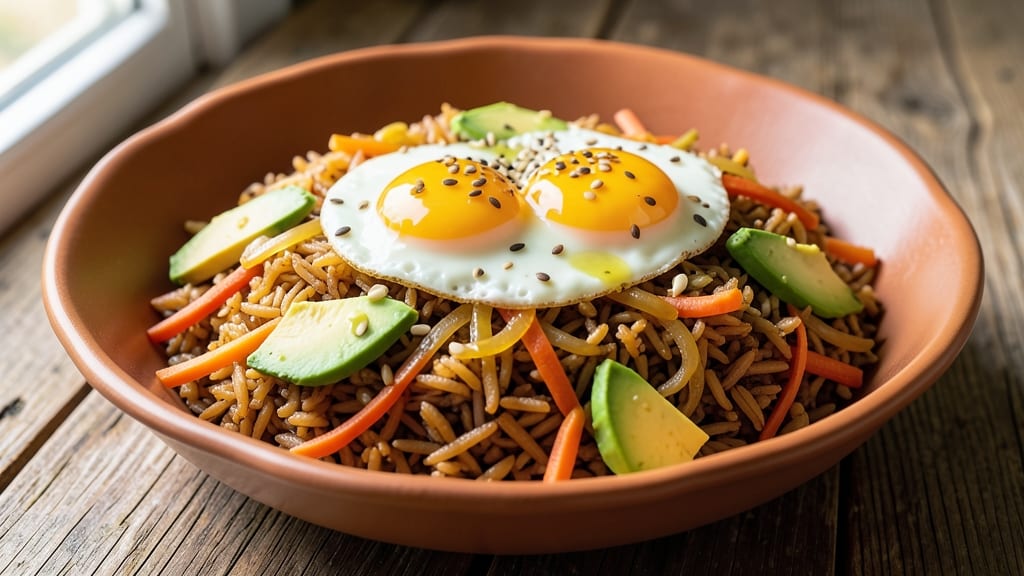
This brown basmati fried rice recipe transforms simple ingredients into a nutty, aromatic dish that stands apart from traditional white rice versions. The key lies in perfectly toasted grains that absorb flavors while maintaining their chewy texture, creating a base that's far more complex than standard fried rice.
What sets brown basmati apart is its inherent nuttiness, which develops beautifully during stir-frying and pairs exceptionally well with wok-heated aromatics.
With just a few essential ingredients—brown basmati rice, high-heat oil, and fundamental seasonings—you'll create a dish that's both restaurant-quality and remarkably simple to prepare. The technique focuses on proper rice-to-oil ratio, precise heat control, and strategic ingredient layering to achieve that signature wok-fried texture while preserving the rice's natural chewiness.
This method ensures every bite delivers balanced flavors and satisfying texture.
Ingredients for brown basmati fried rice
Fourteen ingredients transform brown basmati into restaurant-quality fried rice with nutty depth and wok-heated aromatics.
| Ingredient | Amount | Notes |
|---|---|---|
| Brown Basmati Rice 🍚 | 1 ½ cups | Uncooked, long-grain variety |
| Avocado Oil 🫒 | 3 tbsp | High smoke point for wok-heating |
| Eggs 🥚 | 2 whole | Large, beaten for scrambling |
| Garlic Cloves 🧄 | 4 cloves | Minced, fresh for aroma |
| Small Yellow Onion 🧅 | 1 whole | Diced, sweet variety preferred |
| Frozen Carrots 🥕 | ½ cup | Small dice, thawed |
| Frozen Peas 🌱 | ½ cup | Thawed, no need to cook |
| Soy Sauce 🥢 | 3 tbsp | Light or all-purpose |
| Sesame Oil 🫒 | 1 tbsp | Toasted, for finishing |
| Fresh Ginger 🌿 | 1 tbsp | Grated, aromatic |
| Green Onions 🧅 | 3 whole | Thinly sliced, white and green |
| Diamond Crystal Kosher Salt 🧂 | ½ tsp | Adjust to taste |
| Ground White Pepper 🌶️ | ¼ tsp | Freshly ground preferred |
| Sesame Seeds 🌾 | 1 tbsp | Toasted, for garnish |
The brown basmati is non-negotiable—its chewy texture and nutty undertones distinguish this from standard fried rice. Look for well-marked basmati varieties at specialty grocers like Whole Foods or Safeway's international section, where you'll find properly aged grains. Freshly toasted sesame oil from Kikkoman or La Choy elevates the dish; avoid the cheap, flavorless versions. For the garlic and ginger, organic varieties from the produce section deliver superior aroma. Pre-diced frozen vegetables streamline prep without sacrificing texture, but if using fresh, cut them uniformly for even cooking.
No sesame oil? Peanut oil works in a pinch, though it carries a different profile. Substitute frozen peas with thawed corn or diced bell peppers for color variation. The soy sauce can be swapped for coconut aminos if gluten-free is required, though flavor depth will differ. For extra protein, add 1 cup cooked shrimp or diced tofu at the end. When measuring rice, use the 'two-finger' method—pack grains firmly to ensure proper hydration. The eggs should be beaten until just combined to create silky curds during scrambling.
Rice reheats beautifully—microwave 2 minutes with a splash of water to restore moisture. Store cooked rice in an airtight container for 4-5 days or freeze for up to 3 months. For best texture, spread rice on a tray to cool before refrigerating. The sesame seeds toast best in a dry skillet over medium heat for 1-2 minutes—watch closely to avoid burning. Garnish with extra green onions and a drizzle of sesame oil just before serving to preserve freshness.
Why You'll Love This Recipe
- No-Chop Nightmare: I swear by this recipe because you can dice that onion and mince garlic while the rice cooks—no rushing. The brown basmati holds its shape perfectly, so you’re not stuck with mush, and the avocado oil adds a subtle richness without overpowering.
- Garlic Bomb Flavor: That first sizzle of garlic in avocado oil? Pure magic. The nutty brown rice soaks it up while the eggs add a creamy contrast—crispy edges, runny yolks, and a savory punch that makes takeout feel like a betrayal.
- Lunchbox Hero: Between us, this is my go-to for meal prep because it reheats like a dream. Pack it cold for work or microwave it for a lazy night—still tastes fresh, and the brown rice keeps you full longer than white. (Yes, even on a Tuesday night.)
- Budget Magic: Brown basmati might cost a little more upfront, but one bag stretches for weeks. Eggs and onions are cheap staples, and you’ll use every bit of garlic before it goes bad. It’s the kind of dish that makes grocery bills feel less scary.
Step-by-step instructions for brown basmati fried rice
Master the wok-heat technique for perfectly nutty grains and vibrant aromas.
Prepare the Brown Basmati Rice for Cooking
Rinse the 1.5 cups brown basmati rice under cold water until the water runs clear, then drain in a fine-mesh strainer. This removes excess starch, preventing gummy texture. Spread the rice on a clean kitchen towel and pat dry gently—moisture is the enemy of crispy fried rice.
In a medium saucepan, combine the drained rice with 3 cups water (use the 1:2 rice-to-water ratio) and bring to a boil. Once boiling, reduce heat to low-medium, cover, and simmer for 35-40 minutes until the rice is tender but still slightly firm. Avoid overcooking—you want grains with a bite, not mushy centers. Drain any remaining water and spread the rice on a tray to cool completely before frying.
Scramble the Eggs and Sauté Aromatics
Heat 1 tablespoon of the avocado oil in a wok or large skillet over medium-high heat until shimmering. Crack the 2 whole eggs into a bowl, season lightly with 0.25 teaspoon ground white pepper, and whisk vigorously. Pour the eggs into the hot wok and let them sit undisturbed for 10-15 seconds until the edges set.
Use a spatula to gently fold the eggs into soft curds, then remove them and set aside. Add the remaining 2 tablespoons avocado oil to the wok and increase heat to high. Toss in the minced 4 cloves garlic and diced 1 whole small yellow onion, cooking for 2-3 minutes until fragrant and the onion turns translucent. This step builds the aromatic foundation—don’t rush it.
Fry the Rice with Vegetables and Seasonings
Add the cooled brown basmati rice to the wok in a single layer, spreading it evenly with your spatula. Stir-fry for 3-4 minutes until the rice grains are evenly coated in oil and begin to sizzle. This high-heat step is critical—it reactivates the starches for that signature crispy texture.
Push the rice to one side of the wok and add the 0.5 cup thawed frozen carrots and 0.5 cup thawed frozen peas. Stir-fry for 2 minutes until the vegetables soften slightly but retain their shape. Pour in the 3 tablespoons soy sauce and 1 tablespoon grated fresh ginger, tossing everything together. Sprinkle with the 0.5 teaspoon diamond crystal kosher salt and continue frying for another 2-3 minutes until the rice is heated through and the flavors meld.
Finish with Sesame Oil and Garnish
Reduce the heat to medium and drizzle in the 1 tablespoon sesame oil, immediately tossing the fried rice to coat evenly. The oil will infuse a nutty aroma and glossy sheen. Return the scrambled eggs to the wok and fold them into the rice, distributing them evenly throughout.
Taste and adjust seasoning—add a splash of water if the rice is too dry or a touch more soy sauce if it needs more umami depth. Transfer the fried rice to a serving platter and garnish with the thinly sliced 3 whole green onions and 1 tablespoon toasted sesame seeds. Serve immediately while the rice is hot and the aromas are at their peak.
Pro Tips For Making Brown Basmati Fried Rice
- USE DAY-OLD RICE: Brown basmati rice loses its chewy texture when freshly cooked—it turns mushy under the wok’s heat. I learned this the hard way after making a whole batch with freshly cooked rice that dissolved into glue. Let it cool completely, spread it on a tray, and refrigerate for at least 6 hours (overnight is ideal). The starchy grains will cling together perfectly when stir-fried.
- PRE-CHOP ONIONS SMALL: Tiny diced yellow onions (1/8-inch pieces) caramelize faster and blend into the rice without overpowering it. I used to cut them too big, and they’d sit like little chunks in the final dish. Use a sharp knife and work in batches if needed—this isn’t the time to rush. The goal is to soften them into the rice, not serve them as garnish.
- FRY EGGS SEPARATELY: Scrambled eggs in fried rice should be fluffy, not rubbery. I used to toss them in with everything else, and they’d turn out dense and dry. Instead, scramble them in a small pan with a splash of water (just enough to steam them slightly) until just set, then chop roughly and fold them in at the very end. This keeps them light and prevents soggy eggs.
- HIGH HEAT, LOW TOUCH: Brown basmati rice needs a screaming-hot wok or skillet—anything less, and you’ll end up with steamy, sticky rice. Once the oil shimmers and the onions start sizzling, work fast but don’t overcrowd the pan. Let the rice sear in batches if needed, then combine at the end. The crust from the initial sear is what gives fried rice its depth of flavor.
Health benefits of this recipe
Fiber-Rich Foundation
Brown basmati rice delivers 3 grams of fiber per ½-cup cooked serving, nearly double that of white rice. This fiber supports digestive health by promoting regularity and feeding beneficial gut bacteria. The nutty texture also comes from its higher fiber content, which slows digestion and keeps you fuller longer.
I notice my energy levels stay steadier when I swap white rice for brown in fried dishes. 💪
Protein Boost
This recipe packs 8 grams of protein per serving from eggs and vegetables, making it a more balanced meal than traditional fried rice. The eggs provide complete protein with all nine essential amino acids, while peas add plant-based protein.
For extra protein, consider adding ½ cup cooked shrimp or tofu cubes—both boost nutritional value without altering the dish's core technique.
Heart-Healthy Fats
The avocado oil used for stir-frying provides monounsaturated fats that support heart health. These fats help reduce LDL cholesterol while maintaining HDL levels. Sesame oil adds polyunsaturated fats and vitamin E, an antioxidant that protects cells.
Together, they create a flavorful, heart-smart fat profile that's far more beneficial than butter or vegetable oils.
Vitamin Powerhouse
This dish delivers a vitamin punch with vitamin A from carrots (supports vision), vitamin C from green onions (boosts immunity), and vitamin K from peas (essential for blood clotting). The brown rice contributes B vitamins like niacin and folate, which aid energy metabolism.
I always feel more energized after eating this version compared to plain white rice fried rice.
Low-Calorie Satisfaction
A single serving contains about 350 calories, making it a lighter option than many restaurant fried rice dishes. The high fiber and protein content create satiety without excess calories.
For a lighter version, reduce the oil to 2 tablespoons total—you'll still achieve that wok-fried texture while cutting calories by about 50 per serving. 🌱
Antioxidant Benefits
Sesame seeds and sesame oil provide lignans and sesamin, antioxidants that help reduce inflammation. The garlic and ginger in this recipe add sulfur compounds that support immune function. Together, these ingredients create a dish that's not just delicious but also packed with compounds that promote long-term health.
The nutty aroma from brown basmati adds to this antioxidant profile through its unique phytonutrient content.
Nutrition facts
Frequently asked questions
Why does brown basmati work better than white rice for fried rice?
Brown basmati's nutty flavor and chewy texture hold up beautifully during stir-frying, while white rice tends to turn mushy. The higher fiber content also absorbs flavors better, creating a more complex dish. Plus, its natural nuttiness complements the wok-heated aromatics perfectly!
Can I make this recipe without eggs?
Skip the eggs or substitute with ½ cup cooked shrimp or tofu cubes for plant-based protein. For texture, add 1 tablespoon chopped cashews or crispy fried shallots instead. Just reduce the soy sauce slightly if using shrimp to balance saltiness.
How do I fix gummy fried rice?
Gummy texture usually means the rice was undercooked or overmixed. For next time, ensure rice is fully cooled before frying and stir just until combined. If it happens, spread the rice on a tray and bake at 350°F for 10 minutes to dry it out, then try frying again with fresh oil.
What's the secret to crispy brown basmati fried rice?
The key is high heat and proper oil ratio! Use 3 tablespoons avocado oil total and stir-fry the rice at high heat for 3-4 minutes until grains sizzle. The oil reactivates starches, creating that signature texture. Never overcrowd the pan—work in batches if needed.
Can I use day-old rice for this recipe?
Yes! Day-old rice is actually ideal because it's drier and less sticky. Spread freshly cooked rice on a tray to cool completely before refrigerating. For best results, use rice that's 1-2 days old—any older and it may lose its chewiness. This method works perfectly for meal prep!