
Main Courses
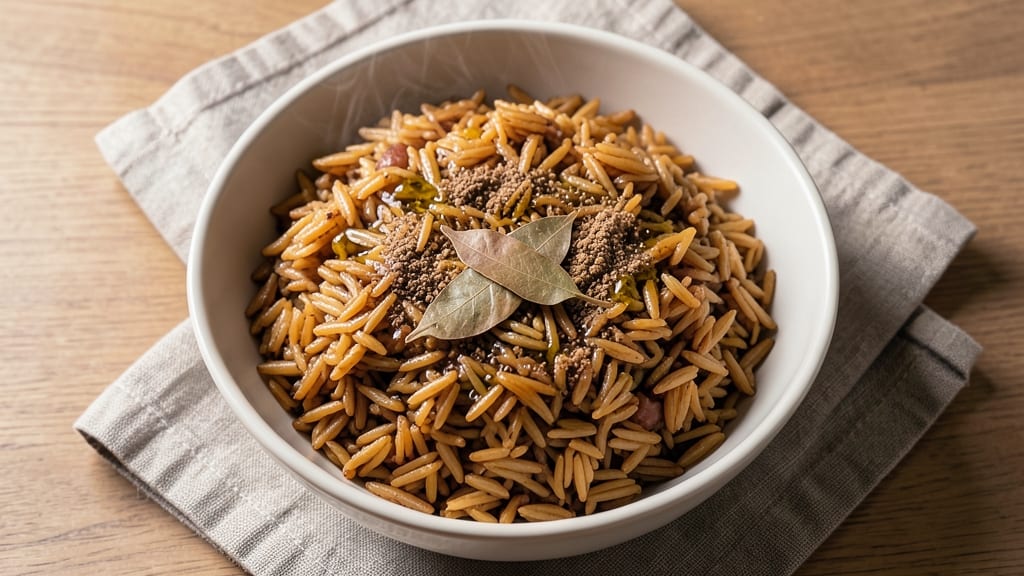
This brown basmati rice cooker recipe transforms ordinary rice into fragrant, light, and perfectly fluffy grains—every single time. The secret lies in soaking the rice for 30 minutes before cooking, which unlocks its natural nuttiness and prevents gumminess.
With a 1:1.5 rice-to-water ratio and the right rice cooker setting, you’ll achieve restaurant-quality texture without constant stirring or guesswork.
What sets this method apart is the two-step process: soak, then cook. The rice cooker handles the rest, delivering grains that are tender yet distinct, with that signature basmati aroma.
No more mushy rice or uneven cooking—just consistent, foolproof results that pair beautifully with curries, stir-fries, or as a standalone side. Ready in under 45 minutes, it’s the easiest way to elevate any meal.
Ingredients for brown basmati rice recipe rice cooker
Eight simple components transform ordinary brown basmati into restaurant-quality perfection.
| Ingredient | Amount | Notes |
|---|---|---|
| Brown Basmati Rice 🍚 | 1 cup | Uncooked, long-grain variety |
| Water 💧 | 1 ½ cups | Room temperature preferred |
| Extra-Virgin Olive Oil 🫒 | 1 tbsp | For enhanced aroma |
| Bay Leaves 🌿 | 1 whole | Fresh, for subtle flavor |
| Ground Cumin 🌶️ | ¼ tsp | For earthy depth |
| Salt 🧂 | ½ tsp | Diamond Crystal preferred |
| Fresh Lemon Juice 🍋 | 1 tbsp | Brightens final flavor |
| Garlic Cloves 🧄 | 1 whole | Minced, optional aroma |
The brown basmati rice is the foundation—look for brands like Lundberg or Tilda for consistent texture. Soaking is non-negotiable: 30 minutes minimum in room-temperature water unlocks the nuttiness. For the extra-virgin olive oil, California Olive Ranch or Bertolli add subtle richness without overpowering. The bay leaves should be fresh (dried work in a pinch, but fresh delivers more delicate flavor). Ground cumin from Penzeys or bulk bins ensures maximum potency—avoid pre-ground spices older than six months.
No fresh bay leaves? Dried bay leaves at half the amount work, though flavor will be subtler. Short on olive oil? Sesame oil at one-third the quantity adds a toasty note. The garlic clove is optional but recommended—Whole Foods or Trader Joe's carry pre-minced garlic in jars if fresh isn't available. For the lemon juice, freshly squeezed is ideal, but bottled works if it's ReaLemon or Minute Maid. The 1:1.5 rice-to-water ratio is critical—measure precisely for perfect texture. Diamond Crystal salt dissolves more easily than table salt, which can leave grainy residue.
Store uncooked rice in an airtight container away from light for up to 12 months. Cooked rice keeps 4-5 days refrigerated or 3 months frozen. For best texture, reheat portions in a steamer basket over simmering water. The two-step process (soak then cook) ensures fluffiness—never skip soaking. This method yields 4 perfect servings, each with distinct grains and that signature basmati aroma. Portion into glass containers for easy reheating.
Why You'll Love This Recipe
- Hands-Off Magic: I toss in the rice, add a splash of water, a drizzle of olive oil, and those warm spices—cumin and bay—and walk away. The rice cooker does all the work while I sip my coffee or fold laundry. No stirring, no stress, just perfect grains every time.
- Earthy, Nutty Bliss: That first bite? Crispy edges hugging a tender center, with the deep, toasty notes of cumin and the subtle herbal kick from the bay leaves. It’s like brown rice got a gourmet upgrade—no fancy ingredients, just honest, satisfying flavor.
- Lunchbox Hero: Between us, this rice is my secret weapon for meal prep. Cook a big batch on Sunday, portion it into containers, and toss it with roasted veggies or grilled chicken all week. It stays fresh, holds up perfectly, and my kids actually eat it—no complaints.
- Pantry Staple, Wallet Friendly: Brown basmati rice is already a smart buy, but this method makes it even better. A single batch feeds four for days, and the spices cost pennies. Honestly, I’ve made this for date nights, family dinners, and lazy Sundays—it’s that reliable.
Step-by-step instructions for perfect brown basmati rice in a rice cooker
Mastering this technique transforms ordinary basmati into restaurant-quality grains—fragrant, nutty, and perfectly fluffy.
Prepare the Rice and Aromatics
Rinse the 1 cup brown basmati rice under cold water until the water runs clear—this removes excess starch that would make the grains gummy. Drain thoroughly in a fine-mesh strainer and shake to remove all moisture. In a small bowl, combine the 1 tbsp extra-virgin olive oil, 1 whole bay leaves, 0.25 tsp ground cumin, 0.5 tsp salt, and 1 whole garlic cloves (minced if preferred). This aromatic blend will infuse the rice with depth.
Real talk: Skipping the rinse leads to mushy rice, and skipping the aromatics means missing that restaurant-quality flavor. The olive oil, in particular, prevents the rice from sticking together during cooking—it's the secret to that light, separate-grain texture we're after.
Combine Rice and Aromatics in the Rice Cooker
Add the drained rice to your rice cooker insert and pour the 1.5 cups water over it. Using a spoon, gently fold the rice to distribute the water evenly—this ensures consistent cooking. Then, sprinkle the aromatic oil mixture evenly over the rice, pressing lightly to help the spices adhere to the grains. The bay leaf and garlic will dissolve slightly, releasing their flavors into the water.
Don't stir after this point—gentle handling prevents breaking the grains. The cumin and bay leaf will infuse the water with earthy warmth, while the olive oil creates a subtle sheen on each grain. This is where the magic begins: the combination of toasted spices and nutty rice creates a flavor profile that's far more complex than plain rice.
Cook Until Absorption
Close the rice cooker lid and select the "white rice" setting (or equivalent for brown rice if available). The cooker will bring the water to a boil, then reduce to a simmer. Cook until the rice cooker automatically switches to "keep warm" mode—this typically takes 35-45 minutes for brown basmati, which is longer than white rice due to its higher nutrient content.
Resist the urge to peek during cooking. Every time you lift the lid, you release steam and potentially disrupt the cooking process. The rice is done when the water is completely absorbed and the grains are tender but still have a slight bite. Brown basmati should have a beautiful nutty aroma—if it smells like nothing, it's not ready.
Rest and Finish with Lemon
Once cooking is complete, let the rice sit in the cooker for 5 minutes with the lid slightly ajar. This resting period allows the steam to redistribute, ensuring each grain is perfectly moist. After resting, fluff the rice gently with a fork, then stir in the 1 tbsp fresh lemon juice. The acidity brightens the earthy flavors and prevents the rice from becoming dry as it cools.
This lemon finish is non-negotiable—it cuts through the richness of the olive oil and spices, creating that perfect balance of flavors. The rice should be light, fluffy, and separate at the grain level, with a subtle nutty aroma that lingers. If the grains stick together, you likely didn't rinse them thoroughly or used too much water. If they're dry, you may have overcooked them or skipped the lemon juice.
Pro Tips For Making Brown Basmati Rice Recipe Rice Cooker
- Rinse the Rice First: I learned this the hard way—skipping the rinse leaves your brown basmati gummy and uneven. Swirl 1 cup of rice in a fine-mesh strainer under cold water for 30 seconds, then drain. The starch wash removes that clingy residue, so your rice cooker doesn’t turn into a glue factory.
- Toast the Spices Dry: Heat your rice cooker’s inner pot on high for 30 seconds, then add 1 tablespoon olive oil and the ground cumin. Stir until fragrant (about 20 seconds)—this unlocks the spice’s flavor instead of letting it sit bland. Skip this, and your rice will taste like you forgot the seasoning.
- Use 1.5:1 Ratio: Brown basmati needs more water than white—1.5 cups liquid per 1 cup rice, not the 1:1 you’d use for jasmine. The rice cooker’s steam cycle handles the extra moisture, giving you perfectly chewy grains instead of soggy mush.
- Add Bay Leaves Last: Toss the bay leaves in after the rice and water go in, not before. They’ll infuse the water with aroma without overpowering the dish—just fish them out before serving. (Yes, even if you’re impatient like me.)
Regional styles of this dish
Indian Subcontinent Style
In India and Pakistan, brown basmati rice is often cooked with whole spices like cardamom pods and cloves instead of cumin. I like to toast 1 tsp ghee in the rice cooker before adding water and spices—this adds a rich, nutty depth.
For extra authenticity, use 1 cup basmati rice with 1.75 cups water and add 2 bay leaves, 4 green cardamom pods, and 2 cloves to the water before cooking. The result is a fragrant, aromatic rice that pairs perfectly with butter chicken or biryani. 🌶️
Middle Eastern Approach
Middle Eastern cooks often enhance basmati rice with saffron strands and rose water. For this version, soak 1 cup brown basmati rice in 1.5 cups water with 1 tsp saffron threads (steeped in 2 tbsp warm water) and ½ tsp rose water.
Cook as usual, then finish with a sprinkle of toasted pistachios for crunch. This method works beautifully with kebabs or lamb dishes, adding a floral, luxurious note. The saffron infuses the rice with a golden hue and delicate aroma that’s hard to resist. 🌸
Spanish Paella-Inspired
For a Spanish-inspired twist, use 1 cup brown basmati rice with 1.75 cups water, 1 tsp smoked paprika, and 1 bay leaf. After cooking, stir in ½ cup diced bell peppers and ¼ cup pitted green olives for a paella-style rice.
The smoky paprika gives it a distinct flavor that pairs wonderfully with grilled seafood or chorizo. I like to finish with a sprinkle of fresh parsley and a squeeze of lemon for brightness. This version is perfect for a hearty, flavorful side dish that feels festive. 🍅
Japanese-Inspired Brown Rice
In Japan, brown rice is often cooked with dashi stock instead of water for extra umami. For this version, replace the water with 1.5 cups dashi stock (or 1.5 cups water with 1 tsp dashi powder).
Add 1 tsp grated ginger and 1 tbsp mirin to the rice cooker along with the rice. The result is a subtly sweet, savory rice that’s perfect for sushi rolls or miso soup.
The ginger adds a gentle warmth, while the mirin enhances the natural nuttiness of the brown basmati. 🍜
Mexican-Inspired Cumin Rice
For a Mexican-inspired take, increase the ground cumin to 1 tsp and add ½ tsp chili powder and ¼ tsp garlic powder to the oil mixture. Cook the rice as usual, then stir in ½ cup black beans and ¼ cup corn kernels after it’s done.
This version is hearty and flavorful, perfect for tacos or burrito bowls. The cumin and chili powder give it a warm, earthy kick that’s balanced by the brightness of the lemon juice. 🌶️
Nutrition facts
Frequently asked questions
Why should I soak brown basmati rice before cooking?
Soaking for 30 minutes unlocks the rice's natural nutrients and prevents gumminess in the rice cooker. The longer grains absorb water gradually, resulting in perfectly separate, fluffy rice with enhanced nutty flavor. Brown rice benefits more from soaking than white rice due to its higher fiber content.
Can I use this recipe with regular white basmati rice?
Yes, but adjust the cooking time! White basmati cooks faster—reduce the rice cooker time by about 10-15 minutes. The same soaking and water ratio work, but skip the extra-long cooking time needed for brown rice. The flavor profile will be lighter but still delicious.
What if my rice cooker doesn't have a brown rice setting?
Use the "white rice" setting but add 5-10 extra minutes to the cook time. Brown rice needs more time to fully absorb moisture. Monitor closely after the cooker switches to "keep warm" mode—it may need 5-10 more minutes to reach perfect tenderness.
Why did my rice turn out mushy instead of fluffy?
Mushy rice usually means either overcooking or insufficient rinsing. Always rinse until water runs clear to remove excess starch. For brown rice, use the 1:1.5 rice-to-water ratio and never exceed the cooker's recommended time. Let it rest 5 minutes after cooking before fluffing.
Can I make this recipe without olive oil?
Yes, but you'll lose some of the rich texture. Replace with 1 tsp butter or 1 tbsp sesame oil for a different flavor profile. The oil helps prevent sticking and adds subtle aroma. If using water only, stir the rice more gently during the final resting period to maintain separation.