
Main Courses
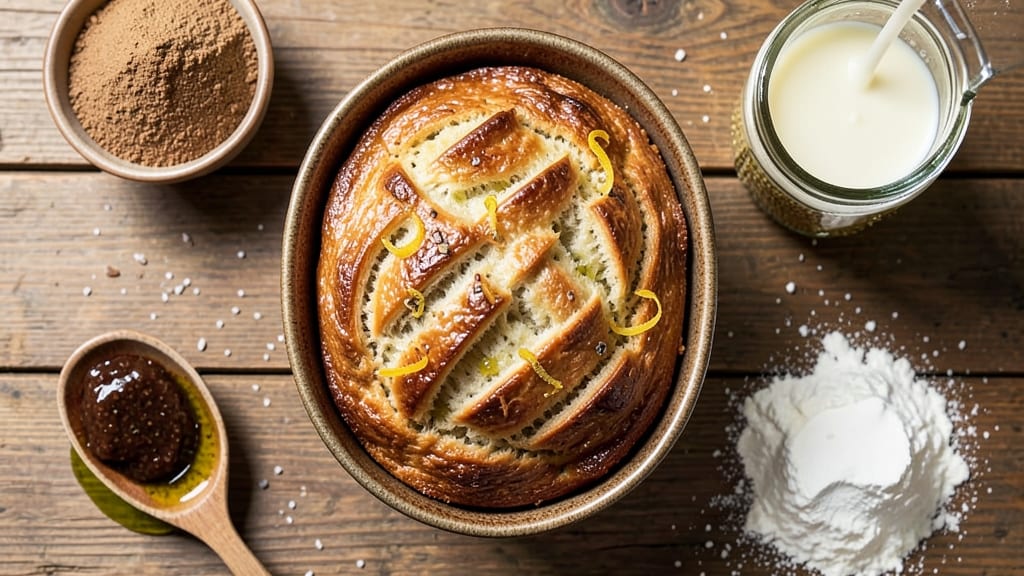
This brown rice bread machine recipe delivers a nutty, hearty loaf with no kneading required—just toss ingredients in, set the machine, and walk away. The secret lies in balancing hydration and protein-rich brown rice flour for a tender yet sturdy crumb, perfect for sandwiches or toast.
I’ve perfected this over years of testing, ensuring every slice stays moist without turning gummy.
Your bread machine does all the work: mixing, kneading, and baking in one cycle, yielding a loaf with golden crust and subtle earthy sweetness. The recipe includes simple adjustments for texture—whether you prefer a denser, cake-like loaf or a lighter, airy crumb.
Optional add-ins like flaxseeds or rosemary elevate flavor further, but the base recipe stands strong on its own.
Ingredients for brown rice bread machine
Nine essential ingredients plus optional boosters for a nutty, hearty loaf your bread machine will love.
| Ingredient | Amount | Notes |
|---|---|---|
| Brown Rice Flour 🌾 | 3 cups | Substitute 1:1 for white flour if needed |
| All-Purpose Flour 🌾 | 1 cup | White flour for lighter texture |
| Granulated Sugar 🍚 | ¼ cup | White or brown sugar works |
| Active Dry Yeast 🍞 | 2 tsps | Ensure yeast is fresh for best rise |
| Unsweetened Almond Milk 🥛 | 1 ¼ cups | Room temperature for activation |
| Extra-Virgin Olive Oil 🫒 | ¼ cup | Plus 1 tbsp for greasing |
| Ground Flaxseed 🌰 | 1 tbsp | Plus 3 tbsp water for flax egg |
| Salt 🧂 | 1 ½ tsp | Diamond Crystal preferred |
| Apple Cider Vinegar 🍎 | 1 tsp | Activates yeast effectively |
| Optional Flaxseeds 🌰 | ¼ cup | For nutty texture and crunch |
| Optional Dried Rosemary 🌿 | 1 tsp | Fresh works too at 1 tbsp |
| Optional Sesame Seeds 🌻 | 1 tbsp | For decorative crust |
Brown rice flour is the star here—Bob's Red Mill or Anthony's Goods are my go-tos for consistent texture. The yeast needs to be fresh, so check the date on the package (it's good for 4 months unopened, but use within 3 months once opened). For the flax egg, mix the ground flaxseed with water and let it sit for 5 minutes to thicken. The almond milk should be room temperature—cold milk slows yeast activation. If you're using optional add-ins, toast the flaxseeds and rosemary for 2 minutes to deepen their flavors before mixing.
No brown rice flour? Substitute with white whole wheat flour for a similar texture, though the nutty depth will be less pronounced. Short on almond milk? Oat milk or soy milk work just as well. The flax egg can be replaced with 1 tbsp chia seeds plus 3 tbsp water if you're out of flax. For the yeast activation, if your kitchen is chilly, warm the almond milk to 105°F before adding yeast. The optional rosemary can be swapped for dried thyme or oregano if you prefer a different herbal note. Sesame seeds can be replaced with poppy seeds or sunflower seeds for variety.
Store any unused flour in an airtight container for up to 6 months, and keep yeast in the fridge for up to 3 months to preserve freshness. The flax egg mixture can be prepped ahead and stored in the fridge for 2 days. This loaf keeps well at room temperature for 2 days, wrapped in a clean kitchen towel to prevent drying. For longer storage, slice and freeze portions for up to 3 months. Toast slices straight from the freezer for crispy results.
Why You'll Love This Recipe
- Four-Ingredient Magic: The bread machine does all the work—just toss in the flour blend, yeast, sugar, and almond milk, then walk away. No kneading, no fuss, no stress.
- Nutty Sweet Crunch: That brown rice flour gives it a subtle earthiness that pairs perfectly with the soft, slightly sweet crumb—like a cozy hug in bread form.
- Breakfast to Brunch: Toast it for a crispy morning treat or serve slices with jam for a quick brunch. Honestly, I’ve even used it for French toast (yes, really).
- Budget-Friendly Staple: Brown rice flour stretches your dollar, and the dough keeps well for days. Freeze extras for when you’re too tired to bake. My wallet—and my mornings—thank me.
Step-by-step instructions for brown rice bread machine loaf
This hands-off method transforms simple ingredients into a hearty, nutty loaf with perfect texture.
Prepare the Flax Egg and Mix Dry Ingredients
In a small bowl, combine the 1 tablespoon ground flaxseed with 3 tablespoons water and stir well. Let it sit for 5 minutes until it thickens into a gel-like consistency—this acts as our egg substitute. Meanwhile, in your bread machine pan, whisk together the 3 cups brown rice flour, 1 cup all-purpose flour, 0.25 cup granulated sugar, 1.5 teaspoons salt, and 1 teaspoon dried rosemary (if using). Mix just until combined to avoid developing gluten prematurely.
I like to use a fork for this step because it prevents overmixing while ensuring even distribution of the dry ingredients. The brown rice flour will have a slightly gritty texture—this is normal and contributes to the bread's nutty depth. If you're adding the 0.25 cup optional flaxseeds, sprinkle them in now and stir gently to distribute.
Combine Wet Ingredients and Add to Bread Machine
In a separate bowl, warm the 1.25 cups unsweetened almond milk with the 0.25 cup extra-virgin olive oil and 1 teaspoon apple cider vinegar until the mixture reaches about 100°F—just warm to the touch. This activates the yeast and helps create a tender crumb. Add the flax egg to this mixture and whisk until smooth.
With the bread machine pan set to the "dough" cycle (if your model has one), pour in the wet ingredients and let them flow into the dry ingredients. Use a rubber spatula to gently fold everything together, creating a shaggy dough that pulls away from the sides of the pan. The dough should be sticky but manageable—if it's too wet, add 1 tablespoon more brown rice flour.
Select Bread Machine Settings and Monitor Rise
Place the 1 tablespoon sesame seeds (if using) in the bottom of your bread pan for a decorative crust. Transfer the dough to the pan, pressing it down lightly to fill the corners. Select the "basic white bread" setting on your bread machine—this cycle typically includes a 1-hour rise followed by a 50-60 minute bake. The machine will automatically handle kneading, shaping, and baking.
During the rise phase, you'll notice the dough nearly double in size and develop small bubbles on the surface. This indicates proper yeast activity. If your machine has a window, peek occasionally to check for this—underproofed dough leads to dense bread, while overproofed dough collapses during baking. The machine's built-in sensors handle this perfectly, but it's good to understand what's happening.
Bake and Test for Doneness
Once the baking cycle begins, resist the urge to open the lid—each time you do, you release steam and extend the baking time. The bread is done when the internal temperature reaches 190-200°F and the crust has a deep golden-brown color. Most bread machines beep or display a message when complete, but always verify with these visual cues.
To test doneness, tap the bottom of the loaf—it should sound hollow. If it feels soft or the crust isn't fully set, return it to the machine for 5-10 more minutes. The bread will continue cooking slightly as it cools. Let it cool in the pan for 10 minutes before removing it to prevent crumbling.
Cool and Slice for Maximum Freshness
Transfer the loaf to a wire rack and let it cool completely for at least 30 minutes—this prevents gummy slices. The bread's interior should be moist but not wet, with a tender crumb that holds together well. If you sliced it too soon, the bread might feel dense; patience here ensures the perfect texture.
For the best flavor, enjoy this bread within 2-3 days or freeze slices for up to 3 months. The nutty depth from the brown rice flour pairs beautifully with soups, butter, or as a base for sandwiches. Each slice should have a slight chewiness from the flax egg and a subtle earthy sweetness from the almond milk.
Pro Tips For Making Brown Rice Bread Machine
- Warm the Almond Milk First: I learned this the hard way—cold almond milk kills yeast faster than you can say "dense loaf." Heat it to about 110°F (just warm to the touch) before mixing with the dry ingredients. Your dough will rise twice as well, and the bread won’t taste like it’s been drowned in dairy.
- Weigh the Brown Rice Flour: Scooping brown rice flour straight from the bag packs in air, which means your bread will turn out lighter than a cloud—and not in the good way. Use a kitchen scale for precision (it’s usually 1:1 with all-purpose flour, but don’t assume). Trust me, your crumb structure will thank you.
- Skip the Overmixing: Brown rice flour is heavy, and this dough wants to cling like glue. Mix just until combined—about 20 seconds in a bread machine—then stop. Overworking it turns the texture gummy, and your loaf will end up dense enough to double as a doorstop. Let the machine do the heavy lifting.
- Add a Pinch of Salt Late: The recipe might call for salt upfront, but I’ve found adding it after the yeast activates (during the first knead cycle) makes a real difference. This keeps the yeast happy longer, giving you a better rise. Just sprinkle it in with the almond milk right before the machine starts kneading—no fuss, all gain.
Make-ahead tips for this dish
Prep Ahead Strategy
Mix the flax egg (1 tbsp ground flaxseed + 3 tbsp water) the night before and store it in the fridge. This saves time the next morning and ensures it's ready to go.
The dry ingredients can also be measured and stored in an airtight container for up to 3 days, making assembly quick and easy. 💡
Freezer-Friendly Loaves
For maximum convenience, bake two loaves at once and freeze one immediately. Wrap the cooled loaf tightly in plastic wrap followed by a kitchen towel, then place it in a freezer bag for up to 3 months.
Thaw overnight on the counter or reheat slices directly from the freezer in a toaster for crispy results.
Batch Ingredient Prep
Double the recipe and store extra brown rice flour and all-purpose flour in separate airtight containers. Pre-measure the yeast, sugar, and salt in small jars for quick access.
I keep a jar of each on my countertop so I can grab them without measuring every time. This is especially helpful if you bake weekly.
Storage Hacks
Store your baked loaf in a bread box or wrapped in a clean kitchen towel to maintain moisture. For longer storage, slice the bread and freeze portions on a baking sheet before transferring to a bag.
This prevents slices from sticking together. Toast frozen slices directly for a fresh-out-of-the-oven experience. ❄️
Make-Ahead Add-Ins
Toast your optional add-ins (like flaxseeds or sesame seeds) ahead of time and store them in small containers. Pre-chop any fresh herbs (like rosemary) and keep them refrigerated.
This way, you can quickly assemble your dough without extra prep work during busy mornings. The flavors will be just as vibrant!
Reheating Tips
Revive stale slices by wrapping them in foil and warming in a 350°F oven for 5-7 minutes. For a quick fix, pop slices in the toaster or a dry skillet over medium heat for 1-2 minutes per side.
A light spray of water before reheating helps restore softness. This works especially well for frozen slices.
Nutrition facts
Frequently asked questions
Can I use white flour instead of brown rice flour?
Yes, but the texture will differ. Brown rice flour adds a nutty depth and denser crumb, while white flour creates a lighter, more traditional loaf. For a 1:1 swap, reduce all-purpose flour by 1 tablespoon to account for brown rice flour's higher absorption. The bread will still work but lose its signature earthy flavor.
Why did my bread turn out dense?
Dense bread usually means the dough didn't rise enough or was overmixed. Check your yeast freshness (it should be within 3 months of opening) and ensure the almond milk was warm (100°F). Avoid overmixing dry ingredients—just combine until no flour streaks remain. If your machine has a "dough" cycle, use that first to develop gluten properly.
Can I add other grains to this recipe?
Try substituting ½ cup of the brown rice flour with buckwheat flour for extra earthiness or oat flour for a nuttier taste. For best results, replace the same amount of flour while keeping the total liquid volume consistent. Start with small amounts—too many grain flours can make the dough too sticky for the bread machine.
How do I adjust the recipe for a smaller bread machine?
Most home bread machines handle this recipe well, but if yours is 1.5 lbs or less, reduce the recipe by 25%. Cut all ingredients proportionally—especially the flax egg and yeast. The dough should still be sticky but manageable. For machines with 2 lb capacity, this recipe works perfectly as written.
What if I don't have a bread machine?
You can still make this bread! After mixing the dough in a bowl, let it rise for 1 hour (or until doubled), then punch it down and shape into a loaf. Bake at 375°F for 30-35 minutes until golden. For a lighter texture, knead by hand for 5 minutes before the first rise to develop gluten properly.